
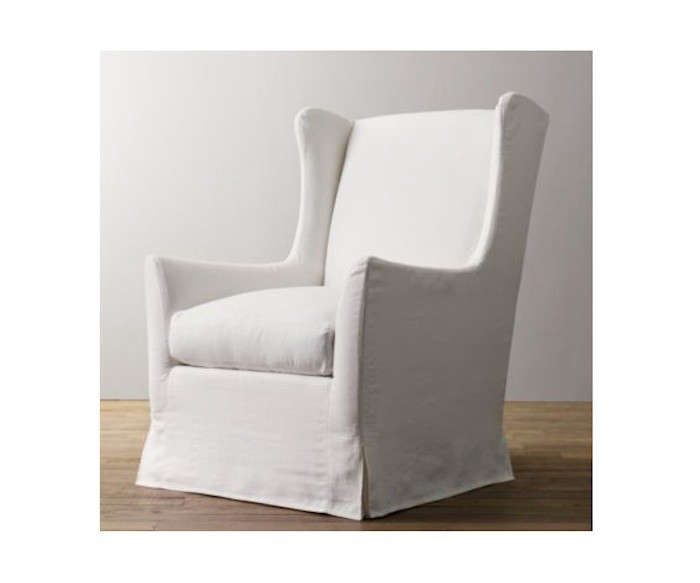
A wingback swivel glider is what happens when classic furniture design meets the modern need to rotate toward snacks, rock a baby, read one more chapter, and pretend you are not slowly becoming emotionally attached to a chair. With its tall back, protective winged sides, smooth gliding motion, and rotating base, this chair has moved far beyond the nursery. Today, it belongs in living rooms, reading corners, bedrooms, home offices, and anywhere people want comfort without surrendering style.
The wingback silhouette has been around for centuries, originally designed to block drafts and trap warmth near fireplaces. The swivel glider version keeps that elegant profile but adds movement: a gentle back-and-forth glide, a turning base, and sometimes a reclining footrest. In other words, it looks traditional enough for a polished room and functions like the favorite seat everyone fights over during movie night.
This guide explains what a wingback swivel glider is, why it is so popular, how to choose the right one, where to place it, what features matter most, and how to keep it looking fresh after real life happens on it. Because real life will happen on it. Coffee, baby bottles, pet fur, cookie crumbs, and mysterious smudges are part of the furniture ownership package.
What Is a Wingback Swivel Glider?
A wingback swivel glider is an upholstered chair that combines three major design elements. First, it has a wingback chair shape, meaning the chair includes a high back and side panels that “wing” forward near the upper body. Second, it has a swivel base, allowing the chair to rotate left and right without dragging it across the floor. Third, it has a glider mechanism, which creates a smooth forward-and-back motion instead of the arched rocking motion of a traditional rocking chair.
Many modern versions also include reclining features, hidden levers, USB charging ports, lumbar pillows, performance upholstery, stain-resistant fabrics, and quiet mechanisms designed for late-night use. That makes the wingback swivel glider especially popular as a nursery glider chair, but it is just as useful in adult spaces where comfort matters.
Why the Wingback Swivel Glider Became a Favorite Chair
The appeal is simple: it solves several seating problems at once. A regular accent chair may look nice but feel stiff. A recliner may feel comfortable but look bulky. A rocker may soothe beautifully but limit your movement. A wingback swivel glider blends comfort, motion, and style in one tidy package.
It Offers Supportive Comfort
The high back supports the upper body, while the winged sides create a cocoon-like feel. That is especially helpful when you are feeding a baby, reading for long stretches, recovering after a long workday, or simply hiding from household responsibilities for 12 peaceful minutes.
It Moves Without Looking Mechanical
The gliding motion is usually smoother and quieter than traditional rocking. The swivel function lets you turn toward a side table, crib, TV, window, bookshelf, or conversation without standing up. This may sound small until you are holding a sleeping baby, a cup of tea, or a dog who has decided your lap is now legally theirs.
It Works in Many Rooms
Although many people search for a wingback swivel glider for nursery use, this chair can also anchor a cozy reading nook, soften a bedroom corner, upgrade a family room, or add movement to a home office lounge area. Its shape feels classic, but its function is very current.
Best Places to Use a Wingback Swivel Glider
A good wingback swivel glider is not a one-room wonder. It can fit into several spaces depending on fabric, scale, and style.
Nursery
The nursery is the most obvious home for a swivel glider. Parents and caregivers use it for feeding, burping, soothing, reading bedtime stories, and surviving the mysterious 3:17 a.m. wake-up that babies seem to schedule with impressive confidence. Choose a model with padded arms, easy-clean upholstery, a supportive back, and enough seat depth to sit comfortably without slouching.
Living Room
In a living room, a wingback swivel glider can replace a standard accent chair. It works especially well in open layouts because the swivel base allows the sitter to face different zones: the sofa, fireplace, TV, or kitchen. A neutral fabric keeps the chair versatile, while boucle, velvet, leather, or textured weave can make it a statement piece.
Bedroom
A bedroom wingback glider creates a calm corner for reading, journaling, nursing, putting on shoes, or dramatically sighing after folding half the laundry. Pair it with a small side table and a floor lamp for an instant retreat.
Reading Nook
If your idea of luxury is a soft chair, a warm drink, and a book you actually have time to finish, a wingback swivel glider is a strong choice. The side wings help create a private-feeling seat, and the gliding motion adds a relaxing rhythm without demanding much space.
Key Features to Look For
Not all wingback swivel gliders are created equal. Some are dreamy. Some look dreamy but feel like a hotel lobby chair pretending to care about your spine. Before buying, compare the following details.
Size and Room Clearance
Measure the chair’s width, depth, height, seat height, and fully reclined length if it reclines. Many full-size swivel gliders fall somewhere around 29 to 36 inches wide, but dimensions vary widely. Reclining models also need wall clearance, so do not assume the chair will fit just because it looks compact online.
Leave room for the swivel motion, the glide path, and a small table nearby. If the chair will go in a nursery, make sure it does not block drawers, closet doors, diaper storage, or the safest walking route during late-night care.
Glide Quality
A quality glider should move smoothly and quietly. It should not scrape, wobble, squeak, or lurch like it has unresolved mechanical feelings. If possible, test the glide in person. If shopping online, read reviews that mention sound, smoothness, long-term durability, and whether the mechanism stays stable after months of use.
Swivel Range
Some chairs swivel 240 degrees, some 270 degrees, and others rotate a full 360 degrees. A nursery may not need full rotation, but a living room chair often benefits from it. The best choice depends on how you plan to use the chair and what surrounds it.
Seat Comfort
Look at seat depth, cushion firmness, arm height, back angle, and head support. A chair that feels plush for five minutes may feel unsupportive after an hour. For nursing or bottle-feeding, arms should be high enough to support your elbows without forcing your shoulders upward. For reading, the back should encourage a relaxed but not collapsed posture.
Fabric and Upholstery
Performance fabrics are popular because they resist stains and everyday wear better than delicate materials. Polyester blends, textured weaves, microfiber, boucle, velvet-like performance fabrics, and leather-look materials are common. In homes with kids or pets, choose upholstery that can handle frequent spot cleaning. In a formal room, you may prefer linen, velvet, or a tailored woven fabric for a more elevated look.
Reclining Function
Some wingback swivel gliders are simple gliding chairs. Others include manual or power recline. Manual recliners are often less expensive and do not require an outlet. Power recliners may offer smoother operation, adjustable positions, and built-in charging features, but they need access to electricity and may cost more.
Certifications and Materials
For nurseries and family spaces, many shoppers look for certifications such as GREENGUARD Gold, CertiPUR-US foam, FSC-certified wood, or fabrics free from certain chemical flame retardants. These details can help buyers feel more confident about indoor air quality, foam composition, and responsible sourcing. Always check the specific product listing, because certifications vary by model and fabric.
Wingback Swivel Glider vs. Rocker vs. Recliner
These chairs are related, but they are not identical. Understanding the difference helps you buy the right seat instead of accidentally bringing home a chair that does everything except what you wanted.
| Chair Type | Main Motion | Best For | Possible Drawback |
|---|---|---|---|
| Wingback Swivel Glider | Smooth glide plus rotating base | Nurseries, reading corners, living rooms | Can be heavier and more expensive |
| Traditional Rocking Chair | Arc-shaped rocking motion | Classic nursery style, farmhouse rooms | May move on floors or feel less cushioned |
| Standard Recliner | Reclining footrest and back | TV rooms, lounging, naps | Can look bulky and may not swivel or glide |
| Swivel Accent Chair | Rotating base only | Conversation areas, open layouts | No soothing glide motion |
How to Choose the Right Wingback Swivel Glider
The right chair depends on your room, body, lifestyle, and patience for cleaning. Here is a practical buying process.
Step 1: Measure Before You Fall in Love
Furniture heartbreak is real. Before choosing a chair, measure the room, doorways, stairwells, elevators, and the exact corner where the chair will sit. Include clearance for gliding, swiveling, and reclining. A beautiful chair that cannot pass through the front door is not furniture; it is a very expensive porch sculpture.
Step 2: Match the Chair to Its Main Job
If the chair is for a nursery, prioritize quiet movement, easy-clean fabric, supportive arms, and safe placement near the crib without crowding the sleep area. If it is for a living room, think about style, scale, and how it coordinates with the sofa. If it is for reading, focus on back support, head support, lighting, and a nearby table.
Step 3: Test the Seat Height
Seat height matters more than people think. Too low, and getting up feels like a tiny workout you did not agree to. Too high, and your feet may not rest comfortably on the floor. A good chair allows your feet to touch the floor or a footrest while your knees and hips feel relaxed.
Step 4: Check the Arms
For feeding a baby, reading, knitting, or scrolling responsibly for “just five minutes,” arm comfort is essential. Arms should be padded, stable, and positioned so your shoulders can relax. Narrow wooden arms may look sleek, but padded upholstered arms often win for long sitting sessions.
Step 5: Choose Fabric for Real Life
White boucle looks stunning in photos. In real homes, it may meet blueberries, formula, muddy paws, and one person who insists on eating tacos while sitting sideways. If your household is busy, look for darker neutrals, textured performance fabrics, washable slipcovers, or upholstery with clear cleaning instructions.
Design Ideas for Styling a Wingback Swivel Glider
A wingback swivel glider can look traditional, modern, coastal, farmhouse, glam, transitional, or minimalist depending on fabric and accessories.
For a Nursery
Choose soft neutrals such as ivory, oatmeal, gray, beige, sage, or blush. Add a washable throw, a small side table, a dimmable lamp, and a basket for burp cloths or books. Keep the floor clear around the chair to avoid tripping during nighttime care.
For a Living Room
Use the chair as a pair across from a sofa or as one statement seat near a fireplace. A leather or performance velvet wingback swivel glider can feel polished, while a linen-look fabric creates a relaxed, airy mood. Add a lumbar pillow if the chair needs extra lower-back support.
For a Bedroom Corner
Place the glider near natural light if possible. Add a narrow drink table and a warm floor lamp. A soft throw makes the chair inviting without turning it into a blanket storage facility, although no judgment if that happens by Thursday.
Safety Tips for Nursery Use
A wingback swivel glider can be wonderful for feeding and soothing, but it should not become a sleep surface for a baby. If an infant falls asleep while being held, move the baby to a firm, flat, approved sleep space such as a crib, bassinet, or play yard. Adult chairs, sofas, recliners, and cushioned seats are not safe places for infant sleep.
Keep blankets, pillows, cords, and small objects away from the chair area. If the glider has a power cord or USB feature, route cords safely and keep them out of a child’s reach. Make sure the chair is stable on the floor and that older siblings do not climb, spin, or hang from it. A swivel glider is furniture, not a carnival ride, despite what toddlers may argue.
How to Clean and Maintain a Wingback Swivel Glider
Always start with the manufacturer’s care label. Upholstery cleaning codes matter. Some fabrics allow water-based cleaning, some require solvent-based cleaners, and some should only be vacuumed or professionally cleaned. When in doubt, test any cleaner on a hidden area first.
Basic Maintenance
- Vacuum weekly with an upholstery attachment to remove dust, crumbs, pet hair, and tiny evidence of snack decisions.
- Blot spills immediately with a clean white cloth instead of rubbing.
- Rotate loose cushions if the design allows it.
- Keep the chair out of harsh direct sunlight to reduce fading.
- Check the base occasionally for wobbling, squeaking, or loose hardware.
Spot Cleaning
For many performance fabrics, a small amount of mild soap and lukewarm water can help with everyday spills, but the fabric code should guide you. Avoid soaking the cushion, because excess moisture can damage foam, backing, or internal materials. After cleaning, let the area air dry fully before sitting again.
Common Mistakes to Avoid
The biggest mistake is buying based only on appearance. A wingback swivel glider should look good, but it also needs to fit your body and lifestyle. Another mistake is ignoring scale. A chair that looks compact in a product photo may dominate a small nursery. On the other hand, a chair that is too narrow may feel uncomfortable for long feeding sessions or reading marathons.
Do not forget delivery logistics. Many gliders are heavy, especially reclining models with metal mechanisms. Check whether assembly is required, whether white-glove delivery is available, and whether the chair can be returned if it does not work in your room.
Who Should Buy a Wingback Swivel Glider?
A wingback swivel glider is a great choice for new parents, grandparents, readers, apartment dwellers, design lovers, and anyone who wants movement without sacrificing style. It is especially useful for people who want one chair to serve multiple purposes: soothing, feeding, lounging, reading, turning toward conversations, and occasionally becoming the best seat in the house.
It may not be ideal for someone with very limited floor space, a tight budget, or a room where no one will use the motion features. In that case, a standard accent chair may be enough. But if comfort, motion, and timeless design matter, a wingback swivel glider earns its space.
Personal Experiences and Real-Life Observations About Wingback Swivel Gliders
The first thing people usually notice about a wingback swivel glider is not the fabric, the silhouette, or even the swivel. It is the instant “oh, this is dangerous” feeling when they sit down. Dangerous in the sense that productivity may never fully recover. A good glider has a way of turning a quick break into a 45-minute reflection on life, laundry, and whether one more cup of coffee is a personality trait.
In a nursery, the experience is practical and emotional at the same time. The chair becomes part of a daily rhythm. You sit down for feeding, glide gently through fussiness, reach for a burp cloth without standing because the chair swivels, and slowly learn which floorboard creaks on the way back to the crib. The wingback shape helps create a feeling of privacy, almost like a soft little shelter for parent and baby. During long nights, that matters. The room may be quiet, the light may be low, and the chair becomes the one piece of furniture doing exactly what you need it to do.
For living rooms, the experience is different but equally useful. A wingback swivel glider works well in rooms where people face different directions throughout the day. In the morning, it can turn toward a window. In the afternoon, it can face a conversation area. At night, it can rotate toward the TV. Unlike a fixed chair, it adapts without needing to be dragged around. That makes it especially helpful in open-concept homes where one seat may need to serve several zones.
One specific example: imagine a small family room with a sofa, a media console, a toy basket, and a reading lamp in the corner. A stationary wingback chair might look good but feel limited. A wingback swivel glider, however, can face the sofa during conversation, turn toward the TV for a movie, glide while someone reads, and rotate toward the toy area when supervising a child. It becomes less like a decorative chair and more like a command center with upholstery.
Another real-life benefit is how welcoming the chair feels to guests. People tend to choose the moving chair first. There is something naturally comforting about gentle motion, especially when the seat is supportive. Guests may not say, “What a thoughtfully selected multi-functional upholstered seating solution,” because normal people do not speak like furniture catalogs. But they will say, “This chair is really comfortable,” and then they may remain in it until dessert.
Pet owners should also prepare for competition. Cats and dogs often identify the softest, most expensive, most human-intended seat in the room and claim it immediately. A textured performance fabric or washable throw can help protect the chair from fur and paw prints. If the glider becomes a pet throne, at least choose a fabric that forgives betrayal.
The main lesson from living with a wingback swivel glider is that small design details become important over time. Quiet movement matters. Arm height matters. Fabric texture matters. A chair that looks beautiful but has stiff arms, a shallow seat, or a squeaky base can become annoying fast. A chair that supports your back, turns smoothly, cleans easily, and fits the room becomes part of your everyday routine.
For parents, it may become the chair where first smiles happen. For readers, it may become the place where books finally get finished. For grandparents, it may become the storytelling seat. For everyone else, it may simply become the place where the day slows down a little. That is the real charm of a wingback swivel glider: it is not just a chair with motion. It is a chair that makes stillness feel better.
Conclusion
A wingback swivel glider is one of the rare furniture pieces that delivers comfort, movement, and timeless style without looking like it belongs in a basement from 1987. Its high back and winged sides offer cozy support, while the swivel and glide functions make everyday use easier in nurseries, living rooms, bedrooms, and reading corners.
The best choice depends on your space, body, budget, and lifestyle. Measure carefully, choose durable upholstery, test or research the glide mechanism, consider safety features for nursery use, and pay attention to long-term comfort. Whether you are soothing a newborn, building a reading nook, upgrading a family room, or simply searching for a chair that everyone will quietly fight over, a wingback swivel glider is a smart and stylish investment.
Note: This article is written for general home furniture and nursery seating guidance. Always follow the manufacturer’s instructions for assembly, cleaning, weight limits, electrical features, and safe use.











