
On paper, the question sounds almost too obvious: if bonds are finally paying respectable yields again, why are investors still hanging around the stock market like it is the only party in town? Treasury yields are no longer microscopic. High-quality corporate bonds offer income that would have looked luxurious during the zero-rate years. Cash and short-term instruments are still giving savers a reason to open their statements without squinting.
And yet, investors have not stampeded out of stocks and into bonds. The S&P 500 has continued to attract attention, technology shares remain powerful, and many investors seem more interested in earnings growth than coupon payments. So what gives?
The answer is not that investors suddenly forgot bonds exist. It is that markets are weighing several forces at once: attractive bond yields, strong corporate profits, inflation risk, artificial intelligence enthusiasm, tax considerations, portfolio habits, and the simple fact that stocks and bonds do different jobs. Bonds are looking better than they have in years, but stocks still offer something bonds cannot: participation in business growth. That growth story, especially in large U.S. companies, is keeping investors from making a wholesale switch.
The Short Answer: Bonds Are Attractive, But Stocks Still Have a Growth Story
Investors are not selling stocks to buy bonds because the decision is not as simple as comparing one yield with another. A 10-year Treasury yield near the mid-4% range may look tempting, but an investor in stocks is not only buying today’s dividend yield. They are buying future earnings, pricing power, innovation, productivity, and sometimes a healthy dose of “what if this company becomes even more enormous?”
That last part may sound like Wall Street wearing a superhero cape, but it matters. In 2026, investors are still focused heavily on corporate earnings and the artificial intelligence buildout. Major technology companies have been spending aggressively on chips, data centers, cloud infrastructure, and AI tools. Whether every dollar of that spending pays off is a serious question, but investors are not ignoring the possibility that AI could lift productivity and profits over many years.
Bonds, by contrast, are more contractual. A high-quality bond can tell you roughly what income you may receive if held to maturity and if the issuer pays as promised. That stability is valuable. But it also means the upside is usually capped. A Treasury bond will not wake up one morning and announce that its cloud revenue grew 40%. It will simply pay interest. Reliable? Yes. Exciting? About as exciting as a toaster with excellent warranty coverage.
Bond Yields Are Better, But They Are Not Risk-Free Magic
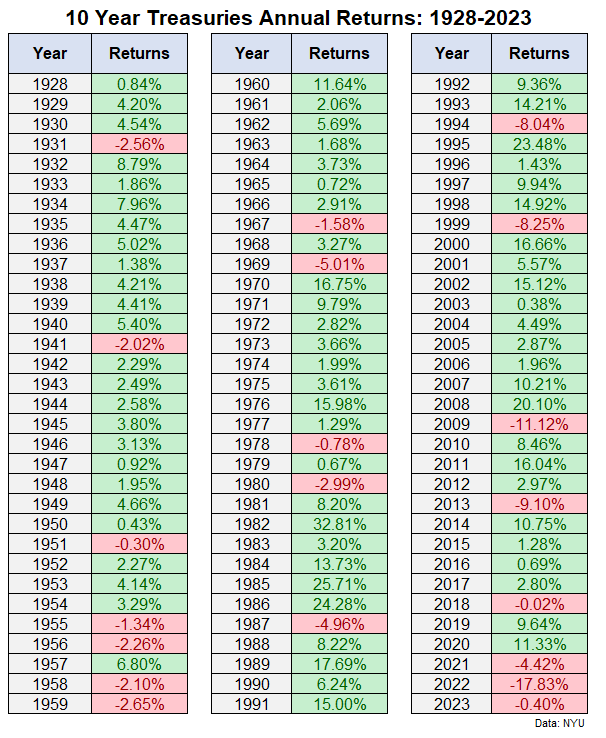
One reason investors are not rushing entirely into bonds is that bonds still carry risks. Many people learned this the hard way in 2022, when rising rates punished bond prices. The basic math is simple: when interest rates rise, the prices of existing bonds usually fall. Longer-term bonds are especially sensitive because investors are locked into older coupon rates for more years.
Current yields are meaningful. In early May 2026, U.S. Treasury data showed the 10-year Treasury yield around 4.45% and the 30-year Treasury yield slightly above 5%. Those numbers are far more appealing than the ultra-low yields of the 2010s and early 2020s. Still, the higher the duration, the more a bond investor has to care about inflation, government borrowing, Federal Reserve policy, and future rate moves.
In plain English: bonds are safer than stocks in some ways, but they are not a pillow fort. If inflation surprises to the upside, long-term bond prices can fall. If the federal deficit keeps Treasury supply high, investors may demand higher yields. If the economy remains resilient, the Federal Reserve may not cut rates as quickly as bond bulls hope. That limits the chance for big bond price gains.
Coupon Income Helps, But Price Appreciation May Be Limited
Many fixed-income strategists expect bonds to deliver a large share of returns through coupon income rather than dramatic price gains. That is a perfectly respectable setup. Investors can earn income and reduce portfolio volatility. But if someone is hoping bonds will deliver stock-like returns, they may be disappointed unless rates fall significantly.
This is why investors often prefer a balanced approach instead of selling stocks outright. They may add intermediate-term bonds, high-quality corporate bonds, municipal bonds, or Treasury Inflation-Protected Securities. But they may not want to abandon equities, especially if the companies they own are still growing earnings.
Stocks Keep Winning Attention Because Earnings Are Strong
Investors do not buy stocks because stocks are always comfortable. They buy stocks because companies can grow. In 2026, corporate earnings have been a major reason investors remain interested in equities. Recent S&P 500 earnings data showed strong year-over-year profit growth, with large technology and communication services companies playing an outsized role.
This matters because stock prices ultimately need earnings support. A market can run on hype for a while, but over the long term, earnings are the engine. If companies report stronger-than-expected profits, investors have a reason to tolerate higher valuations. They may grumble about expensive stocks, but they are less likely to run for the exits when earnings are beating forecasts.
Think of it this way: a bond offers a coupon. A stock offers a claim on a company’s future profits. If investors believe those future profits are rising fast enough, they may accept the volatility. That does not mean stocks are cheap. It means investors are comparing today’s bond yield with tomorrow’s possible business growth.
The AI Boom Is Keeping Investors in Stocks
Artificial intelligence is one of the biggest reasons investors are reluctant to rotate aggressively out of stocks. The AI theme is not just about chatbots writing emails or summarizing meeting notes. It involves semiconductors, cloud computing, data centers, power infrastructure, enterprise software, cybersecurity, and automation.
Large technology companies are spending enormous amounts on AI infrastructure. Investors are debating whether this spending will create huge returns or eventually lead to disappointment. But for now, many market participants believe AI could support revenue growth, margin expansion, and productivity gains. That belief keeps money flowing toward equity sectors tied to the AI supply chain.
Of course, AI optimism can become excessive. When too much money chases one theme, valuations can stretch. Concentrated markets can become fragile. If a handful of mega-cap companies carry the index, investors may be less diversified than they think. Still, the possibility of long-term AI-driven earnings growth is a major reason stocks remain hard to quit.
Inflation Makes the Bond Decision More Complicated
Bonds tend to love stable inflation. Stocks can tolerate inflation better when companies have pricing power. That distinction matters right now.
Recent inflation readings have remained above the Federal Reserve’s 2% target. In March 2026, the Consumer Price Index rose 3.3% from a year earlier, with energy costs contributing meaningfully to the increase. Inflation does not automatically destroy bonds, but it does make investors cautious. A bond paying 4.5% looks much less exciting if inflation is running above 3% and could rise again.
Stocks are not immune to inflation either. Higher costs can squeeze profit margins, and higher rates can reduce valuation multiples. But companies with strong brands, essential products, recurring revenue, or productivity advantages may pass along some cost increases. That makes certain stocks an inflation hedge of sortsnot a perfect one, but enough to keep investors interested.
The Fed Still Matters, But Investors Are Not Betting Everything on Rate Cuts
Federal Reserve policy is another reason investors are not making a simple stock-to-bond switch. When investors expect major rate cuts, longer-duration bonds often become more appealing because falling yields can lift bond prices. But when the economy remains resilient and inflation is sticky, the path of rate cuts becomes less certain.
The U.S. economy grew at a 2.0% annualized rate in the first quarter of 2026, according to the advance GDP estimate. That is not a runaway boom, but it is also not a collapse. A still-growing economy reduces the urgency for the Fed to slash rates aggressively. If rate cuts are limited, bonds can still earn income, but the price-appreciation story becomes less powerful.
That helps explain why many investors are adding bonds gradually rather than dumping stocks. They may like fixed income more than they did a few years ago, but they do not necessarily see a once-in-a-generation bond trade that demands a dramatic portfolio overhaul.
Taxes, Timing, and Investor Behavior Slow the Rotation
Even when bonds look attractive, selling stocks can create real-world problems. Investors with large taxable gains may owe capital gains taxes if they sell. Long-term investors may prefer to rebalance with new contributions rather than trigger a tax bill. Retirement accounts may be easier to adjust, but taxable accounts require more planning.
There is also the behavioral side. Investors who have benefited from years of stock market gains may be reluctant to sell winners. This is especially true for investors holding mega-cap technology stocks that have become core positions. Selling them can feel like stepping off a moving train while everyone else is still waving from the windows.
Then there is career risk for professional money managers. If a manager sells stocks too early and the market keeps rising, clients may complain. If they buy bonds and earn a quiet 4% while stocks jump 15%, the strategy may be defensible but unpopular. Investors say they want prudence, but many also enjoy performance. Humans are funny like that.
Stocks and Bonds Play Different Portfolio Roles
The most important point is that stocks and bonds are not interchangeable. Stocks are typically used for long-term growth. Bonds are used for income, capital preservation, diversification, and volatility control. A thoughtful investor does not have to choose one like a favorite child at Thanksgiving dinner.
A younger investor with decades before retirement may still prefer a stock-heavy portfolio, even if bond yields are attractive. A retiree may value bonds more because income stability and lower volatility matter more. A foundation, pension plan, or insurance company may allocate based on liabilities, not market excitement.
This is why the stock-to-bond question depends heavily on the investor’s goals. If the goal is growth, stocks remain central. If the goal is income and lower volatility, bonds deserve more attention. If the goal is sleeping better, a balanced allocation may be the best financial mattress.
Why Investors May Buy Bonds Without Selling Stocks
Another overlooked point: investors can increase bond exposure without selling stocks aggressively. They can redirect new savings into bonds. They can reinvest dividends into fixed income. They can allow maturing certificates of deposit or Treasury bills to roll into intermediate bonds. They can rebalance slowly over quarters instead of making one dramatic move.
This gradual approach is common because markets rarely present perfect clarity. Investors may believe bonds are attractive while also believing stocks can keep rising. Those views are not contradictory. A portfolio can hold both optimism and caution at the same time. In fact, that is what diversification is supposed to do.
The Equity Risk Premium Is Narrow, But It Is Not the Whole Story
One argument for bonds is that the equity risk premium appears narrow. The equity risk premium is the extra return investors expect from stocks compared with safer bonds. When Treasury yields rise and stock valuations remain high, that premium can shrink. In theory, investors should demand more compensation for taking stock market risk.
But markets are not mechanical calculators. Investors may accept a lower equity risk premium if they believe earnings growth will be strong, inflation will moderate, productivity will improve, or certain companies have unusually durable competitive advantages. They may also believe that long-term bonds carry their own risks, especially if inflation remains unpredictable.
So yes, bonds look more competitive than they did when yields were near zero. But competitive does not mean irresistible. Stocks still offer upside that bonds cannot match, and many investors are unwilling to give that up completely.
Specific Examples: How Different Investors Think About the Choice
The Retiree Seeking Income
A retiree who needs predictable cash flow may reasonably increase bond exposure. Today’s yields can support income planning better than the near-zero-rate era. For this investor, high-quality bonds, Treasury ladders, municipal bonds, and short-to-intermediate duration funds can be useful. But even retirees often keep some stocks to fight inflation and support long-term purchasing power.
The Young Accumulator
A 30-year-old investor may look at a 4.5% Treasury yield and say, “Nice, but I have 35 years.” For long time horizons, stocks have historically been the main engine of real wealth creation. Bonds can reduce volatility, but too much fixed income too early may limit growth.
The Professional Portfolio Manager
A portfolio manager may see both sides. Bonds offer income and diversification, but stocks offer earnings momentum. The manager may shift from expensive growth stocks into value stocks, international equities, or high-quality bonds rather than making a blunt all-or-nothing move.
Experience-Based Insights: What This Debate Looks Like in Real Portfolios
In practice, the “stocks versus bonds” debate rarely happens in a clean laboratory. It happens in brokerage accounts, retirement plans, kitchen-table conversations, and slightly tense meetings where someone says, “Wait, why is my bond fund down if bonds are safe?” That experience matters because portfolio decisions are emotional as well as mathematical.
One common experience is that investors often rediscover bonds only after rates rise. When yields were near zero, many people treated bonds like financial broccoli: healthy, boring, and easy to ignore. Now that yields are meaningful again, bonds look far more appealing. Investors who once dismissed fixed income are suddenly interested in Treasury ladders, money market funds, municipal bonds, and investment-grade corporate bonds. That shift is rational, but it does not automatically mean they want to sell their stocks.
Another real-world experience is regret management. Investors remember selling too early. They remember moving to cash before a rally. They remember watching a favorite stock double after they trimmed it. These memories shape behavior. Even when bonds look sensible, investors may hesitate because stocks have rewarded patience over long periods. The fear is not just losing money; it is losing participation.
Many investors also learn that bonds require more nuance than expected. A short-term Treasury bill behaves differently from a 30-year bond. A high-yield bond fund behaves differently from a Treasury fund. A municipal bond may be attractive for a high-income taxpayer but less useful in a tax-deferred account. Once investors understand these differences, they often become more selective. They may buy bonds, but they do not simply sell every stock and declare victory.
There is also the experience of living through inflation. Investors who saw grocery bills, insurance premiums, housing costs, and energy prices rise quickly understand that a fixed coupon is not the same as guaranteed purchasing power. Bonds can stabilize a portfolio, but inflation can quietly eat the real value of future payments. Stocks, especially companies with pricing power, can offer a partial defense because revenues and earnings may rise over time.
For many households, the best experience-based lesson is that allocation beats prediction. The investor who tries to perfectly time the switch from stocks to bonds often discovers that markets enjoy making confident people look silly. A more durable approach is to set a target allocation, rebalance periodically, and adjust based on life stage, risk tolerance, and cash-flow needs. That may mean owning more bonds today than five years ago, but not abandoning stocks entirely.
Finally, investors learn that comfort has value. A portfolio that is technically optimal but emotionally impossible to hold is not really optimal. Some investors need more bonds so they can stay invested during stock market downturns. Others need enough stocks so they do not feel left behind during bull markets. The right mix is not the one that wins every quarter. It is the one an investor can hold through headlines, rate changes, earnings surprises, and the occasional market tantrum wearing a tuxedo.
Conclusion: Investors Are Not Ignoring BondsThey Are Balancing Trade-Offs
So, why aren’t investors selling stocks to buy bonds? Because bonds are attractive, but the case for stocks has not disappeared. Bond yields are finally meaningful, but inflation, duration risk, limited rate-cut expectations, and capped upside make fixed income less than a perfect substitute for equities. At the same time, strong corporate earnings, AI investment, resilient economic growth, and long-term wealth-building goals keep investors committed to stocks.
The smarter story is not “stocks are better” or “bonds are back.” The smarter story is that portfolio construction has become more interesting. For the first time in years, investors can earn real income from high-quality bonds while still using stocks for growth. That creates a healthier menu of choices. And unlike a restaurant menu, this one does not require pretending the kale salad is exciting.
Note: This article is for educational and informational purposes only. It should not be treated as personalized financial, tax, or investment advice. Investors should consider their own goals, time horizon, risk tolerance, and tax situation before making portfolio changes.











