
“`
Some design ideas arrive wearing a tuxedo. Others walk in with muddy boots, a paper bag of oranges, and 3,000 wine corks. The wine cork acoustic wall at Leila’s Shop in London belongs proudly to the second group. It is practical, charming, sustainable, slightly eccentric, and exactly the kind of interior detail that makes people stop mid-sentence and say, “Wait, is that made of corks?”
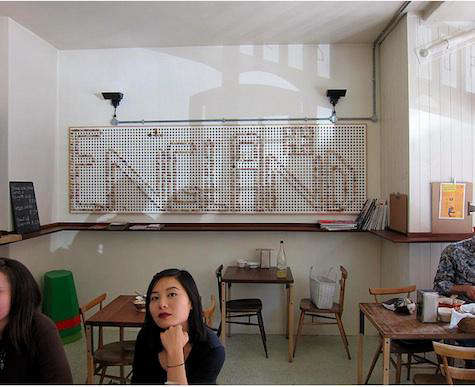
At Leila’s Shop on Calvert Avenue in Shoreditch, the wall is more than a quirky backdrop. It is a clever response to a real retail problem: sound. Small shops and cafes often have hard floors, glass windows, plaster walls, metal fittings, and busy conversations bouncing around like toddlers after birthday cake. A cork acoustic wall softens that energy. It absorbs some of the noise, adds texture, invites interaction, and gives the room a visual signature that feels handmade rather than manufactured.
This project, designed by Swedish-born designer Lars Frideen, used a perforated metal sheet capable of holding thousands of wine corks. The result is part acoustic panel, part community message board, part sustainable design lesson, and part proof that great interiors do not always begin with a glossy catalog. Sometimes they begin with leftovers from dinner.
Why a Wine Cork Acoustic Wall Works So Well
A wine cork acoustic wall is not just a cute craft project that got promoted to architecture. Cork has natural qualities that make it useful in interiors. It is lightweight, elastic, compressible, and filled with tiny air pockets. Those qualities help explain why cork has long been used for bottle stoppers, flooring, bulletin boards, insulation, and wall coverings.
In an acoustic setting, the goal is usually not to make a space silent. A silent cafe would be weird. You would hear every spoon judgmentally touching every saucer. The goal is to reduce echo, soften sharp sound reflections, and make conversation easier. Cork helps because its textured, uneven surface breaks up sound waves, while its cellular structure can absorb some energy rather than bouncing everything back into the room.
Sound Absorption vs. Soundproofing
Here is the friendly but important distinction: a cork wall can improve room acoustics, but it is not the same as full soundproofing. Soundproofing blocks sound from traveling between spaces. Sound absorption improves the sound quality inside a room by reducing reflections and reverberation. In a shop or cafe, that second goal is often the big win.
Leila’s Shop is the perfect type of environment for this kind of acoustic intervention. It is intimate, social, and full of hard-working surfaces. Produce displays, tables, floors, windows, and walls create atmosphere, but they also create bounce. The cork wall adds warmth and acoustic softness without making the space feel like a recording studio wearing beige socks.
The Design Story: Leila’s Shop Meets Lars Frideen
Leila’s Shop has always had a character-driven presence. It is known for seasonal produce, carefully sourced ingredients, honest displays, and a quietly confident approach to food. The shop does not feel like a supermarket. It feels like a place where vegetables have backstories and a quince might have better manners than most people at brunch.
That atmosphere matters because the cork wall fits the shop’s personality. A slick, generic acoustic panel would have solved one problem while creating another: visual blandness. Instead, the cork installation feels collected, tactile, and alive. The perforated metal support gives the project structure, while the corks bring irregularity and memory. Every cork looks slightly different. Some are stained from wine, some are pale, some are marked with names, logos, dates, or doodles. Together they create a surface that feels less like decoration and more like a conversation.
The best retail interiors often do two jobs at once. They function well, and they tell customers what kind of place they have entered. At Leila’s, the cork wall says: this is a shop that values resourcefulness, flavor, community, and small details. It also quietly says: yes, acoustics matter, because nobody wants to shout “two bunches of kale” like they are calling in an emergency.
What Makes Cork a Sustainable Interior Material?
Cork comes from the bark of the cork oak tree, and the tree does not need to be cut down for the bark to be harvested. That gives cork a strong sustainability story compared with many synthetic materials. It is renewable, recyclable, biodegradable, and durable when used correctly. In building and interior design, cork is often valued for thermal insulation, acoustic performance, comfort underfoot, and its naturally warm appearance.
Wine corks are especially interesting because they are already manufactured objects. Repurposing them into wall systems extends their life and reduces the demand for virgin decorative materials. A wine cork acoustic wall is therefore an example of upcycling: taking something that might otherwise become waste and giving it a higher-value second use.
Reuse With Personality
Many recycled design products hide their origins. They want to look polished, anonymous, and new. The Leila’s Shop cork wall does the opposite. It lets the recycled material remain recognizable. That honesty is part of the charm. Visitors can see the corks, understand the idea immediately, and maybe even imagine contributing one.
This is where the project becomes more than a wall treatment. It becomes a social object. A customer might remember a dinner, a bottle, a message, or a person connected with a particular cork. The wall collects fragments of daily life. In a food shop, that is especially fitting. Food culture is built from rituals: opening bottles, sharing meals, writing notes, returning to favorite places, and pretending you bought the fancy olive oil for “cooking” when everyone knows you will drizzle it on everything like liquid gold.
Walls, Windows & Floors: Why the Whole Room Matters
The title “Walls, Windows & Floors” is useful because acoustics never belong to just one surface. A room is a team sport. Walls reflect or absorb sound. Windows bounce sound sharply. Floors can amplify footsteps, chair movement, and general cafe clatter. Ceilings, furniture, textiles, shelves, and even people all contribute to how a space sounds.
In small shops, windows are wonderful for daylight and street presence, but glass is acoustically reflective. Hard floors are practical for cleaning, but they can make noise feel brighter. Open shelving displays goods beautifully, but it may not soften sound enough by itself. Adding a cork acoustic wall is a targeted way to balance the room without sacrificing the visual identity of the space.
Why Texture Helps
Flat, hard surfaces tend to reflect sound in a clean, direct way. Irregular surfaces scatter sound. Porous and fibrous materials absorb sound. A cork wall made from thousands of individual corks introduces variation in depth, edge, density, and surface angle. That visual texture is not just pretty; it helps reduce the sterile, pingy feeling that can happen in rooms dominated by glass, tile, concrete, or plaster.
For designers, this is a valuable lesson. Acoustic design does not have to look like a technical afterthought. It can be woven into the room’s character. Cork, felt, wood wool, textiles, curtains, upholstered benches, books, baskets, and even produce displays can help make a space feel more comfortable. The trick is choosing materials that support the brand story rather than fighting it.
How to Bring the Wine Cork Wall Idea Into Your Own Space
You do not need to own a London shop or have a designer on speed dial to learn from this project. A wine cork wall can inspire homes, restaurants, tasting rooms, studios, offices, and small retail spaces. The key is to treat it as a design system, not a random glue-gun marathon fueled by optimism and questionable cabernet.
1. Start With the Acoustic Problem
Before installing anything, listen to the room. Is conversation difficult? Do voices bounce? Are footsteps loud? Does music sound harsh? The more reflective surfaces you have, the more useful a softening material may be. A cork feature wall works especially well in dining nooks, wine rooms, small cafes, kitchen corners, creative studios, and retail counters where people gather and talk.
2. Choose a Strong Backing System
The Leila’s Shop example used perforated metal, which gives the installation structure and allows corks to be held in a controlled grid. For home projects, people often use plywood, frames, pegboard, or modular panels. The backing must be sturdy, safely mounted, and appropriate for the wall. If the project is large or commercial, consult a professional installer. Gravity is very committed to its job.
3. Use Real Cork When Possible
Natural cork has the sustainability and tactile qualities that make this idea special. Synthetic corks may not behave the same way, and they do not offer the same environmental story. If collecting corks, inspect them, clean them, and avoid anything moldy or damaged. For a polished look, sort corks by color, size, or branding. For a more organic look, mix them freely.
4. Think About Fire, Cleaning, and Codes
Commercial interiors must consider fire safety, hygiene, durability, and local building rules. A cork wall in a shop, cafe, or restaurant should be planned with appropriate clearance from heat sources, safe mounting hardware, and a cleaning strategy. Beautiful design is less charming when it violates code or sheds pieces onto someone’s lunch.
Design Lessons From Leila’s Cork Wall
The wine cork acoustic wall at Leila’s Shop shows how small design choices can carry big meaning. First, it solves a practical issue. Second, it uses a sustainable material. Third, it creates a memorable visual identity. Fourth, it invites customers to engage. That is a rare four-course meal in interior design.
For SEO-minded readers, architects, shop owners, and design lovers, this project also demonstrates why “authentic design” is more than a buzzword. Authenticity happens when materials, function, and place agree with one another. Cork belongs in a food-and-wine-adjacent environment. A community message surface belongs in a neighborhood shop. Acoustic comfort belongs in any room where humans are expected to speak without developing opera-level projection.
Why This Wall Still Feels Fresh
Design trends move quickly, but some ideas age well because they are rooted in common sense. Cork is warm. Reuse is responsible. Acoustic comfort is practical. Handmade texture is emotionally appealing. Put those ideas together, and the result remains relevant long after trend reports have moved on to the next fashionable material, probably mushroom leather wearing a tiny hat.
The Leila’s Shop cork wall feels fresh because it does not try too hard. It is not pretending to be luxury. It is not shouting about sustainability with a neon sign. It simply uses an everyday object intelligently. That confidence is hard to fake.
Conclusion: A Wall That Listens Back
The wine cork acoustic wall at Leila’s Shop in London is a beautiful reminder that interior design does not have to choose between function and feeling. It can reduce echo, support sustainability, celebrate community, and still look wonderfully human. In a world full of polished surfaces and copy-paste interiors, a wall made from thousands of corks feels refreshingly specific.
For shop owners, homeowners, designers, and restaurant operators, the lesson is simple: start with the real problem, then solve it with materials that add meaning. If the room is too loud, soften it. If the design feels flat, give it texture. If the space needs personality, let the materials tell a story. And if you happen to have 3,000 wine corks lying around, congratulationsyou are either ready for an acoustic wall or you host very enthusiastic dinner parties.
Practical Experience Notes: Living With a Wine Cork Acoustic Wall Idea
From a practical design perspective, the most interesting part of the Leila’s Shop cork wall is how approachable it feels. Many acoustic solutions look expensive, technical, or corporate. They arrive as panels with product codes, performance charts, and the emotional temperature of a printer manual. A cork wall feels different. It is tactile. People want to touch it, inspect it, and ask questions. That curiosity is valuable in any customer-facing space.
In real interiors, the first experience a cork wall improves is conversation. A room with hard windows, hard floors, and hard walls can make even gentle chatter feel sharp. Add coffee cups, chairs, music, street noise, and a busy lunch rush, and the room may become tiring without anyone knowing exactly why. A cork feature wall helps take the edge off. It does not erase sound; it makes sound feel less aggressive. That difference can change how long people want to stay.
The second experience is visual comfort. Cork has a color palette that sits somewhere between toast, walnut, sand, and well-earned wine stains. It warms up white walls, black metal, stone floors, and glass storefronts. In a produce shop like Leila’s, that warmth pairs naturally with baskets, fruit, vegetables, handwritten labels, and old display pieces. The wall does not compete with the goods. It behaves like a good dinner guest: interesting, useful, and not constantly trying to dominate the table.
The third experience is memory. A wall made from repeated small objects encourages people to look closely. One person notices a brand stamp. Another notices a message. Someone else remembers the sound of pulling a cork from a bottle at a birthday dinner. This emotional layer is hard to buy from a standard wallcovering. It comes from the material’s previous life.
For anyone considering a similar project, the experience of collecting corks can also become part of the story. Restaurants can ask regulars to contribute corks from special bottles. Wine shops can build panels from tasting events. Homeowners can save corks from holidays, anniversaries, and family meals. Over time, the wall becomes a quiet archive. It may not replace a photo album, but it has better texture.
Maintenance is part of the experience too. Cork is resilient, but a cork wall should be dusted and monitored. In food spaces, it should be positioned thoughtfully, away from splashes, grease, and direct heat. In homes, it works best where it will not be constantly bumped by chairs or soaked by sunlight. Like any natural material, cork rewards care.
The biggest lesson from Leila’s Shop is that design succeeds when it feels inevitable. The cork wall makes sense because the shop already values ingredients, locality, reuse, and atmosphere. It does not feel pasted on for attention. It feels discovered. That is the standard worth aiming for: not just “Can I make a cork wall?” but “Does this cork wall belong here?” When the answer is yes, the result can be practical, poetic, and just a little bit delicious.











