
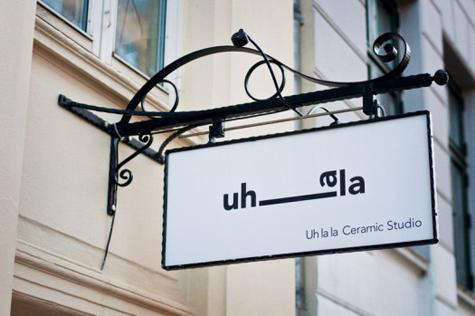
Some tableware is loud. It practically kicks open the dining-room door and yells, “Behold, I am expensive.” Uh La La Ceramics takes the opposite route. It slips onto the table with the kind of confidence that does not need jazz hands. Designed in Copenhagen by Julie Bonde Bülck, Uh La La Ceramics belongs to that rare category of objects that feel both beautifully restrained and faintly mischievous. They are minimal, yes, but never boring. Calm, but not sleepy. Elegant, but not the kind of elegant that makes dinner guests nervous about using the good spoon.
That balance is exactly why Uh La La Ceramics continues to fascinate design lovers, stylists, and anyone who has ever stared at a handmade bowl and thought, “Well, now my cereal has a better apartment than I do.” These pieces sit at the sweet spot where Copenhagen design culture, functional Scandinavian living, and sculptural ceramic craftsmanship overlap. The result is tabletop design that feels intimate, tactile, and quietly luxurious.
In a design world crowded with flashy launches and trend-chasing gimmicks, Uh La La Ceramics stands out by doing something radical: making everyday objects feel more meaningful. A bowl is still a bowl. A lidded vessel is still a vessel. But in the hands of the right ceramic artist, those familiar forms become little pieces of atmosphere. They change how a table feels, how food looks, and even how a dinner unfolds.
Why Uh La La Ceramics Still Feels Fresh
At the heart of the brand is Julie Bonde Bülck, a Danish ceramic artist and designer whose background gives Uh La La Ceramics both credibility and character. Her path through ceramic study in Copenhagen and later work with Royal Copenhagen placed her inside one of Denmark’s most respected traditions of porcelain and tabletop design. But instead of staying safely inside heritage, she built something more personal: a studio practice focused on enriching everyday life through design.
That phrase can sound suspiciously like the kind of thing printed on an expensive candle box, but here it actually fits. Uh La La Ceramics is not about producing museum pieces that live on a shelf and collect admiration from a safe distance. It is about use. The plates, bowls, and lidded forms are made to participate in real life: meals, coffee rituals, late-night snacks, flowers on the counter, jewelry on a dresser, and those little daily moments when design gets to stop posing and start helping.
What makes the collection memorable is its ability to blend sensual form with practical purpose. Many of the brand’s best-known pieces feature smooth curves, rounded silhouettes, and glossy finishes that feel almost futuristic. Some of the spherical lidded vessels have a snap-on neatness that makes them look part bonbonniere, part tiny design spaceship. It is Scandinavian restraint with a wink. Minimalism, but with pulse.
The Copenhagen Connection: More Than a Pretty Postal Code
Copenhagen is not just a fashionable backdrop in this story. It is part of the design DNA. The city has long shaped global ideas about modern living, especially when it comes to interiors, dining, and domestic objects. Scandinavian design is often defined by clean lines, natural materials, neutral palettes, and a less-is-more mindset, but the best Copenhagen work adds something else: warmth. It understands that a home should not feel like a spreadsheet in beige. It should feel functional, bright, tactile, and human.
That is where Uh La La Ceramics fits so naturally. The work reflects classic Scandinavian values such as craftsmanship, utility, and visual calm, yet it also feels tuned to the city’s creative energy. Copenhagen’s design scene has always excelled at turning everyday tools into small aesthetic pleasures. Kitchenware, lighting, storage, textiles, and table settings are not treated as afterthoughts. They are part of a lifestyle built around thoughtful use, hospitality, and visual ease.
You can see that same philosophy across broader coverage of Copenhagen design and tabletop trends. The city’s food scene has helped push a more relaxed, tactile, and ingredient-centered presentation style, where dishes do not need to be stiffly formal to feel elevated. That cultural shift has made handmade ceramics especially compelling. Instead of rigid, flawless uniformity, there is growing appreciation for pieces that show character: a softened edge, a slight variation in glaze, or a curve that makes the hand pause for half a second in appreciation.
What Uh La La Ceramics Looks Like on the Table
Soft geometry instead of sharp performance
The first thing many people notice about Uh La La Ceramics is the shape language. These pieces often lean into rounded forms and smooth profiles, which gives them a softness even when the silhouette is sculptural. On a table, that matters. Sharp-edged tableware can look sleek in a catalog, but in real life it can feel severe. Uh La La takes a gentler approach. The pieces invite touch. They ask to be picked up, stacked, opened, moved, and lived with.
That physical softness is one reason the collection works so well in modern interiors. It offsets the straight lines of dining tables, shelving, and architecture. Put a rounded porcelain vessel on a linear oak table, and suddenly the whole setting relaxes. It is the design equivalent of loosening your shoulders after a long day.
Quiet colors with real emotional range
Uh La La Ceramics also speaks fluently in the Scandinavian language of subtle color. Think whites, earthy browns, muted neutrals, and glazes that feel grounded rather than shouty. This does not mean the table ends up looking plain. Quite the opposite. When the palette is restrained, texture and form do more work. The eye notices the curve of a rim, the sheen of porcelain, the contrast between matte linen and glossy ceramic, and the way light hits a rounded lid at dinner.
That is the trick behind many memorable Copenhagen-inspired tablescapes: they do not depend on visual chaos. They create depth through material contrast, layering, and proportion. A pale ceramic bowl beside smoked glass, raw linen, beeswax candles, and walnut serving tools can feel richer than a table loaded with patterned everything. Sometimes less is more. Sometimes less is just less. Uh La La Ceramics succeeds because it understands the difference.
Why Handmade Ceramics Matter Right Now
The renewed appetite for handmade ceramics is not a passing crush. It reflects a broader design shift away from sterile perfection and toward objects with presence. Food writers, designers, and home editors have all pointed to the appeal of ceramic dinnerware that feels crafted rather than mass-issued. The attraction is partly visual, but it is also emotional. Handmade pieces tend to slow people down. They make the act of setting a table feel intentional instead of automatic.
There is also a practical side to this movement. A collected tabletop tends to age better than a rigidly matched one. Mix-and-match ceramics, especially when they share a related palette or mood, can feel more personal and more adaptable over time. One day they support a simple weekday lunch. The next, they handle a candlelit dinner with friends and somehow look as though they were born for the occasion.
Uh La La Ceramics belongs squarely in that conversation. These are pieces for people who want tabletop objects with soul, but not in an overly rustic or overly precious way. They feel crafted, yet refined. Distinctive, yet versatile. They can sit beside heirloom flatware, modern glassware, or a plain loaf of bread and still make the whole table feel edited in the best sense of the word.
How to Style Uh La La Ceramics at Home
Start with a calm foundation
If you want to bring the Uh La La Ceramics look into your own dining setup, start with a restrained base. A simple linen tablecloth or runner, neutral napkins, plain glassware, and warm wood instantly create the kind of backdrop where handmade ceramics can shine. Scandinavian styling often works because it avoids competing signals. It lets one or two strong materials lead.
Do not overdecorate the center of the table. A few candles, a low branch, or a modest arrangement is usually enough. This is not the place for a floral centerpiece the size of a small horse. Uh La La Ceramics looks best when the table can breathe.
Use one sculptural moment
The easiest way to make a table feel special is to include one piece with sculptural authority. That might be a rounded serving bowl, a lidded vessel, or a statement plate placed where the eye naturally lands. Let that object do the flirting. Everything else can stay relatively quiet. Good tabletop styling is a lot like good party hosting: one charming guest can carry the room, but twelve of them at once is chaos.
Mix, do not clone
A modern table rarely needs everything to match perfectly. In fact, a slightly collected look often feels more sophisticated. Pair handmade ceramics with classic white plates, understated cutlery, or even a few vintage pieces. The goal is not to build a showroom. The goal is to create a table that feels lived-in, layered, and believable.
This is especially true if you love bowls. Contemporary dining has embraced the bowl as a kind of all-purpose hero, and for good reason. Bowls handle pasta, grain dishes, soups, salads, and casual shared meals with a generosity that flat plates often cannot. When handmade bowls are part of the mix, the whole meal can feel more relaxed and more welcoming.
Who Falls for Uh La La Ceramics?
Almost anyone with eyes and a weakness for beautiful objects, frankly. But more specifically, Uh La La Ceramics appeals to a few distinct camps.
First, there are design minimalists who want warmth without clutter. They love clean lines, but they do not want their homes to feel like an airport lounge. For them, Uh La La offers softness, tactility, and form without visual noise.
Second, there are collectors of handmade goods who appreciate the subtle differences that make each piece feel alive. They notice maker’s marks, glaze depth, and the quiet pleasure of owning something that does not look machine-decided.
Third, there are hosts. Good hosts understand that a table sets the emotional tone before anyone even takes a bite. Uh La La Ceramics helps create a mood that is thoughtful but not uptight, elegant but still inviting. It says, “I care,” not, “Please do not breathe near the napkins.”
How These Pieces Fit Into a Modern Lifestyle
One of the smartest things about Uh La La Ceramics is that the work does not depend on a single trend cycle. It works with the growing interest in artisanal design, natural materials, and curated table settings, but it is not trapped by them. The forms are clean enough to stay relevant. The craftsmanship is human enough to stay interesting. And the Copenhagen sensibility behind it gives the brand a deeper foundation than whatever social media decides to obsess over this season.
That timelessness matters because great tabletop design is rarely about constant replacement. It is about adding pieces slowly, finding combinations you love, and building a home language around them. A good ceramic object does more than serve food. It teaches your eye what you value. Maybe that is quiet beauty. Maybe it is craftsmanship. Maybe it is the thrill of lifting a lid from a porcelain vessel that somehow makes almonds look like they belong in a gallery.
Either way, Uh La La Ceramics proves that tabletop design can be intimate, artistic, and useful all at once. That is no small achievement in a world where many objects manage to be only one of those things, and sometimes not even that.
Experiencing Uh La La Ceramics: A Table You Actually Want to Sit At
Imagine walking into a dining room on a cold evening, the kind where the windows lightly fog and the outside world looks as though it has been edited down to gray-blue watercolor. The table is set, but not fussy. No giant centerpiece is blocking eye contact. No ten-layer formal place setting is silently threatening you with etiquette failure. Instead, there is linen with a little texture, candlelight that glows rather than performs, and a group of ceramic pieces that feel calm, rounded, and quietly self-assured.
That is where Uh La La Ceramics really makes sense. Not in a sterile product shot, but in a real atmosphere. A bowl with a soft curve holds roasted carrots with yogurt and herbs. A porcelain plate gives a slice of tart enough room to look composed without feeling lonely. A rounded lidded vessel sits off to one side holding flaky salt, chocolate truffles, or maybe earrings if the meal is over and someone has kicked off the formal version of the evening. The objects do not just serve a function. They shape the tempo.
What you notice first is touch. Handmade ceramics change behavior because people naturally interact with them differently. They lift the bowl with both hands. They run a thumb along the rim. They ask where the pieces came from. That question is a small victory in itself. Good objects create conversation without begging for it.
There is also something deeply reassuring about the slight individuality of ceramic work. Even when the forms are refined, they do not feel anonymous. They remind you that a person made decisions here: how round the silhouette should be, how the glaze should catch light, how the lid should meet the base, how substantial the object should feel when lifted from the table. In a home full of factory sameness, that kind of attention lands with real force.
The experience also changes food. Not in a magical, “this bowl improved my pasta’s emotional intelligence” kind of way, but in a visual and sensory one. Meals look more considered against ceramics with depth and texture. A simple soup seems richer. Bread looks more generous. Fruit looks intentional instead of abandoned. Even leftovers, those noble survivors of yesterday’s ambition, gain a little dignity.
And maybe that is the best way to understand Uh La La Ceramics. It is not only about style. It is about dignity for the everyday. It is about making daily rituals feel designed without making them feel staged. Morning coffee becomes less automatic. Setting out olives for friends becomes a little moment of composition. Clearing the table feels less like shutting down the evening and more like closing a scene properly.
This is why Copenhagen tabletop culture has such pull. It understands that beauty works best when it lives close to use. The plate should be beautiful because it is used, not despite it. The serving bowl should feel sculptural because hands will reach toward it. The table should look inviting because people are meant to linger there. Uh La La Ceramics captures that spirit beautifully. It does not ask you to admire life from a distance. It asks you to sit down, pour a drink, pass the bread, and enjoy the fact that even ordinary objects can make ordinary evenings feel a little more artful.
Final Thoughts
Uh La La Ceramics from Copenhagen is a reminder that tabletop design does not need to be loud to be unforgettable. Through sculptural porcelain forms, subtle color, and a deeply Scandinavian understanding of beauty meeting function, the brand turns humble domestic objects into atmosphere-builders. It fits the current appetite for handmade ceramics, collected tablescapes, and warm minimalism, but it also rises above trend because it is grounded in craft and clarity.
If you love a table that feels considered rather than overstyled, artistic rather than chaotic, and personal rather than mass-produced, Uh La La Ceramics is exactly the kind of design story worth following. It proves that sometimes the most memorable thing on the table is not the centerpiece or the menu. Sometimes it is the bowl quietly holding the whole mood together.











