
Note: Toast Kitchen + Bar in Oakland’s Rockridge neighborhood is currently listed as permanently closed, so this article is written as a restaurant-visit feature and dining-history piece, not as a current opening-hours guide.
Some restaurants are remembered not because they shouted the loudest, stacked their burgers the highest, or covered everything in gold leaf for the Instagram crowd, but because they understood something more useful: people like to feel comfortable while eating well. That was the quiet charm of Toast in Oakland, officially known for a time as Toast Kitchen + Bar, a Rockridge restaurant and wine-focused neighborhood spot once located at 5900 College Avenue.
For diners exploring Oakland’s food scene, Toast belonged to a familiar but beloved category: the relaxed California restaurant where a glass of wine, a small plate, a smart entrée, and a little neighborhood energy could turn an ordinary evening into something worth remembering. It was not a white-tablecloth temple where you whispered to your fork. It was more like the friend who knows which bottle to order, which dish to share, and when to stop pretending that one dessert is enough for the table.
Toast started as Toast Wine Lounge, a Rockridge wine bar and small-plates restaurant that opened in 2011. In 2013, it expanded, changed its name to Toast Kitchen + Bar, more than doubled its size, and added a full kitchen. That shift mattered. It moved Toast from “let’s grab wine and snacks” territory into the fuller world of dinner, brunch, cocktails, and neighborhood gathering. For Oakland diners, especially those wandering College Avenue, it became part of the larger Rockridge rhythm: walkable streets, independent shops, nearby BART access, and restaurants that feel both local and polished.
Toast in Oakland: A Rockridge Restaurant With Neighborhood Soul
Rockridge has long had the bones of a great dining neighborhood. College Avenue runs like a culinary spine through the area, connecting cafés, markets, boutiques, bookstores, wine bars, and restaurants that serve everything from casual breakfast to special-occasion dinner. Toast fit naturally into that environment. It was not trying to reinvent Oakland dining with smoke machines and edible origami. Instead, it leaned into what Rockridge does best: approachable food, lively rooms, thoughtful drinks, and enough charm to make a weeknight feel less like a calendar obligation.
The location at 5900 College Avenue placed Toast in one of Oakland’s most walkable districts. Rockridge is the kind of neighborhood where a meal can easily become an afternoon or evening plan. You can browse shops, meet a friend for a drink, linger over dinner, and then convince yourself that walking three blocks absolutely counts as cardio. For SEO purposes, phrases like “Toast in Oakland,” “Rockridge Oakland restaurant,” “College Avenue dining,” and “Oakland wine bar” all make sense because Toast was deeply connected to its setting.
The Atmosphere: Polished, Casual, and Not Too Precious
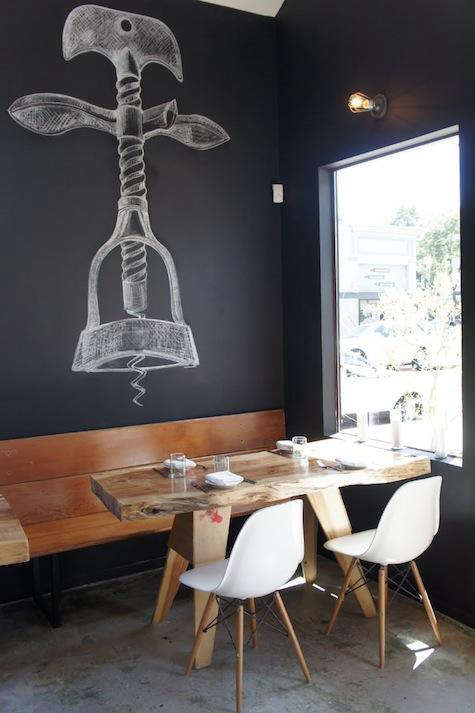
A memorable restaurant visit depends on mood as much as menu. Toast’s appeal came from its balance. It had the wine-bar confidence of a place that cared about what went into the glass, but it also had the friendly ease of a neighborhood kitchen. The style was modern without feeling cold, upscale without making diners wonder whether they had worn the wrong shoes.
That balance is important in Oakland. The city’s best restaurants often succeed because they do not treat hospitality like theater; they treat it like a welcome. Toast’s room, patio energy, and bar program gave guests options. A date could feel intimate. A casual brunch could feel easy. A group dinner could lean festive without tipping into “why is everyone yelling over the appetizers?” territory.
For many visitors, the restaurant’s wine-bar origins gave it a special identity. Wine bars can sometimes feel like libraries where the books are bottles and everyone is afraid to mispronounce “Gewürztraminer.” Toast seemed to soften that experience. It offered wine as pleasure rather than homework. That approach made it useful for diners who wanted a good pairing but did not want a quiz.
Food at Toast Kitchen + Bar: Small Plates, Brunch Favorites, and Comfort With Style
Toast’s evolution into Toast Kitchen + Bar brought a broader menu and a stronger food identity. After the expansion, the restaurant added a full kitchen and more substantial plates. Reports from the period point to dishes such as fried green beans, pork meatballs, yellowtail tartare, grilled flat-iron steak, salmon, roasted chicken breast, and other bistro-style offerings. The move gave the restaurant more range: guests could stop in for drinks and bites or settle in for a complete dinner.
That variety is exactly what makes a neighborhood restaurant useful. A dining room does not survive on one mood alone. Some nights, people want a salad and a glass of white wine. Some nights, they want steak and a cocktail with the emotional support of fries. Some mornings, they want brunch that arrives with potatoes, eggs, and the promise that life is still manageable.
Brunch also appears to have been part of Toast’s appeal. Diners mentioned items such as egg sandwiches, frittatas, breakfast potatoes, salads, and a dog-friendly patio atmosphere. A good Oakland brunch spot must meet several requirements: it should be relaxed, flavorful, not aggressively formal, and ideally tolerant of people who say “I’m just having coffee” before ordering half the menu. Toast seemed to understand that assignment.
Wine, Cocktails, and the Joy of a Flexible Bar
Because Toast began as a wine lounge, drinks were central to the experience. A restaurant with a strong wine program does more than fill glasses; it shapes the meal. The right wine can make meatballs feel more elegant, fish taste brighter, and a simple plate of vegetables suddenly act like it has a passport.
Toast was also known for having a bar that went beyond wine. Guest impressions often described cocktails and a solid selection of spirits. That mattered because not every table agrees on one drinking style. One person wants Pinot. One wants a Manhattan. One wants sparkling water and moral superiority. A flexible bar keeps everyone happy.
How Toast Compared With the Oakland Dining Scene
To understand Toast, it helps to understand Oakland’s restaurant culture. Oakland is not a supporting character in the Bay Area food story. It has its own voice: diverse, creative, ingredient-driven, community-focused, and sometimes delightfully unpredictable. The city includes Michelin-recognized restaurants, beloved neighborhood institutions, destination wine bars, vegan landmarks, soul food innovators, Filipino kitchens, Korean tofu specialists, Mexican restaurants, Italian pasta counters, and casual spots that quietly outperform trendier rooms across the bridge.
Rockridge, in particular, has built a reputation for restaurants that reward repeat visits. Nearby dining names such as Wood Tavern, ACRE Kitchen & Bar, À Côté, Belotti Ristorante e Bottega, and other College Avenue favorites show how the neighborhood blends comfort with quality. Toast sat comfortably in that ecosystem. It was not necessarily the most famous name in Oakland dining, but it represented a familiar local ideal: good food, good drinks, and a room where people actually wanted to stay.
In that sense, Toast was part of a larger Oakland story. The city’s dining scene has always had room for both ambitious destinations and easygoing neighborhood favorites. A restaurant does not need a tasting menu, a tweezers budget, or a documentary voiceover to matter. Sometimes it matters because it gives people a dependable place to gather.
What Made a Visit to Toast Memorable?
A restaurant visit becomes memorable when several small things line up. The host makes you feel expected, even if you are not. The menu has enough choices to create debate but not so many that you need a spreadsheet. The first drink arrives quickly. The food feels considered. The table relaxes. Conversation gets better. Someone says, “We should come here more often,” which is one of the highest compliments a neighborhood restaurant can receive.
Toast’s strongest appeal appears to have been that kind of complete but unfussy experience. It had the structure of a wine bar, the flexibility of a kitchen and bar, and the ease of a Rockridge gathering spot. It could work for couples, friends, brunch groups, and casual dinners. That flexibility is harder to achieve than it sounds. Many restaurants are excellent at one thing and awkward at everything else. Toast seemed designed for real-life dining, where plans change, appetites vary, and someone always wants “just one small thing” before eating three shared plates.
A Good Restaurant Visit Is Also About Timing
Restaurants are living businesses. They change, expand, close, reopen, rebrand, and sometimes become memories attached to an address. Toast’s story includes that reality. It began as Toast Wine Lounge, expanded into Toast Kitchen + Bar, and is now listed as permanently closed. For readers planning a current trip, that means Toast should be understood as part of Oakland restaurant history rather than a present-day reservation option.
Still, writing about a closed restaurant is not pointless. Restaurants help define neighborhoods while they operate. They shape date nights, birthday dinners, casual brunches, and after-work drinks. Even after they close, they remain part of the local dining memory. Toast’s history says something about Rockridge’s appetite for relaxed, wine-friendly, quality-driven neighborhood restaurants.
Planning a Toast-Inspired Oakland Restaurant Visit Today
Although Toast itself is no longer the place to book, the style of visit it represented is very much alive in Oakland. A Toast-inspired dining plan would begin in Rockridge or a nearby neighborhood, ideally with time to walk before dinner. Start with the idea of a low-pressure evening. Choose a restaurant with a strong drinks list, shareable starters, seasonal cooking, and enough warmth to make the meal feel personal.
If you are drawn to the wine-bar side of Toast, Oakland has continued to grow in that direction. Natural wine bars, small-plates restaurants, and ingredient-focused kitchens have become more visible across the city. If you are drawn to the brunch side, Rockridge and nearby districts offer plenty of patios, cafés, bakeries, and all-day restaurants where breakfast potatoes still perform their sacred duty.
The key is to think like a local, not like a checklist tourist. Oakland rewards curiosity. Look beyond the most obvious names. Explore College Avenue, Temescal, Piedmont Avenue, Grand Lake, Uptown, Old Oakland, and Jack London Square. Each area has its own dining personality. Some are cozy and residential, some are lively and urban, some are ideal for cocktails, and some are best approached with stretchy pants and optimism.
Why Toast Still Works as a Search Topic
From an SEO perspective, “Restaurant Visit: Toast in Oakland” is a valuable topic because it captures several kinds of search intent. Some readers may be looking for old information about Toast Kitchen + Bar. Others may be researching the Rockridge dining scene. Some may want restaurant-review style content, while others may be exploring Oakland food history. A strong article should meet all of those needs without pretending that Toast is currently open.
The most useful keywords include “Toast in Oakland,” “Toast Kitchen + Bar,” “Rockridge Oakland restaurant,” “College Avenue restaurant,” “Oakland wine bar,” “Oakland restaurant visit,” and “Oakland dining guide.” Related terms such as “small plates,” “brunch in Oakland,” “California cuisine,” “neighborhood restaurant,” and “wine lounge” can appear naturally throughout the article. The goal is not to stuff the page like a Thanksgiving turkey. The goal is to help search engines and human readers understand the topic clearly.
Extra Experience Section: A Longer Restaurant Visit Reflection
A Toast-style restaurant visit in Oakland begins before the first bite. It begins with the walk. Rockridge is one of those neighborhoods where arriving early is not a mistake; it is a strategy. You step onto College Avenue, pass storefronts and cafés, catch the smell of coffee, bread, or something sizzling from a nearby kitchen, and immediately remember that neighborhoods with good sidewalks make better dinner companions. The street has a relaxed confidence. It does not need to beg for attention. It simply offers enough to keep you wandering.
Imagine arriving for an early evening meal at Toast during its active years. The room has that pre-dinner hum: glassware being polished, a couple at the bar studying the wine list, servers moving with purpose, and a few tables already settled into conversation. The best restaurant rooms have a sound that is not noise exactly, but evidence. Evidence that people are unwinding. Evidence that the kitchen is awake. Evidence that somebody nearby is about to order something you will regret not ordering yourself.
The first decision would likely be drinks. At a place with wine-bar roots, ordering wine feels natural, but not mandatory. You might begin with a crisp white, a lighter red, or a cocktail if the day has been dramatic enough to require stronger punctuation. The beauty of this kind of restaurant is that it allows the meal to unfold rather than forcing it into a rigid format. You can begin with a small plate, add another, split an entrée, or accidentally create a feast while repeatedly saying, “Let’s keep it light.” Famous last words, especially when fried green beans or meatballs enter the conversation.
The food experience at a restaurant like Toast works best when shared. Shared plates make dinner feel more social, and they also provide legal cover for indecision. Nobody has to commit fully. Everyone gets a taste. A table might start with something bright and crisp, move into a savory dish with a little richness, and then settle into a heartier plate like steak, salmon, chicken, or a braised special. The rhythm matters. A good meal should not feel like a traffic jam of plates. It should feel like a playlist, with each dish arriving at the right moment.
Service is another part of the memory. In a neighborhood restaurant, the best service is present but not theatrical. You want someone who can explain the menu without delivering a TED Talk on lettuce. You want wine guidance that feels helpful, not like a final exam. You want a server who knows when to check in and when to let the table enjoy the rare luxury of uninterrupted conversation. Toast’s appeal, based on its reputation, lived in that middle zone of polished ease.
Brunch would have offered a different kind of experience. Oakland brunch is practically a civic ritual, and a Rockridge brunch with a patio has its own gravitational pull. A dog-friendly setting, breakfast potatoes, eggs, salads, sandwiches, and coffee can turn a weekend morning into a small vacation. The best brunches are not just about food; they are about permission. Permission to linger. Permission to order something with both eggs and sauce. Permission to call potatoes a side dish when everyone knows they are the main emotional event.
What lingers most about a place like Toast is not one perfect bite but the overall feeling. It represented a type of Oakland dining that remains deeply appealing: generous but not flashy, stylish but not stiff, local without being sleepy. It gave people a place to meet, talk, taste, and return. For visitors, it offered a window into Rockridge’s neighborhood charm. For locals, it was part of the everyday map of where to go when cooking at home sounded noble in theory but absolutely impossible in practice.
That is why Toast in Oakland remains worth writing about. Even though the restaurant is no longer open, the memory of the visit still tells us something useful about dining well. Great restaurant experiences are not only about what is on the plate. They are about place, timing, company, service, mood, and the tiny decisions that turn dinner into a story. Toast may have closed its doors, but its best idea still feels current: give people good food, a thoughtful drink, and a comfortable room, and they will remember the evening long after the check is paid.
Conclusion
Toast in Oakland was more than a simple restaurant listing on College Avenue. It was part of Rockridge’s larger dining identity: walkable, relaxed, wine-friendly, and rooted in neighborhood hospitality. From its beginnings as Toast Wine Lounge to its expansion into Toast Kitchen + Bar, the restaurant reflected the kind of Oakland experience diners continue to lovegood drinks, flexible food, casual polish, and a setting that made conversation easy.
For readers searching for current details, the most important fact is that Toast Kitchen + Bar is now listed as permanently closed. But as a restaurant-visit story, it still offers value. It captures a moment in Oakland dining history and reminds us why neighborhood restaurants matter. They are where people celebrate small victories, survive long workweeks, discover new wines, share plates, and occasionally pretend they are too full for dessert before ordering it anyway.











