
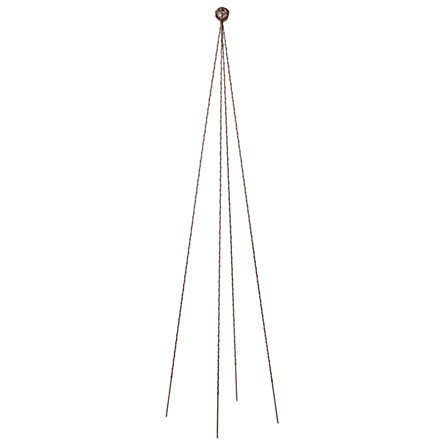
A garden can be perfectly healthy and still look like it woke up late, skipped coffee, and forgot its shoes. That is where a Pom Pom Spreading Obelisk earns its keep. It is not just a pretty garden accessory with a charming name. It is a compact, adjustable vertical plant support designed to give climbing plants a place to rise, curl, lean, twine, and show off like they have been waiting all season for their stage cue.
At its simplest, the Pom Pom Spreading Obelisk is a steel-wire garden structure that can spread open to accommodate climbing plants and fit into small spaces, containers, corners, patios, and flower beds. Unlike a heavy arbor or a permanent trellis bolted to a wall, this type of garden obelisk is movable, decorative, and surprisingly practical. It gives plants height without demanding a construction permit, a truckload of lumber, or a weekend of questioning your life choices in the hardware aisle.
For gardeners working with balconies, raised beds, cottage gardens, or narrow side yards, vertical structure is the secret ingredient. A garden obelisk trellis pulls the eye upward, saves ground space, improves plant display, and helps many vining plants grow in a cleaner, more manageable way. Whether you grow sweet peas, clematis, pole beans, cucumbers, nasturtiums, mandevilla, or a small climbing rose, a spreading obelisk can turn a flat planting into a layered, lively, and more polished design.
What Is a Pom Pom Spreading Obelisk?
The Pom Pom Spreading Obelisk is best understood as a decorative plant support with flexible usefulness. It belongs to the broader family of garden obelisks, tuteurs, trellises, and vertical supports. The original product description identifies it as a steel-wire structure with a lacquer finish, designed to spread easily and adjust up to about 48 inches high. That height makes it especially useful for smaller gardens and containers where a seven-foot tower would feel less like garden design and more like a radio antenna.
The word “obelisk” usually suggests a tall, tapering shape, but in garden language, it often refers to freestanding vertical supports that help plants climb while adding architectural interest. A spreading obelisk differs from rigid towers because it can be opened, narrowed, or reshaped to fit the plant and the space. That flexibility is the magic. You can tuck it into a corner pot for sweet peas in spring, move it to a raised bed for beans in summer, or use it as a quiet sculptural accent in winter when the garden has gone mostly bare.
Why the “Pom Pom” Name Matters
The name gives the piece personality. “Pom Pom” suggests something rounded, playful, and decorative rather than purely utilitarian. That matters because garden supports are not invisible. They are part of the look of the garden, especially early in the season before vines have filled in. A plain stake may do the job, but an attractive obelisk adds charm from day one. It gives the garden a sense of intention, even when your seedlings are still tiny green question marks.
Why Gardeners Use Obelisks and Vertical Plant Supports
Vertical gardening is one of the oldest tricks in the gardener’s notebook, and it still works beautifully. When plants grow upward, they use less ground space, receive better visibility, and often become easier to manage. For vegetables such as peas, beans, cucumbers, and small squash, trellising can help keep fruit cleaner and easier to harvest. For ornamental vines, an obelisk creates instant height and a focal point without waiting five years for shrubs to mature.
A climbing plant support also helps organize enthusiastic growers. Vines are wonderful, but without direction they can sprawl, tangle, hide neighboring plants, and generally behave like they own the place. A spreading obelisk politely says, “Up you go,” and many vines are happy to comply.
Space Saving for Small Gardens
In a small yard or patio garden, every square foot has to work hard. A Pom Pom Spreading Obelisk allows gardeners to use airspace, not just soil space. Instead of letting a cucumber vine wander across a raised bed, you can train it upward. Instead of letting sweet peas flop forward over the path, you can give them a graceful frame. This makes the garden easier to walk through, easier to water, and easier to enjoy without stepping on a plant and apologizing to it afterward.
Better Garden Design
Good gardens have layers. They include low ground covers, medium perennials, shrubs, trees, and vertical accents. Obelisks help fill the middle-to-tall layer, especially in young gardens where shrubs and trees have not yet reached their full size. A steel garden obelisk can also act as a repeating design element. Place one near the entrance, another in a container by the patio, and a third in a flower bed, and suddenly the whole garden feels more connected.
Best Plants to Grow on a Pom Pom Spreading Obelisk
The best plants for a Pom Pom Spreading Obelisk are lightweight to moderately vigorous climbers. Because this style is generally around four feet tall, it is not the right support for monster vines that want to conquer a garage by August. Think charming climbers, compact vegetables, annual vines, and manageable perennials.
Sweet Peas
Sweet peas are a classic match for an obelisk. Their delicate tendrils grab onto thin supports, and their fragrant flowers bring old-fashioned cottage garden energy. In cooler climates, they are often planted in early spring. In warmer regions, gardeners may grow them in fall or winter depending on local conditions. Give them sun, regular water, and a support they can find quickly.
Clematis
Clematis is one of the most beloved flowering vines for vertical structures. Many varieties climb by twisting leaf petioles around slim supports, so a wire obelisk can work well. Compact clematis varieties are especially suitable for containers and smaller obelisks. The old garden advice still helps: let the top enjoy sun while keeping the root zone cool with mulch or companion planting.
Pole Beans and Scarlet Runner Beans
Pole beans bring edible drama. Scarlet runner beans add bright flowers that attract pollinators, while classic pole beans offer a long harvest season. A short spreading obelisk works best for compact or moderately vigorous varieties. If a bean variety wants a six- or seven-foot support, choose a taller structure or be prepared for the vine to wave around at the top like it is hailing a taxi.
Cucumbers
Small cucumber varieties can be trained on trellises, especially in raised beds and compact gardens. Trellising helps save space and can keep fruit cleaner. For a 48-inch obelisk, choose compact or patio-friendly cucumbers, and check the vines often so the fruit does not wedge awkwardly in the wire. Garden vegetables are productive, but they are not always graceful.
Nasturtiums
Trailing nasturtiums are wonderful for a relaxed, slightly wild look. They may not climb as formally as peas or beans, but they can be guided through the structure to create a cascade of round leaves and cheerful flowers. They are also useful in edible gardens, where their flowers and leaves are often used as peppery garnishes.
Mandevilla and Other Tender Vines
In warm climates or summer containers, mandevilla can make a Pom Pom Spreading Obelisk look lush and tropical. It appreciates sun, warmth, and consistent moisture. In colder climates, it is usually treated as an annual or overwintered indoors if conditions allow.
Where to Place a Pom Pom Spreading Obelisk
Placement determines whether your obelisk looks intentional or like it was dropped into the garden by a confused delivery driver. Start by choosing the plant, then match the structure to the plant’s mature size, sun needs, and water requirements.
In Containers
A spreading obelisk is excellent in large containers. Use a pot that is wide and heavy enough to balance the height of the support. Lightweight plastic pots can tip in strong wind once vines have grown thick. A container at least 14 to 18 inches wide is a good starting point for many annual vines, though bigger is better for thirsty plants. Add quality potting mix, not garden soil, and make sure drainage holes are open.
In Raised Beds
Raised beds benefit from vertical supports because they often have limited surface area. Place the obelisk before planting if possible. Installing supports early avoids disturbing roots later. Position it where taller plants will not shade sun-loving crops unless shade is part of your plan.
In Flower Borders
In a mixed border, an obelisk adds instant height. Place it among perennials that will soften the base, such as catmint, geranium, alyssum, or low herbs. This hides the “feet” of the structure and makes the whole design feel planted rather than parked.
Near Entryways and Paths
A Pom Pom Spreading Obelisk can frame an entry, mark the end of a path, or create a small focal point beside steps. Avoid placing thorny climbers where people brush past. Roses are romantic until they grab your sleeve like they have unfinished business.
How to Install and Use the Obelisk Correctly
Even a decorative obelisk needs practical installation. Push the legs or base firmly into the soil. If the structure feels wobbly, anchor it with garden staples, discreet stakes, or wire tied to a heavier support. The goal is stability before the plant becomes heavy with leaves, flowers, fruit, or rainwater.
Step 1: Open It to the Right Width
Because the obelisk spreads, adjust it to fit the container or garden area. Wider placement gives better stability but takes up more room. Narrower placement works in small pots but may require anchoring. Before planting, step back and look at the shape from several angles.
Step 2: Plant Around the Base
Plant seedlings or seeds near the base, not far away. Vines need to find the support quickly. For peas, beans, and sweet peas, plant around the outside. For a single clematis or mandevilla, plant slightly off center and guide stems gently toward the wire.
Step 3: Train Gently and Often
Training is easier when vines are young. Check every few days during active growth. Weave flexible stems through openings, clip them loosely with soft plant ties, or redirect them by hand. Never cinch stems tightly. Plants grow thicker, and tight ties can damage them.
Step 4: Prune When Needed
Light pruning keeps the display tidy. Remove dead, damaged, or wayward stems. For flowering vines such as clematis, learn the correct pruning group before making big cuts. For annual vines, occasional redirection is often enough.
Design Ideas for a Pom Pom Spreading Obelisk
The best garden supports do two jobs: they help plants grow and make the garden prettier. The Pom Pom Spreading Obelisk works especially well in designs that need a touch of height without visual heaviness.
Cottage Garden Container
Fill a large container with sweet peas climbing the obelisk, then plant violas, alyssum, or trailing lobelia around the edge. The result is soft, fragrant, and charming. It looks like the pot belongs outside a storybook bakery that sells excellent scones.
Edible Patio Pot
Grow compact pole beans or small cucumbers up the obelisk with basil, lettuce, or nasturtiums below. This creates a layered edible container that is both useful and attractive. Keep the pot watered because container-grown vegetables dry out quickly.
Pollinator-Friendly Accent
Use cardinal climber, scarlet runner bean, hyacinth bean, or passionflower in suitable climates. These vines add color and movement while attracting hummingbirds, bees, or butterflies. Always check whether a vine is invasive in your region before planting it.
Minimalist Green Sculpture
For a calmer look, choose one plant and one pot color. A black, clay, or stone-look container with a single climbing plant can feel elegant and modern. The obelisk becomes a living sculpture rather than a crowded floral explosion.
Maintenance Tips That Keep It Looking Good
Steel-wire supports with protective finishes are made for outdoor use, but they still benefit from seasonal attention. At the end of the growing season, remove dead vines carefully instead of yanking them. Pulling dried stems can bend wires or loosen the structure. Wipe off soil, check for rust or chipped finish, and store the obelisk under cover if you garden in a harsh winter climate.
For edible crops, rotate plant families when possible. Do not grow beans in the same container soil year after year without refreshing the mix. For disease-prone vines, avoid overhead watering when practical, and allow airflow around the foliage. Vertical gardening helps, but plants still appreciate breathing room. Nobody enjoys a crowded elevator, including cucumbers.
Common Mistakes to Avoid
Choosing a Vine That Is Too Vigorous
Not every climber belongs on a small obelisk. Wisteria, large grapevines, aggressive honeysuckles, and heavy climbing roses need stronger, larger structures. A Pom Pom Spreading Obelisk is better for lighter climbers and seasonal displays.
Using a Pot That Is Too Small
The taller the support, the more important the container base becomes. A tiny pot with a tall vine can tip over in wind or dry out too fast. Choose a container with enough soil volume to support roots and enough weight to stabilize the display.
Waiting Too Long to Train Plants
Young vines are flexible. Older stems can snap, tangle, or resist direction. Start training early, and you will save yourself a midseason wrestling match with a plant that has developed opinions.
Ignoring Regional Growing Conditions
A plant that thrives in Oregon may sulk in Texas. A vine that behaves politely in Minnesota may become too aggressive in the Southeast. Check your USDA hardiness zone, local invasive plant lists, sun exposure, and rainfall patterns before choosing a climber.
Experience Notes: What Gardeners Learn From Using a Pom Pom Spreading Obelisk
The first thing many gardeners notice about a spreading obelisk is how quickly it changes the mood of a space. Before planting, a patio corner may look flat and unfinished. Add a container, open the obelisk to the right width, tuck in a few young vines, and the same corner suddenly has purpose. It feels designed, even if the rest of the patio still contains a muddy glove, three empty nursery pots, and a bag of potting mix you keep promising to put away.
One common experience is that the obelisk looks best when installed early. Gardeners who wait until vines are already sprawling often find themselves trying to untangle stems without breaking them. It can be done, but it is not relaxing. Installing the structure at planting time lets the plant grow naturally into the support. The vine finds the wire, begins to climb, and the whole display looks more graceful.
Another lesson is that containers need more attention than in-ground plantings. A sweet pea or mandevilla growing up a Pom Pom Spreading Obelisk in a pot can be stunning, but the soil dries faster than expected, especially during hot or windy weather. Gardeners often discover that the top inch of potting mix may look dry while the lower soil is still damp, so checking with a finger before watering is smarter than guessing. Mulch can help, even in containers.
Plant choice also becomes personal. Some gardeners love the tidy look of clematis climbing neatly through the wire. Others prefer the abundant, slightly wild style of nasturtiums spilling and looping around the frame. Edible gardeners often enjoy pole beans because the harvest is visible and easy to pick. The key is matching the mood of the plant to the mood of the garden. Formal patio? Choose a refined flowering vine. Cottage garden bed? Let sweet peas and nasturtiums flirt with chaos.
Wind is another teacher. Once a vine fills in, the obelisk catches more air, like a small leafy sail. In breezy areas, gardeners learn to use heavier pots, deeper anchoring, or sheltered placement. This is especially important on balconies and rooftops. A beautiful vertical garden is less charming when it tips over during dinner.
Finally, many gardeners appreciate the off-season value. After annual vines are removed, the obelisk can remain as winter structure or be stored for spring. In bare beds, a decorative support gives the eye somewhere to land. It reminds you that the garden is not gone; it is simply between performances.
Final Thoughts on the Pom Pom Spreading Obelisk
The Pom Pom Spreading Obelisk is a small-space garden tool with big design potential. It supports climbing plants, adds vertical interest, works in containers, and gives gardeners a flexible way to experiment with vines. It is especially useful for patios, raised beds, cottage gardens, balconies, and flower borders that need height without bulk.
Its real strength is versatility. One season it can carry sweet peas. The next, pole beans. After that, clematis or mandevilla. It can be practical, ornamental, edible, romantic, or modern depending on what you plant around it. In other words, it is the garden version of a good black jacket: useful, adaptable, and somehow able to make everything around it look a little more put together.
If your garden feels flat, crowded, or short on personality, look up. A vertical plant support like the Pom Pom Spreading Obelisk may be exactly what your plants need to climb higher, breathe better, and finally stop lounging across the soil like they are on vacation.











