
There are normal funny pictures, and then there are out of context pics that look like they fell out of a dream, bounced off a grocery store security camera, and landed directly in your group chat at 2:13 a.m. The internet has always loved chaos, but “Pleasures Of The Occult” takes that chaos, gives it a suspicious little hat, and asks, “Would you like to laugh before understanding why?”
Despite the mysterious name, this is not a deep dive into candlelit rituals or dusty spell books. The “occult” here is more like the hidden magic of the everyday: a cat positioned like a bodybuilder, a sign that sounds accidentally philosophical, a pigeon behaving like royalty, or a random object arranged so strangely that your brain briefly files a complaint with management. These are funny weird photos that make no promise of logic. In fact, logic has been asked to wait outside.
The beauty of out of context images is that they create a tiny mental glitch. You see something familiar, but the details refuse to cooperate. Your brain tries to build a story, fails, tries again, and then gives up in the healthiest possible way: laughter. That is the charm of internet humor in its purest form. No setup. No punchline. Just a picture so oddly specific that it feels like you missed the first four seasons of a very strange show.
What Makes “Pleasures Of The Occult” So Weirdly Funny?
Out of context humor works because it removes the explanation we usually depend on. A regular photo tells you what is happening. A great out of context photo whispers, “Good luck, detective,” and walks into the fog. That missing information becomes the joke.
Think of a frog with little pigtails, a horse with a face marking that looks like it has a dramatic backstory, or a cat staring at a bathtub drain as though it just discovered a portal to another tax bracket. None of these images need a caption to be funny. In fact, too much explanation might ruin them. Their power comes from the gap between what we see and what we understand.
The Joke Is the Confusion
Traditional jokes often follow a pattern: setup, tension, punchline. Out of context pics skip the polite handshake and arrive wearing roller skates. They throw you directly into the punchline without telling you where the setup went. That sudden mismatch is why these images feel so shareable. You do not send one to a friend because it is perfectly crafted. You send it because you need someone else to suffer the same delightful confusion.
This kind of visual comedy is especially powerful online because it is fast. A strange picture can deliver a reaction in half a second. The viewer does not need to read a long caption or understand a complicated reference. A dog sitting like a disappointed accountant? Immediate. A warning sign that says something unintentionally existential? Instant. A bathroom design choice that looks like it lost a bet? Chef’s kiss, but from a chef who may not be licensed.
The Rise of Out of Context Pics in Internet Culture
Internet culture has always rewarded images that are easy to remix, share, and reinterpret. Image macros, reaction pictures, surreal memes, cursed images, and random photo dumps all live in the same chaotic neighborhood. “Pleasures Of The Occult” belongs to this tradition, but with a flavor that feels less like a polished meme and more like a cursed family photo album found in a thrift store drawer.
Part of the appeal is authenticity. Many viral images today are edited, filtered, branded, or optimized until they feel like they were grown in a marketing lab. Out of context pics often look refreshingly accidental. The lighting is bad. The angle is suspicious. The composition is unbothered. Nobody seems to be trying too hard, which makes the result funnier. The internet can smell overproduction from three platforms away.
Why Random Images Feel More Human
A perfectly staged joke can be funny, but a photo that accidentally becomes funny has a different kind of charm. It feels discovered, not manufactured. That matters in a digital world where so much content is planned, packaged, and polished until it squeaks.
When we see a man carrying a backpack so large it appears to have its own mortgage, or a household repair that looks like it was approved by a raccoon committee, we laugh because the image feels real. Someone somewhere encountered that moment, took a picture, and released it into the wild. Now the rest of us get to stare at it like confused museum visitors.
Why Your Brain Loves Being Confused Into Laughing
Humor often comes from surprise. When reality bends in a harmless way, your mind enjoys the little shock. Out of context pictures are tiny puzzles with no official answer key. You recognize the parts, but the whole picture refuses to make sense. That tension creates a funny mental bounce.
For example, a pigeon standing near an egg in an absolutely inadequate nest may not be “joke writing” in the classic sense. Yet it works because it looks like a bird made a major life decision with very limited planning. A sign saying “Be careful, you are the staircase” sounds like either a translation error or a spiritual awakening. A cat tangled in blinds with the confidence of a villain in a cape feels like domestic comedy at its finest.
Incongruity: The Secret Sauce
The best weird pictures place two ideas together that do not normally belong. Cute and creepy. Ordinary and dramatic. Boring and apocalyptic. A turtle on a Ouija board, for instance, is funny because it combines a slow, innocent animal with a spooky object associated with mysterious communication. The result is not terrifying. It is absurd. You half expect the turtle to spell “lettuce.”
This is why “Pleasures Of The Occult” works as a title. It frames random daily nonsense as if it belongs to a secret society of bizarre little moments. The name sounds dramatic, but the content is often wonderfully silly. That contrast gives the collection its personality.
50 Types of Unhinged Out of Context Pics That Always Work
Instead of simply saying “these photos are weird,” it helps to understand the categories of weirdness. Internet users love patterns, even when the pattern is “everything has gone mildly wrong.” Here are the kinds of images that often make collections like this impossible to scroll past.
1. Animals Acting Like They Pay Rent
Nothing beats an animal caught in a strangely human moment. A cat flexing like it just joined a gym. A pigeon posing like a medieval king. A horse looking like it knows family secrets. These images are funny because animals are not trying to be comedians. They are simply existing with excellent timing.
2. Signs That Accidentally Become Poetry
Bad signs, mistranslated warnings, and oddly worded instructions are a treasure chest of accidental comedy. When a sign says something like “you are the staircase,” the viewer gets two jokes at once: the practical failure and the philosophical panic. Am I the staircase? Have I always been the staircase? Should I charge rent?
3. Household Fixes With Villain Energy
DIY photos are another classic source of funny weird photos. A laptop with too many holes drilled into it for ventilation. A bathroom fixture installed in a way that makes everyone nervous. A storage solution that technically works but spiritually alarms the entire neighborhood. These are the images that make you say, “I respect the confidence, but I fear the outcome.”
4. Optical Illusions That Were Not Invited
Sometimes the photo is not strange because of the subject, but because of timing and perspective. Two horses can accidentally look like one creature with a single enormous mouth. A person can appear to levitate because of a shadow or angle. A slice of bread can become part of a cat-based visual disaster. The camera did not lie; it merely chose chaos.
5. Objects in Places They Should Not Be
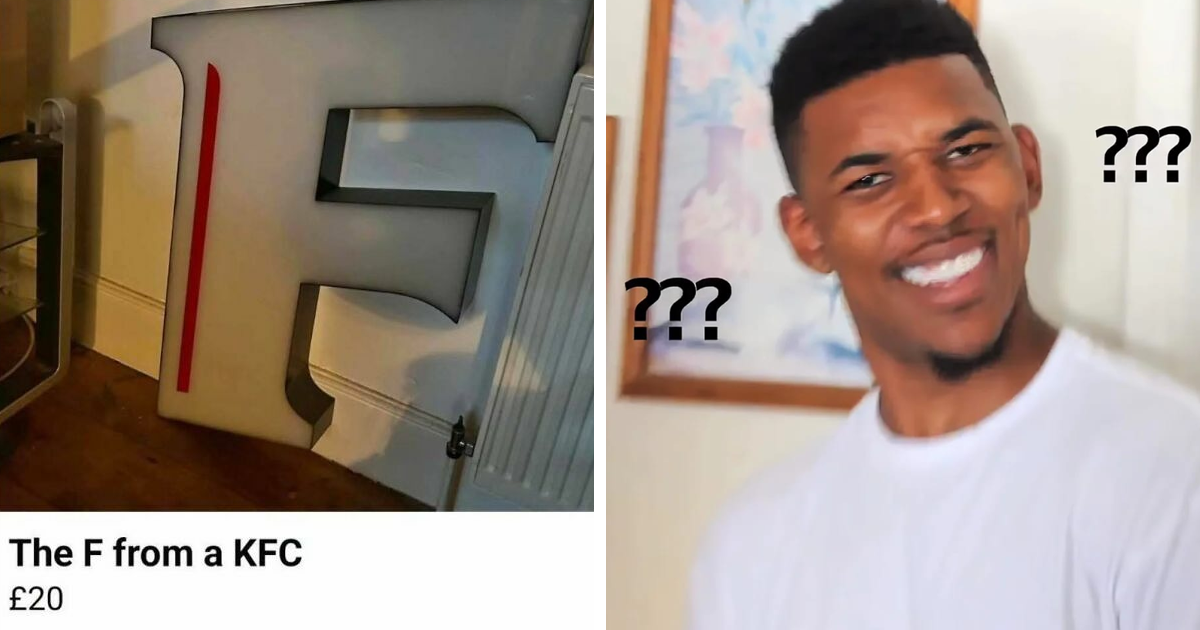
A giant letter from a restaurant sign leaning indoors. A hot dog photographed like a sacred artifact. A game case containing something that is absolutely not a game disc. Random objects become funny when they appear in the wrong setting with no explanation. The viewer’s mind immediately starts building a backstory, and every possible backstory is ridiculous.
Why These Pics Are Perfect for Sharing
Out of context pics are social media rocket fuel because they invite participation. You do not just look at them; you respond. You tag a friend. You add a caption. You ask, “What am I looking at?” You invent lore. The image becomes a tiny group project where everyone is equally unqualified and extremely enthusiastic.
They also travel well across platforms. A surreal image can work on Facebook, Instagram, Reddit, X, Pinterest, or a private chat because the humor is visual. It does not require a full essay to explain. That is useful in a fast-scrolling world where people often scan content rather than read every word. A picture of a cat causing architectural damage needs no onboarding process.
The Comment Section Becomes Half the Joke
One of the funniest parts of these posts is often the response they inspire. A weird image is the seed; the comments are the overgrown garden. Someone will make a pun. Someone else will invent a tragic origin story. Another person will calmly identify the object in the photo, ruining the mystery but also becoming funny by accident. The community turns confusion into a sport.
The Difference Between “Random” and “Actually Funny”
Not every strange image is funny. Some are just blurry. Some are weird in a way that feels forced. The strongest out of context pics usually have three qualities: instant visual clarity, a missing explanation, and a harmless sense of wrongness. You can tell what you are seeing, but not why it is happening.
That balance matters. If an image is too ordinary, it disappears. If it is too confusing, it becomes homework. The sweet spot is an image that makes you understand just enough to feel lost on purpose. A cat sitting in broken blinds? Clear. Why did it do that? Unclear. Is the cat sorry? Absolutely not.
Good Weirdness Has Shape
The funniest weird photos usually have a visual “hook.” Maybe it is a face, a pose, an impossible angle, a suspicious object, or a sign that sounds like it was written by a haunted intern. The viewer needs something to grab onto before the absurdity lands. That hook is what turns a random photo into a shareable moment.
Why the “Occult” Framing Makes It Funnier
The title “Pleasures Of The Occult” gives the collection a theatrical wink. The word “occult” originally suggests hidden or mysterious things, and that fits the mood perfectly. These pictures feel like they contain secret knowledge, but the secret knowledge might be “this pigeon has made a questionable housing choice.”
That mock-serious framing is part of the comedy. Calling a gallery of bizarre everyday photos “Pleasures Of The Occult” makes the ordinary feel grand and the silly feel ceremonial. It is like putting a velvet rope in front of a broken lawn chair. Suddenly, the lawn chair has lore.
How to Enjoy Out of Context Humor Without Overthinking It
The best way to enjoy these images is to let them be strange. Do not rush to explain everything. Do not demand the original context like a courtroom attorney. Half the fun is not knowing. The moment you discover the full story, the magic can shrink.
Instead, treat each image like a tiny comedy postcard from a universe with slightly different rules. Maybe the cat really is training for a bodybuilding competition. Maybe the staircase warning is a message from your future self. Maybe the giant backpack contains another, smaller traveler. Is any of this true? Probably not. Is it funnier than reality? Often, yes.
Make Your Own Caption Game
One easy way to enjoy a gallery like this is to pause before reading anyone else’s caption and create your own. Give the image a fake headline. Imagine the first line of the news report. Pretend it is a still frame from a movie and name the genre. The more seriously you treat the nonsense, the funnier it becomes.
Experience Section: What It Feels Like to Scroll Through “Pleasures Of The Occult”
Scrolling through a collection like “Pleasures Of The Occult” is not like reading normal entertainment content. It feels more like wandering through a digital flea market where every booth is run by a raccoon with a camera. You enter expecting a few funny pictures, and suddenly you are emotionally invested in a pigeon, a broken set of blinds, and a storage facility that looks like it belongs in a sci-fi movie about budget anxiety.
The first stage is curiosity. You click because the title promises confusion, and confusion is cheaper than coffee. The first few images make you smile politely. Then one of them hits the exact wrong part of your brain in the exact right way. Maybe it is an animal standing with suspicious confidence. Maybe it is a sign that sounds like it was translated through seven languages and one haunted printer. Suddenly, you are laughing at something you cannot explain without showing the picture.
The second stage is investigation. You zoom in. You search the corners of the image for clues. You ask yourself practical questions. Who took this? What happened five seconds before? Did anyone call a professional? Why is that object there? Why is everyone so calm? This is where out of context pics become interactive. The viewer becomes a detective, but the case file has been replaced with a rubber chicken.
The third stage is surrender. At some point, you realize there may be no answer. The world simply contains a cat who looks like it is flexing, a turtle that appears to be conducting supernatural business, and a person whose backpack-to-body ratio belongs in a math textbook. You stop trying to solve the images and start enjoying the fact that they exist at all. This is the sweet spot. The photos become little reminders that real life is much weirder than planned comedy.
There is also a social experience built into this kind of humor. You rarely want to laugh alone. When an image is truly unhinged, your first instinct is to send it to someone with a message like, “Please explain,” even though you know they cannot. That is the point. The shared confusion becomes the joke. Friends build fake explanations together. One person says the cat is summoning the drain gods. Another says the pigeon is a single parent doing its best. Someone else insists the giant backpack is full of emotional baggage. None of these captions are official, but they make the photo funnier.
After enough scrolling, you may start seeing the world differently. A crooked sign at the gas station becomes potential content. A dog sitting awkwardly in a car window becomes a masterpiece. A badly placed household object suddenly has “out of context pics” energy. The gallery trains your eyes to notice accidental comedy in ordinary places. That is probably the most enjoyable effect of this whole genre: it makes daily life feel a little less predictable.
Of course, there is a limit. Too much random internet humor can turn the brain into soup with Wi-Fi. But in the right amount, a gallery like this is a harmless pressure valve. It gives your mind a break from serious headlines, perfect influencer posts, and content that insists on teaching you seven productivity hacks before breakfast. Sometimes you do not need a lesson. Sometimes you need a pigeon with main-character energy and no supporting documentation.
That is why “Pleasures Of The Occult” has such sticky appeal. It offers weirdness without homework, humor without a lecture, and mystery without requiring you to buy a cloak. It reminds us that laughter does not always arrive wearing a punchline. Sometimes it shows up as a blurry photo, a strange angle, a poorly worded sign, or a cat who has clearly made a choice and stands by it.
Conclusion
“Pleasures Of The Occult”: 50 Unhinged Out Of Context Pics To Confuse You Into Laughing is more than a gallery of strange images. It is a celebration of accidental comedy, visual chaos, and the delightful moment when your brain stops asking sensible questions. These pictures work because they turn ordinary life into tiny mysteries. They are weird, fast, shareable, and unexpectedly human.
In a web full of polished posts and predictable jokes, out of context pics feel refreshingly alive. They remind us that the funniest things are often not planned at all. A pet, a sign, a repair job, a shadow, a bad angle, or one deeply confusing object can become comedy gold when captured at the perfect wrong moment. And honestly, that may be the real hidden pleasure: the world is funnier than it looks, especially when nobody explains it.
Note: This article is written as original SEO content in standard American English, synthesizing real information about meme culture, visual humor, online readability, and the specific “Pleasures Of The Occult” style of out-of-context image comedy.











