
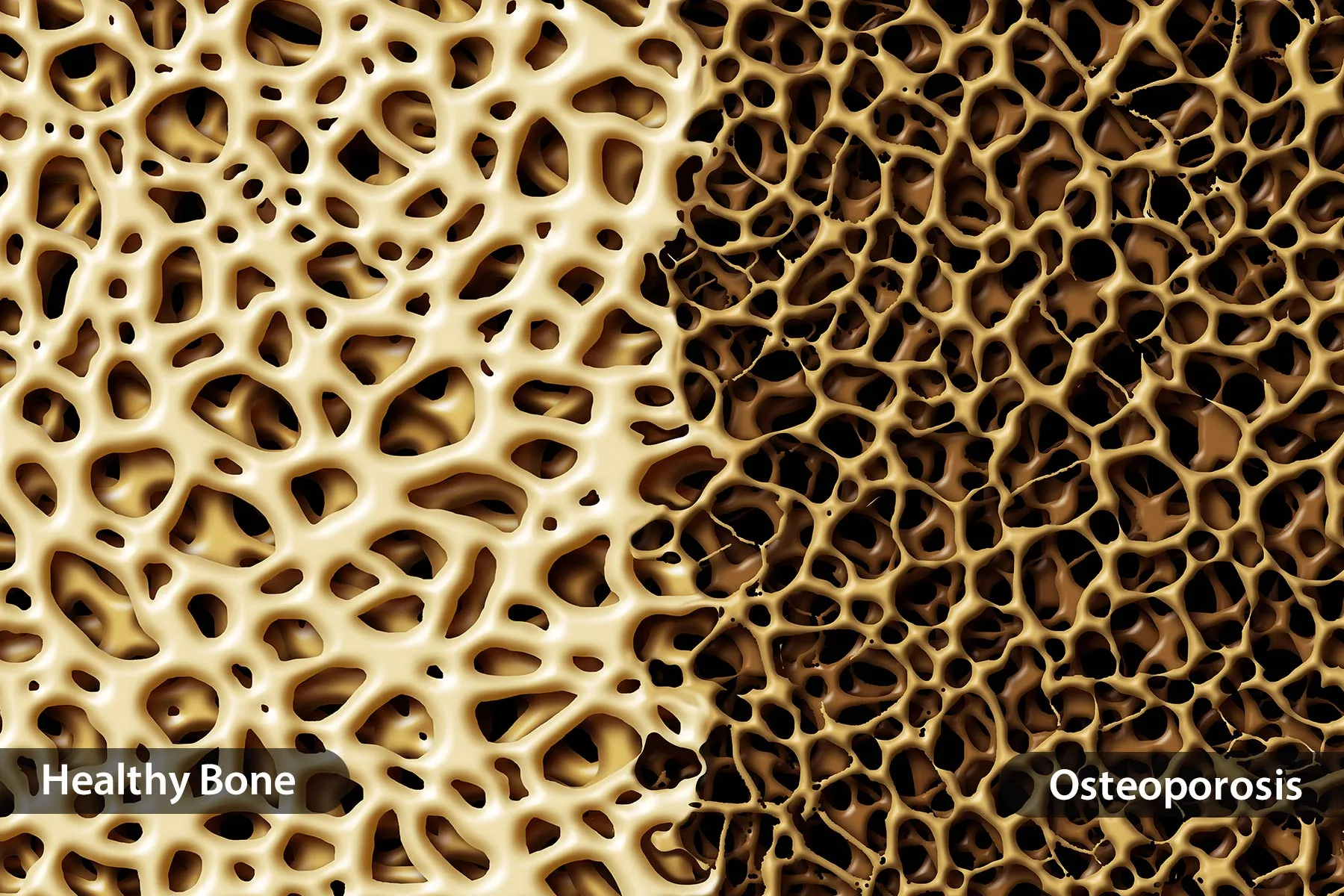
Osteoporosis has a sneaky personality. It does not usually knock on the door, introduce itself, and announce, “Hello, I am here to make your bones fragile.” Instead, it often stays quiet until a wrist, hip, or spinal fracture suddenly turns everyday life into a medical detective story. The good news is that osteoporosis treatment has come a long way. Today, doctors can combine medications, nutrition, exercise, home safety, and smart daily habits to help slow bone loss, reduce fracture risk, and support stronger living.
This guide explains osteoporosis treatments in plain American English, minus the scary waiting-room brochure energy. You will learn how osteoporosis medications work, what home remedies can actually help, which lifestyle changes matter most, and how real people can make bone health part of normal life without turning the kitchen into a calcium laboratory.
Important note: This article is for educational purposes only. Osteoporosis treatment should be personalized by a licensed healthcare professional, especially if you have kidney disease, a history of fractures, cancer treatment, digestive disorders, hormone changes, or take medicines that affect bone density.
What Is Osteoporosis?
Osteoporosis is a bone disease that happens when bone mineral density and bone strength decrease. Bones are living tissue. They are constantly being broken down and rebuilt, a process called remodeling. When the body loses bone faster than it can replace it, bones become thinner, weaker, and more likely to break.
The most common osteoporosis-related fractures occur in the hip, spine, and wrist. A fracture may happen after a fall, but in severe osteoporosis, even bending, lifting, coughing, or stepping awkwardly can be enough to cause injury. That is why osteoporosis is often called a “silent disease.” It can progress for years before symptoms appear.
Who Needs Osteoporosis Treatment?
Not everyone with mild bone loss needs prescription medication right away, but everyone with low bone density should take bone health seriously. Treatment decisions usually depend on several factors, including bone density test results, age, sex, fracture history, family history, fall risk, medical conditions, and current medications.
Bone Density Testing
The main test for osteoporosis is a DXA scan, also called a bone density test. It measures bone mineral density, often at the hip and spine. Results are commonly reported as a T-score. A T-score of -2.5 or lower is generally considered osteoporosis, while a score between -1.0 and -2.5 is called osteopenia, or low bone mass.
Doctors may also use fracture-risk tools, blood tests, and medical history to decide whether treatment is needed. For example, a person with osteopenia plus a previous low-trauma fracture may need medication, while another person with similar bone density but lower overall risk may begin with lifestyle changes and monitoring.
Osteoporosis Medications
Osteoporosis medications are not all the same. Some slow bone breakdown, while others help build new bone. Think of it like home repair: some treatments stop the demolition crew, while others bring in the construction team. The best choice depends on fracture risk, age, sex, health history, side effects, convenience, cost, and personal preference.
Bisphosphonates: Common First-Line Treatment
Bisphosphonates are often the first prescription option for many people with osteoporosis. These medicines slow the cells that break down bone, helping preserve or increase bone density and reduce fracture risk. Common bisphosphonates include alendronate, risedronate, ibandronate, and zoledronic acid.
Some bisphosphonates are taken by mouth weekly or monthly, while others are given through an IV once a year or at other scheduled intervals. Oral bisphosphonates usually need to be taken first thing in the morning with plain water, followed by staying upright and avoiding food for a period of time. Yes, it is a little bossy, but the rules help the medicine absorb properly and reduce irritation of the esophagus.
Possible side effects may include heartburn, stomach upset, muscle or joint aches, and rarely, jawbone problems or unusual thigh bone fractures with long-term use. Doctors may reassess treatment after several years to decide whether continuing, pausing, or changing therapy makes sense.
Denosumab
Denosumab is an injection given under the skin, usually every six months. It works by blocking a signal that activates bone-resorbing cells. It can be helpful for people at high fracture risk, including some who cannot take bisphosphonates.
One important detail: denosumab should not be stopped suddenly without a plan. Bone loss can speed up after stopping, and fracture risk may rise. A healthcare professional may recommend another medication afterward to help protect bone density.
Anabolic Medications: Building New Bone
Anabolic osteoporosis medications help stimulate new bone formation. These are often used for people at very high fracture risk, such as those with multiple fractures, very low bone density, or fractures while taking other therapy. Examples include teriparatide and abaloparatide.
These medications are usually given as daily injections for a limited treatment period. After completing anabolic therapy, doctors often prescribe an antiresorptive medicine, such as a bisphosphonate or denosumab, to help maintain the new bone gained. In other words, first you build the house, then you lock the front door.
Romosozumab
Romosozumab is another bone-building medicine used for some postmenopausal women at high risk for fracture. It both increases bone formation and decreases bone breakdown. It is typically given as monthly injections for a limited period.
This medication is not right for everyone. It carries warnings about possible cardiovascular risk, so people with a recent heart attack or stroke usually need other options. A clinician will weigh benefits and risks carefully before recommending it.
Raloxifene, Hormone Therapy, and Other Options
Raloxifene is a selective estrogen receptor modulator that may reduce the risk of spine fractures in certain postmenopausal women. Menopausal hormone therapy may help preserve bone density in selected patients, but it is usually considered based on the whole health picture, including menopause symptoms and personal risk factors.
Calcitonin is used far less often today because other medications are generally more effective for fracture prevention. Still, it may appear in specific situations, such as short-term management related to painful vertebral fractures.
Home Remedies That Support Bone Health
Let us be clear: no smoothie, herb, oil, foot bath, or magical pantry powder can reverse osteoporosis on its own. If someone claims their secret mineral tea can rebuild your skeleton by Friday, your wallet should sprint away faster than your femur can say, “Please no.” However, several home-based habits can strongly support medical treatment.
Get Enough Calcium
Calcium is a major building block of bone. Many adults need about 1,000 to 1,200 milligrams per day, depending on age and sex. Food sources are usually preferred when possible. Calcium-rich foods include milk, yogurt, cheese, calcium-fortified plant milks, fortified orange juice, tofu made with calcium, canned salmon or sardines with bones, kale, bok choy, and broccoli.
If diet is not enough, a doctor may recommend a supplement. More is not always better. Too much calcium can cause constipation and may increase the risk of kidney stones in some people. Splitting calcium into smaller doses during the day can improve absorption and reduce stomach complaints.
Do Not Forget Vitamin D
Vitamin D helps the body absorb calcium and supports muscle function, which matters for balance and fall prevention. Many adults need 600 to 800 IU daily, though some people require more based on blood levels, age, medical conditions, or limited sun exposure.
Vitamin D can come from sunlight, fortified foods, fatty fish, egg yolks, and supplements. Because sun exposure depends on season, skin tone, sunscreen use, location, and time outdoors, many people cannot rely on sunshine alone.
Eat Enough Protein
Bones need more than calcium. Protein supports muscle mass and bone structure. Older adults who eat too little protein may lose strength, become more prone to falls, and recover more slowly from injury. Good protein choices include fish, poultry, lean meats, eggs, Greek yogurt, beans, lentils, tofu, nuts, and seeds.
Limit Smoking and Excess Alcohol
Smoking is bad news for bone health. It can interfere with bone formation and increase fracture risk. Heavy alcohol use can also weaken bones and raise fall risk. For many people, reducing alcohol and quitting smoking are two of the most powerful “home remedies” available, although neither comes with a cute label or influencer discount code.
Lifestyle Changes for Osteoporosis
Lifestyle is not a replacement for medication when medication is needed, but it is the foundation that helps treatment work better. Stronger muscles, better balance, safer surroundings, and steady nutrition all reduce the chance that osteoporosis will lead to a fracture.
Weight-Bearing Exercise
Weight-bearing exercise means your bones and muscles work against gravity. Examples include walking, stair climbing, dancing, low-impact aerobics, and hiking. These activities help maintain bone strength and improve coordination.
People with osteoporosis should choose exercises based on their fracture risk and fitness level. Walking is a safe starting point for many. High-impact exercise, jumping, or twisting movements may not be appropriate for people with advanced osteoporosis or spinal fractures.
Strength Training
Resistance training helps build muscle, support posture, and reduce fall risk. This can include light dumbbells, resistance bands, weight machines, or bodyweight movements. The goal is not to become a superhero overnight. The goal is to become steadier, stronger, and less likely to trip over the cat, the rug, or your own left foot.
A physical therapist can design a safe program, especially for people with spine fractures, pain, balance problems, or fear of falling.
Balance and Posture Training
Balance exercises can reduce falls, while posture training may help protect the spine. Tai chi, supervised balance classes, heel-to-toe walking, and chair-based exercises can be helpful. Exercises that involve deep forward bending or twisting of the spine may increase fracture risk for some people and should be discussed with a clinician.
Fall Prevention at Home
For osteoporosis, preventing falls is treatment. A bone-strengthening medication is helpful, but so is removing the hallway rug that behaves like a tiny indoor banana peel.
Make the House Bone-Friendly
Start with simple changes. Keep floors clear. Tape down cords. Use nonslip mats in the bathroom. Install grab bars near the toilet and shower. Improve lighting in hallways, stairs, and bedrooms. Wear supportive shoes instead of slippery socks. Keep frequently used items within easy reach so climbing on chairs becomes unnecessary.
Stairs deserve special attention. Handrails on both sides, bright lighting, and clutter-free steps can lower risk. Pets are wonderful companions, but they are also furry trip hazards. A small bell on a pet collar may help some people know when their four-legged roommate is underfoot.
Review Medications and Vision
Some medicines can cause dizziness, sleepiness, or low blood pressure. Regular medication reviews with a healthcare professional can identify fall risks. Vision checks are also important because poor vision can turn a normal living room into an obstacle course.
Monitoring Treatment Progress
Osteoporosis treatment is not a one-and-done project. Doctors may repeat bone density testing every one to two years or at another interval based on risk and treatment plan. They may also monitor vitamin D levels, kidney function, calcium levels, and medication side effects.
Progress is not always dramatic. Bone density may improve slowly, stay stable, or decline less rapidly than it would have without treatment. Stability can be a win. In osteoporosis care, boring test results are often excellent news.
When to Call a Doctor
Contact a healthcare professional if you have sudden back pain, loss of height, new posture changes, a fracture after a minor fall, trouble swallowing osteoporosis pills, severe thigh or groin pain, dental surgery planned while on certain medications, or symptoms of low calcium such as muscle cramps, tingling, or spasms.
You should also ask about osteoporosis screening if you are a woman age 65 or older, a man age 70 or older, a postmenopausal woman with risk factors, or an adult over 50 who has had a low-trauma fracture. People taking long-term corticosteroids or certain cancer, seizure, or hormone-related medications may need earlier evaluation.
Real-Life Experiences: What Osteoporosis Treatment Feels Like Day to Day
Osteoporosis treatment can sound simple on paper: take the medicine, eat the yogurt, lift the weights, do not fall. Real life, of course, likes to add plot twists. Many people discover that the hardest part is not understanding what to do; it is building a routine that survives busy mornings, family obligations, medical appointments, grocery prices, and the occasional craving for couch-based fitness.
Consider a common experience: a woman in her late 60s learns after a wrist fracture that she has osteoporosis. At first, she feels embarrassed because the fall seemed small. Her doctor explains that the fracture was not a personal failure; it was a warning sign. She starts a weekly bisphosphonate, adds vitamin D, increases calcium-rich foods, and begins walking with a neighbor. The first few weeks feel awkward. She has to remember the medication rules, check food labels, and move a rug that has lived in the hallway since the invention of wallpaper. But after a few months, the plan becomes normal. She feels stronger, sleeps better after walks, and becomes the person reminding everyone else to turn on the porch light.
Another experience is the patient who dislikes pills. This person may work with a clinician to consider an injection or IV option. Convenience matters because the best treatment is the one a person can safely and consistently follow. Someone who forgets weekly pills may do better with scheduled injections. Someone with digestive side effects may need a different medication. Someone at very high fracture risk may need a bone-building therapy first. Osteoporosis care is not a moral test. It is a treatment plan, and treatment plans are allowed to be practical.
Exercise can also be emotional. People who have had a fracture may become afraid to move. That fear is understandable, but too much inactivity can weaken muscles and increase fall risk. A physical therapist can help rebuild confidence safely. The first goal might be standing from a chair without using hands, walking ten minutes, or practicing balance near a countertop. These small wins matter. Nobody needs to deadlift a refrigerator to prove commitment to bone health.
Food changes are usually easier when they feel normal. Instead of forcing a dramatic “bone diet,” many people succeed by adding one calcium-rich food to breakfast, keeping protein at each meal, and using fortified foods when dairy is not tolerated. A smoothie with fortified milk, Greek yogurt, or tofu can be useful. So can canned salmon, bean chili, leafy greens, or a snack of cheese and fruit. The goal is consistency, not culinary perfection.
Home safety changes may feel oddly personal. Removing a favorite rug or installing grab bars can make someone feel older. But the better way to frame it is independence. A safer home is not a surrender flag; it is a strategy. Professional athletes wear protective gear. Drivers use seat belts. People with osteoporosis make their homes less dramatic. The floor does not need opportunities for surprise attacks.
Over time, many people find that osteoporosis treatment becomes less about fear and more about control. You cannot change every risk factor, but you can take medication correctly, eat bone-supportive meals, build strength, improve balance, reduce fall hazards, and keep follow-up appointments. Those actions add up. Osteoporosis may be quiet, but your response can be loud, organized, and surprisingly empowering.
Conclusion
Osteoporosis treatments work best when they are personalized and layered. Medications can slow bone loss or build new bone. Calcium, vitamin D, protein, exercise, and fall prevention support the plan. Home remedies can help when they are evidence-based, but they should not replace prescribed therapy for people at high fracture risk.
The most effective osteoporosis plan is not the fanciest one. It is the one that fits your medical needs, daily schedule, food preferences, movement ability, and safety risks. With the right guidance, osteoporosis treatment can help protect mobility, independence, and confidencethree things worth keeping as strong as possible.











