
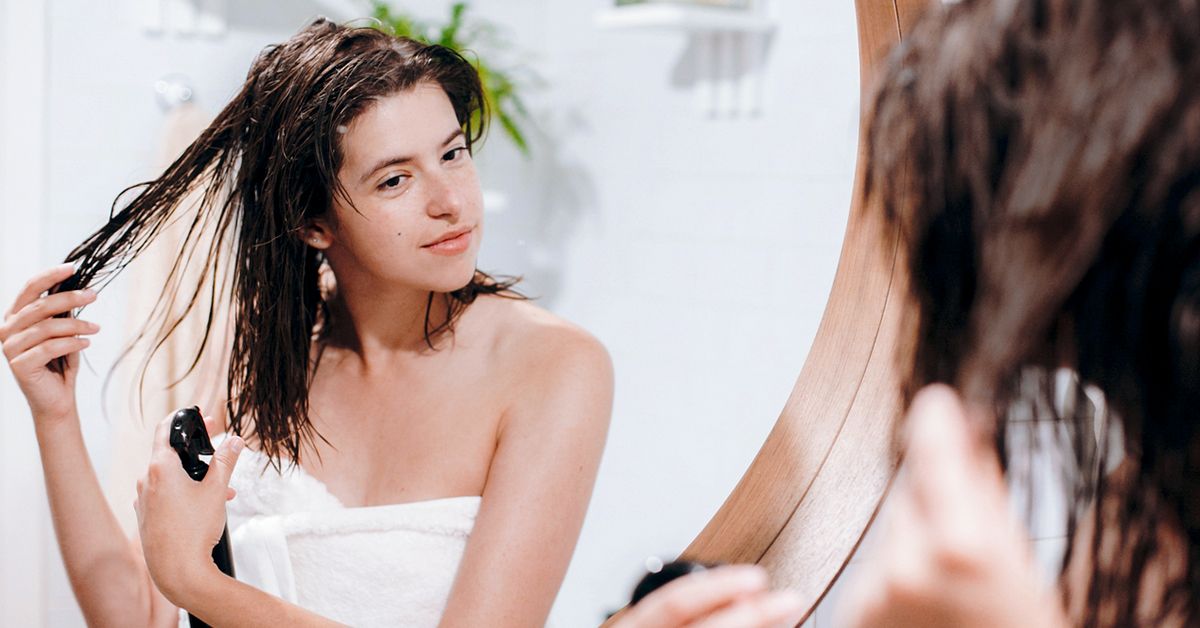
Dry hair has a flair for drama. One minute it is behaving like a shampoo-commercial waterfall, and the next it looks as if it has been negotiating with a toaster. If you have ever wondered whether you can put moisturizer on hair, how to moisturize hair naturally, or why your ends feel like a broom with ambition, you are not alone.
The truth is simple: hair does need moisture, but it does not always need the same kind of moisturizer your elbows enjoy. Skin lotions, body creams, oils, leave-in conditioners, hair masks, and scalp treatments all work differently. Some can help. Some can weigh hair down. Some can turn your roots into an oil slick worthy of a wildlife rescue commercial.
This guide explains the best natural ways to moisturize your hair, when moisturizer on hair makes sense, what to avoid, and how to build a routine for dry, frizzy, curly, coily, gray, color-treated, or heat-damaged hair.
Can You Put Moisturizer on Hair?
Yes, you can put certain moisturizing products on hair, but the key word is certain. Hair is not skin. Your skin is living tissue with oil glands and a barrier that constantly renews itself. The visible part of your hair is made mostly of keratinized fiber. Once it grows out of the scalp, it cannot “heal” the way skin can. That means moisturizing hair is really about softening strands, reducing friction, sealing in water, improving flexibility, and making damage look and feel less crunchy.
A regular skin moisturizer may tame flyaways in an emergency, but it is usually not the best long-term solution for dry hair. Body lotion may be too watery, too greasy, too fragrant, or too heavy. In a pinch, a pea-sized amount on the ends can calm frizz, but your hair will usually do better with a leave-in conditioner, hydrating cream, aloe-based product, or lightweight oil made for strands.
Why Hair Gets Dry in the First Place
Dry hair usually happens when your scalp’s natural oils do not travel far enough down the hair shaft or when the hair cuticle becomes damaged and allows moisture to escape. Curly, coily, long, gray, bleached, color-treated, relaxed, permed, and frequently heat-styled hair is especially prone to dryness.
Think of your hair cuticle like roof shingles. When the shingles lie flat, hair looks smoother and shinier. When they are lifted by heat, friction, harsh shampoo, bleach, sun, or rough brushing, moisture escapes and frizz moves in with a suitcase.
Common causes of dry hair
- Washing too often or using harsh shampoos
- Skipping conditioner after shampooing
- Using hot tools too frequently
- Rubbing wet hair aggressively with a towel
- Coloring, bleaching, relaxing, or perming too often
- Sun exposure, chlorine, salt water, and dry weather
- Brushing or detangling in a way that causes breakage
- Using heavy styling products that create buildup
The Best Natural Ways to Moisturize Hair
Natural hair moisture is not about dumping every oil in the kitchen onto your head and hoping for a botanical miracle. It is about using water, humectants, emollients, and sealing ingredients in the right order for your hair type.
1. Start With Water, Not Oil
Here is the part many people miss: oil does not hydrate hair by itself. Water hydrates. Oil helps reduce moisture loss, smooth the cuticle, and add shine. If your hair is dry, brittle, and frizzy, apply moisturizing products when your hair is damp unless the product label says otherwise.
After washing, gently squeeze out excess water with a soft towel or cotton T-shirt. Then apply a leave-in conditioner or moisturizing cream from the mid-lengths to the ends. This helps distribute product evenly and keeps your hair from looking greasy in one sad little patch.
2. Use Conditioner After Every Shampoo
Conditioner is not an optional luxury item. It is the seat belt of hair care. Shampoo removes dirt, sweat, oil, and product buildup, but it can also leave hair feeling rough. Conditioner helps coat the strands, reduce friction, improve manageability, and make detangling easier.
If your hair is fine, apply conditioner mainly to the ends. If your hair is thick, curly, coily, or very dry, condition more generously through the lengths. For curly hair, conditioning all the hair instead of only the ends can help reduce dryness and tangles.
3. Try a Leave-In Conditioner
Leave-in conditioner is one of the easiest ways to moisturize hair naturally without turning your bathroom into a science fair. It works especially well for dry, frizzy, brittle, curly, coily, or tangled hair.
Apply it to damp hair, not dripping wet hair. Use a small amount first. Fine hair may need a mist or lightweight spray, while thick or coily hair may need a cream. Avoid applying leave-in conditioner directly to the scalp unless the product is designed for scalp use, because buildup can cause irritation or flakes.
4. Seal Moisture With Lightweight Natural Oils
Natural oils can help hair look smoother, shinier, and less frizzy. The trick is moderation. A little oil is “glossy goddess.” Too much oil is “forgot to rinse the salad dressing.”
Good natural oils for dry hair include:
- Argan oil: Lightweight, shiny, and useful for frizz control.
- Coconut oil: Popular for pre-shampoo treatments and dry, coarse, or curly hair.
- Jojoba oil: Lightweight and similar in feel to natural sebum.
- Sweet almond oil: Softening and useful for dull ends.
- Olive oil: Rich and heavy, best for thick or very dry hair.
- Avocado oil: Nourishing and helpful for coarse or textured hair.
Apply oil mainly from the mid-lengths to the ends. If you have dandruff, seborrheic dermatitis, an oily scalp, or scalp acne, be cautious with scalp oiling. Oils can help some people, but they can worsen buildup or irritation for others.
5. Do a Weekly Pre-Shampoo Oil Treatment
A pre-shampoo oil treatment can be a good option for dry, coarse, curly, or heat-damaged hair. Apply a small amount of oil to dry hair, focusing on the ends. Let it sit for 20 minutes to an hour, then shampoo and condition as usual.
This method is useful because it gives hair softness and slip without leaving all the oil behind. It is especially helpful before a wash day if your hair tangles easily or feels rough.
6. Use Aloe Vera for Lightweight Hydration
Aloe vera is popular in natural hair care because it feels light, soothing, and water-rich. It can work well in sprays, gels, and masks, especially for people who dislike heavy oils. Look for aloe-based leave-ins or make a simple aloe spray by mixing aloe vera juice with water in a clean spray bottle.
Use it lightly at first. Some hair types love aloe; others feel stiff if too much is applied. Hair is annoyingly honest like that.
7. Look for Humectants Like Glycerin and Honey
Humectants attract water. In hair products, ingredients like glycerin, honey, aloe, and panthenol can help hair feel more hydrated. They are especially useful in leave-ins, conditioners, and masks.
However, humidity matters. In very humid weather, humectants may contribute to frizz for some hair types. In very dry weather, they may need to be paired with oils, creams, or butters to help seal moisture in.
8. Deep Condition Once a Week
If regular conditioner is your daily coffee, deep conditioner is your weekend brunch. It gives dry hair a richer dose of softening ingredients. Use a deep conditioner or hair mask once weekly if your hair is dry, damaged, bleached, curly, coily, or frizzy.
Apply the mask after shampooing, gently squeeze out excess water first, and focus on the mid-lengths and ends. Let it sit according to the product instructions, usually 5 to 20 minutes. Rinse with cool or lukewarm water.
DIY Natural Hair Masks That Actually Make Sense
Homemade hair masks can be helpful, but they should not be complicated. Your hair does not need a 12-ingredient smoothie. Keep it simple, patch test first, and avoid ingredients that irritate your scalp.
Coconut Oil Mask for Dry Ends
Warm a small amount of coconut oil between your palms and apply it to the ends of dry hair. Leave it on for 20 to 60 minutes, then shampoo thoroughly. This works best for coarse, dry, curly, or damaged hair. Fine hair may find coconut oil too heavy.
Avocado, Honey, and Olive Oil Mask
Mash half an avocado with one teaspoon of honey and one teaspoon of olive oil. Apply to damp hair from the mid-lengths to the ends. Leave on for 15 to 20 minutes, then rinse and shampoo. This mask is rich, so it is best for thick, dry, or textured hair.
Aloe and Conditioner Boost
Mix one tablespoon of aloe vera gel with your regular conditioner. Apply after shampooing, leave on for a few minutes, and rinse. This is a low-drama way to add hydration without committing to a full kitchen experiment.
Banana and Honey Mask for Frizz
Blend half a ripe banana with one teaspoon of honey and enough conditioner to create a smooth texture. Blend thoroughly; banana chunks are not a hair accessory. Apply to damp hair for 10 to 15 minutes, then rinse well.
How to Moisturize Different Hair Types Naturally
Fine Hair
Fine hair needs moisture without weight. Choose lightweight leave-in sprays, aloe-based products, or a tiny amount of argan oil on the ends. Avoid heavy butters near the roots. Shampoo when needed, condition the ends, and clarify occasionally if products build up.
Curly Hair
Curly hair tends to be drier because scalp oils have a harder time traveling down bends and coils. Use moisturizing shampoo, rich conditioner, leave-in conditioner, and a light oil or cream to seal. Detangle while damp with a wide-tooth comb or fingers.
Coily or Natural Hair
Coily hair often needs layered moisture. The LCO method can help: liquid or leave-in first, cream second, oil last. Some people prefer LOC: liquid, oil, cream. Try both and see which one leaves your hair soft longer. Protective styles, satin bonnets, and low-manipulation routines can also help reduce dryness and breakage.
Gray or Mature Hair
Gray hair can feel wiry or dry because oil production may slow with age and the hair texture may change. Use moisturizing shampoo, conditioner, leave-in spray, and occasional deep conditioning. Avoid excessive heat, which can make gray hair look dull or yellowed.
Color-Treated or Bleached Hair
Color-treated hair needs moisture and protection. Use sulfate-conscious, color-safe products, deep condition weekly, and reduce hot tool use. Oils and masks can improve softness and shine, but split ends cannot be permanently repaired. If the ends are splitting like a tiny tree branch, a trim is the honest answer.
What Not to Do When Moisturizing Hair
Moisturizing hair naturally is helpful, but more is not always better. Hair can become greasy, limp, coated, or irritated when products are overused.
Avoid These Common Mistakes
- Do not apply heavy body lotion to your scalp. It can create buildup and irritation.
- Do not use hot water every wash. Hot water can worsen dryness.
- Do not skip conditioner. Dry hair needs slip and protection.
- Do not rub wet hair aggressively. Blot or wrap instead.
- Do not overdo oils. Start with a pea-sized amount.
- Do not brush dry curls. Detangle damp curls gently.
- Do not expect masks to repair split ends permanently. They can improve appearance, not glue hair back together like a craft project.
A Simple Natural Hair Moisture Routine
If you want a routine that does not require a spreadsheet, try this:
Wash Day
- Shampoo the scalp, not the ends.
- Let shampoo rinse through the hair length.
- Apply conditioner from mid-lengths to ends.
- Detangle gently with fingers or a wide-tooth comb.
- Rinse with lukewarm or cool water.
- Blot with a microfiber towel or cotton T-shirt.
- Apply leave-in conditioner to damp hair.
- Seal ends with a tiny amount of oil if needed.
Between Washes
Refresh dry ends with a water-based spray or a small amount of leave-in conditioner. Add a drop of oil only if your hair still feels rough. Sleep on a satin or silk pillowcase, especially if your hair is curly, coily, fragile, or frizz-prone.
Weekly
Use a deep conditioner or hair mask once a week. If your hair feels coated or dull, use a clarifying shampoo once or twice a month, then follow with a moisturizing conditioner.
When to See a Dermatologist
Dry hair is usually a care-routine issue, but sometimes it signals something more. See a dermatologist if you have persistent scalp itching, redness, scaling, pain, sores, sudden hair shedding, patchy hair loss, or breakage that does not improve with gentle care.
A professional can help identify dandruff, seborrheic dermatitis, psoriasis, eczema, allergies, hormonal changes, nutritional issues, or hair disorders. In other words, do not let your scalp run a mystery podcast without expert help.
of Real-Life Experience: What Moisturizing Hair Naturally Feels Like in Practice
The most useful lesson from real hair-care routines is that moisture is personal. Two people can use the same coconut oil, the same leave-in conditioner, and the same satin pillowcase, and one wakes up with soft waves while the other wakes up looking like they fought a tumbleweed. That does not mean the method failed. It means hair texture, porosity, density, scalp oil, climate, and styling habits all matter.
One common experience is the “too much oil” phase. Many people begin natural hair care with enthusiasm and a tablespoon. Unfortunately, a tablespoon of oil can be a lot. For fine or medium hair, even a teaspoon may be too much. The better approach is to start with a pea-sized amount, rub it between the palms, and touch only the ends. Hair should look softer, not laminated.
Another real-world discovery is that damp hair usually responds better than dry hair. Applying a leave-in conditioner after towel blotting often gives better results than applying product to bone-dry strands. Damp hair spreads product more evenly and helps reduce that crunchy, uneven feeling. For curly and coily textures, this can be the difference between defined curls and a cloud of confusion.
People with bleached or color-treated hair often notice that natural moisture helps with softness but does not erase damage. A deep conditioner can make bleached hair feel smoother for a few days, but if the ends are split, they will keep splitting. The practical experience is humbling: moisture improves manageability, but scissors solve split ends. Not glamorous, but very effective.
For dry scalps, the experience can be tricky. Some people assume flakes always mean dryness and start applying oils. Sometimes that helps. Other times, the flakes are dandruff-related, and heavy oils make the scalp itchier or greasier. This is why scalp care should be cautious. A light scalp serum, gentle shampoo routine, or dermatologist-approved dandruff treatment may work better than coating the scalp in oil.
Curly-haired people often learn that moisture is not a one-time event. It is a rhythm. Wash day sets the foundation with conditioner and leave-in. Midweek refreshes bring curls back to life with water, a little cream, or a spray. Night protection matters too. A satin bonnet or pillowcase can reduce friction, which means less frizz and fewer broken strands by morning.
The biggest experience-based tip is to change one thing at a time. If you switch shampoo, conditioner, oil, mask, towel, pillowcase, and styling cream in one weekend, you will have no idea what helped or what turned your bangs into a buttered noodle. Start with conditioner after every shampoo. Then add a leave-in. Then experiment with oil. Natural hair moisture works best when it is simple, consistent, and adjusted slowly.
In the end, the best moisturizer on hair is not always the fanciest product. It is the routine your hair actually tolerates: gentle washing, regular conditioning, damp-hair leave-in, careful oiling, less heat, and patience. Healthy-looking hair is rarely built by one miracle mask. It is built by many small choices that tell your strands, “Relax, nobody is attacking you today.”
Conclusion
Moisturizer on hair can help, but the best results come from using hair-friendly moisturizers rather than relying on regular skin lotion. For naturally moisturized hair, focus on water-based hydration, conditioner after shampooing, leave-in products, gentle detangling, weekly deep conditioning, and small amounts of natural oils when needed.
Dry hair does not need punishment. It needs patience, softness, and fewer encounters with scorching hot tools. Build a simple routine, adjust it to your hair type, and remember: shine is lovely, but healthy, manageable hair is the real luxury.











