
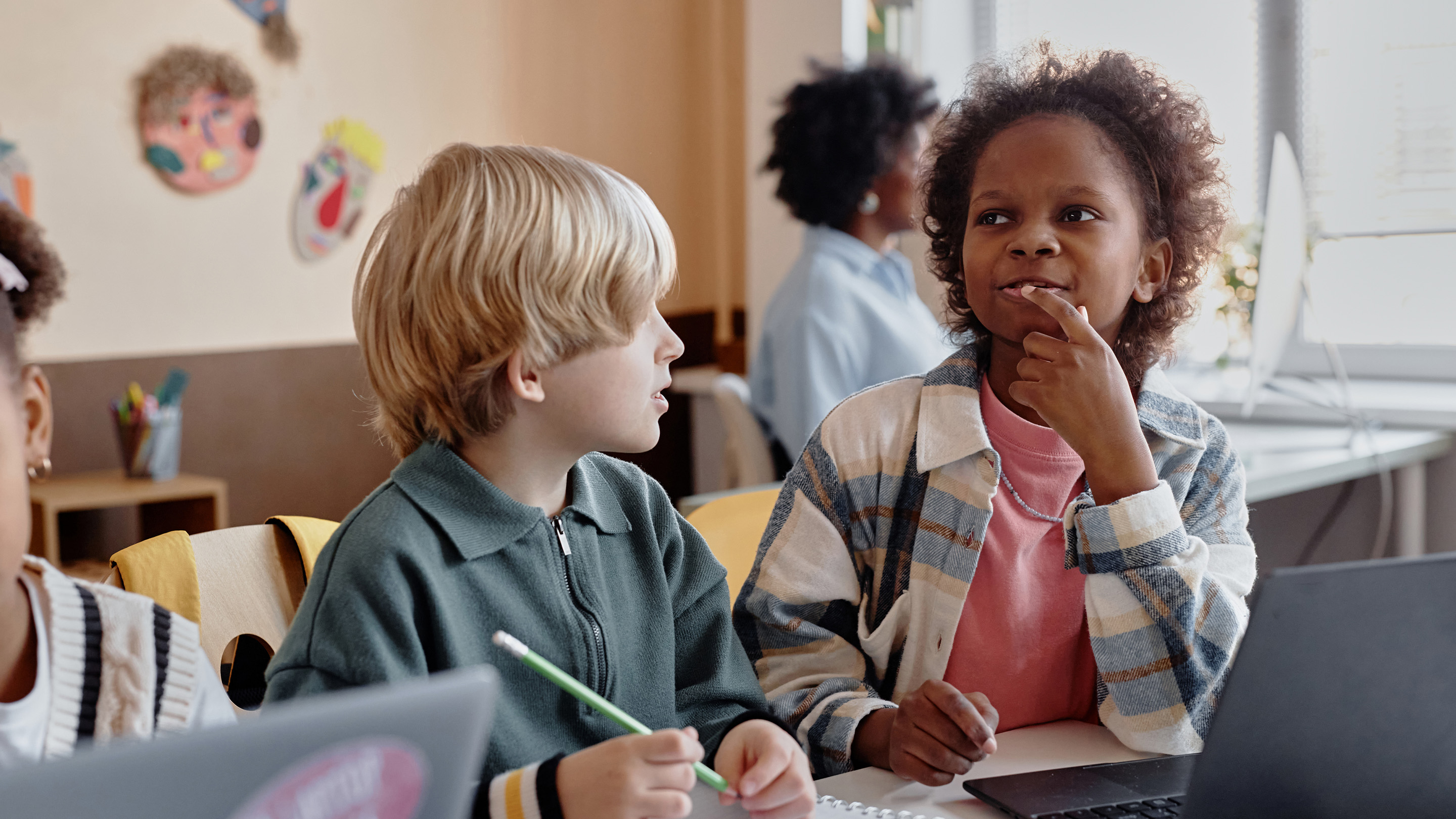
Social and Emotional Learning, better known as SEL, is not a glitter sticker slapped onto a lesson plan after the standards have already marched through the door. When done well, integrating SEL into the curriculum means teaching students how to think, collaborate, manage frustration, listen with empathy, make responsible choices, and keep learning even when the work gets wonderfully uncomfortable. In other words, SEL is not a side quest. It is part of the main storyline.
Teachers already know this, even if they do not always call it SEL. A student who can explain a math strategy without rolling their eyes like a tiny courtroom lawyer is practicing relationship skills. A student who revises an essay instead of declaring, “Writing is my villain origin story,” is practicing self-management. A class that can debate a historical event with evidence and respect is building social awareness and responsible decision-making.
The strongest approach to integrating SEL into the curriculum is not to pause academics so everyone can stare at a feelings chart for forty minutes. Feelings charts have their place, of course, but they should not have to carry the entire emotional universe on their laminated shoulders. Instead, educators can weave SEL into reading, writing, math, science, social studies, arts, physical education, advisory periods, and classroom routines. The goal is simple: make social and emotional skills visible, teachable, and useful during real academic work.
What Does Integrating SEL Into the Curriculum Really Mean?
Integrating SEL into the curriculum means intentionally connecting academic learning with five major areas of student growth: self-awareness, self-management, social awareness, relationship skills, and responsible decision-making. These competencies help students understand themselves, work with others, navigate challenges, and participate in a classroom community where learning is not just possible but pleasantly less chaotic.
Good SEL integration has three important features. First, it is explicit. Students need names for the skills they are practicing, such as active listening, goal-setting, perspective-taking, emotional regulation, and constructive feedback. Second, it is embedded. SEL should appear in daily academic tasks, not only during special assemblies with microphones that may or may not work. Third, it is practiced over time. No one masters conflict resolution after one mini-lesson, just as no one becomes a fluent reader after meeting the letter B and wishing it well.
Why SEL Belongs Inside Academic Instruction
Students do not leave their emotions in a cubby before entering class. Anxiety, excitement, boredom, curiosity, embarrassment, pride, and frustration all show up with pencils in hand. Learning is cognitive, but it is also social and emotional. When students feel connected, safe, and capable, they are more likely to participate, take academic risks, ask for help, and recover from mistakes.
This matters because rigorous learning often creates struggle. A challenging algebra problem, a complex primary source, a group science investigation, or a personal narrative draft can trigger frustration. SEL gives students tools to work through that friction instead of avoiding it. A classroom that teaches perseverance, reflection, collaboration, and emotional regulation is not lowering academic expectations. It is building the bridge students need to reach them.
Start With Curriculum Goals, Then Find the SEL Connection
One practical way to integrate SEL is to begin with the academic standard and ask, “What social or emotional skill would help students succeed here?” This keeps SEL connected to instruction rather than floating around like a motivational poster looking for a wall.
Example: English Language Arts
In a literature lesson, students might analyze a character’s motivation. The academic goal is close reading and evidence-based interpretation. The SEL connection is perspective-taking. Students can ask: What does this character want? What emotion is influencing the decision? What evidence shows internal conflict? Suddenly, students are not just summarizing a plot. They are practicing empathy, inference, and analytical thinking at the same time.
Example: Math
In math, students can use error analysis to build self-management and growth mindset. Instead of simply marking an answer wrong, the teacher can guide students to identify where the reasoning changed direction. Was it a calculation slip? A misunderstanding of the problem? A skipped step? Students learn that mistakes are information, not academic doom confetti.
Example: Science
Science labs are natural SEL playgrounds, minus the actual playground and hopefully with fewer spills. Students must share materials, assign roles, listen to hypotheses, revise claims, and respond when results do not match predictions. A teacher can explicitly name these skills: collaboration, responsible decision-making, patience, and evidence-based discussion.
Example: Social Studies
Social studies offers rich opportunities for civic discussion, ethical reasoning, and social awareness. When students compare viewpoints from different historical groups, they practice understanding context without abandoning evidence. Structured academic conversations can teach students how to disagree respectfully, support claims, and recognize that history was lived by real people, not just dates wearing uncomfortable shoes.
Use Classroom Routines as SEL Anchors
Routines are the quiet engines of SEL integration. They help students know what to expect and how to participate. A routine does not have to be fancy. In fact, if it requires seventeen color-coded bins and a chant, it may need to calm down.
Morning or Opening Check-Ins
A quick check-in can help students identify readiness for learning. This might be a one-word mood check, a private reflection card, or a “fist to five” energy rating. The point is not to turn the teacher into a therapist. The point is to help students notice their emotional state and choose a strategy that supports learning.
Think-Pair-Share With Listening Goals
Think-pair-share becomes more powerful when students are taught how to listen. Teachers can add prompts such as, “Repeat your partner’s idea before adding your own,” or “Ask one clarifying question.” This turns a familiar academic routine into a relationship skills routine.
Exit Tickets With Reflection
Exit tickets can include both content and process. For example: “What is one concept you understand better now?” and “What strategy helped you stay focused today?” This supports metacognition, self-awareness, and academic ownership.
Make SEL Visible Without Making It Awkward
Students, especially older students, can smell forced sincerity from across the hallway. If SEL feels like a script from a training video, they may resist it. The solution is to use language that is clear, practical, and connected to real learning.
Instead of saying, “Today we will access our inner emotional landscape,” a teacher might say, “Today’s task is challenging, so we are going to practice noticing frustration and choosing a next step.” Instead of announcing, “We are building empathy,” the teacher might say, “Your job is to understand the speaker’s point before responding.” Practical language helps SEL feel like a useful academic tool, not a mysterious classroom fog machine.
Design Lessons With the SAFE Approach
Effective SEL instruction is often described as sequenced, active, focused, and explicit. This is sometimes called the SAFE approach. It sounds like something you would see on a school safety poster, but it is actually a helpful lesson design reminder.
Sequenced means skills build over time. Students might first learn to name emotions, then practice calming strategies, then use those strategies during peer conflict or academic frustration. Active means students do the skill, not just hear about it. Role-play, discussion, peer feedback, and project collaboration all count. Focused means the SEL goal is intentional. Explicit means the teacher names the skill and shows what it looks like.
For example, a fifth-grade writing lesson might focus on giving feedback. The teacher models two types of comments: one vague comment, such as “This is good,” and one helpful comment, such as “Your introduction is clear, but I need more evidence in the second paragraph.” Students then practice giving feedback with sentence frames. The academic goal is revision. The SEL goal is respectful communication. Nobody has to choose between standards and skills. They are sharing the same desk.
Integrating SEL Across Subject Areas
Reading and Writing
Reading instruction can include SEL through character analysis, theme exploration, discussion norms, and reflective writing. Students can identify how characters respond to conflict, compare choices, and connect themes to real-world decision-making. Writing instruction can include goal-setting, peer review, personal reflection, and revision stamina.
Math
Math is a perfect place to teach persistence because math has a talent for making confident people suddenly question their life choices. Teachers can normalize struggle by asking students to share multiple strategies, explain errors, and celebrate flexible thinking. Group problem-solving also builds communication and collaboration.
Science and STEM
STEM projects require teamwork, curiosity, patience, and responsible decision-making. Students can reflect on how their group handled disagreement, how they responded to unexpected results, and how evidence changed their thinking. These are not soft skills. They are scientist skills wearing comfortable shoes.
Social Studies
Social studies supports SEL through civic dialogue, ethical questions, cultural understanding, and historical perspective-taking. Teachers can use structured debates, document analysis, and community problem-solving projects to help students practice respectful disagreement and responsible citizenship.
Arts and Physical Education
The arts invite students to express emotion, interpret meaning, give feedback, and collaborate. Physical education teaches teamwork, self-regulation, goal-setting, and sportsmanship. A student who can lose a game gracefully has learned something valuable, even if the scoreboard is being dramatic.
Assessment: How Do You Know SEL Is Working?
Assessing SEL does not mean grading a student’s personality. Please do not put “B-minus in empathy” on a report card and expect peace at parent-teacher conferences. Instead, educators can assess SEL through observation, reflection, student self-assessment, classroom climate surveys, and evidence of participation in academic routines.
Useful questions include: Are students using discussion norms more consistently? Are they able to revise after feedback? Can they describe strategies for managing frustration? Are group tasks becoming more productive? Are students more willing to ask for help? These indicators connect SEL to learning behaviors without turning emotions into test bubbles.
Keep Families and Communities in the Loop
Family communication is essential. Schools should explain what SEL is, why it matters, and how it connects to academic success. Clear communication prevents confusion and builds trust. Families do not need jargon. They need plain language: students are learning how to manage emotions, work with others, solve problems, make responsible choices, and stay engaged in challenging learning.
Schools can share sample activities, invite family feedback, and connect SEL goals to classroom expectations. For example, a newsletter might say, “This month, students are practicing respectful disagreement during book discussions and social studies debates.” That is much clearer than saying, “We are operationalizing interpersonal competencies,” which sounds like a robot joined the curriculum committee.
Avoid Common SEL Integration Mistakes
The first mistake is treating SEL as an add-on. If SEL only happens during a weekly lesson that everyone forgets by lunch, it will not shape the classroom culture. The second mistake is using SEL as behavior control rather than skill development. SEL should not mean “be quiet and comply.” It should mean students learn strategies for self-awareness, communication, reflection, and responsible action.
The third mistake is ignoring teacher support. Adults need time, training, and collaboration to integrate SEL well. Teachers cannot pour from an empty coffee mug, especially if someone borrowed the mug and returned it with mystery liquid. Professional learning should help educators model SEL skills, design lessons, respond to student needs, and maintain healthy boundaries.
Practical SEL Strategies Teachers Can Use Tomorrow
Teachers can begin with small, consistent moves. Add a reflection question to an exit ticket. Teach students how to ask for help. Use partner talk with listening expectations. Build revision routines that frame mistakes as part of learning. Create group roles that rotate. Model calm problem-solving aloud. Use rubrics that include collaboration behaviors for team projects. Invite students to set personal learning goals and revisit them.
Another powerful strategy is the “pause and plan” routine. Before beginning a difficult task, students answer three quick questions: What is the goal? What might be challenging? What strategy will I use if I get stuck? This routine supports self-management and academic persistence. It also reduces the number of students who immediately announce, “I don’t get it,” before reading the directions, a classroom tradition older than the overhead projector.
Experience-Based Insights: What SEL Integration Looks Like in Real Classrooms
In everyday classroom practice, SEL integration often succeeds when it feels ordinary. The best moments are not always dramatic. They look like a student taking a breath before responding to a peer. They look like a group changing its plan after listening to a quieter member. They look like a child saying, “I used to think this was impossible, but now I know I need another strategy.” These moments may not come with confetti, but they matter.
One common classroom experience begins during group work. A teacher assigns a project, and within three minutes one student has become the boss, one has disappeared into the wallpaper, and one is sharpening a pencil with the intensity of a lumberjack. Without SEL integration, the teacher may spend the period putting out tiny social fires. With SEL integration, the class already has tools. Students know roles such as facilitator, recorder, materials manager, and reporter. They have sentence stems for disagreement: “I see it differently because…” or “Can you explain your reasoning?” The project becomes more than a content task. It becomes practice in collaboration.
Another experience appears during writing. Many students struggle with revision because feedback can feel personal. A teacher who integrates SEL teaches students to separate the work from the writer. The class practices feedback that is specific, kind, and useful. Students learn that revising a paragraph does not mean the first draft was a disaster wearing punctuation. It means the writer is improving clarity. Over time, students become less defensive and more willing to try again.
In math, SEL integration can change the emotional temperature of the room. When students believe speed equals intelligence, they may shut down quickly. A teacher can shift the culture by celebrating strategy, explanation, and persistence. Students might keep a “favorite mistake” journal where they explain what went wrong and what they learned. This turns errors into evidence. The classroom message becomes clear: being stuck is not failure; it is the part of learning where the brain is under construction.
Teachers also learn that SEL works best when adults model it. If a lesson goes sideways, the teacher might say, “That did not work the way I planned. I’m going to pause, adjust, and try a different approach.” That small statement shows self-awareness and problem-solving. Students notice. They learn that calm correction is more useful than panic, blame, or pretending the projector did not just betray everyone.
Finally, SEL integration helps classrooms become more human. Students are not only learning facts; they are learning how to participate in a community. They practice listening, patience, courage, fairness, and reflection while doing real academic work. The payoff is not instant perfection. Classrooms will still have messy moments, because children are not downloadable software updates. But with consistent SEL integration, those messy moments become teachable, repairable, and often surprisingly meaningful.
Conclusion
Integrating SEL into the curriculum is not about replacing academics with emotional check-ins. It is about making academic learning stronger by teaching the skills students need to engage with challenge, collaborate with others, manage setbacks, and make thoughtful decisions. When SEL is woven into classroom routines, subject-area instruction, family communication, and school culture, it becomes part of how students learn every day.
The best SEL integration is practical, visible, and connected to real work. It supports reading discussions, math problem-solving, science investigations, writing revision, civic dialogue, arts collaboration, and physical education teamwork. It gives students language for what they are practicing and opportunities to use those skills again and again. In the end, SEL is not another thing on the teacher’s plate. It is the plate that helps hold the learning together.











