
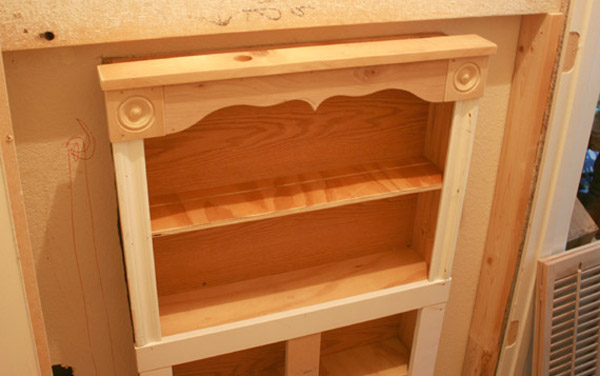
An indoor playhouse and a built-in hutch may sound like two projects from completely different neighborhoods of the home improvement universe. One belongs to tiny architects wearing dinosaur pajamas; the other belongs to grown-ups who own serving bowls, seasonal platters, and maybe one gravy boat that appears once a year like a festive sea creature.
But together, they tell a very modern home design story: families want rooms that work harder, look better, and survive real life. A well-planned indoor playhouse gives kids a magical zone for imaginative play, reading, climbing, pretending, and hiding from cleanup time. A built-in hutch gives the household beautiful storage for dishes, books, toys, linens, art supplies, or whatever category of “miscellaneous but important” is currently taking over the dining room.
The best part? Both projects rely on the same smart design principles: use vertical space, build around daily routines, make storage easy to reach, anchor heavy furniture properly, and choose finishes that can handle fingerprints, snack dust, and the occasional mystery sticker. Whether you are planning a full renovation or just dreaming over coffee, this guide will help you combine charm, practicality, and safety without turning your home into a lumberyard with throw pillows.
What Is an Indoor Playhouse?
An indoor playhouse is a child-friendly structure or themed nook built inside the home. It can be as simple as a reading corner under the stairs or as elaborate as a two-level mini cottage with windows, a slide, a climbing wall, storage cubbies, and a tiny door that makes adults feel like giants with back pain.
Unlike outdoor playhouses, indoor versions must work within existing rooms. They often appear in playrooms, bedrooms, basements, lofts, bonus rooms, finished attics, family rooms, or the magical dead zone under a staircase. The goal is not only cuteness. A good indoor playhouse encourages open-ended play, independence, social interaction, quiet reading, and creative problem-solving.
Children do not need a palace. They need a place that feels like theirs. Add a window cutout, a chalkboard wall, a mailbox, a soft rug, and a few baskets, and suddenly a corner becomes a bakery, rocket ship, library, veterinary clinic, castle, or suspiciously snack-heavy “office.”
What Is a Built-in Hutch?
A built-in hutch is a permanent or semi-permanent cabinet unit attached to a wall, alcove, dining room, kitchen, hallway, breakfast nook, mudroom, or living area. Traditional hutches are known for storing and displaying dishes, glassware, serving pieces, and linens. Modern built-in hutches go much further. They can include closed cabinets, open shelves, drawers, glass-front doors, charging stations, appliance garages, wine storage, coffee bars, homework zones, or toy storage.
Think of a built-in hutch as the responsible cousin of open shelving. It gives you display space for pretty things and hidden compartments for the things that are not ready for their close-up. In a family home, that hidden storage is priceless. It lets you keep the room calm even when the inside of one drawer looks like a craft store sneezed.
Why These Two Ideas Belong Together
The phrase “Indoor Playhouse; Built-in Hutch” works because both features solve a common problem: how to make a home feel personal, organized, and useful without sacrificing style. Families increasingly want spaces that blend adult design with kid-friendly function. A living room can include toy storage without looking like a daycare lobby. A dining room can hold craft supplies without declaring war on elegance. A playhouse can be whimsical without becoming a plastic explosion.
Built-ins also make indoor play zones easier to manage. Add a hutch near a playhouse and you suddenly have a command center for puzzles, books, costumes, art supplies, board games, dress-up clothes, and blankets. Add a playhouse near a built-in storage wall and cleanup becomes less of a dramatic courtroom scene.
Designing an Indoor Playhouse That Actually Gets Used
Start With the Child’s Routine
Before choosing paint colors or cutting window shapes, watch how your child plays. Do they build forts? Read quietly? Stage puppet shows? Cook pretend soup for imaginary dragons? Climb everything that is not nailed down? The best indoor playhouse design begins with behavior, not Pinterest panic.
For younger children, prioritize low openings, soft flooring, rounded edges, and easy supervision. For older kids, consider a loft-style reading nook, a homework hideaway, a small stage, or a creative studio. A playhouse should grow with the child, or at least avoid becoming obsolete faster than a toy with missing batteries.
Choose the Right Location
The best spot is usually visible but not in the main traffic lane. Corners, alcoves, under-stair spaces, wide landings, finished basements, and unused closet spaces are strong candidates. If the playhouse is in a shared family room, keep the design cohesive with the rest of the home. Use similar trim, paint colors, or wood tones so the structure feels intentional instead of “a tiny house crashed into the sofa.”
Natural light is wonderful, but avoid blocking windows or vents. Good airflow matters, especially in enclosed play structures. Add cutout windows, half walls, slatted details, or open doorways so the space feels cozy, not stuffy.
Build in Storage From Day One
An indoor playhouse without storage is adorable for approximately four minutes. Then the stuffed animals form a committee, the blocks expand their territory, and someone steps on a plastic sandwich at midnight.
Use drawers under a platform, baskets inside cubbies, low bookshelves, peg rails for costumes, and wall pockets for art supplies. Keep frequently used toys within child reach and store occasional items higher up. Labeling bins with words or pictures helps kids participate in cleanup. Will they always do it perfectly? No. But a clear system gives them a fighting chance, and it gives adults fewer reasons to mutter into the laundry basket.
Indoor Playhouse Safety: Cute Is Not Enough
Safety should shape every decision. A playhouse is still furniture, architecture, and play equipment all having a group meeting in one room. Use sturdy materials, secure fasteners, smooth surfaces, and appropriate railings if any part is elevated. Avoid sharp corners, exposed screws, unstable ladders, and openings where a child could get stuck.
Heavy play structures and adjacent shelving should be anchored to wall studs. The same rule applies to dressers, bookcases, storage towers, and hutches. Children climb when adults blink. Anchoring furniture is one of the simplest ways to reduce tip-over risks.
Use low-VOC paints and finishes where possible, especially in enclosed or frequently used children’s spaces. Choose washable rugs, durable flooring, and fabrics that can handle spills. If you include lighting, use fixtures designed for indoor residential use, keep cords hidden or secured, and avoid anything that gets hot to the touch.
Built-in Hutch Ideas for Real Homes
The Classic Dining Room Hutch
A classic built-in hutch in the dining room often includes lower cabinets, a countertop surface, upper shelves, and glass-front doors. This setup is ideal for dishes, serving bowls, candles, table linens, barware, and seasonal decor. It creates a polished focal point and makes hosting easier because everything has a home.
For a timeless look, match the hutch trim to the home’s existing millwork. For a more modern effect, paint it a moody color, use brass or matte black hardware, and add interior lighting. Glass doors can make a small room feel lighter, while fluted glass softens the view of stored items. Translation: your mugs are visible, but not all their chaos is.
The Kitchen Hutch Pantry
In a kitchen or breakfast area, a built-in hutch can function as a mini pantry or beverage station. Use closed cabinets for bulk food, drawers for napkins and utensils, and open shelves for everyday dishes. Add outlets inside or near the hutch if you want a coffee maker, toaster, or charging drawer.
Pull-out shelves are especially useful in deep lower cabinets. They prevent items from disappearing into the cabinet underworld, where extra pasta boxes and lonely lids go to retire.
The Family Room Hutch
In a family room, a built-in hutch can bridge adult style and child storage. Use lower cabinets for toys, games, and puzzles. Reserve upper shelves for books, framed photos, baskets, plants, and decor. This arrangement keeps play accessible while maintaining a grown-up look when guests arrive.
For shared spaces, avoid overly themed cabinetry. Instead, let color, baskets, and accessories do the playful work. A neutral hutch with warm wood, simple hardware, and washable baskets can survive several design eras, including the inevitable “everything must be purple” phase.
How to Combine an Indoor Playhouse and Built-in Hutch
If you have the space, place a built-in hutch near the playhouse as a storage wall. The playhouse becomes the imagination zone; the hutch becomes mission control. Costumes, books, art supplies, blocks, toy food, and board games all get dedicated storage. This setup works beautifully in basements, bonus rooms, large bedrooms, and open family rooms.
Another option is to build the playhouse into the hutch itself. Picture a wall of cabinetry with a little arched doorway at one end, open shelves above, drawers below, and a reading nook hidden inside. From the outside, it looks like custom millwork. From the child’s point of view, it is a secret headquarters with excellent real estate value.
You can also design a dining room hutch with kid-friendly lower storage. Use the upper section for dishes and the lower cabinets for coloring books, puzzles, and quiet activities. This is useful for families who want children nearby during meal prep, gatherings, or long dinners where adults insist on discussing mortgage rates.
Materials That Make Sense
For indoor playhouses, plywood, solid wood framing, MDF trim, and beadboard are common choices. Plywood is sturdy and versatile. MDF gives a smooth painted finish for trim and panels. Solid wood works well for structural details and railings. Always choose materials suitable for indoor use and finish them carefully.
For built-in hutches, cabinetry-grade plywood, hardwood face frames, shaker-style doors, and durable hardware are reliable options. If the hutch will store heavy dishes, make sure shelves are properly supported. Adjustable shelves add flexibility, but fixed shelves can provide extra strength.
Painted finishes are popular because they blend easily with walls and trim. Stained wood adds warmth and texture. A two-tone design, such as painted cabinets with a wood countertop, can make a built-in feel custom without becoming too formal.
Smart Storage Details Worth Adding
Small details make built-ins easier to live with. Consider soft-close hinges, full-extension drawer slides, adjustable shelves, deep lower drawers, hidden outlets, cord pass-throughs, and easy-clean surfaces. For play areas, add bins that children can remove and replace without needing an engineering degree.
Use a mix of open and closed storage. Open shelves are great for books and display items. Closed cabinets hide bulkier toys, craft supplies, extra dishes, and anything involving glitter. If glitter enters a home, it signs a long-term lease.
For the playhouse, add hooks at child height, a book ledge, a small wall-mounted light, and a washable cushion. For the hutch, add tray dividers, plate racks, drawer organizers, and baskets. These details may seem small, but they are the difference between “beautiful storage” and “expensive box with vibes.”
Style Ideas: From Cottage Sweet to Modern Clean
Cottage Playhouse With Traditional Hutch
A cottage-style indoor playhouse pairs beautifully with a traditional built-in hutch. Use beadboard, scalloped trim, soft white paint, warm wood accents, and small brass knobs. Add a gingham cushion, a tiny mailbox, and baskets with fabric liners. This style feels charming without being overly childish.
Modern Play Nook With Sleek Storage
For a modern home, keep lines simple. Try a house-shaped play opening in a wall of flat-panel cabinetry. Use muted colors, integrated pulls, and minimal trim. Add a geometric rug, low shelves, and hidden LED lighting. The result feels clean and intentional, not like the toy aisle moved in and unpacked.
Scandinavian-Inspired Family Room
Scandinavian-inspired design works well for playhouses and hutches because it emphasizes light, function, natural materials, and calm organization. Use pale wood, white walls, soft gray cushions, woven baskets, and simple shapes. Add warmth with textiles and playful art.
Budget Planning: Where to Save and Where to Spend
Save on decorative details that can change later: pillows, rugs, baskets, wall decals, curtains, and toy accessories. Spend on structure, anchoring, quality hinges, drawer slides, safe railings, and durable paint. The bones of the project should be strong. The accessories can evolve as children grow and tastes change.
If a full custom build is not realistic, use modular cabinets, freestanding storage, or ready-made bookshelves secured properly to the wall. Add trim, paint, and matching hardware to create a built-in look. For a playhouse, a converted closet or under-stair nook can deliver plenty of magic without requiring a full construction crew.
Common Mistakes to Avoid
One common mistake is making the playhouse too themed. A pirate ship may thrill a four-year-old, but by age eight it may be “embarrassing,” which is apparently a design category. Use flexible details instead. A simple cottage, nook, or loft can become many things through accessories.
Another mistake is putting storage too high for children. If kids cannot reach the bins, cleanup becomes an adult hobby. Keep daily-use items low and reserve high shelves for display or adult-managed supplies.
With built-in hutches, avoid shelves that are too deep for display or too weak for dishes. Plan what you will store before finalizing dimensions. Measure serving platters, board games, craft bins, appliances, and baskets. Your future self will appreciate not discovering that the favorite platter is half an inch too wide.
Maintenance and Cleaning Tips
Indoor playhouses and built-in hutches should be easy to clean. Choose satin or semi-gloss paint for wipeability. Use removable cushion covers. Avoid delicate fabrics in high-use play areas. Add felt pads or bumpers where doors and drawers close. Vacuum inside the playhouse regularly, because crumbs are ambitious.
For hutches, dust open shelves often and rotate display items seasonally. Keep heavier objects on lower shelves. Use baskets or trays to group small items. If the hutch includes glass doors, clean fingerprints regularly or accept them as abstract family art.
Real-Life Experience: What It Feels Like to Live With an Indoor Playhouse and Built-in Hutch
The first thing you notice after adding an indoor playhouse is not the cuteness, although yes, the cuteness is aggressive. The first real change is that children suddenly have a destination. Instead of scattering toys across the entire room like tiny interior decorators with no budget constraints, they begin carrying their worlds into one special place.
In daily life, the playhouse becomes more than a toy. It becomes a reading corner in the morning, a restaurant by lunch, a veterinarian’s office in the afternoon, and a suspiciously quiet hideout right before bedtime. That quiet is both beautiful and concerning. Always investigate quiet.
The built-in hutch changes the adult side of the equation. Before the hutch, family storage often depends on random bins, overworked closets, and the famous “I’ll put this here for now” system. After the hutch, categories become visible. Board games go in one cabinet. Art supplies go in drawers. Books sit on open shelves. Extra blankets have a place. Dishes stop leaning against each other like commuters on a crowded train.
One of the best experiences is hosting guests. When people come over, the playhouse keeps children engaged nearby while the hutch quietly supports the grown-up tasks: plates, napkins, serving trays, coffee mugs, snacks, and cleanup supplies. It is the rare design combination that makes both children and adults feel considered.
Another lesson is that accessibility matters more than perfection. The most beautiful storage system in the world will fail if it is hard to use. Low drawers, labeled baskets, and open book ledges get used constantly. High cabinets and complicated latches become adult-only territory. That is fine for fragile items, but not for everyday toys.
Durability also becomes obvious fast. Children do not gently interact with a playhouse. They negotiate with it physically. They lean, climb, bump, drag pillows, slam tiny doors, and hold meetings with stuffed animals who apparently require snacks. Strong construction, smooth edges, and washable finishes are not luxury upgrades. They are survival features.
The hutch teaches a similar lesson. If the lower cabinets store kid items, expect fingerprints. If the countertop becomes a landing zone, give it a durable finish. If the upper shelves display beautiful dishes, leave a little breathing room so the display looks intentional rather than “we own bowls.”
Perhaps the nicest surprise is how these features shape family rhythm. Kids feel ownership over their play area. Adults feel calmer because clutter has a place to go. The room becomes flexible. On weekdays, it handles homework, pretend play, snacks, and toy storage. On weekends, it can support guests, family dinners, movie nights, or quiet reading.
The biggest recommendation from lived experience is simple: build for the next stage, not just the current one. A toddler playhouse can become a reading nook. Costume storage can become sports storage. A craft drawer can become a homework drawer. A hutch that stores toys today can store board games, books, office supplies, or entertaining pieces later. Good built-ins should age gracefully, even if the children using them currently believe socks are optional.
In the end, an indoor playhouse and built-in hutch are not just design features. They are tools for making a home more joyful and less chaotic. One creates wonder. The other creates order. Together, they form the dream team every family room secretly wants.
Conclusion
An indoor playhouse brings imagination into the home, while a built-in hutch brings structure, storage, and style. When planned together, they can transform an ordinary room into a hardworking family space that supports play, organization, reading, hosting, and everyday life.
The secret is balance. Keep the playhouse flexible, safe, and easy to supervise. Make the hutch beautiful but practical. Use durable materials, smart storage, child-accessible zones, and proper furniture anchoring. Add personality through paint, trim, cushions, lighting, and accessories. Most importantly, design for real people, not imaginary magazine families who apparently never own crayons.
Done well, this combination gives children a place to dream and adults a place to put things away. That may not sound poetic, but anyone who has stepped on a toy banana in the dark knows: good storage is basically romance.











