
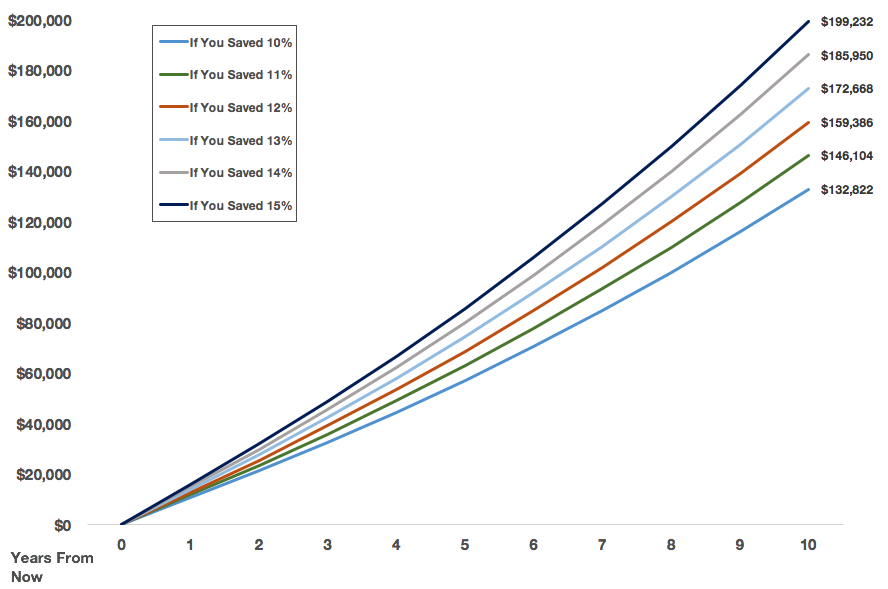
Big change gets the movie trailer. Incrementalism gets the work done.
We love the dramatic makeover, the overnight success story, the heroic before-and-after photo where someone goes from “I own one sad dumbbell” to “I appear to have been carved from motivational granite.” But most meaningful progress does not arrive with fireworks, theme music, or a slow-motion montage. It arrives wearing sneakers, carrying a checklist, and whispering, “Again tomorrow?”
That is the heart of incrementalism: the belief that small, repeated improvements can reshape a life, a business, a body, a relationship, a skill, or a bank account. The slight edge is the tiny advantage created by doing the right little things consistently, especially when they seem too ordinary to matter. Five minutes of walking. One paragraph written. One follow-up email. One healthy meal. One honest conversation. One extra review before sending the proposal. Not glamorous. Very effective.
In a world addicted to shortcuts, incremental progress sounds almost suspiciously boring. But boring is not the enemy. Boring is often where the magic hides, usually wearing sensible shoes.
What Incrementalism Really Means
Incrementalism is not laziness disguised as strategy. It is not “doing the bare minimum” and hoping the universe applauds. It is a disciplined approach to improvement that favors steady, repeatable action over occasional bursts of intensity.
Instead of asking, “How can I transform everything by Friday?” incrementalism asks, “What is the smallest useful step I can repeat long enough for it to matter?” That question is less exciting, but it is far more survivable.
The slight edge works because small actions compound. A single good choice may not change your life today, just as one skipped workout may not destroy your health. The danger and the opportunity both live in repetition. Tiny behaviors become patterns. Patterns become identity. Identity becomes destiny, or at least your calendar, your energy level, and the state of your inbox.
Why Small Wins Are More Powerful Than They Look
Research on motivation and workplace progress has repeatedly shown that people are energized by visible movement. Small wins create proof. They tell the brain, “Something is happening. Keep going.” That matters because humans are not machines running on logic. We are emotional raccoons with calendars. We need evidence that effort is paying off.
A small win lowers the psychological cost of continuing. When you clean one drawer, you are more likely to clean another. When you write 200 words, the next 200 feel less impossible. When you save $20, you begin to see yourself as someone who saves. Momentum is not always born from intensity; often, it is born from completion.
This is why tiny progress can beat heroic inconsistency. A person who exercises moderately four times a week for a year will usually outperform the person who attempts a brutal two-week fitness crusade, buys complicated protein powder, injures a shoulder, and disappears until January.
The Habit Science Behind the Slight Edge
Habits form through repetition in a consistent context. That may sound obvious, but it is the kind of obvious truth we ignore while buying productivity apps with more features than a small aircraft.
To make a behavior stick, you need three practical ingredients: a cue, an easy action, and a reward or feeling of completion. The action should be small enough that you can do it even on a low-motivation day. That is the genius of the tiny habit approach. “Read for one hour every night” may collapse under the weight of real life. “Read one page after brushing my teeth” can survive a tired Tuesday.
The secret is not to make goals smaller because you lack ambition. The secret is to make the starting line so close that excuses have nowhere to sit down.
Examples of tiny but meaningful habits
- Write one sentence before checking social media.
- Drink a glass of water before the first coffee.
- Walk for five minutes after lunch.
- Review tomorrow’s top priority before closing the laptop.
- Put $10 into savings every Friday.
- Send one thoughtful message to a friend each week.
None of these actions will make the heavens open on day one. But repeated long enough, they build structure, confidence, and results. They are small hinges that swing surprisingly large doors.
Incrementalism in Business: Kaizen, Not Chaos
The business world has a formal name for this philosophy: continuous improvement. In lean thinking and kaizen, the focus is on making processes better through regular, practical refinements. Instead of waiting for one grand reinvention, teams look for waste, friction, errors, delays, and confusion, then improve them step by step.
This is not just factory-floor wisdom. It applies to marketing, customer service, software, management, hiring, and content strategy. A company rarely becomes excellent because someone held a three-hour meeting titled “Operation Excellence Explosion.” It becomes excellent when people repeatedly ask better questions:
- Where are customers getting stuck?
- What task wastes the most time every week?
- Which handoff creates mistakes?
- What can we simplify?
- What can we measure?
- What can we improve by 1% this month?
The slight edge in business is often invisible from the outside. Faster response times. Cleaner onboarding. Clearer documentation. Better subject lines. More useful product pages. Fewer unnecessary approvals. These changes may not look revolutionary, but customers feel them. Employees feel them too. Over time, small operational advantages become a moat.
The 1% Better Idea: Useful, With One Warning
The phrase “get 1% better every day” is popular because it captures the emotional truth of compounding. Small improvements accumulate. If you improve your writing, health, sales process, or emotional regulation a little at a time, the long-term difference can be enormous.
But let’s be honest: life is not a spreadsheet that politely compounds at a fixed rate. Some days you get 1% better. Some days you get 0.003% better and spill coffee on the evidence. Some days you simply do not quit, which is an underrated form of progress.
The real value of the 1% mindset is not mathematical precision. It is direction. It keeps your attention on the next controllable improvement instead of the entire mountain. You do not have to become a different person by dinner. You only have to make the next choice slightly better than the default.
How Slight Edges Transform Everyday Life
Health
Health is the classic home of incremental progress. Most people do not need a punishing transformation plan. They need a repeatable one. Walking more, sitting less, sleeping a bit better, eating more whole foods, and drinking more water are not exotic strategies. They are simple behaviors that work because the body responds to consistency.
A five-minute walk may seem laughably small, but it can become ten minutes, then twenty. Preparing one decent breakfast can lead to better energy, fewer snack emergencies, and less reliance on the office vending machine, also known as the glowing rectangle of regret.
Money
Financial progress often begins with unromantic habits: tracking spending, automating savings, paying bills on time, increasing contributions gradually, and avoiding purchases made during emotional weather events. Nobody claps when you skip an unnecessary subscription. But your future self may send a thank-you card.
Money loves systems. A small automatic transfer repeated monthly can do more than occasional bursts of financial enthusiasm. The slight edge is not always earning more; sometimes it is leaking less.
Skills
Skills grow through deliberate repetition. Ten focused minutes of language practice every day beats a three-hour guilt session once a month. Writing improves by writing. Public speaking improves by speaking. Design improves by designing. Strategy improves by making decisions, reviewing outcomes, and adjusting.
Talent matters, but repetition sharpens talent. The slight edge belongs to the person who practices when nobody is impressed yet.
Relationships
Relationships are built on small signals: listening without checking your phone, saying thank you, remembering details, apologizing quickly, making time, asking better questions, and doing what you said you would do. Romance may love grand gestures, but trust prefers receipts.
A relationship rarely falls apart from one missed text. It erodes through repeated neglect. Fortunately, it can also be strengthened through repeated care. The slight edge can be as simple as being consistently considerate.
Why We Resist Incremental Progress
If incrementalism works so well, why do we resist it? Because it bruises the ego. We want to believe we are one perfect plan away from becoming spectacular. Small steps feel too humble. They do not flatter our fantasy of sudden greatness.
Incremental progress also lacks immediate drama. You can post a photo of a marathon medal. It is harder to post, “Day 47 of stretching my calves and making responsible choices.” Yet the second one may be what made the first possible.
Another reason we resist small steps is impatience. The modern world trains us to expect instant feedback. Order food, track the driver. Send a message, watch for dots. Post a photo, wait for likes. But meaningful change often happens below the surface before it becomes visible. Roots grow before fruit shows up. Annoying, but botanically sound.
How to Build Your Own Slight Edge System
1. Pick one area, not twelve
Trying to overhaul your entire life at once is how you end up exhausted, suspicious of vegetables, and surrounded by abandoned notebooks. Choose one area first: health, work, money, learning, relationships, or environment.
2. Choose a behavior so small it feels almost silly
If the habit does not feel easy, shrink it. Want to meditate? Start with one breath. Want to write? Start with one sentence. Want to exercise? Put on your shoes and walk to the end of the block. The goal is to build reliability before intensity.
3. Attach it to an existing routine
Use something you already do as the cue. After coffee, review the day’s top task. After lunch, walk for five minutes. After brushing your teeth, read one page. Existing routines are like hooks on the wall. Hang the new behavior there.
4. Track completion, not perfection
A simple checkmark can be surprisingly motivating. Do not overcomplicate tracking unless your true hobby is designing tracking systems instead of changing your life. Measure whether you showed up. Showing up is the seed of mastery.
5. Review and adjust weekly
Incrementalism is not blind repetition. It includes reflection. Ask what worked, what got in the way, and what should be made easier. The goal is not to shame yourself into discipline. The goal is to design a path that your real life can support.
The Quiet Confidence of Doing the Next Right Thing
The beauty of incrementalism is that it gives power back to ordinary days. You do not need perfect conditions. You do not need a personality transplant. You do not need to wait for Monday, a new planner, or a cosmic sign delivered by a bald eagle.
You need one repeatable action. Then another. Then another.
The slight edge is not flashy, but it is loyal. It rewards patience. It respects effort. It turns identity into something you practice, not something you merely announce. You become a writer by writing, a runner by running, a better leader by leading better in the next conversation, a healthier person by making healthier choices when no one is watching.
That last part matters. The most important slight edges are often private. They happen in the kitchen, at the desk, on the walk, in the decision not to react, in the extra five minutes spent improving the work before sending it out. They are small promises kept.
Experiences Related to Incrementalism & Slight Edges
The most convincing argument for incrementalism is not theoretical. It is experiential. Anyone who has ever improved at something difficult knows that progress usually arrives quietly, then all at once appears obvious.
Consider writing. A blank page can feel like a locked door guarded by a very judgmental goose. The mistake many people make is waiting until they feel inspired enough to produce something brilliant. But inspiration is unreliable. It has the attendance record of a cat. A better approach is to write a little every day: one paragraph, one outline, one rough idea, one headline, one improved sentence. At first, nothing dramatic happens. Then the mind starts collecting material in the background. Sentences come faster. Ideas connect. The writer becomes less afraid of the page because the page is no longer a rare emergency; it is a familiar workplace.
Fitness works the same way. The first walk around the block may feel too small to count. But it counts because it changes the pattern. The person who walks today is more likely to walk tomorrow. The person who walks tomorrow may eventually stretch, lift, hike, swim, or sign up for a 5K with the reckless optimism usually reserved for online shopping. The body adapts, but the identity adapts too. “I should exercise” slowly becomes “I am someone who moves.” That shift is enormous.
In professional life, slight edges often show up as preparation. The person who spends ten minutes before a meeting clarifying the objective tends to ask better questions. The person who follows up promptly becomes easier to trust. The person who documents processes saves the team from future confusion. None of these behaviors look heroic in isolation. But over months and years, they create a reputation: reliable, thoughtful, prepared, easy to work with. That reputation is a compound asset.
Relationships also reward small consistency. One kind message will not repair years of distance, but regular attention can reopen a door. A weekly call with a parent, a sincere compliment to a partner, a quick “I remembered this made me think of you” text to a friendthese are tiny deposits into emotional trust. People may forget impressive speeches, but they remember who kept showing up.
Even confidence is incremental. Many people wait to feel confident before acting, but confidence usually comes after evidence. You do the thing badly, survive, do it again, improve slightly, and eventually stop treating the task like a haunted mansion. Confidence is not a lightning bolt. It is a receipt folder.
The experience of practicing slight edges teaches a calming lesson: you do not have to win the whole future today. You only have to improve the next repeatable piece. Clean the desk. Open the document. Send the invoice. Take the walk. Choose the apple sometimes. Read the page. Make the apology. Review the numbers. Sleep at a reasonable hour, even if your phone is trying to convince you that you urgently need to watch a video about a raccoon stealing grapes.
Over time, these small choices create a life that feels less accidental. Not perfect. Not permanently optimized. Just sturdier. More intentional. More aligned with the person you meant to become before your schedule, habits, and snack drawer staged a coup.
Conclusion: Small Is Not Small When It Repeats
Incrementalism deserves praise because it is humane. It does not demand that you become superhuman overnight. It asks you to become slightly more faithful to your own priorities, one action at a time.
The slight edge is available to almost everyone because it begins where you are. It does not require perfect timing, expensive equipment, or a dramatic announcement. It requires attention, repetition, and patience. The results may be quiet at first, but quiet does not mean weak. Seeds are quiet. Roots are quiet. Compounding is quiet. Then one day, everyone calls it success.
So start small. Keep going. Improve the system. Protect the habit. Forgive the missed day. Return quickly. The edge is slight, but it is realand with enough time, it becomes the difference.
SEO Tags
Note: This article is written in original American English for web publishing and synthesized from reputable information on habit formation, small wins, continuous improvement, public health behavior change, and practical personal development.











