
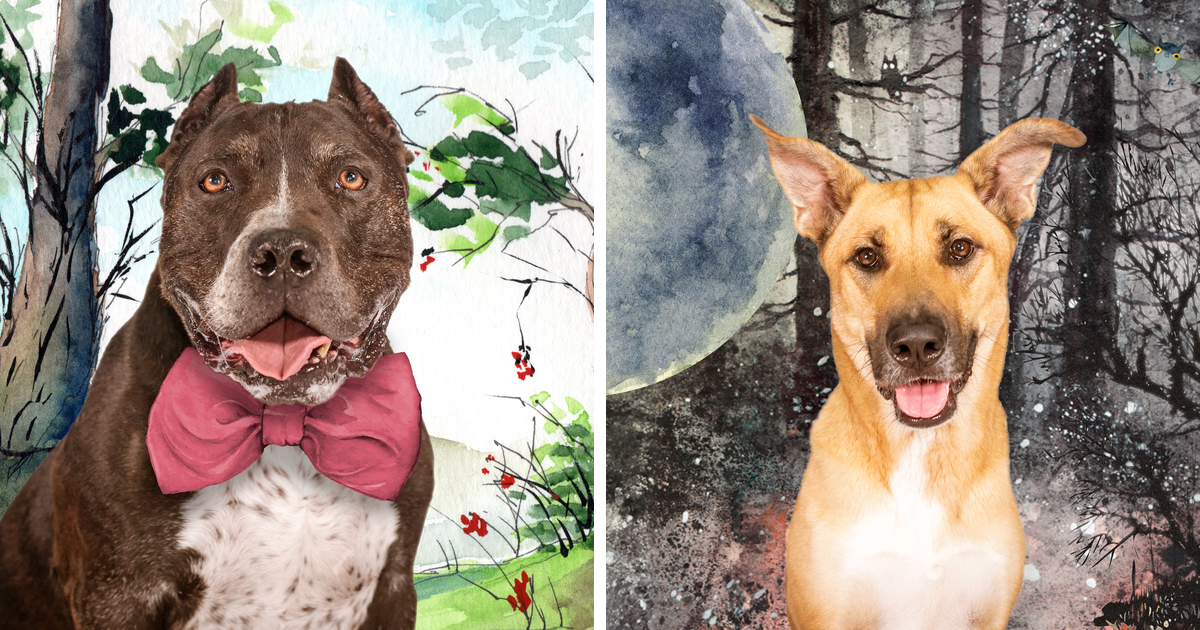
Some projects begin with a serious artistic vision. Others begin with a dog licking the lens, a volunteer whispering “he usually sits,” and a photographer realizing that “usually” is the most optimistic word in the English language. This calendar project was a little bit of both.
The idea was simple: take twelve portraits of dogs connected to a local rescue, turn those portraits into a cute calendar, and use the finished piece to raise support for animals who needed more than a quick adoption photo and a hopeful caption. The reality involved treats, patience, white backdrops, editing software, and several dogs who believed the photo set was actually a snack buffet with lighting equipment.
At the heart of the project was a Central Florida rescue effort focused on helping dogs become safe, happy, well-supported family members. Some dogs had been adopted through the rescue. Others had benefited from community programs such as training assistance, grooming support, outreach, and a pet food pantry. In other words, these were not just “cute dogs in costumes.” They were twelve tiny ambassadors for what rescue work really looks like: practical help, second chances, and a lot of people doing unglamorous things because they love animals.
Why a Dog Calendar Still Works in the Age of Endless Scrolling
A rescue dog calendar sounds charmingly old-school, like something your aunt would hang in the kitchen next to a magnet that says “Live, Laugh, Bark.” But that is exactly why it works. A calendar is not just another post disappearing into the social media fog. It stays in a home for twelve months. It gets looked at while someone makes coffee, pays bills, forgets what day it is, and then remembers because March has a dog named Gus looking deeply concerned about tax season.
For local animal rescues, fundraising is rarely a luxury. It helps cover veterinary care, food, training, transportation, emergency support, and the basic operating costs that keep a rescue alive. National animal-welfare data continues to show that shelters and rescues face pressure from intake, longer stays for some dogs, and community barriers such as housing costs, pet-care expenses, and limited foster availability. A calendar fundraiser may look adorable on the outside, but inside that spiral binding is a very practical mission.
The Story Behind the 12 Rescue Dog Portraits
The dogs chosen for the calendar were more than pretty faces, although to be fair, they were extremely pretty faces. Each dog represented the rescue’s larger mission: meet animals where they are, understand what they need, and give them a better path forward.
That matters because rescue dogs are not blank slates. Some are shy. Some are deaf or blind. Some are bursting with more energy than a toddler after birthday cake. Some need confidence around strangers, patience with new environments, or help learning that the world is not always scary. A good rescue does not simply label these dogs “difficult.” It asks better questions: What support does this dog need? What home would help them thrive? What kind of training, enrichment, or routine will set them up for success?
A calendar gave those stories a cheerful, accessible format. Instead of asking people to read a long report about animal welfare, it invited them to smile at a dog in a digital winter scene or a playful seasonal design. That smile can become a purchase. That purchase can become food, supplies, training, or medical care. Somewhere along the way, cuteness becomes currency for compassion.
How the Photo Sessions Were Planned
Photographing rescue dogs is not like photographing a bowl of fruit. The bowl of fruit does not suddenly decide the backdrop is suspicious. It does not eat the prop. It does not turn around at the exact moment the shutter clicks to show the world its fluffy rear end. Dogs, however, are committed improvisers.
Because many rescue dogs can be sensitive to unfamiliar people, objects, and spaces, the setup needed to be simple. Instead of overwhelming the dogs with elaborate props, costumes, furniture, and seasonal chaos, the portraits began with a clean white background. That choice may sound risky to anyone who has ever met a dog, because white surfaces and paws have a long history of conflict. But a plain background offers two major advantages: it keeps the dog visually front and center, and it makes the image easier to transform later into digital artwork.
Step 1: Keep the Environment Familiar
The dogs were photographed in a space connected to the rescue, a place that felt more familiar than a busy public studio. For nervous dogs, familiarity can make the difference between a relaxed portrait and a photo that looks like the dog has just remembered an unpaid parking ticket.
Comfort also affects body language. A dog who feels safe is more likely to offer soft eyes, natural posture, and the tiny expressions that make people fall in love. Shelter and adoption photography experts often recommend minimizing stress, using good light, focusing on the animal’s personality, and avoiding distracting backgrounds. The goal is not perfection. The goal is trust.
Step 2: Use Treats, Praise, and Patience
Every dog worked at their own pace. Some understood the assignment immediately and became furry supermodels. Others needed time to sniff the setup, inspect the floor, question the photographer’s credentials, and negotiate payment in snacks.
Positive reinforcement was essential. Treats, praise, toys, and calm handling helped create a photo session that felt like a fun experience instead of a strange demand. That approach matters, especially for dogs who may already be cautious around new situations. A rescue calendar should never come at the expense of the dog’s comfort. The best portrait is the one where the animal still feels safe after the camera is put away.
Step 3: Capture the Dog Before Creating the Scene
The portraits started simply: dog first, theme later. Once a strong chest-up portrait was captured, the creative work moved into editing. The clean background made it easier to isolate each dog and build a custom digital scene around them.
This approach solved a common problem in themed pet photography. Physical props can be adorable, but they can also be distracting, limiting, and stressful. A digital scene gives the artist more flexibility. One dog can become a snow-day superstar. Another can look ready for spring flowers, fall leaves, or a holiday card his future family will absolutely send to everyone, including the dentist.
Turning Dog Portraits Into Calendar Art
The magic of the project happened in two stages: first, the honest portrait; then, the imaginative transformation. The original image captured the dog’s expression, personality, and posture. Editing tools helped turn that image into a polished calendar design with seasonal charm.
Basic adjustments such as cropping, exposure correction, and color balance helped create consistency across the series. Then the dog could be separated from the background and placed into a custom scene. This is where the calendar became more than a collection of photos. It became a set of little stories.
A shy dog could be shown in a soft, gentle composition. A goofy dog could get a bolder, brighter scene. A dignified senior might look perfect in a cozy autumn design. A high-energy pup could practically demand a month with confetti, sunshine, and the visual equivalent of zoomies.
Why Good Pet Photography Helps Rescue Dogs
In animal rescue, a photograph can be the first bridge between a dog and a potential adopter. People often begin their adoption search online, scrolling through profiles before they ever visit a shelter or rescue. A blurry kennel photo may not communicate much beyond “dog exists.” A thoughtful portrait can say, “This dog has a personality, a story, and a future.”
Good rescue photography does not need to make every dog look like a magazine model. It needs to help viewers connect. Bright eyes, clean backgrounds, natural expressions, and short descriptions of personality can make an adoptable pet feel real to someone browsing at home. The right image can turn passive scrolling into action: an inquiry, a share, a foster application, a donation, or an adoption visit.
That is why projects like this calendar matter. They celebrate dogs who might otherwise be reduced to quick intake photos or brief profile notes. They say, “Look closer.” And when people look closer, they often care more.
The 12-Pic Calendar Concept: One Dog, One Month, One Mood
A twelve-month calendar gives each dog room to shine. Instead of crowding every animal onto one poster, each month becomes a mini spotlight. The rhythm is simple and satisfying: January introduces a fresh face, February brings another personality, and by the time December arrives, the viewer has spent an entire year with rescue dogs who each got their own moment.
The monthly format also gives the artist room to match each dog’s vibe. Some dogs look naturally regal, as if they own a small estate and have strong opinions about throw pillows. Others radiate pure cartoon energy. Some are soft, soulful, and gentle. Others look like they just heard someone open a cheese wrapper three rooms away.
A good calendar does not force all twelve dogs into the same joke. It lets each animal lead the design. That is what makes the final product feel personal rather than generic.
The Local Rescue Angle: More Than Cute Pictures
Local rescues often serve as more than adoption pipelines. Many provide community support designed to keep pets with their families in the first place. Pet food pantries, low-cost training, grooming clinics, educational programs, and emergency assistance can help prevent surrender when families face financial stress or behavioral challenges.
That matters because helping animals is not only about finding new homes. Sometimes it is about preserving existing homes. If a family can access food, training, or short-term support, a dog may never need to enter a shelter at all. Prevention is not as photogenic as a puppy in a bow tie, but it is one of the most powerful forms of animal welfare.
The calendar highlighted this broader mission. It celebrated dogs already helped by the rescue and reminded buyers that their money supported real programs, not just a cute product. Every page quietly said: this is what your support makes possible.
What Makes a Rescue Calendar Shareable
A successful dog calendar needs more than adorable subjects, although adorable subjects are doing a lot of heavy lifting here. It also needs a clear concept, consistent visuals, and a reason for people to talk about it.
1. A Strong Emotional Hook
“Buy a calendar” is fine. “Help local rescue dogs get the support they need” is better. The emotional hook gives the product meaning. People are not only purchasing paper and pictures. They are participating in a rescue story.
2. Personality-Driven Images
The best pet portraits feel specific. A good image should make viewers think, “I know exactly what that dog is like,” even if they have never met the dog. Tilted heads, expressive ears, gentle eyes, and goofy grins are all storytelling tools.
3. A Community Connection
Local fundraisers work because people like seeing familiar organizations succeed. A dog calendar can bring together adopters, volunteers, fosters, trainers, donors, and local businesses. It becomes a community keepsake as much as a fundraiser.
4. Easy Ways to Support
The easier it is to buy, share, gift, or promote the calendar, the better. People love helping animals, but they are also busy. A simple purchasing process and clear explanation of where proceeds go can make a big difference.
Lessons From Photographing Rescue Dogs
The biggest lesson is that rescue dogs do not need to be “fixed” before they are worthy of being celebrated. Nervous dogs, high-energy dogs, disabled dogs, older dogs, and dogs with complicated histories all deserve beautiful images. In fact, those images may be especially powerful because they challenge the idea that only perfect, easy, camera-ready pets deserve attention.
The second lesson is that patience beats pressure. A rushed session creates stress. A patient session creates trust. Dogs notice everything: tone of voice, body posture, sudden movements, the mysterious crinkle of the treat bag. When the human slows down, the dog often begins to relax.
The third lesson is that simple can be spectacular. A plain backdrop, good lighting, and a calm handler can do more than a pile of props. When the dog’s face is the focus, the viewer connects with the animal first. The creative effects can come later.
How This Project Can Inspire Other Shelters and Photographers
Any rescue, shelter, or animal-loving photographer can borrow the heart of this idea. The production can be simple or elaborate, depending on resources. A small rescue might use a smartphone, natural light, and a clean wall. A professional photographer might create polished studio portraits and custom digital scenes. The important part is the same: make the animals visible, lovable, and memorable.
For shelters with limited budgets, volunteers can help with basic photography days. Foster families can submit photos. Local printers may offer discounts. Small businesses can sponsor a month. Pet parents can buy copies as holiday gifts. Schools, vet clinics, groomers, trainers, and pet supply stores can help promote the finished calendar.
The best rescue fundraisers do not make supporters feel guilty. They make supporters feel connected. A calendar full of joyful dog portraits says, “Here is something beautiful you can bring home, and here is the good it helps create.”
Why People Respond So Strongly to Rescue Dog Stories
Rescue dog stories have a special emotional power because they combine vulnerability with hope. People see an animal who needed help, then they see that help arrive. The story does not have to be dramatic to matter. Sometimes the most moving rescue story is simply: a dog was scared, someone was patient, and now the dog is safe.
Calendars, portraits, and photo essays make that transformation visible. They let people celebrate the outcome without ignoring the work behind it. Behind every polished portrait are volunteers cleaning kennels, fosters managing routines, donors buying food, trainers solving behavior challenges, and adopters choosing commitment over convenience.
That is the real beauty of a rescue calendar. The dogs get the spotlight, but the whole community is in the frame.
Extra Experiences: What This Project Taught Me About Dogs, Art, and Rescue Work
After spending time with a project like this, you start to understand that dog photography is less about commanding a pose and more about listening with your eyes. A dog will tell you when the room feels too loud. They will tell you when the treat is acceptable but the squeaky toy is an insult. They will tell you when they are ready to engage, and they will definitely tell you when they have decided the session is over by walking off with the confidence of a celebrity leaving an interview.
One of the most memorable parts of creating a rescue dog calendar is watching each personality reveal itself in tiny flashes. The cautious dog who takes five minutes to approach may suddenly offer the softest eye contact in the whole session. The energetic dog who cannot sit still may produce one perfect frame between leaps, blinks, and tail-powered earthquakes. The senior dog may not perform tricks, but they may carry a quiet dignity that turns a simple portrait into something deeply moving.
There is also a strange comedy to the process. You learn that dogs have no respect for artistic deadlines. You can plan a winter wonderland theme, but the dog may arrive with summer-camp energy. You can set up a clean white background, but one pawprint will appear like a signature from the universe. You can ask for “just one more shot,” and the dog will interpret that as “please lie down and show me your belly.”
But those little interruptions often make the final work better. Rescue photography should not erase personality in pursuit of polish. The crooked ear, the suspicious eyebrow, the slightly too-serious stare, the tongue that refuses to stay inside the mouththese are not flaws. They are the details that make a dog feel real.
Working on a calendar also changes the way you think about fundraising. It is easy to imagine donations as numbers on a spreadsheet, but every dollar has a job. It might help fill a food pantry shelf. It might support a training class that keeps a dog in a home. It might help a rescue say yes when an animal needs care. A calendar makes that support tangible. Someone can hold it, gift it, hang it, and remember the dogs all year long.
The project also shows how creative people can help local rescues even if they cannot foster or adopt. Not everyone has the space, schedule, or resources to bring home another dog. But photographers, designers, writers, printers, social media managers, event planners, and small business owners all have skills that can support animal welfare. Sometimes the best way to help is to ask, “What can I make that would be useful?”
In the end, the twelve portraits became more than calendar pages. They became proof that rescue dogs deserve to be seen beautifully, not only when they are easy, young, perfectly trained, or instantly adoptable. They deserve the spotlight because they are already worthy of it. The calendar was cute, yes. Very cute. Dangerously cute. Hide-your-wallet cute. But underneath the sweetness was a serious message: when a community shows up for rescue animals, second chances become more than hopeful words. They become something you can see, month after month.
Conclusion
Turning twelve rescue dog portraits into a cute calendar may sound like a small creative project, but it carries a big-hearted purpose. It celebrates the dogs, supports the rescue, gives adopters and volunteers something joyful to share, and reminds the community that animal welfare is built through many acts of care. Some acts are dramatic. Some are practical. Some involve a camera, a white backdrop, a bag of treats, and a dog who is absolutely certain that the entire production was arranged in honor of his snack preferences.
At its best, a rescue calendar is not just a product. It is a year-long invitation to care. Every month introduces another face worth remembering. Every purchase helps continue the work. And every portrait proves that rescue dogs do not need perfect beginnings to become unforgettable.
Note: This article is fully rewritten in original American English for web publication, based on publicly available information about the rescue calendar project, animal rescue fundraising, shelter support, and pet photography best practices.











