
Paint on faux leather has a special talent for appearing exactly where you do not want it: on a sofa arm, a favorite jacket, a dining chair, a car seat, or that “looks expensive but was surprisingly affordable” handbag. The good news is that you can often remove paint from faux leather without turning the surface into a sad, peeling science experiment. The trick is to move gently, identify the paint type, and resist the urge to attack it with every solvent under the sink.
Faux leather, also called synthetic leather, vegan leather, PU leather, vinyl leather, leatherette, or pleather, usually has a plastic-like surface coating over a fabric backing. That top layer is what gives it the smooth leather look. It is also the part that can crack, dull, peel, or discolor if you use harsh chemicals, too much water, abrasive scrubbing, acetone, paint thinner, or nail polish remover. In other words, faux leather is tough enough for daily use, but it does not enjoy being treated like a garage floor.
This guide explains how to remove paint from faux leather in 9 practical steps using a gentle, surface-safe approach. It focuses mostly on common household paint accidents, especially water-based latex or acrylic paint, which are usually easier to manage than oil-based paint. You will also learn what to avoid, when to stop, and how to prevent a tiny paint dot from becoming a full-blown upholstery drama.
Before You Start: Know What You Are Cleaning
Before you begin removing paint from faux leather, pause for a quick inspection. This one-minute check can save the item. Fresh latex or acrylic paint behaves very differently from dried oil-based paint. A small speck on a sealed faux leather chair is also easier to treat than a thick smear that has soaked into cracks, seams, or peeling areas.
Water-Based Paint vs. Oil-Based Paint
Most interior wall paints, craft paints, and many acrylic paints are water-based. When fresh, they can often be softened with warm water and mild dish soap. Dried water-based paint is harder, but it may still lift with patience, a plastic scraper, and repeated gentle blotting.
Oil-based paint is more stubborn. It usually needs stronger solvents on hard surfaces, but those same solvents can damage faux leather. If you suspect the paint is oil-based, or if the stain is large, dark, glossy, sticky, or deeply set, it is safer to contact a furniture repair specialist, auto upholstery cleaner, or leather/vinyl restoration professional. Sometimes the smartest DIY step is knowing when not to turn your couch into a chemistry lab.
Supplies You Will Need
Gather your tools before you start so you are not sprinting around the house with paint on your hands and panic in your eyes.
- Clean white microfiber cloths
- Cotton swabs
- A bowl of warm water
- Mild dish soap or gentle liquid soap
- A plastic spoon, plastic scraper, or old gift card
- Soft-bristled toothbrush, used very lightly
- Paper towels for blotting fresh paint
- Faux leather cleaner or vinyl-safe cleaner, if available
- Dry towel
- Optional: faux leather repair cream or color-matched vinyl repair product for damaged finishes
Use white cloths whenever possible. Colored rags can transfer dye, which is rude behavior from a cleaning cloth and exactly the kind of plot twist nobody requested.
How to Remove Paint from Faux Leather: 9 Steps
Step 1: Act Quickly, but Do Not Rub
If the paint is still wet, move fast but calmly. Blot the paint with a clean paper towel or microfiber cloth. Lift the paint straight up instead of wiping side to side. Rubbing spreads paint into a wider, thinner stain and can push pigment into seams, texture, or tiny surface cracks.
For a thick blob, use the edge of a plastic spoon or old gift card to scoop up excess paint. Work from the outside of the spot toward the center. This keeps the stain from expanding. Do not use a metal knife, razor blade, screwdriver, or anything sharp. Faux leather can scratch or cut easily, and once the top coating is damaged, cleaning becomes much harder.
Step 2: Check the Care Label or Manufacturer Instructions
Before adding moisture or cleaner, check the care tag, product manual, or manufacturer website if you have it. Some faux leather furniture, bags, and garments can be cleaned with mild soap and water. Others may recommend only a damp cloth or a specific vinyl-safe cleaner.
If the item is expensive, vintage, designer, peeling, cracked, or already fragile, treat the care label like a tiny legal contract. Ignoring it may lead to discoloration, coating damage, or a repair bill that makes the original paint stain look charming by comparison.
Step 3: Test in a Hidden Area
Mix a small amount of mild dish soap with warm water. Dip a white cloth into the solution, wring it out until damp, and test it on a hidden area. Good test spots include the underside of a cushion, the back of a chair, the inside edge of a jacket hem, or the bottom corner of a handbag.
Wait a few minutes and check for color transfer, dullness, stickiness, peeling, or texture changes. If the surface looks normal, continue. If the cloth picks up color or the faux leather feels tacky, stop and use only a dry cloth or consult a professional.
Step 4: Soften the Paint with a Damp Cloth
Place a damp, soapy microfiber cloth over the paint spot for one to three minutes. The goal is to soften the paint, not soak the faux leather. Too much water can seep into seams or backing fabric, causing swelling, staining, odor, or adhesive issues.
After a short wait, gently press and lift. Do not scrub yet. For fresh water-based paint, you may see color transferring onto the cloth. Rotate to a clean part of the cloth often so you are not reapplying paint to the surface. Yes, cleaning can be sneaky like that.
Step 5: Lift the Paint with a Plastic Edge
Once the paint softens, use a plastic scraper, spoon edge, or old gift card to lift it away. Hold the edge nearly flat against the surface and nudge the paint gently. Think “coax,” not “excavate.”
If the paint flakes off, remove the loosened pieces with a dry cloth or a vacuum brush held slightly above the surface. Avoid pressing the vacuum attachment directly into the faux leather if the finish is delicate. For textured faux leather, a soft toothbrush can help loosen tiny paint bits, but use feather-light pressure.
Step 6: Clean the Area with Mild Soap
After removing the larger paint pieces, clean the remaining residue with a fresh cloth dipped in mild soapy water. Wring the cloth well. Wipe in small circles around the stain, then switch to gentle straight strokes. This prevents a ring from forming around the cleaned area.
For small details, use a cotton swab dampened with the same soap solution. Cotton swabs are useful around stitching, piping, embossed grain, and edges. Replace the swab as soon as it picks up paint. A dirty swab is just a tiny mop with bad intentions.
Step 7: Rinse with a Clean Damp Cloth
Soap residue can attract dirt and leave faux leather looking cloudy. After the paint is mostly gone, wipe the area with a clean cloth dampened with plain water. Again, the cloth should be damp, not dripping.
Work carefully and avoid flooding seams or cracks. If the item is a jacket, bag, or cushion cover, do not run it under the faucet. Faux leather is not meant to be soaked like laundry. Its surface may be water-resistant, but the backing and adhesives often are not.
Step 8: Dry Immediately and Inspect
Use a dry microfiber towel to blot away moisture. Let the item air-dry at room temperature, away from direct sunlight, heaters, hair dryers, or heat guns. Heat can make faux leather stiff, brittle, warped, or shiny in all the wrong places.
Once dry, inspect the spot under natural light. If a faint paint shadow remains, repeat the mild soap method once or twice. Do not keep scrubbing endlessly. Repeated friction can remove the finish even when the cleaner itself is gentle.
Step 9: Use a Faux Leather Cleaner or Call a Pro for Stubborn Paint
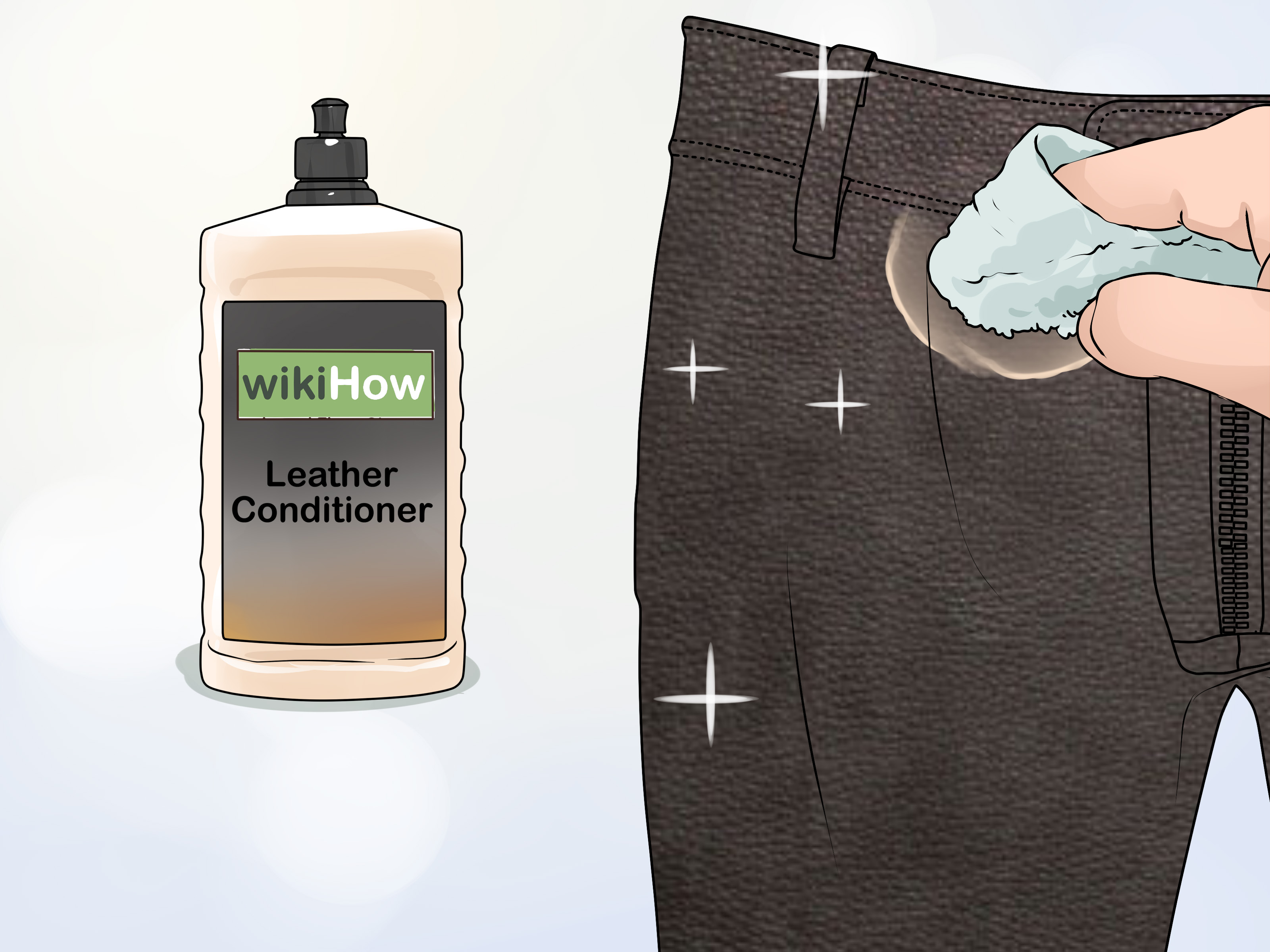
If the stain remains after gentle cleaning, try a cleaner specifically labeled safe for faux leather, vinyl, or PU leather. Follow the product directions exactly and test first. Do not automatically reach for acetone, nail polish remover, lacquer thinner, turpentine, mineral spirits, bleach, ammonia, or rubbing alcohol. These may remove paint, but they may also remove shine, color, coating, or your will to continue home improvement projects.
For oil-based paint, large spills, dried enamel, paint in seams, or stains on expensive furniture and car interiors, professional help is the safest option. A vinyl or leather repair technician may be able to clean the stain, recolor the area, or apply a finish repair so the item looks consistent again.
What Not to Use on Faux Leather
Many paint-removal tips online are designed for glass, metal, wood, concrete, or washable fabric. Faux leather is different. It has a coated surface that can be damaged by products that work beautifully elsewhere.
- Do not use acetone or nail polish remover. These can dissolve or dull synthetic coatings.
- Do not use paint thinner unless the manufacturer says it is safe. Most faux leather items are not built for aggressive solvents.
- Do not scrape with metal tools. They can gouge the surface.
- Do not use bleach or ammonia. They may discolor or weaken the material.
- Do not soak the item. Excess water can damage backing fabric and seams.
- Do not use abrasive pads or magic eraser-style sponges aggressively. They may sand off the finish.
- Do not use high heat. Hair dryers, heat guns, and direct sun can warp or crack faux leather.
How to Handle Dried Paint on Faux Leather
Dried paint requires patience. Start by gently flexing the faux leather if the item allows it. Sometimes dried latex or acrylic paint cracks and loosens from the surface. Do not bend the item sharply, especially if it is old or peeling.
Next, place a warm, damp cloth over the spot for a few minutes. Then lift softened edges with a plastic scraper. Repeat this process in short sessions. It is better to do three gentle rounds than one dramatic attack. Faux leather rewards patience and punishes rage-cleaning.
If paint has settled into textured grain, use a soft toothbrush with mild soapy water. Brush lightly in the direction of the texture, then blot. Avoid circular scrubbing if it starts to dull the surface. If the paint remains in deep grooves, a professional cleaner may be needed to avoid stripping the finish.
How to Remove Acrylic Paint from Faux Leather
Acrylic paint is common in craft rooms, classrooms, DIY projects, and “I saw this on Pinterest” weekends. If it is wet, blot it immediately. Then clean with mild soap and warm water. If it has dried, soften it with a damp cloth and gently lift it with a plastic edge.
Acrylic paint forms a flexible film as it dries. That film may peel away from smooth faux leather, especially if the surface is sealed and the paint has not been there long. However, if acrylic paint has bonded to a worn or porous area, removal may leave a dull spot. In that case, stop once the paint is reduced and consider a vinyl repair product instead of over-cleaning.
How to Remove Latex Paint from Faux Leather
Latex paint is usually water-based, which gives you a fighting chance. Fresh latex paint should be blotted, softened with warm soapy water, and lifted gently. Dried latex paint can often be loosened in layers. Keep the cloth damp and warm, but never wet enough to drip.
If the latex paint is thick, focus on removing the raised paint first. Once the surface blob is gone, clean the remaining haze with mild soap. Do not try to erase the stain by grinding away at it. If the faux leather starts looking dull, stop. A small shadow is better than a bald patch in the finish.
How to Remove Oil-Based Paint from Faux Leather
Oil-based paint is the difficult cousin at the cleaning family reunion. It usually requires solvent-based removal on many surfaces, but faux leather does not tolerate strong solvents well. If oil-based paint is fresh, blot as much as possible without spreading it. Use a dry cloth first, then try a barely damp soapy cloth around the edges.
If the paint remains sticky, glossy, or deeply colored, do not experiment with paint thinner unless the care instructions clearly allow it. For valuable items, call a professional. For low-value items, you may decide to test a vinyl-safe specialty cleaner in a hidden area, but understand that success is not guaranteed. With oil-based paint, the goal may shift from “perfect removal” to “best possible improvement without destroying the surface.”
Preventing Paint Spills on Faux Leather
The easiest paint stain to remove is the one that never lands. Before painting near faux leather furniture, cover it with a plastic drop cloth, old sheet, or painter’s tarp. Move handbags, jackets, stools, ottomans, and dining chairs out of the work zone. Paint has a suspicious ability to travel farther than expected, especially when brushes, pets, children, or enthusiastic adults are involved.
If you are painting while sitting on a faux leather chair, reconsider your life choices for that afternoon. Wear old clothes, keep wet brushes away from upholstery, and place paint trays on stable surfaces. If a spill happens anyway, clean it immediately. Fast action is your best friend; panic scrubbing is not.
Real-Life Experience: What Actually Works When Paint Hits Faux Leather
In real homes, paint stains rarely happen in perfect laboratory conditions. They happen when someone is touching up a wall “for just five minutes,” when a craft project migrates from the table to the chair, or when a paint can lid is not quite as closed as everyone hoped. The biggest lesson from practical experience is this: the first response matters more than the fanciest cleaner.
For example, a small splash of fresh white latex paint on a dark faux leather dining chair can often be handled with a simple blot-and-lift method. The key is not to smear it. Scoop the thick paint first with a plastic card, blot what remains, then use a damp cloth with a tiny amount of dish soap. In many cases, the stain comes off before it becomes a crisis. The chair survives. The painter learns humility. Everyone moves on.
Dried paint is less friendly. A dried acrylic dot on a faux leather jacket may sit on top of the coating like a tiny plastic cap. If you soften it with a damp cloth and gently nudge the edge with a fingernail wrapped in cloth or a plastic scraper, it may pop off. But if the paint is in a crease or worn area, the finish underneath may already be compromised. That is when patience matters. Repeating gentle softening is safer than trying to win the battle in one aggressive scrape.
Another common situation is paint mist or tiny speckles on a faux leather couch after a nearby wall project. These speckles can be annoying because each one is small, but together they create a dusty, freckled look. The best approach is to work in sections. Dampen a microfiber cloth with warm soapy water, hold it on one section briefly, then wipe lightly. Use cotton swabs for individual dots. This takes time, but it protects the finish. Put on music, accept your fate, and clean like a patient person from a home improvement commercial.
The worst outcomes usually come from “miracle fixes.” Nail polish remover may seem tempting because it attacks paint quickly, but it can also attack faux leather quickly. Rubbing alcohol may dull the sheen. Abrasive pads may remove the topcoat. A hair dryer may harden paint further or warp the surface. These methods can turn a removable stain into permanent damage. The lesson is boring but true: gentle cleaning wins more often than dramatic cleaning.
Finally, manage expectations. Faux leather is a coated material, not a magical self-healing creature. If paint has bonded to the coating, stained the color layer, or settled into cracks, complete removal may not be possible without refinishing. In that case, a color-matched vinyl repair kit or professional restoration can make the item look much better. Sometimes the victory is not making the piece perfect; it is making it presentable enough that guests do not ask, “So, what happened here?”
Conclusion
Removing paint from faux leather is all about gentle control. Start by blotting, identify the paint type, test in a hidden spot, soften the paint with mild soapy water, lift it with a plastic edge, rinse lightly, and dry immediately. Avoid harsh solvents, soaking, sharp tools, abrasive scrubbing, and heat. For fresh water-based paint, these 9 steps can work surprisingly well. For dried, oil-based, or deeply set paint, patience and professional help may be the better path.
The most important rule is simple: protect the faux leather finish first. A tiny leftover shadow is easier to live with than peeling, discoloration, or a shiny scrubbed patch. Clean slowly, check your progress often, and remember that your goal is not just to remove paint from faux leather; it is to keep the faux leather looking like faux leather, not like it lost a bar fight with a paint can.
Note: This article is based on real cleaning principles and common faux leather care guidance. Always follow the manufacturer’s care label first, spot-test any cleaner, and use professional repair services for valuable, fragile, or heavily stained items.











