
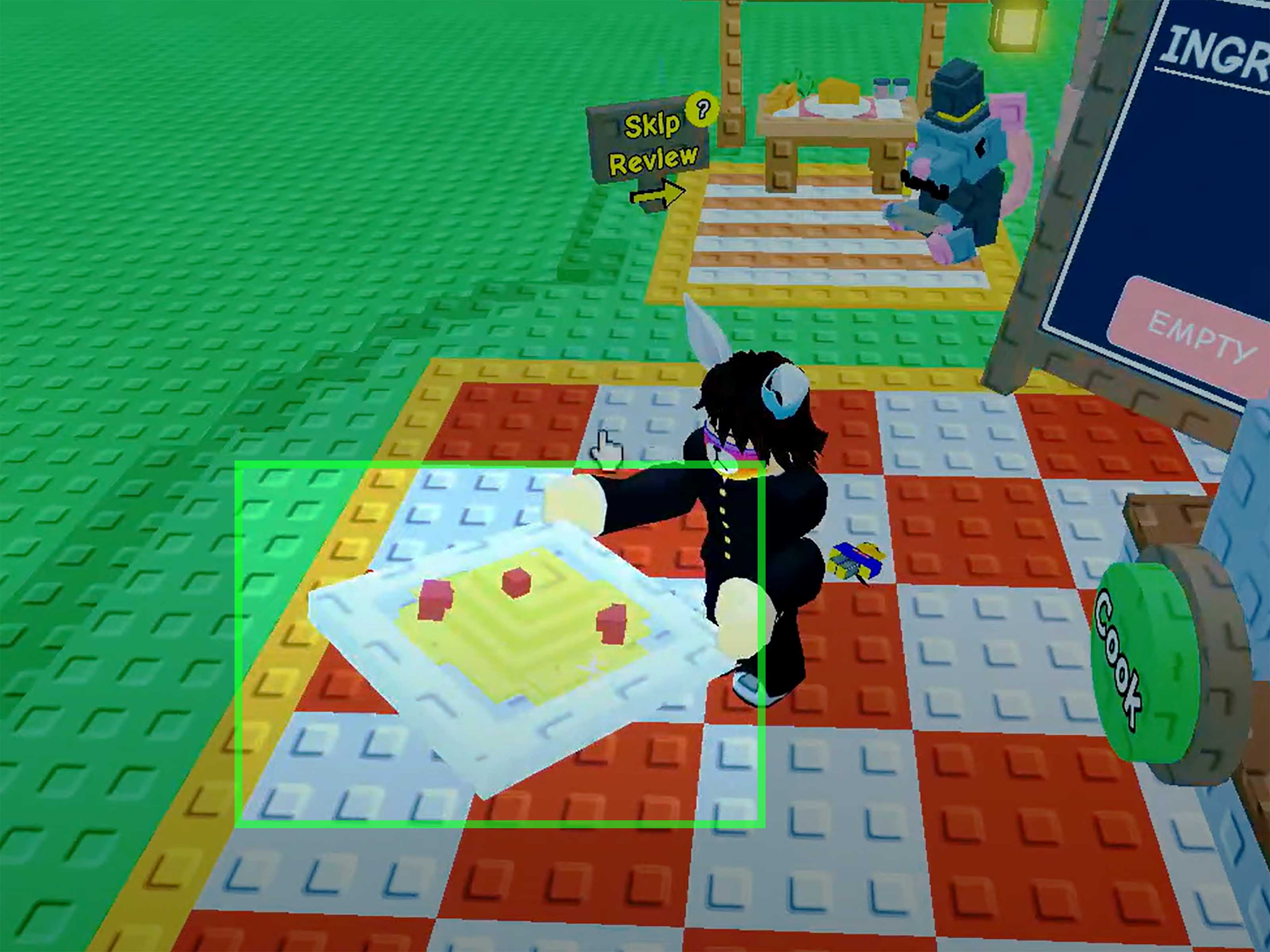
Spaghetti in Grow a Garden sounds like something your Roblox farmer would whip up after a long day of yelling at crops to grow faster. But in the game, spaghetti is not just a cute food item. It is part of the cooking system that turns harvested crops into dishes, rewards, pets, and a little bit of “wait, why did that become soup?” confusion.
If you are trying to figure out how to make spaghetti in Grow a Garden, the main idea is simple: combine tomato-based ingredients, pasta-like crops, vegetables, and higher-rarity fillers in the cooking pot. The tricky part is that different ingredient combinations can produce different rarities, and some recipes work best when the NPC is craving spaghetti. In other words, this is not your grandma’s Sunday pasta. This is garden chemistry with a ladle.
This guide breaks down the known spaghetti recipes, the ingredients you should save, the steps to cook spaghetti, and the best strategy for avoiding wasted rare crops. Whether you are chasing Prismatic Spaghetti, trying to use Bone Blossom wisely, or just wondering why your five beautiful ingredients became soup with trust issues, this guide has you covered.
What Is Spaghetti in Grow a Garden?
Spaghetti is one of the food recipes added through Grow a Garden’s cooking-focused updates. Instead of only planting, harvesting, and selling crops, players can use crops as ingredients in a cooking pot. The finished food can then be served to cooking NPCs, most commonly Chris P., for rewards.
The reward quality usually depends on the dish rarity, the value of the ingredients, the current craving, and whether the recipe successfully creates the intended food. If the recipe misses the mark, you may get a fallback dish, often soup. Soup is not terrible, but let’s be honest: nobody brings rare crops to the pot hoping for “Oops Stew.”
Spaghetti stands out because its best recipes often require valuable ingredients such as Bone Blossom, Sugarglaze, Grand Tomato, Bell Pepper, Beanstalk, Ember Lily, Mushroom, and Dragon Pepper. That means you should not toss random premium crops into the pot unless you know what result you are aiming for.
How to Make Spaghetti in Grow a Garden
To cook spaghetti, you need to use the cooking pot or cooking station available through the cooking system. The exact interface may change slightly with updates, but the basic process stays familiar: collect the ingredients, add them to the pot, start cooking, wait for the timer, then serve the finished dish to the right NPC.
Step-by-Step Spaghetti Cooking Instructions
- Collect the required ingredients. Choose a tested spaghetti recipe based on the rarity you want.
- Go to the cooking pot. This is where crops are turned into meals.
- Hold each ingredient and add it to the pot. Make sure you add the correct number of each crop.
- Start cooking. After the ingredients are in the pot, begin the cooking process.
- Wait for the food to finish. Higher-value ingredients can affect the cooking experience, so do not panic if the timer feels longer than a microwave minute.
- Serve the spaghetti. Give the dish to Chris P. or the relevant cooking NPC for rewards.
The safest strategy is to test cheaper versions first, then move up to expensive combinations once you understand how the current game version handles spaghetti recipes. Grow a Garden recipes can shift after updates, so treating rare crops like disposable seasoning is not recommended.
Grow a Garden Spaghetti Recipes and Ingredients
Below are commonly reported spaghetti recipes used by players. Since Grow a Garden recipes may depend on updates, cravings, and ingredient value, always double-check the current in-game result before spending your rarest crops.
| Spaghetti Rarity | Ingredients | Best Use |
|---|---|---|
| Transcendent Spaghetti | 1x Sugarglaze, 1x Grand Tomato, 3x Bone Blossom | Best for high-tier reward attempts when spaghetti is a craving. |
| Prismatic Spaghetti | 1x Tomato, 1x Corn, 1x Bell Pepper, 2x Bone Blossom | A popular high-rarity recipe with a clear vegetable-and-sauce structure. |
| Prismatic Spaghetti Variant | 1x Violet Corn, 1x Tomato or Grand Tomato, 2x Bone Blossom, 1x Pepper | Useful if you have Violet Corn and want a stronger ingredient profile. |
| Divine Spaghetti | 1x Tomato, 1x Corn, 1x Beanstalk, 2x Ember Lily | A strong recipe when you do not want to spend Bone Blossom. |
| Mythical Spaghetti | 1x Tomato, 1x Corn, 1x Mushroom, 2x Dragon Pepper | A practical recipe for players with Dragon Pepper available. |
These combinations make sense because spaghetti usually follows a loose food logic: tomato acts like sauce, corn or Violet Corn can stand in for the pasta base, peppers add vegetable flavor, and rare crops increase the dish tier. Bone Blossom is especially important in many high-rarity cooking recipes, so it often appears in Prismatic and Transcendent attempts.
Best Ingredients for Spaghetti in Grow a Garden
Not every crop is equally useful for spaghetti. Some ingredients appear again and again in successful recipes, while others are more experimental. If you are farming specifically to make spaghetti, prioritize the following crops.
Tomato and Grand Tomato
Tomato is the heart of most spaghetti recipes. That makes perfect sense: no tomato, no sauce, no spaghetti happiness. Grand Tomato is usually used in higher-tier combinations because it carries more value and can help push a dish toward better rarity.
Corn and Violet Corn
Corn may look like an odd pasta ingredient if you are thinking like a real chef, but Grow a Garden is not running an Italian restaurant inspection. Corn often works as a core recipe component, while Violet Corn can support higher-value variants.
Bell Pepper and Pepper
Bell Pepper and Pepper help complete the vegetable side of the recipe. In many spaghetti combinations, they appear alongside tomato and corn to shape the dish into spaghetti rather than another food type.
Bone Blossom
Bone Blossom is one of the most important premium ingredients for high-rarity spaghetti. It appears in the Transcendent and Prismatic recipes, which makes it valuable but risky. Do not throw Bone Blossom into random cooking attempts unless you are ready for possible disappointment and a dramatic stare at your screen.
Beanstalk, Ember Lily, Mushroom, and Dragon Pepper
These crops help with Divine and Mythical spaghetti recipes. Beanstalk and Ember Lily appear in a commonly listed Divine combination, while Mushroom and Dragon Pepper appear in a Mythical version. They are useful alternatives when you want to cook spaghetti without relying completely on Bone Blossom.
Which Spaghetti Recipe Should You Use First?
If you are new to cooking spaghetti, start with the recipe that matches your inventory rather than chasing the rarest dish immediately. The best recipe is not always the flashiest one. It is the one you can afford to test without feeling like you accidentally donated your retirement fund to a cooking pot.
For most players, the Prismatic Spaghetti recipe with Tomato, Corn, Bell Pepper, and Bone Blossom is the most straightforward high-tier target. It uses recognizable spaghetti-style ingredients and has been widely shared as a working combination. However, it still requires two Bone Blossoms, so it is not cheap.
If you have no Bone Blossom or want to save it, try focusing on the Divine Spaghetti recipe using Tomato, Corn, Beanstalk, and Ember Lily. It may be easier depending on your garden progress and event stock. If your inventory is heavy on Dragon Pepper, the Mythical version can also be a reasonable stepping stone.
How Cravings Affect Spaghetti Rewards
Grow a Garden’s cooking system is not only about making food. It is also about timing. Chris P. may have cravings that change over time, and giving him the food he currently wants can improve your rewards. This is why many players wait until spaghetti is specifically requested before using expensive ingredients.
When spaghetti is the craving, high-rarity spaghetti becomes much more attractive. That is when you should consider spending premium crops like Bone Blossom, Sugarglaze, Grand Tomato, Ember Lily, or Dragon Pepper. If spaghetti is not the craving, you can still cook it, but the reward efficiency may not feel as exciting.
A smart approach is to keep a “spaghetti basket” in your inventory. Save the necessary crops, watch for cravings, and cook when the timing is right. It is basically meal prep, except your customer is a pig NPC and the kitchen has the emotional volatility of a stock market.
Common Mistakes When Making Spaghetti
Using Random Rare Crops
Rare ingredients do not automatically create rare spaghetti. The recipe structure matters. Adding five expensive crops without a spaghetti pattern may produce a different dish or a fallback result. High value helps, but it does not replace the correct combination.
Ignoring the Number of Ingredients
Many spaghetti recipes require five total ingredients. If a recipe says two Bone Blossoms, do not use one. If it says three Bone Blossoms, do not “eyeball it.” Grow a Garden cooking is not a soup grandma recipe where a handful means whatever your heart says.
Cooking Before Checking the Craving
Using rare crops when spaghetti is not requested can reduce your reward efficiency. If you are cooking for fun, go ahead. If you are cooking for maximum rewards, wait for the right craving whenever possible.
Assuming Every Online Recipe Still Works
Grow a Garden updates can change recipe behavior. Some community recipes are marked as tested, while others are still experimental. Before spending your best crops, test with lower-value ingredients or check whether other players are reporting the same result after the latest update.
Spaghetti Sloth, Pasta, Sauce, and Meatball Mutations
The Spaghetti Sloth is connected to spaghetti-themed gameplay because it can apply food-style mutations such as Pasta, Sauce, or Meatball to nearby fruit. When these mutation types combine, they can create the Spaghetti mutation. That makes the pet valuable for players who enjoy mutation stacking and profit-focused gardening.
However, making spaghetti as a cooked dish and getting a spaghetti-related mutation are not exactly the same activity. Cooking spaghetti uses ingredients in the pot. Spaghetti Sloth affects crops through its passive trait. Both are pasta-flavored chaos, but they are different systems. Knowing the difference helps you avoid mixing up recipe guides with pet mutation strategies.
Best Strategy for Farming Spaghetti Ingredients
To make spaghetti consistently, plan your garden around repeatable ingredient production. Keep Tomato and Corn available because they appear in several spaghetti recipes. Save Bell Pepper, Pepper, Mushroom, Beanstalk, Ember Lily, Dragon Pepper, and Bone Blossom for higher-tier attempts. When possible, grow multiple recipe paths so you are not stuck waiting on one rare crop.
For example, if you only farm Bone Blossom-based recipes, you may run out quickly. But if you also save Beanstalk and Ember Lily, you can attempt Divine Spaghetti when Bone Blossom is scarce. If you grow Dragon Pepper and Mushroom, you have a Mythical route. This gives you flexibility when cravings appear.
Inventory discipline matters. Do not sell every useful crop the moment it matures. Keep a small reserve of spaghetti ingredients so you can react quickly when the cooking window is favorable. A good reserve might include Tomato, Corn, Bell Pepper, Pepper, Mushroom, Dragon Pepper, Beanstalk, Ember Lily, Grand Tomato, Sugarglaze, and Bone Blossom.
Is Spaghetti Worth Making in Grow a Garden?
Yes, spaghetti is worth making if you are aiming for cooking rewards, experimenting with high-rarity recipes, or completing food-related goals. It is especially worth it when spaghetti is part of the current craving, because the reward potential becomes more attractive.
That said, spaghetti can be expensive. Transcendent and Prismatic recipes may require rare crops that take effort to obtain. If your garden is still early-stage, focus on building a steady crop economy before chasing the most expensive spaghetti combinations. The goal is to cook smart, not to turn your whole farm into one heroic bowl of noodles.
Practical Example: Choosing the Right Spaghetti Recipe
Imagine you have 1 Grand Tomato, 1 Sugarglaze, 3 Bone Blossoms, 2 Tomatoes, 1 Corn, and 1 Bell Pepper. If spaghetti is the current craving and you want the biggest attempt, you might choose the Transcendent recipe: 1 Sugarglaze, 1 Grand Tomato, and 3 Bone Blossoms. That is the premium play.
But if spaghetti is not the craving, you may want to wait. Those ingredients are too valuable to spend casually. Instead, you could use lower-tier ingredients for testing or keep farming until the craving changes. Patience in Grow a Garden is not glamorous, but neither is watching rare crops become a dish you did not want.
Extra Player Experience: What It Feels Like to Make Spaghetti in Grow a Garden
Making spaghetti in Grow a Garden is one of those game activities that sounds simple until you actually do it. At first, you think, “I have tomatoes. I have corn. How hard can pasta be?” Then the cooking pot looks back at you like a tiny judge with steam coming out of its head. Suddenly, you are counting ingredients, checking cravings, comparing recipes, and wondering whether your Bone Blossom deserves a better life.
The most important experience-based tip is this: do not rush your first high-rarity spaghetti attempt. The temptation is real. You finally collect a rare ingredient, your inventory looks fancy, and your brain whispers, “Cook it now. Become legendary.” Ignore that tiny gremlin. Before using rare crops, make sure you know which recipe you are following and whether spaghetti is currently wanted by the NPC.
Another thing players quickly learn is that spaghetti rewards feel better when you prepare in advance. If you wait until the craving appears before gathering ingredients, you may miss the window or scramble through your garden like a chef who forgot the restaurant opens in five minutes. A better routine is to keep a small ingredient reserve. Save a few Tomatoes, Corn, Bell Peppers, Peppers, Mushrooms, and premium crops. This way, when spaghetti becomes useful, you are ready.
It also helps to separate ingredients into mental categories. Tomato is your sauce. Corn or Violet Corn is your pasta-style base. Bell Pepper, Pepper, Mushroom, Beanstalk, Ember Lily, and Dragon Pepper help shape the recipe and rarity. Bone Blossom, Grand Tomato, and Sugarglaze are premium boosters that should be treated with respect. Think of them as the “do not waste unless serious” ingredients.
Players who enjoy efficiency usually wait for spaghetti cravings before attempting Prismatic or Transcendent recipes. Players who enjoy discovery may test variants more often. Both styles are valid. The only truly painful style is tossing random rare crops into the pot and hoping the game reads your mind. It will not. The cooking pot has no mercy and apparently no customer service department.
The best part of making spaghetti is that it adds another layer to gardening. Crops are no longer just things you sell. They become parts of a recipe system, a reward strategy, and sometimes a hilarious disaster story. One session might be about farming Tomatoes. Another might be about hunting Bone Blossom. Another might be about waiting for Chris P. to crave spaghetti while you stare at your inventory like a pasta accountant.
In the end, spaghetti is fun because it rewards planning. The more you understand ingredients, cravings, rarity, and recipe structure, the less random the system feels. You may still get surprises, but at least they will be informed surprises. And when your carefully saved ingredients finally turn into a high-rarity spaghetti dish, it feels less like luck and more like you successfully ran the weirdest little farm-to-table restaurant in Roblox.
Conclusion
Learning how to make spaghetti in Grow a Garden comes down to using the right ingredients, choosing the correct rarity target, and timing your cooking around cravings. Tomato, Corn, Bell Pepper, Bone Blossom, Grand Tomato, Sugarglaze, Beanstalk, Ember Lily, Mushroom, and Dragon Pepper are the main ingredients to understand. For top-tier attempts, Transcendent Spaghetti usually uses Sugarglaze, Grand Tomato, and Bone Blossom, while Prismatic Spaghetti commonly uses Tomato, Corn, Bell Pepper, and Bone Blossom.
The smartest players do not just cook randomly. They farm ingredients ahead of time, save rare crops for the right moment, and test recipes carefully after updates. Spaghetti may look like a simple food item, but in Grow a Garden, it is a strategy dish. Treat your ingredients well, respect the cooking pot, and may your next meal be spaghetti instead of suspicious soup.











