
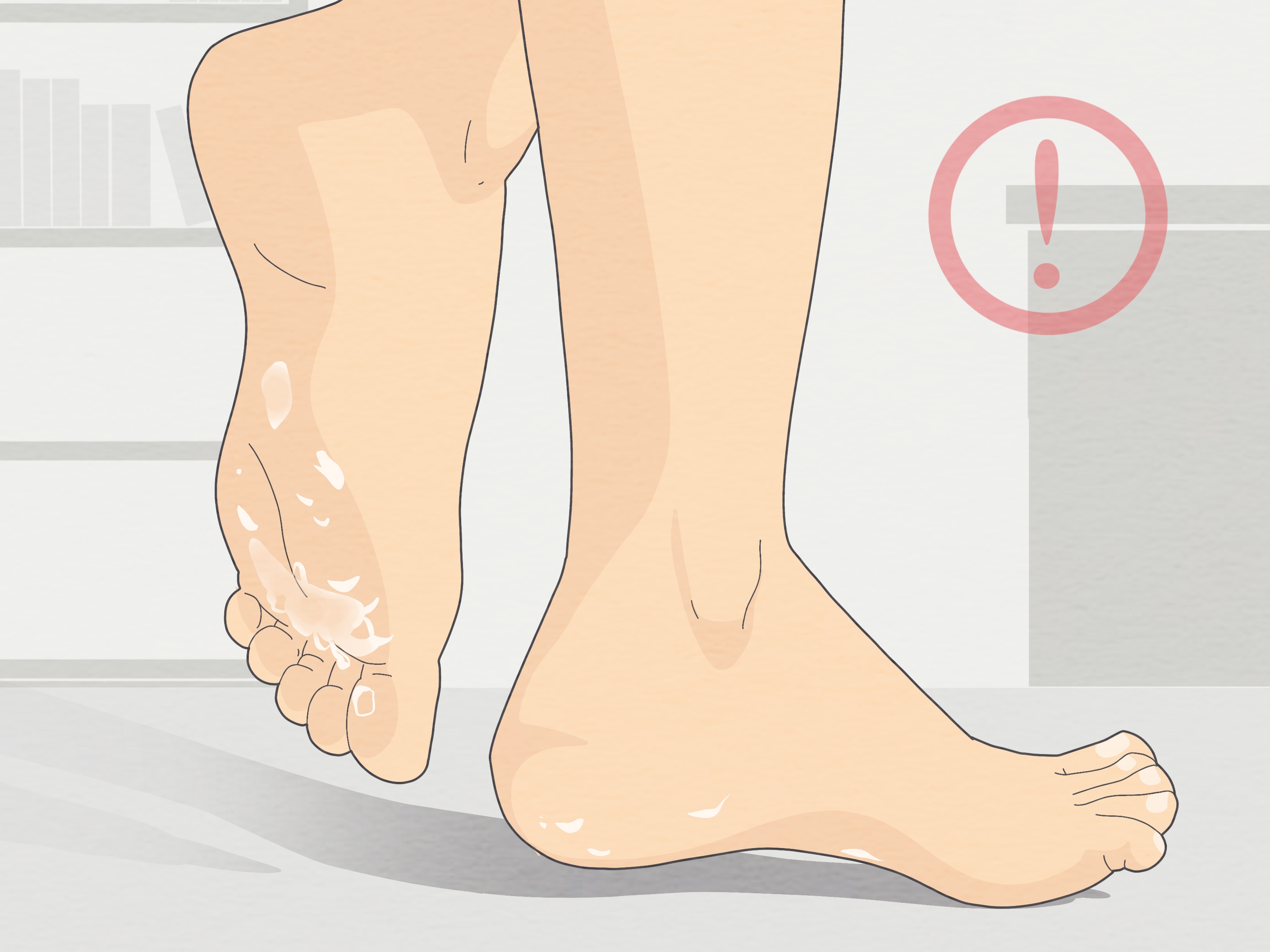
Peeling skin has a special talent for showing up at the worst possible moment. Big date? Peel. Beach trip? Peel. Important meeting where you want to look calm, polished, and unbothered? Congratulations, your forehead is suddenly shedding like a lizard with a deadline.
The good news is that peeling skin is often manageable at home when you act fast and treat your skin gently. The less-fun news is that “fast” does not mean scrubbing it off like old paint from a chair. In most cases, the quickest way to get rid of peeling skin is to help your skin barrier heal, reduce irritation, lock in moisture, and avoid the habits that keep the cycle going.
If your skin is peeling after sun exposure, over-washing, harsh acne products, cold weather, or a mild irritation, you can often calm it down within days. But if the peeling is severe, painful, widespread, or comes with blisters, fever, drainage, or swelling, it is time to stop playing bathroom chemist and get medical help.
Here is how to get rid of peeling skin fast, without making your skin angrier than it already is.
Why Skin Starts Peeling in the First Place
Before you fix peeling skin, it helps to know what triggered it. Peeling is not one condition. It is a symptom. Your skin is basically waving a tiny white flag and saying, “I have had enough.”
Dry skin and a damaged skin barrier
This is one of the most common causes. Cold air, indoor heat, long hot showers, harsh soaps, and frequent handwashing can strip the skin’s natural oils. Once the barrier is damaged, the outer layer dries out, cracks, and flakes off.
Sunburn
Sunburn is a classic peeling-skin villain. Peeling after a burn is your body’s way of shedding damaged cells. It may start a few days after too much sun and often comes with redness, tenderness, and that specific regret known as “I thought one afternoon outside would be fine.”
Skin care product irritation
Retinoids, acne products, exfoliating acids, benzoyl peroxide, and strong anti-aging formulas can all cause redness, stinging, dryness, and peeling, especially when you start using them too often or layer too many active ingredients at once.
Eczema or contact dermatitis
If peeling comes with itching, redness, burning, or patches that keep coming back, eczema or contact dermatitis may be the reason. New detergent, fragrance, hair dye, gloves, hand sanitizer, and even certain metals can trigger irritated, peeling skin.
Fungal infections, psoriasis, or other skin conditions
Peeling on the feet may be athlete’s foot. Thick, scaly patches may point to psoriasis. If the pattern is unusual, stubborn, or worsening, a clinician should help figure out the exact cause.
How to Get Rid of Peeling Skin Fast: 8 Smart Steps
1. Stop picking, peeling, and scrubbing
This is the hardest step because peeling skin practically begs to be peeled. Resist the urge. Pulling off loose skin too early can create tiny injuries, increase redness, slow healing, and raise the risk of infection. Think of it this way: your skin is renovating, and you are not helping by ripping up the floorboards.
Also skip rough washcloths, cleansing brushes, gritty scrubs, and exfoliating masks. When skin is already peeling, more friction does not equal faster recovery. It equals drama.
2. Cool things down
If your skin feels hot, tight, or sunburned, cool it down right away. A cool shower, a cool compress, or a brief soak in cool water can reduce discomfort and calm inflammation. Keep it cool, not icy. Ice directly on irritated skin can make the situation worse.
This is especially helpful for sunburn-related peeling and for skin that feels raw after overusing exfoliants or acne treatments.
3. Cleanse with the gentlest thing you own
Use a mild, fragrance-free cleanser or even just lukewarm water if the area is very irritated. Avoid hot water, heavily scented soaps, foaming cleansers that leave your skin squeaky, and anything labeled “deep clean,” “clarifying,” or “extra strength.” Those are wonderful marketing phrases and terrible news for a damaged skin barrier.
Wash gently with your hands, pat dry with a soft towel, and do not rub. Your goal is clean skin, not a punishment scene for your face.
4. Moisturize immediately and generously
If you do one thing today, make it this. Apply a thick, fragrance-free moisturizer while the skin is still slightly damp. This helps trap water in the skin and speeds barrier repair.
In general, ointments are the heaviest and most effective for very dry, cracked skin. Creams are usually the next best choice. Lotions can be fine for mild dryness, but they often are not enough when skin is actively peeling.
Look for products with ingredients such as petrolatum, ceramides, glycerin, hyaluronic acid, dimethicone, or colloidal oatmeal. For sunburned skin, moisturizers with aloe vera or soy can feel soothing.
5. Protect the area like it is expensive silk
Freshly peeling skin hates friction. Wear soft, breathable fabrics. Avoid tight waistbands, scratchy sweaters, or anything that rubs the irritated area. If your hands are peeling, use gloves for dishwashing and cleaning. If your feet are peeling, change sweaty socks, let shoes air out, and keep the area dry and protected.
On small cracked patches, a thin layer of petroleum jelly can help seal in moisture and reduce water loss. At night, applying moisturizer and then wearing cotton gloves or socks can work like a mini overnight rescue mission.
6. Pause harsh skin care products
If your peeling started after using retinol, tretinoin, glycolic acid, salicylic acid, benzoyl peroxide, or strong vitamin C formulas, hit pause. Your skin is not failing the routine. The routine may be failing your skin.
Give your skin several days to recover. Once it is calm, you can restart slowly, usually every few nights instead of every night, and only one active product at a time. Moisturizer before or after an active can sometimes help reduce irritation.
7. Treat the cause, not just the flakes
If the peeling is caused by dry skin, barrier repair is the main answer. If it is caused by eczema or contact dermatitis, you may need an anti-inflammatory cream recommended by a clinician. If it is athlete’s foot, moisturizer alone will not fix the problem; an antifungal treatment may be necessary. If a medication or cosmetic product triggered the reaction, stop using it and read labels more carefully than you read your ex’s apology text.
Fast improvement happens when the treatment matches the reason.
8. Protect healing skin from the sun
Peeling skin is more vulnerable to UV damage and irritation. If the area is exposed, use a broad-spectrum sunscreen with SPF 30 or higher once the skin can tolerate it, and cover up with clothing or shade when possible. This matters even more if the peeling was caused by sunburn or by products that make skin more sun-sensitive, such as retinoids or alpha hydroxy acids.
What to Use and What to Avoid
Best things to use
Fragrance-free creams and ointments are your best friends. Gentle cleansers, petroleum jelly, ceramide creams, aloe-based moisturizers for sunburn, and soft nonstick bandages for irritated areas can all help. A humidifier may also be useful if dry indoor air is making everything worse.
Things to avoid
Avoid alcohol-heavy toners, scented lotions, scrubs, peeling gels, home chemical peels, lemon juice, toothpaste, essential oils, and any internet “hack” that sounds like it was invented during a sleepover and never reviewed by a dermatologist. Also avoid popping blisters, because broken skin is more likely to become infected.
How Fast Does Peeling Skin Go Away?
That depends on the cause. Mild dry-skin peeling can improve within a few days if you moisturize consistently and stop irritating the area. Peeling from a mild sunburn may last several days to about a week. Product-related peeling often calms down once the offending ingredient is stopped and the skin barrier is supported. Chronic conditions like eczema or psoriasis may improve, but they often need ongoing care to stay under control.
So yes, you can help peeling skin look better fast. But “fast” in skin terms usually means calming it down and helping it heal, not forcing the flakes off in one dramatic evening.
When Peeling Skin Means You Should See a Doctor
Home care is fine for many mild cases, but there are times when peeling skin deserves medical attention. Make an appointment if:
- The peeling is severe, painful, widespread, or keeps coming back.
- You have redness, swelling, pus, crusting, fever, or chills.
- The skin is blistering badly or looks burned beyond a mild sunburn.
- You think a medication caused the reaction.
- The peeling affects your eyes, mouth, genitals, or large areas of the body.
- You suspect athlete’s foot, eczema, psoriasis, or another skin condition and over-the-counter care is not helping.
Rapid, painful, sheet-like peeling or peeling with severe illness is not a “wait and see” moment. That needs urgent care.
Quick Fixes by Body Area
Face
Use a gentle cleanser, thick fragrance-free moisturizer, and sunscreen. Pause retinoids, acids, acne spot treatments, and exfoliants until your skin looks normal again.
Hands
Apply cream after every handwash, switch to lukewarm water, wear gloves for chores, and use ointment overnight with cotton gloves if needed.
Feet
If the peeling is dry and mild, moisturize well. If it is itchy, between the toes, or one-sided, think fungus and consider an antifungal product or medical advice.
After sunburn
Cool showers, aloe- or soy-containing moisturizer, plenty of fluids, soft clothing, and absolutely no peeling or popping blisters.
Experiences People Commonly Have With Peeling Skin
One of the most common experiences is the “I only tried one new product” story. Someone buys a strong exfoliating serum, uses it three nights in a row because they want quick results, and wakes up with stinging, shiny, peeling skin around the nose and mouth. The fix is rarely another active product. Usually, the skin calms down when they stop the serum, switch to a gentle cleanser, and use a thick moisturizer for several days. It feels annoyingly simple, but skin often responds best to less, not more.
Another familiar scenario is winter hand peeling. A person washes their hands constantly, uses hand sanitizer every hour, and then wonders why the knuckles look like parchment paper. The skin feels tight, tiny cracks appear, and lotion seems to vanish in seconds. In real life, the biggest improvement often comes from changing routines: using lukewarm water, patting the hands dry, applying hand cream after every wash, and wearing gloves during cleaning or dishwashing. It is not glamorous, but it works.
Sunburn peeling is its own unforgettable experience. At first, the skin is hot, sore, and bright red. A couple of days later, the peeling begins, usually right when the pain starts to fade. Many people make the mistake of scrubbing in the shower or tugging off loose flakes because they want the whole ordeal to be over. That usually leaves the skin more tender and patchy. The people who recover best tend to do the boring but effective things: cool showers, moisturizer while the skin is damp, soft clothing, and patience.
Then there is the “mystery rash” experience, where peeling comes with itching and irritation that keeps returning. A lot of people assume they just have dry skin, but the pattern tells a different story. The rash may flare after wearing certain gloves, trying a new detergent, coloring their hair, or using fragranced skin care. Once the trigger is identified and removed, the skin often improves much faster. This is why keeping track of new products and exposures can be surprisingly helpful.
People with chronic skin conditions often describe peeling skin as more than a cosmetic issue. It can sting when they wash, crack when they move, catch on clothes, and make them feel self-conscious in everyday situations. That experience matters. Fast relief is not only about appearance; it is about comfort and function. When treatment is matched to the cause, whether that means barrier repair, avoiding an irritant, or getting the right medication, people often notice that the skin looks better and feels better at the same time. And honestly, that is the real win.
Conclusion
If you want to get rid of peeling skin fast, the smartest approach is also the gentlest one: cool the area, wash with care, moisturize like you mean it, protect the skin barrier, and stop using the products or habits that caused the irritation in the first place. Peeling skin usually improves when you support healing instead of trying to force it. If the peeling is severe, painful, infected, or mysterious enough to deserve its own detective show, let a medical professional step in.











