
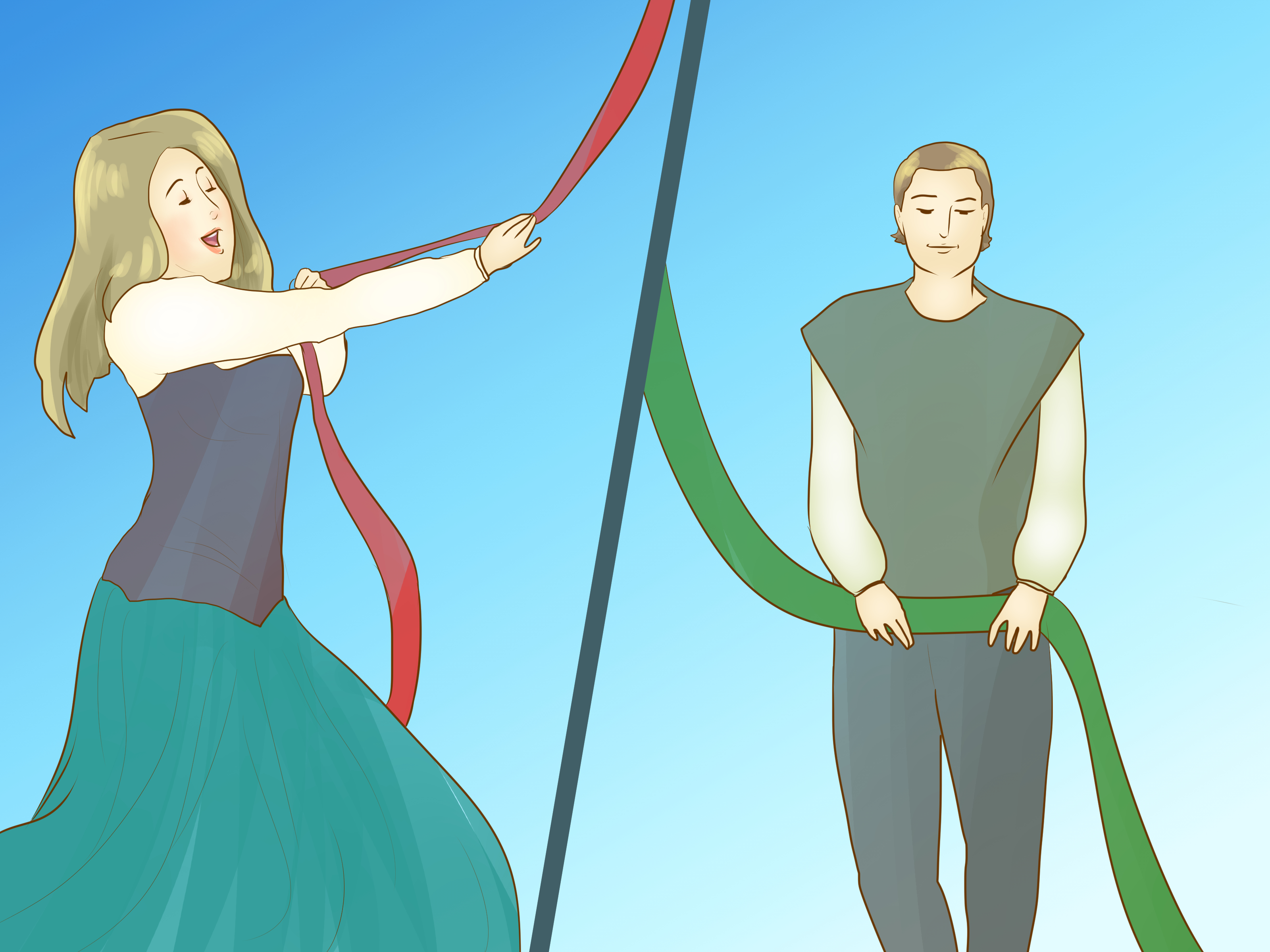
If you have ever watched a maypole dance and thought, “That looks magical,” followed immediately by, “That also looks like a very organized ribbon emergency,” you are not alone. A maypole dance is one of those traditions that looks complicated from the outside but becomes surprisingly doable once you understand the pattern. At its heart, it is a spring celebration: dancers circle a tall pole, each holding a ribbon, and weave those ribbons into a colorful braid. The finished result is part dance, part teamwork, part “wow, we actually pulled that off.”
This guide breaks down how to do a maypole dance in 3 simple steps. You will learn how to set up the pole, organize the dancers, weave the ribbons cleanly, and finish without turning the whole thing into a satin-based crisis. Whether you are planning a school event, a May Day celebration, a folk festival, or just want a delightfully old-fashioned excuse to skip in circles, this walkthrough will help you do it with confidence.
What Is a Maypole Dance, Anyway?
A maypole dance is a traditional spring dance usually performed around a tall pole decorated with ribbons, greenery, flowers, or all three if you are feeling ambitious. Each dancer takes one ribbon and moves around the pole in a pattern, usually alternating directions with the people beside them. As the dancers pass one another, some ribbons go over and some go under, creating a woven design around the pole.
That is the visual magic of a May Day dance: the pattern slowly appears while everyone keeps moving in rhythm. It is festive, communal, and just structured enough to make people feel smart when they get it right. It also works for children, teens, adults, and mixed-age groups, as long as the instructions are clear and the pace fits the dancers.
The best part is that you do not need to start with a complicated routine. A simple braid pattern is more than enough for a beautiful performance. Fancy versions can come later, after your group has mastered the basics and stopped walking directly into each other like cheerful traffic cones.
What You Need Before You Start
Before learning the steps, gather the basics for your maypole dance:
- A tall, secure pole anchored safely in the ground or attached to a sturdy base
- Long ribbons attached at the top of the pole
- An even number of dancers
- Open space around the pole
- Music with a steady beat
- One leader or caller to give cues
An even number of dancers is important because the classic weave depends on alternating positions around the circle. You can do a dance with a smaller or larger group, but balance matters more than size. For beginners, a moderate group works best because it lets everyone see the pattern without making the circle feel crowded.
Ribbon length matters too. You want enough ribbon for dancers to move comfortably without yanking the pole or each other. Keep the ribbons smooth, untangled, and not wrapped around wrists. This is a dance, not a hostage negotiation with craft supplies.
Step 1: Set Up the Pole, Ribbons, and Dancers
The first step in learning how to do a maypole dance is getting the setup right. A good setup makes the actual dancing dramatically easier. A bad setup creates confusion before the music even starts, which is a bold but unnecessary choice.
Arrange the dancers in an alternating circle
Have the dancers stand in a circle around the pole, each holding one ribbon. Alternate the group so every other dancer will move in the opposite direction. You can divide them by odd and even numbers, ribbon color, or simply by position around the circle. The goal is easy: one dancer goes clockwise, the next goes counterclockwise, and so on all the way around.
If you want to make the pattern easier to teach, assign the same ribbon color to dancers moving in the same direction. That way, people can quickly identify their lane. It also looks sharp once the weave forms, which is always nice when photos happen and someone’s aunt suddenly becomes an unpaid event photographer.
Practice the circle before adding movement
Before anyone starts skipping, check spacing. Every dancer should have enough room to move forward without bumping shoulders. The circle should be wide enough to keep the ribbons gently stretched, but not so wide that the ribbons sag dramatically like tired party streamers the morning after.
Ask everyone to face the direction they will travel. Do a dry run without weaving yet. Just walk in the circle and stop. This helps dancers understand their direction, maintain spacing, and realize early that “clockwise” is not a personality trait but an actual instruction.
Assign who goes over and who goes under
In a basic maypole ribbon pattern, one set of dancers holds ribbons higher while the other set keeps ribbons lower. As dancers pass, the lower ribbon-holders duck under the higher ribbons. Then, on the next pass, the positions switch. This alternating over-under action is what creates the braid.
Walk this slowly before music starts. Very slowly. At this stage, your goal is not elegance. Your goal is preventing mass confusion and teaching the logic of the weave.
Safety check before step two
Make sure the pole is secure, the ground is not slippery, and the ribbons are not tied around hands, wrists, or necks. Younger dancers do better when one or two adults stand nearby to coach quietly and step in if spacing collapses. A maypole dance should feel joyful, not like an obstacle course designed by a mischievous Victorian ghost.
Step 2: Learn the Weave Before the Music Speeds Up
The second step is where the dance begins to look like a real maypole dance instead of a group project with suspiciously elegant supplies. This is the weaving phase, and it is all about rhythm, timing, and repetition.
Walk the pattern first
Start with a walk, not a skip. Each dancer moves forward in the assigned direction while maintaining a steady pace. When two dancers meet, one ribbon goes high and the other goes low. The lower one passes underneath. On the next meeting, the roles reverse. Over, under, over, under. That is the engine of the whole dance.
If the group is new, count aloud. Four steps forward works well for beginners because it gives the dancers time to think. Once they understand the pathway, the movement can become smoother and more musical.
Keep the ribbons active but relaxed
Each dancer should keep a gentle tension on the ribbon. Too loose, and the ribbons droop and tangle. Too tight, and people start pulling each other off course like determined shoppers on Black Friday. Think “firm but friendly.” The ribbon should be alive in the hand, not limp and not aggressive.
Encourage dancers to look ahead instead of down at their feet. The maypole weave works better when people watch where they are going and anticipate the next pass. Looking down tends to produce last-second panic, which is rarely the foundation of graceful folk dance.
Repeat until the braid appears
As the dancers continue circling and passing, the ribbons will begin to wrap around the pole in a neat braided design. This is the moment when beginners usually light up, because they can finally see the pattern happening. Up until then, it feels a little like taking a test in ribbon geometry. Then suddenly, there it is: a bright, beautiful spiral working its way down the pole.
Pause after a short section and let dancers look at the design. This builds confidence and helps them understand that the over-under pattern is creating something visible and intentional. The dance feels much easier once people know the braid is not random luck.
Common mistakes that cause ribbon spaghetti
Most maypole problems come from a few predictable issues. The first is forgetting which direction to travel. The second is lifting or lowering the ribbon at the wrong moment. The third is walking too fast. Once speed outruns memory, the pole starts collecting mistakes with terrifying efficiency.
Another common problem is uneven spacing. If one dancer slows down and another speeds up, the passes no longer line up. The result is confusion, crossed ribbons, and the unmistakable group expression of “nobody make eye contact until we fix this.”
The cure is simple: slow down, reset the circle, and walk it again. Maypole dancing rewards patience. In fact, patience may be the unofficial fourth ribbon.
Step 3: Dance the Pattern, Finish Strong, and Unwind
Once the group can walk the weave, step three is to perform the dance with more energy and shape. This is where the maypole stops feeling like a rehearsal and starts feeling like an event.
Add music and natural movement
Choose music with a clear, steady beat. It does not need to be overly fast. In fact, the best beginner music is bright and rhythmic without rushing the dancers. Start with walking or a gentle skipping step. Some groups like a step-hop pattern; others prefer a simple skip. Either works, as long as the entire circle moves consistently.
Smile, keep the posture relaxed, and let the movement feel celebratory rather than overly formal. A maypole dance is not about technical perfection. It is about rhythm, cooperation, and that wonderful sense of everyone building the same pattern together.
Know when to stop weaving
You do not need to wrap the ribbons all the way to the base every time. Stop while the braid still looks neat and the dancers still look confident. Ending slightly early is smarter than pushing on until the last thirty seconds become a public lesson in avoidable chaos.
When you reach the stopping point, the group can pause, pose, bow, or circle out for a finish. For performances, that little ending moment matters. It gives the audience time to admire the pattern and gives the dancers a chance to look triumphant, even if they were internally counting for dear life the entire time.
Reverse the dance to unwind the ribbons
One of the classic features of a maypole dance is reversing the direction to unwind the braid. This is both practical and satisfying. To do it, dancers switch direction and repeat the same over-under sequence in reverse order. If the weave was done correctly, the ribbons should unwrap cleanly.
And yes, this is one of the most magical parts. It feels like solving a puzzle with your feet. It is also an excellent built-in test of whether the pattern was consistent in the first place. If the ribbons unwind smoothly, the group nailed it. If not, well, you have discovered a teaching moment with excellent visual evidence.
Best Music, Timing, and Group Size for a Smooth Dance
If you are planning a first-time performance, keep it simple. A shorter dance is usually better than a long one, especially for children or mixed-age groups. Repetition is your friend. The classic weave looks impressive even when the choreography is basic.
A steady musical tempo helps more than fancy choreography ever will. Outdoors is ideal because the maypole dance belongs naturally to spring festivals, school May Day celebrations, community arts events, and cheerful gatherings where people are willing to clap along even if they do not fully understand what is happening.
Use a leader to call out cues such as “high ribbons,” “low ribbons,” “keep walking,” and “reverse.” This prevents hesitation and keeps the group unified. The more relaxed and predictable the structure, the better the final braid will look.
Maypole Dance Safety and Etiquette
A beautiful May Day dance should also be a safe one. Always check that the pole is sturdy, the area is clear, and the dancers have enough room. Ribbons should never be tied to the body. Closed-toe shoes are a smart idea for younger groups, and any surface that is wet, muddy, or uneven deserves extra caution.
It also helps to teach some maypole manners. Keep the ribbon at the proper height, stay aware of the people beside you, and do not yank if something feels tangled. Stop, breathe, reset, and keep your dignity. Folk traditions are about community, not winning an imaginary race around a pole.
Why People Still Love the Maypole Dance
There is a reason the maypole dance has lasted so long. It brings together music, movement, seasonal celebration, and visible teamwork in a way that feels instantly festive. You can literally watch cooperation turn into color and pattern.
It is also unusually friendly to beginners. You do not need elite dance training to do it well. You just need rhythm, attention, and a willingness to practice. The result is a dance that feels ceremonial without being stiff, traditional without being dusty, and charming without trying too hard. In a world full of screens, it is refreshing to do something that depends on real people moving together in real space, ideally under a blue sky with ribbons catching the breeze.
Conclusion
Learning how to do a maypole dance really comes down to three things: set up the dancers and ribbons correctly, practice the over-under weave slowly, and then perform the pattern with steady rhythm before reversing to unwind. That is the whole secret. Once those basics are in place, the dance becomes less intimidating and much more fun.
So whether you are organizing a school maypole dance, a spring festival, or a cheerful neighborhood event that needs more ribbons and fewer boring speeches, start simple and trust the process. A good maypole dance does not need perfection. It just needs people, pattern, and a little springtime spirit.
Experiences With a Maypole Dance: What It Really Feels Like
The first time many people try a maypole dance, there is usually a split-second of pure doubt. Everyone is standing in a circle looking hopeful, holding a ribbon, smiling politely, and quietly wondering whether this is about to become beautiful or become a story people tell forever at family dinners. Then the music starts, the first few passes happen, and something shifts. The group stops acting like separate individuals and starts acting like one moving pattern.
For children, the experience is often half dance and half discovery. At first, they focus on simple things: which way to walk, when to duck, where to hold the ribbon. But as the braid starts to form, their attention changes. Suddenly they are not just following directions; they are making something together. That moment matters. It is one of the reasons schools and community groups keep bringing the maypole back. It turns coordination into a visible result, and even young dancers can feel proud of that.
Adults usually have a slightly different experience. They tend to begin with more self-consciousness and end with more delight. Many grown-ups approach a maypole dance like it might secretly be a test. They worry about getting the direction wrong, stepping on someone’s foot, or becoming the one person who destroys the entire braid. But after a few rounds, the pressure loosens. The rhythm takes over, people start laughing at small mistakes instead of panicking over them, and the dance becomes what it is supposed to be: communal, rhythmic, and weirdly calming.
There is also a sensory side to it that people do not always expect. Outdoors, the ribbons move in the breeze, the music carries differently, and the whole dance feels brighter. The colors become part of the experience. The sound of footsteps, the repeated passing of partners, the visual spiral growing on the pole: all of it creates a feeling that is both festive and focused. It is not loud in the same way as a parade or a pep rally. It is more like shared concentration with cheerful accessories.
One of the most memorable parts of the experience is the reversal. When dancers switch direction and the ribbons begin to unwind, there is often a visible reaction from the group and the audience. People love that moment. It feels clever, satisfying, and just a little magical. A completed braid is lovely, but a braid that unwraps cleanly feels like a tiny miracle produced by timing and teamwork instead of actual wizardry.
And yes, not every real-life maypole dance is flawless. Sometimes a ribbon drops. Sometimes two dancers both go high and stare at each other like confused traffic lights. Sometimes someone forgets left from right in the most public way possible. But these moments rarely ruin the experience. In fact, they usually make the event more human. A maypole dance is not memorable because it is perfect. It is memorable because people cooperate, recover, laugh, and keep moving. The final pattern is beautiful, but the shared effort is what stays with people long after the ribbons come down.











