
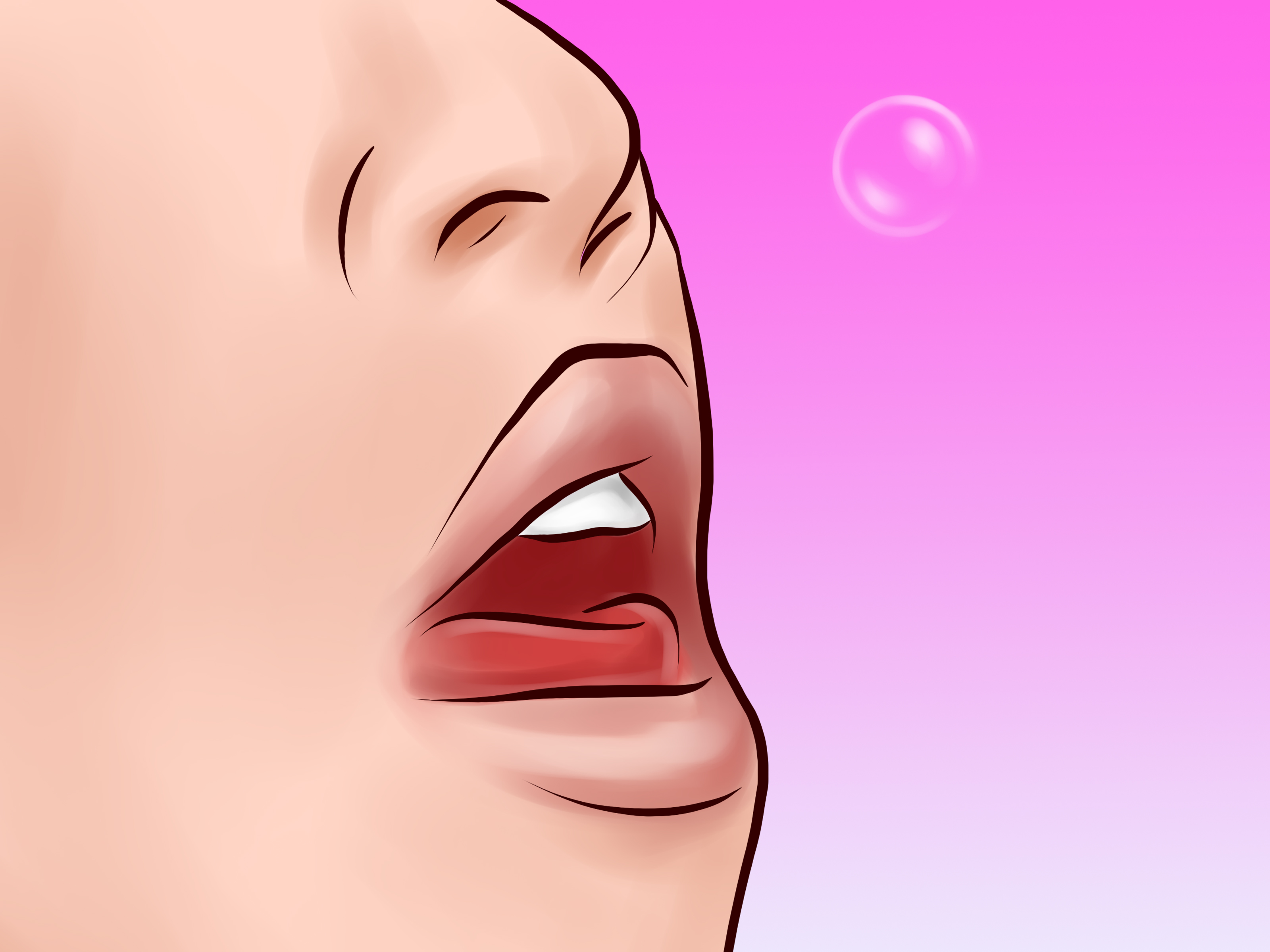
Some skills look impressive because they require years of practice, expensive equipment, and possibly a dramatic movie soundtrack. Blowing saliva bubbles is not one of those skills. It is silly, simple, oddly satisfying, and absolutely not something to perform during a business lunch unless your career goal is “memorable for the wrong reason.” Still, as harmless little mouth tricks go, learning how to blow saliva bubbles can be surprisingly fun when done privately, cleanly, and respectfully.
This guide explains how to blow saliva bubbles in five easy steps, with practical tips, common mistakes, hygiene reminders, and a little science behind why the trick works. Saliva is more than “mouth water.” It helps lubricate your mouth, supports speaking and swallowing, and protects your teeth and oral tissues. For this trick, the goal is to use a thin film of saliva, gentle air pressure, and careful lip control to create a small bubble at the front of your mouth.
Before we begin, a tiny but important public-service announcement: saliva bubbles are best practiced alone, in the mirror, and never aimed at people, food, pets, electronics, or anyone’s emotional stability. Think of this as a private party trick, not a social networking strategy.
What Is a Saliva Bubble?
A saliva bubble is a small bubble made when a thin layer of saliva stretches across the lips or between the lips and tongue, then fills with air. It is similar in concept to blowing soap bubbles, except the “bubble solution” is naturally produced by your mouth. The bubble forms when the saliva film is strong enough to stretch but thin enough to inflate.
The trick depends on three things: moisture, shape, and breath control. Too little saliva and the film breaks instantly. Too much saliva and the bubble turns into a messy blob. Blow too hard and the bubble pops before it can introduce itself. Blow too softly and nothing happens except a dramatic pause.
Is It Safe to Blow Saliva Bubbles?
For most people, blowing a small saliva bubble is not dangerous. However, hygiene matters. Saliva can carry germs, especially when you are sick, coughing, sneezing, or recovering from an infection. Do not practice around other people, near shared surfaces, or while handling food. Wash your hands afterward if you wipe your mouth, and clean any surface that gets splashed.
You should also avoid forcing the trick if your mouth feels irritated, dry, painful, or swollen. If you regularly have a very dry mouth, trouble swallowing, mouth sores, or a sticky feeling that does not improve with water, consider asking a dentist or health professional for advice. A silly trick should never become a wrestling match with your own face.
How to Blow Saliva Bubbles: 5 Steps
Step 1: Start with a Clean, Moist Mouth
The best saliva bubbles start with a comfortable mouth. Take a few sips of water and give your mouth a moment to feel naturally moist. You do not need to drink a gallon of water like you are preparing for a desert expedition. A small sip is enough.
Avoid trying this right after eating sticky, sugary, spicy, or crumbly foods. Peanut butter, crackers, and hot wings are not bubble-friendly teammates. Brush your teeth or rinse your mouth first if needed. A clean mouth helps the saliva film form more smoothly and keeps the trick less gross.
Now choose the right place: a bathroom mirror, bedroom mirror, or private space where you can practice without making anyone question your hobbies. Stand or sit upright, relax your jaw, and breathe normally through your nose for a moment.
Step 2: Gather a Small Amount of Saliva at the Front of Your Mouth
Use your tongue to gently move a little saliva toward the inside of your lips. You want enough moisture to create a thin film, not enough to launch a mouth tsunami. The front of the mouth is the easiest place to control the bubble because your lips and tongue can work together.
A helpful technique is to press the tip of your tongue lightly behind your upper or lower front teeth, then relax it forward. This spreads moisture near the lips. Keep your lips slightly wet, but do not lick them excessively. Too much wetness makes the bubble heavy and unstable.
If your mouth feels dry, pause and sip water. You can also chew sugar-free gum earlier in the day to stimulate saliva, but do not attempt the trick with gum in your mouth. Gum and saliva bubbles are a bad comedy duo, and one of them may try to escape.
Step 3: Shape Your Lips into a Small “O”
Form your lips into a tiny circle, almost like you are quietly saying “oo.” The opening should be small and controlled. If your lips are too wide apart, the saliva film will not stretch across the gap. If they are too tightly closed, air cannot pass through.
Think of your lips as the frame of a bubble wand. The smaller and neater the opening, the easier it is to create a stable bubble. Keep your jaw relaxed. Tension in the face makes the opening uneven and can cause the bubble to collapse before it grows.
Try this without blowing first. Move your lips into a small circle, then use your tongue to bring a light film of saliva toward that opening. You may feel a thin layer forming between the lips. That is your bubble base.
Step 4: Push the Saliva Film Forward with Your Tongue
This step is where the trick becomes less random and more controlled. Place the tip of your tongue near the inside of your lips and gently push the saliva film forward. You are not trying to stick your tongue far out. Instead, you are using the tongue like a careful little stagehand, moving the film into position.
Some people find it easiest to press the tongue lightly against the back of the lower lip. Others prefer to use the tongue just behind the upper lip. Experiment with both and see which one gives you better control.
The key is gentleness. If you press too hard, the film breaks. If you barely move, the film may not reach the opening. Aim for a soft, steady push, as if you are encouraging the bubble rather than bossing it around.
Step 5: Blow Slowly and Let the Bubble Inflate
Now comes the big moment. Blow a tiny stream of air through your lips. Do not puff like you are inflating a pool float. Use a slow, soft breath. The bubble should begin to swell outward from the lip opening.
If it pops immediately, your breath was probably too strong or the saliva film was too thin. If nothing happens, the opening may be too large, too dry, or not covered by the saliva film. Reset your lips, gather a little more saliva, and try again.
Once the bubble appears, stop blowing before it gets too large. Small bubbles are easier to control. Let it pop naturally or gently close your lips to end the trick. Congratulations: you have created a tiny, weird, completely unnecessary masterpiece.
Common Mistakes When Blowing Saliva Bubbles
Blowing Too Hard
The most common mistake is using too much air. Saliva bubbles are delicate. A strong puff breaks the film instantly. Use the kind of breath you would use to fog a mirror very lightly, not the kind you would use to cool soup in a hurry.
Using Too Much Saliva
More saliva does not always mean a better bubble. Too much liquid makes the bubble heavy, messy, and difficult to shape. A thin film works better than a thick blob. In bubble terms, elegance beats enthusiasm.
Opening the Lips Too Wide
If your lip opening is too large, the saliva film cannot stretch across it. Keep the “O” shape small. Imagine the opening is about the size of a pea or smaller. The smaller frame gives the bubble a better chance to form.
Practicing with a Dry Mouth
A dry mouth makes this trick nearly impossible. Saliva needs enough moisture to stretch. Sip water, relax, and try again later if your mouth feels sticky or dry. Do not strain your mouth or force saliva production.
Helpful Tips for Better Saliva Bubbles
Practice in front of a mirror. The mirror helps you see whether your lips are forming a clean circle and whether the bubble is starting at the right spot. It also lets you witness the majestic awkwardness of the process, which is half the fun.
Keep your face relaxed. Tight lips, clenched teeth, or a stiff jaw make the trick harder. The best bubbles happen when your lips are controlled but not tense.
Use short practice sessions. If your mouth gets tired or dry, stop. Drink water and come back later. This is a party trick, not a competitive sport. There is no Olympic medal for “Most Determined Saliva Bubble Technician,” at least not yet.
Try different tongue positions. Some people make bubbles by pushing the film from the lower lip. Others use the upper lip. Your mouth shape affects what works best, so small adjustments matter.
Hygiene Rules You Should Not Ignore
Because saliva can spread germs, do not blow saliva bubbles around other people. Avoid practicing when you are sick, especially if you have a cough, sore throat, cold, flu-like symptoms, mouth sores, or any contagious condition. Do not blow bubbles near food, drinks, shared desks, school supplies, keyboards, phones, or public surfaces.
After practicing, wipe your mouth with a tissue if needed and throw it away. Wash your hands if they touch your mouth. If any saliva lands on a surface, clean it. This is basic respect for everyone nearby and also a strong defense against becoming “that person” in someone else’s story.
Why Saliva Bubbles Work
Saliva contains water, enzymes, proteins, minerals, and other compounds that help it lubricate and protect the mouth. When a small amount spreads into a thin layer, it can briefly hold together as a film. Air pressure from your breath inflates that film into a bubble.
The bubble is fragile because saliva is not designed to behave like soap. Soap bubbles last longer because soap reduces surface tension and stabilizes the film. Saliva bubbles are shorter-lived, smaller, and more unpredictable. That is part of the charm. They appear, wobble, pop, and leave you wondering why you spent ten minutes practicing. Then you try again.
When Not to Try This Trick
Skip the trick if your lips are cracked, your mouth hurts, or your gums are bleeding. Avoid it after dental work unless your dentist says normal mouth movement is fine. Do not attempt it while lying down, running, laughing hard, eating, or chewing gum. Also, never try to make huge bubbles by forcing air or holding your breath. Keep everything gentle and low-pressure.
If you have braces, retainers, mouth appliances, or recent orthodontic adjustments, be extra careful. The trick may feel awkward, and saliva can catch around hardware. There is no need to force it.
Mini Troubleshooting Guide
The Bubble Pops Immediately
Use less air and make the lip opening smaller. Also check whether the saliva film is too thin. A tiny bit more moisture may help.
No Bubble Forms
Your lips may not be wet enough, or the saliva film may not be covering the opening. Use your tongue to bring the film closer to the front of your lips.
The Bubble Turns into Drool
You are using too much saliva. Swallow, reset, and try with a smaller amount. The goal is a film, not a waterfall.
Your Mouth Gets Dry
Pause and sip water. If dryness keeps happening often, pay attention to it. Persistent dry mouth can be related to hydration, medications, mouth breathing, or other issues worth discussing with a professional.
Extra Practice Routine
Try this simple practice routine: first, make the small “O” shape five times without saliva. Next, gather a tiny saliva film at the lips without blowing. Then blow gently for one second at a time. Finally, try to hold the bubble shape for a moment before letting it pop. Practicing in stages makes the trick easier than randomly puffing and hoping science feels generous.
Personal Experience and Practical Observations
Learning how to blow saliva bubbles is one of those funny little skills that feels impossible for five minutes and then suddenly works once by accident. The first successful bubble may be tiny, lopsided, and gone almost instantly, but it still feels like a victory. The experience is a lot like learning to whistle: you can read every explanation in the world, but your mouth has to figure out the final movement by trial and error.
One useful observation is that the best bubbles usually happen when you stop trying too hard. Beginners often tense their lips, push their tongue too aggressively, and blow like they are auditioning for a wind tunnel. That usually creates a pop, a spray, or absolutely nothing. A relaxed mouth works better. The trick is controlled laziness: enough focus to shape the lips, but not so much force that the saliva film gives up and files a complaint.
Another experience-based tip is to practice after drinking water but not immediately after brushing your teeth. Right after brushing, the mouth can feel foamy, minty, or slightly dry, depending on the toothpaste. Waiting a little while often makes the saliva feel more natural and easier to control. Practicing after a small sip of water is usually better than practicing after a full meal, because food particles and thick saliva can make the film uneven.
The mirror method is also underrated. Without a mirror, you may think your lips are making a perfect circle when they are actually doing something closer to a confused triangle. A mirror helps you adjust the opening, see whether the saliva film is forming, and notice if you are blowing too hard. It also makes the process funnier, because there is no serious way to stare at yourself while training for saliva bubbles. The mirror keeps you humble.
People who get the trick quickly often use very small movements. They do not open their mouths much. They do not move the tongue dramatically. They simply bring a thin film to the lip opening and release a soft breath. That is why tiny adjustments matter so much. Moving the tongue one millimeter forward, narrowing the lips slightly, or reducing the breath can change failure into a bubble.
Finally, the biggest lesson is knowing when to stop. If your mouth feels tired, dry, or irritated, take a break. If you are around other people, save the trick for later. Saliva bubbles are funny because they are harmless, private, and a little absurd. They stop being funny when they become messy or inconsiderate. Practice gently, keep it clean, and treat the skill as what it is: a goofy micro-talent that belongs somewhere between whistling, crossing your eyes, and making your friends say, “Wait, why can you do that?”
Conclusion
Blowing saliva bubbles is a small, silly trick, but it takes more technique than most people expect. The five-step method is simple: moisten your mouth, gather a small amount of saliva, shape your lips into a tiny “O,” move the saliva film forward with your tongue, and blow gently. The secret is not power. It is patience, light pressure, and a clean little film of saliva in the right place.
Keep the trick private, hygienic, and respectful. Do not practice when sick, do not aim saliva at anyone, and do not turn a harmless mouth trick into a public health villain origin story. With a little practice, you can master the bubble, enjoy the weird satisfaction, and then wisely choose when not to show it off.
Note: This article is for general entertainment and hygiene education only. If you have persistent dry mouth, mouth pain, sores, bleeding gums, or difficulty swallowing, ask a dentist or qualified health professional for advice.











