
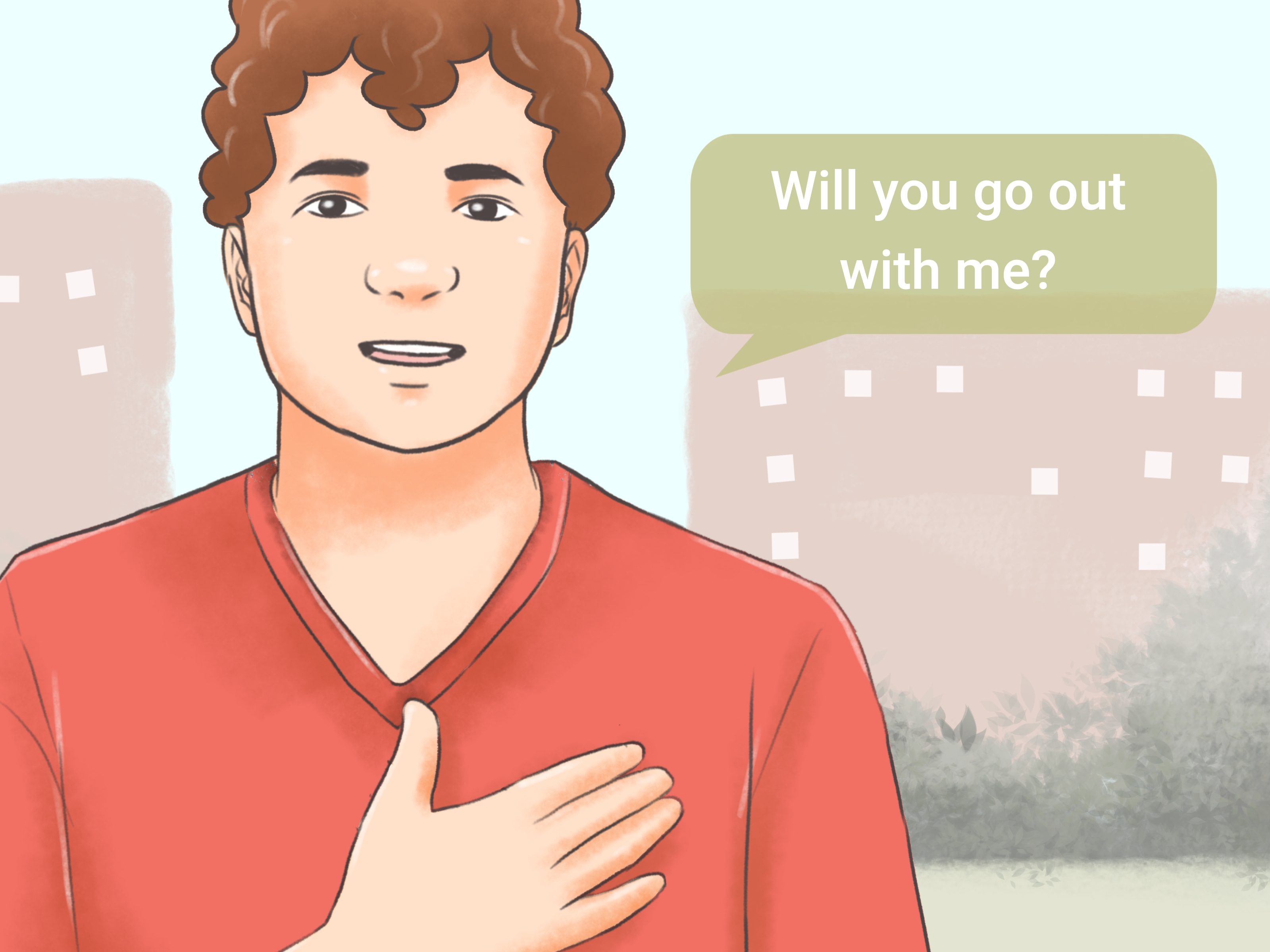
Asking out a girl at school can feel like trying to solve a math problem while the entire cafeteria watches. Your brain says, “Be cool,” your hands say, “Let’s sweat,” and your mouth suddenly forgets the English language. Good news: asking someone out does not require movie-star confidence, a dramatic hallway speech, or a guitar solo near the lockers. It requires respect, timing, honesty, and the ability to accept any answer with maturity.
This guide breaks down how to ask out a girl at school in a way that feels natural, kind, and not painfully awkward. Whether you already talk to her every day or you are still in the “we made eye contact near the pencil sharpener” stage, the goal is simple: show interest without pressure. A good invitation should make her feel comfortable, not cornered.
Before we begin, remember this: the best dating strategy is not manipulation. It is communication. Healthy relationships start with respect, boundaries, kindness, and trust. If you can bring those qualities before the first date, you are already ahead of half the school hallway drama.
Why Asking Her Out the Right Way Matters
School is a unique place. You see the same people in class, at lunch, in clubs, at games, and sometimes in that mysterious crowd that forms around the vending machine. Because everyone shares the same social space, asking someone out should be handled with extra care. A private, respectful approach helps avoid embarrassment and keeps things from turning into gossip fuel.
The right way to ask a girl out is not about guaranteeing a “yes.” Nobody can guarantee that, unless they are selling a suspicious online course with a lightning-bolt logo. The right way is about making your interest clear while giving her full freedom to answer honestly. That is what makes you look confident, thoughtful, and emotionally mature.
Step 1: Build a Friendly Connection First
If you barely know her, do not jump straight into a date request like a pop quiz nobody studied for. Start with normal conversation. Say hi. Ask about class. Comment on a school event. Talk about a shared club, assignment, teacher, sport, or lunch menu tragedy. These small interactions help both of you feel more comfortable.
Easy conversation starters
You do not need a perfect opening line. In fact, “perfect” lines often sound like they were printed on a cereal box. Try simple, natural comments such as:
- “How did you feel about that test?”
- “Are you going to the game Friday?”
- “That presentation was actually harder than I expected.”
- “I saw your project in class. It was really creative.”
- “Do you know what the homework is? I wrote it down like a detective with no evidence.”
The point is not to impress her with fireworks. The point is to become someone she feels comfortable talking to. A friendly connection makes the invitation feel less random and more respectful.
Step 2: Look for Signs of Comfort, Not “Secret Codes”
Some people treat attraction like a spy mission: “She used two exclamation points. Does that mean she wants to marry me?” Relax. You do not need to decode every smile, text, or glance. Instead, pay attention to whether she seems comfortable around you.
Positive signs may include starting conversations, asking you questions, laughing naturally, choosing to sit near you, responding warmly, or continuing a conversation instead of ending it quickly. But none of these signs are a promise. They simply suggest she may enjoy talking to you.
Just as important, notice signs that she may not be interested. If she gives very short answers, avoids conversation, looks uncomfortable, or repeatedly does not respond, respect that. Confidence is not pushing harder. Confidence is noticing boundaries and acting with class.
Step 3: Choose the Right Time and Place
Timing can make the difference between “That was sweet” and “Why is this happening in front of my entire chemistry class?” Ask her when she is not rushed, stressed, surrounded by friends, or trying to get to class before the bell. A calm moment after school, during a break, or while walking near a less crowded area is usually better.
Avoid asking her out in front of a large group unless you already know she would enjoy that kind of attention. Most people do not want their personal life turned into a live audience event. Public pressure can make someone feel trapped, and that is the opposite of respectful.
Good moments to ask
- After a relaxed conversation
- When you are both not in a hurry
- During a casual walk between activities
- After school, if the setting feels comfortable
- When you can speak without classmates hovering like emotional security cameras
Step 4: Keep the Invitation Simple
The best way to ask out a girl at school is usually direct, calm, and low-pressure. You do not need a speech. You do not need to list twelve reasons she is amazing. You definitely do not need to say, “I have admired you since the first semester of seventh grade.” That may be true, but maybe save the documentary version for later.
Try something clear and friendly:
- “I like talking with you. Would you want to hang out after school sometime?”
- “Would you like to go to the basketball game with me Friday?”
- “I was thinking of getting smoothies after school. Want to come with me?”
- “Would you want to study together and grab a snack after?”
- “I like you, and I was wondering if you’d want to go out sometime.”
Notice how these examples are simple and specific. A specific invitation is easier to answer than a vague “We should hang out sometime,” which can float in the air forever like a balloon nobody claims.
Step 5: Make It Easy for Her to Say No
This may sound strange, but one of the best ways to ask someone out is to make sure they can say no without fear or awkwardness. That shows maturity and respect. A healthy invitation does not demand, guilt, pressure, or trap someone into agreeing.
You can add a simple line like:
- “No pressure if not.”
- “It’s totally okay either way.”
- “I just wanted to ask respectfully.”
This does not make you look weak. It makes you look secure. People feel safer around someone who respects their answer. And honestly, being respectful is more attractive than acting like every rejection is a national emergency.
Step 6: Be Ready for Any Answer
She might say yes. She might say no. She might say she needs to think about it. She might say she is not allowed to date. She might say she sees you as a friend. Your job is to respond with kindness no matter what.
If she says yes
Great. Do not immediately celebrate like your team won the championship. Smile, be normal, and confirm the plan. Say something like, “Cool, how about Friday after school?” or “Awesome, I’ll text you the details.” Keep it relaxed.
If she says no
Say something simple: “No worries. Thanks for being honest.” Then move on. Do not argue, ask “Why not?” five times, insult yourself, insult her, or perform a tragic hallway monologue. Rejection is not fun, but handling it well protects your dignity and her comfort.
If she says maybe
Give her space. You can say, “That’s okay. Let me know when you decide.” Then do not pressure her every fifteen minutes. A maybe is not an invitation to become a notification machine.
Step 7: Avoid the Biggest Mistakes
Some mistakes can turn a harmless invitation into an uncomfortable situation. Avoid these, and you will already be doing better than many people who confuse confidence with chaos.
Do not ask through a crowd of friends
Friends can be supportive, but they can also make things awkward. Asking her while your friends giggle behind you may make her feel embarrassed. Ask directly, not as a group project.
Do not use pressure or guilt
Never say things like, “Come on, just give me a chance,” “I’ll be sad if you say no,” or “Everyone thinks we should date.” That is not romantic. That is emotional homework she did not sign up for.
Do not make it a public performance
Huge signs, loud announcements, and dramatic surprises can be cute in movies, but school is not always the right stage. Unless you are absolutely sure she likes that attention, keep it private and respectful.
Do not ask repeatedly after a no
If she says no, accept it. Asking again and again is not persistence; it is pressure. Respecting a no shows character.
Do not hide behind jokes
It is okay to be funny, but do not ask in a way that lets you pretend you were joking if she seems unsure. For example, “Haha, unless you don’t want to, obviously I was kidding” can make things confusing. Be kind and clear.
How to Ask Her Out Over Text
Asking in person is often more personal, but texting can work if you already talk that way. Texting gives both people time to think, which can reduce pressure. The downside is that tone can be misunderstood, so keep it simple.
Good text examples include:
- “Hey, I like talking with you. Would you want to go get coffee or smoothies after school this week?”
- “Would you want to go to the school game with me Friday?”
- “I think you’re really cool, and I was wondering if you’d want to hang out sometime. No pressure.”
After sending the message, do not panic-text. One message is enough. If she does not respond right away, she may be busy, thinking, or living a life that does not revolve around your phone screen. Give her time.
How to Ask Out a Girl You Are Already Friends With
Asking out a friend can feel extra risky because you do not want to damage the friendship. The key is to be honest without making the friendship feel like a trick. Do not act like you were only nice because you wanted a date.
You could say:
“I really value our friendship, and I don’t want to make things weird. But I’ve started to like you as more than a friend, and I wanted to ask if you’d ever want to go out sometime. It’s completely okay if you don’t feel the same.”
This approach is respectful because it gives her room to answer honestly. If she says no, take some space if you need it, but do not punish her for being honest. Friendship should not become a bill she has to pay with romance.
How to Build Confidence Before Asking
Confidence does not mean you are never nervous. It means you can be nervous and still act respectfully. Even adults get nervous asking someone out. The difference is that confident people do not let nerves turn them into someone they are not.
Practice what you want to say
Say your invitation out loud once or twice when you are alone. This helps your words feel familiar. Do not over-rehearse until you sound like a robot giving a weather report.
Choose a realistic plan
Suggest something simple: a school event, a snack after class, studying together, a walk at a safe public place, or joining a group activity first. A first date does not need to be expensive or dramatic.
Remind yourself that rejection is survivable
A no may sting, but it does not define you. It simply means that person is not interested, not available, or not ready. That is normal. Everyone who dates eventually hears no. Even the most charming people on Earth have been rejected. Somewhere, a very attractive person has also stared at a phone wondering what “haha yeah maybe” means.
Respect, Consent, and Boundaries: The Real Foundation
Respect is the center of every good dating experience. That means listening, being honest, honoring boundaries, and understanding that both people should feel comfortable. Consent and boundaries are not just serious words adults use in school assemblies; they are practical parts of everyday relationships.
For example, if she agrees to hang out after school, that does not mean she agrees to everything else. If she enjoys texting, that does not mean she wants messages all night. If she likes you, that does not mean she wants public attention. Healthy dating means checking in and paying attention to comfort.
You can practice this with simple phrases:
- “Is this okay?”
- “Would you rather do something else?”
- “No worries if you’re not comfortable.”
- “Tell me if you want to slow down.”
These phrases are not awkward once you get used to them. They show that you care about the other person’s feelings, not just your own hopes.
What to Do After She Says Yes
If she says yes, your next move is to make the plan clear and easy. Decide on the activity, time, and place. If you are both minors, keep the plan age-appropriate, safe, and respectful of family rules. School events, group outings, daytime snacks, study sessions, or public places are usually better than complicated plans.
Be on time. Be polite. Ask questions. Listen to her answers. Do not spend the whole time talking about yourself unless your goal is to become a podcast nobody subscribed to. A good first hangout should feel like a conversation, not an interview or a performance.
What to Do If She Says No and You Still See Her at School
This is the part many people worry about most. If she says no, and you still have class together, keep things normal and respectful. You do not need to avoid her forever like she is a haunted locker. Say hi if you normally say hi. Be friendly if it feels natural. Do not act cold just because she was honest.
Also, do not spread the story around school. Her answer is not public property. Telling everyone, making jokes, or posting about it online can turn a private moment into unnecessary drama. Handle it quietly. Your future self will thank you.
Specific Examples for Different School Situations
If you are classmates
After class, you might say, “I like talking with you in class. Would you want to hang out after school sometime?” This works because it connects naturally to the relationship you already have.
If you are in the same club
Try, “I’m going to grab a snack after the meeting. Want to come with me?” A casual invitation can feel less intense than a formal date request.
If you mostly text
Send, “I like texting with you, and I’d like to hang out in person sometime. Would you want to go to the school game Friday?” This is direct but not overwhelming.
If you are nervous
You can even admit it lightly: “I’m a little nervous asking, but would you want to go out sometime?” Honest confidence can be better than fake smoothness.
Experiences and Real-Life Lessons About Asking Out a Girl at School
One common experience is the “overthinking spiral.” A student likes a girl, plans to ask her out, then spends two weeks analyzing every detail: what shirt to wear, whether Tuesday is better than Thursday, whether she smiled because she likes him or because someone behind him dropped a calculator. By the time he finally asks, he is more exhausted than someone who ran laps in jeans. The lesson is simple: preparation helps, but overthinking can make a normal question feel like a mountain. Pick a respectful moment, use clear words, and let the answer be what it is.
Another experience happens when someone tries to be too impressive. He may plan a giant public gesture, involve five friends, and turn the moment into a school-wide event. Sometimes this works in movies because the script already knows the answer. Real life is different. Public pressure can make the other person uncomfortable, even if the intention is sweet. A quieter approach often shows more maturity. A private, sincere question can feel more meaningful than a hallway production starring half the sophomore class.
Some students learn the value of friendship first. Maybe they begin by talking about homework, then school events, then music, sports, books, or shared jokes. Over time, asking her out feels natural because they already have a connection. This does not mean you should pretend to be a friend only to get a date. It means real connection grows from genuine interest. When you listen, remember small details, and treat her like a full person rather than a goal, the invitation becomes more respectful.
There is also the experience of hearing “no” and realizing life continues. At first, rejection can feel huge. You may replay the conversation in your head or wonder what you did wrong. But often, the answer is not about something being wrong with you. She may not be interested, may like someone else, may not want to date, or may simply not feel that connection. The most respected students are often the ones who handle rejection calmly. Saying “Thanks for being honest” and moving forward shows strength. It also keeps school from becoming awkward for both people.
A final real-life lesson is that kindness travels. Even if she says no, she may remember that you asked respectfully. Other people may notice that you did not gossip, pressure, or act dramatic. Your reputation is built in small moments like these. Asking out a girl at school is not just about getting a date; it is a chance to practice communication, confidence, and emotional maturity. Those skills matter far beyond lockers, lunch tables, and the mysterious smell in the gym hallway.
Conclusion
Learning how to ask out a girl at school is really learning how to communicate with respect. Start by building a friendly connection. Choose a good time and place. Ask clearly. Keep the invitation simple. Make it easy for her to say no. Then accept her answer with maturity, whether it is yes, no, or maybe.
The best tips and strategies are not tricks. They are habits: kindness, honesty, patience, and respect for boundaries. When you ask someone out this way, you protect both your confidence and her comfort. And that is the kind of move that never goes out of style, even if your haircut someday does.
Note: This article is written for school-age readers and focuses on respectful, age-appropriate communication, healthy boundaries, and safe social behavior.











