
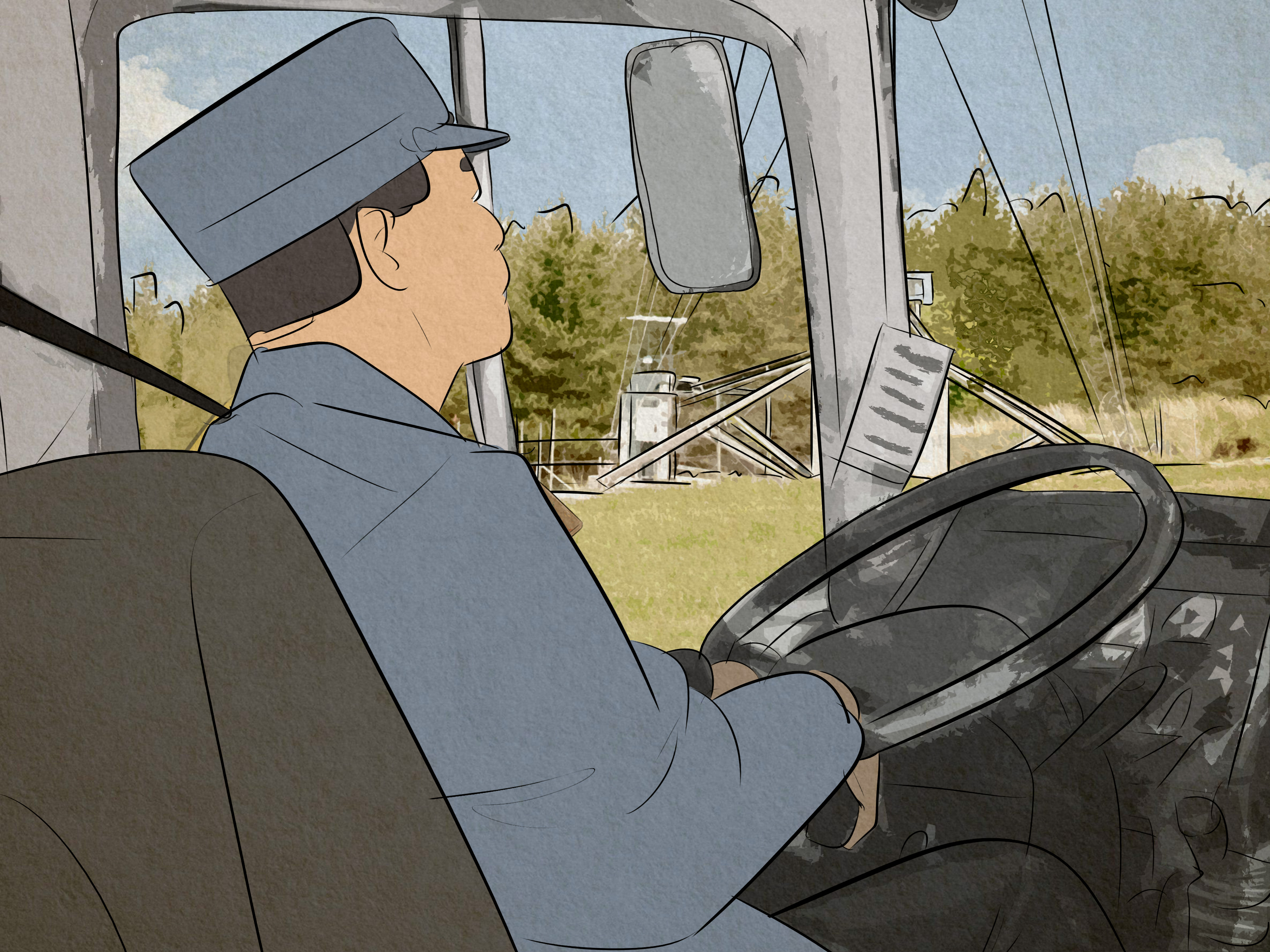
Getting a commercial driver’s license can feel like joining a very exclusive clubexcept instead of a velvet rope, there is a knowledge test, a medical exam, a learner’s permit, entry-level driver training, a skills test, and probably at least one moment where you wonder why air brake systems have so many parts. The good news? The CDL process is straightforward once you know the steps. The slightly less glamorous news? It rarely happens overnight.
So, how long does it take to get a CDL? For many full-time students, the process takes about three to eight weeks. Some accelerated CDL training programs can help a prepared driver finish in as little as three or four weeks, while part-time programs, scheduling delays, retests, endorsements, and state-specific requirements can stretch the timeline to several months.
This guide breaks down the realistic CDL timeline, what can speed it up, what can slow it down, and how new drivers can avoid turning a four-week plan into a three-month road trip through paperwork county.
What Is a CDL?
A commercial driver’s license, or CDL, is a special license required to operate certain commercial motor vehicles in the United States. These vehicles may include tractor-trailers, buses, dump trucks, tanker trucks, delivery vehicles, and vehicles carrying hazardous materials or large numbers of passengers.
Unlike a regular driver’s license, a CDL proves that a driver has the knowledge, physical qualifications, and hands-on skills needed to operate large or specialized vehicles safely. A sedan may forgive a sloppy lane change. A loaded tractor-trailer? Not so much.
The Short Answer: How Long Does It Take to Get a CDL?
Most drivers should plan for at least three to eight weeks from the time they begin serious CDL preparation to the time they complete the skills test. However, the exact CDL timeline depends on several factors, including the CDL class, training schedule, state testing availability, whether you pass on the first attempt, and whether you need endorsements.
Common CDL Timelines
- Fast-track CDL program: About 3 to 4 weeks
- Standard full-time CDL school: About 4 to 8 weeks
- Part-time, night, or weekend CDL training: About 2 to 6 months
- Community college or extended workforce program: Several weeks to several months
- Self-study plus third-party training: Highly variable
Federal rules require most first-time Class A and Class B CDL applicants to complete Entry-Level Driver Training, commonly called ELDT, before taking the CDL skills test. Drivers must also hold a commercial learner’s permit, or CLP, for at least 14 days before they are eligible for the skills test.
Step-by-Step CDL Timeline
The CDL process is easier to understand when you view it as a timeline. While states manage CDL issuance, federal standards shape the core requirements across the country.
Step 1: Choose the Right CDL Class
Before asking how long CDL training takes, decide which license you need. Choosing the wrong CDL class is like buying hiking boots for a beach vacationtechnically footwear, but not exactly useful.
- Class A CDL: Typically required for combination vehicles such as tractor-trailers. This is the most flexible CDL and is common for long-haul trucking jobs.
- Class B CDL: Usually required for large single vehicles, such as straight trucks, dump trucks, box trucks, and many buses.
- Class C CDL: Used for certain vehicles that do not fit Class A or B but are designed to carry passengers or hazardous materials.
Class A training usually takes longer than Class B training because drivers must learn combination vehicle handling, coupling and uncoupling, trailer tracking, backing maneuvers, and other skills that make parallel parking a family car look adorable.
Step 2: Meet Basic Eligibility Requirements
Most CDL applicants must already have a valid non-commercial driver’s license. Drivers generally need to be at least 18 years old for intrastate commercial driving, meaning driving within one state, and at least 21 years old for interstate commercial driving, meaning crossing state lines or operating in interstate commerce.
You may also need to provide proof of identity, residency, lawful status, Social Security number, and driving history. Requirements vary by state, so drivers should check with their state licensing agency before applying.
Step 3: Get a DOT Medical Exam
Many commercial drivers must pass a Department of Transportation medical exam and obtain a medical examiner’s certificate, often called a DOT medical card. This exam checks whether the driver is physically qualified to operate a commercial motor vehicle.
The medical exam may include checks for vision, hearing, blood pressure, medical history, and conditions that could affect safe driving. If everything goes smoothly, this step may take only a few days. If a medical issue requires extra documentation, it can add time to the CDL process.
Step 4: Study for the CDL Knowledge Test
Before receiving a commercial learner’s permit, drivers must pass the required knowledge tests. The tests depend on the CDL class and endorsements. A Class A applicant may need to study general knowledge, combination vehicles, and air brakes. A passenger or school bus driver may need additional exams.
Many students spend one to two weeks studying before testing, though confident test-takers may move faster. The key is not simply memorizing answers. CDL knowledge covers real safety concepts, such as stopping distance, vehicle inspection, shifting, railroad crossings, hazardous conditions, and emergency procedures.
Step 5: Get a Commercial Learner’s Permit
After passing the required written tests, applicants receive a commercial learner’s permit. This permit allows them to practice driving a commercial vehicle with a qualified CDL holder in the vehicle.
Here is the important timing rule: drivers must hold the CLP for at least 14 days before taking the CDL skills test. Even if you are a natural behind the wheel and can back a trailer like you were born in a loading dock, the 14-day clock still applies.
Step 6: Complete Entry-Level Driver Training
Entry-Level Driver Training is required for many new CDL applicants, including drivers seeking a Class A or Class B CDL for the first time, drivers upgrading from Class B to Class A, and drivers seeking certain endorsements for the first time, such as passenger, school bus, or hazardous materials endorsements.
ELDT must be completed through a training provider listed on the FMCSA Training Provider Registry. Training includes theory instruction and behind-the-wheel training. Federal ELDT rules do not set a universal minimum number of training hours, but the driver must complete the required curriculum and demonstrate proficiency.
In real life, many Class A CDL programs run around 160 hours and take about four weeks full time. Some programs are shorter, some are longer, and some part-time options stretch across several months.
Step 7: Practice Vehicle Inspection, Basic Control, and Road Skills
The CDL skills test is not one testit is usually three parts:
- Vehicle inspection test: Demonstrating that you know how to inspect the vehicle for safety.
- Basic control skills test: Performing maneuvers such as backing, offset backing, alley dock, or other control exercises.
- Road test: Driving safely in real traffic while following examiner instructions.
This is where training time matters. A driver who rushes through practice may know the theory but struggle with real vehicle control. Backing a trailer is a skill, not a personality trait. It improves with repetition, patience, and occasionally a deep breath before trying again.
Step 8: Schedule and Pass the CDL Skills Test
Once you have held your CLP for at least 14 days and completed required training, you can take the CDL skills test. Scheduling may be quick in some states and slow in others. Testing appointments can be affected by examiner availability, weather, school schedules, and demand.
If you pass all required parts, your state licensing agency can issue your CDL. If you fail one portion, you may need to wait, pay a retest fee, or reschedule. This is one of the biggest reasons CDL timelines vary.
What Can Make Getting a CDL Faster?
Some drivers move through the CDL process quickly because they prepare before starting school. Others lose days or weeks because they arrive without documents, fail a permit test, or pick a training provider that cannot schedule road tests efficiently.
Full-Time Training
A full-time CDL school is usually the fastest route. Students attend classes and behind-the-wheel sessions several days per week, often for six to eight hours per day. Because training is concentrated, skills build quickly.
Passing Tests the First Time
Every failed test adds time. Studying the state CDL manual, taking practice tests, and reviewing weak areas can prevent delays. The goal is not to become a walking CDL encyclopedia. The goal is to know enough to drive safely and pass confidently.
Having Documents Ready
Bring the right identification, residency documents, medical certificate, and application materials. Missing paperwork can derail a DMV appointment faster than a flat tire on test day.
Choosing a Good Training Provider
A reputable CDL school should be listed on the Training Provider Registry if ELDT applies. It should also provide enough behind-the-wheel practice, clear scheduling, safe equipment, and support for testing. A school that promises a miracle CDL in a few days should be viewed with caution. Fast is nice; underprepared is expensive.
What Can Slow Down the CDL Process?
Even motivated drivers can run into delays. Some are avoidable, while others depend on state systems or local testing demand.
Permit Test Failures
The CDL knowledge tests are detailed. Drivers who skim the manual may be surprised by questions about air brake systems, cargo securement, emergency equipment, and safe following distance. Retakes can add days or weeks depending on state rules and appointment availability.
Medical Certification Issues
A DOT medical exam is usually simple, but certain health conditions may require additional records or follow-up. Drivers should handle medical certification early so it does not delay permit or licensing steps.
Part-Time Scheduling
Night and weekend CDL programs are helpful for working adults, but they naturally take longer. A four-week full-time course may become a three-month part-time plan.
Skills Test Backlogs
Some areas have limited CDL exam slots. If a school or state testing site is booked out, your timeline may stretch even after training is complete.
Endorsements
Endorsements can increase job opportunities, but they may also add tests, background checks, or extra training. Common CDL endorsements include hazardous materials, tanker, passenger, school bus, and doubles/triples.
How Long Does CDL School Take?
CDL school length depends on the program format and CDL class. A Class A program commonly takes longer than Class B because it includes more complex vehicle handling. A driver preparing for passenger transport may need different training than someone preparing for freight hauling.
Class A CDL Training
Class A CDL training often takes three to eight weeks for full-time students. Many schools use a 160-hour structure that includes classroom or online theory, range practice, vehicle inspection, and road driving.
Class B CDL Training
Class B CDL training may take less time because the vehicles are single-unit vehicles rather than tractor-trailer combinations. Some Class B programs may be completed in a few weeks, although timing depends on the school, state, and testing schedule.
Part-Time CDL Training
Part-time CDL training is ideal for students who cannot quit their current jobs. However, it may take several months. This option works best for people who need flexibility more than speed.
Can You Get a CDL Without Going to Truck Driving School?
In some situations, drivers may prepare outside a traditional truck driving school, but ELDT rules still matter. If ELDT applies to your CDL goal, the required training must be completed through a registered provider before you can take the skills test or certain endorsement tests.
Some employers provide CDL training. Some community colleges offer workforce programs. Some private schools specialize in accelerated CDL preparation. The right choice depends on your budget, schedule, job goals, and learning style.
How Much Time Should You Spend Studying?
A realistic study plan is simple: study until you can explain the rules without sounding like you are reading from a cereal box. Most applicants should spend at least several days reviewing the CDL manual before the permit test. For air brakes, combination vehicles, and endorsements, extra study time is wise.
Practice tests can help identify weak spots, but they should not replace the manual. The actual test may ask questions in a different way. Understanding the concepts is safer than memorizing answer patterns.
Example CDL Timeline for a Full-Time Student
Here is a realistic example for a prepared Class A CDL student:
- Week 1: Complete DOT medical exam, gather documents, study CDL manual, take knowledge tests, receive CLP.
- Weeks 2–4: Complete ELDT theory and behind-the-wheel training, practice inspection, backing, and road driving.
- Week 5: Take CDL skills test after holding CLP for at least 14 days.
- Week 5 or 6: Receive CDL, complete employer onboarding, or begin job-specific training.
This timeline assumes the student passes each test the first time and can schedule the skills test promptly. If testing slots are limited or the student needs extra practice, the process may take longer.
Tips to Get Your CDL Faster Without Cutting Corners
Start Studying Before Class Begins
Read the CDL manual before your first day of training. Showing up prepared can make the first week feel less like drinking from a fire hose.
Take the DOT Physical Early
Do not wait until the last minute to schedule your medical exam. If you need follow-up paperwork, you will be glad you started early.
Practice Inspection Out Loud
The vehicle inspection portion can be intimidating because you must explain what you are checking. Practice out loud until the words feel natural. Yes, your neighbors may wonder why you are talking about brake chambers in the driveway. That is the price of greatness.
Ask About Test Scheduling Before You Enroll
Before choosing a school, ask how quickly students usually get testing appointments after training. A strong program should be transparent about scheduling.
Do Not Rush Behind-the-Wheel Practice
A CDL is not just a ticket to a job. It is permission to operate heavy equipment around real people. Take the practice seriously. Confidence is good; overconfidence is how cones become victims.
Real-World Experiences: What Drivers Learn While Getting a CDL
The official CDL timeline tells only part of the story. The real experience is a mix of studying, nerves, repetition, patience, and small victories that eventually turn into professional confidence. Many new drivers begin the process thinking the hardest part will be the road test. Then they meet the pre-trip inspection and realize the truck has more inspectable parts than a spaceship in a sci-fi movie.
One common experience is learning that commercial driving is much more mental than expected. Students do not simply jump into a truck and drive around until someone hands them a license. They learn regulations, safety systems, vehicle weight, stopping distance, mirror usage, coupling procedures, shifting behavior, space management, and emergency response. The amount of information can feel overwhelming at first, but it starts to connect once students move from the classroom to the vehicle.
Another experience many drivers share is the humbling nature of backing practice. A person may have driven cars for 20 years and still feel like a beginner when asked to reverse a tractor-trailer into a marked space. That is normal. CDL training is full of moments where the brain says, “Turn left,” the trailer says, “Interesting suggestion,” and the instructor calmly asks you to reset. Over time, students learn to slow down, make small steering corrections, use mirrors properly, and stop before a small mistake becomes a dramatic cone funeral.
Students also discover that the 14-day CLP waiting period can be useful. At first, it may feel like an annoying delay. In practice, those two weeks give drivers time to build muscle memory and confidence. The best students use that period to practice inspection routines, ask questions, review weak areas, and become more comfortable with the size and behavior of the vehicle.
Many new drivers say the skills test feels stressful because it combines memory, technique, and nerves. The vehicle inspection requires clear communication. The basic control test requires patience. The road test requires calm decision-making in real traffic. A helpful strategy is to treat the test like another training session: breathe, follow instructions, use mirrors, take turns wide enough, and do not let one imperfect moment ruin the whole exam.
After earning the CDL, drivers often realize the license is the beginning, not the finish line. Many trucking companies provide additional finishing or mentorship programs for new CDL holders. This stage helps drivers adjust to real routes, customers, docks, trip planning, weather, hours-of-service rules, and life on the road. In other words, CDL school teaches you to pass the test and operate safely; experience teaches you how to become truly smooth, efficient, and professional.
The biggest lesson? Getting a CDL takes time, but the time is not wasted. Every hour spent studying air brakes, practicing turns, inspecting tires, and learning safe following distance prepares drivers for a career where attention matters. A commercial vehicle is powerful, useful, and unforgiving. Training helps drivers respect that responsibility before they are handed the keys.
Conclusion
So, how long does it take to get a CDL? For most drivers, the answer is three to eight weeks with full-time training, though part-time programs or testing delays can stretch the process to several months. The fastest realistic path is to prepare early, pass the knowledge tests, get your CLP, complete required Entry-Level Driver Training, practice seriously, and schedule the skills test as soon as you are eligible.
A CDL can open the door to trucking, passenger transport, construction driving, delivery work, public services, and other commercial driving careers. But the goal is not just to get licensed quickly. The goal is to become the kind of driver who can handle a commercial vehicle safely, calmly, and professionallyeven when traffic is weird, the dock is tight, and the GPS has chosen chaos.
Take the process seriously, choose a quality training provider, and give yourself enough time to learn. The road will still be there when you are ready.











