
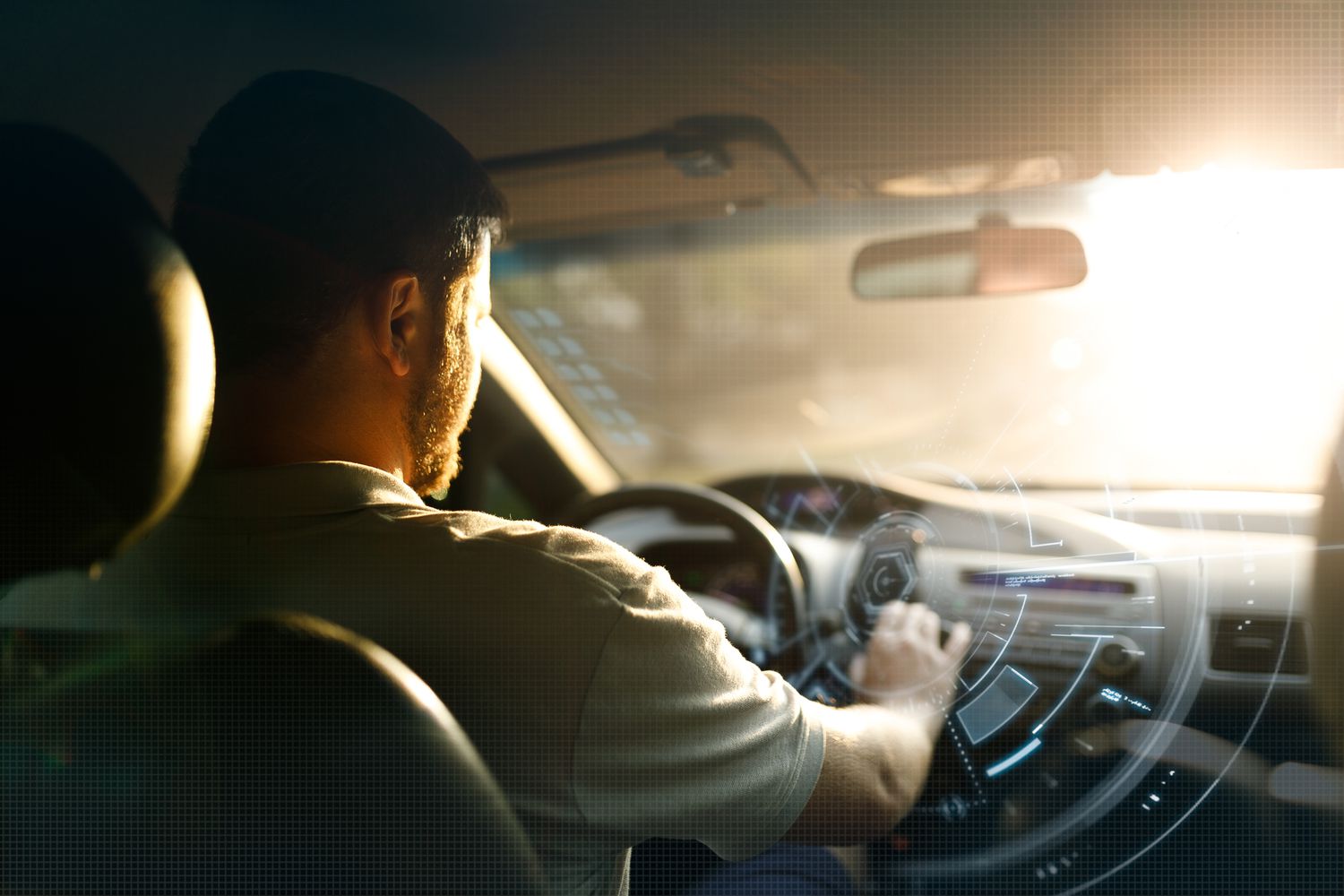
Driving is already a rolling group project between humans, machines, traffic lights, weather, road markings, and that one pickup truck changing lanes like it is late for a movie trailer. The problem is that most of those participants do not talk to each other very well. Your car sees what its cameras, radar, and sensors can see. You see what your eyes, mirrors, and caffeine level allow. The traffic light knows when it will turn red, but your car usually finds out only when you do. A cyclist may be hidden behind a bus. A crash around a blind curve may exist in the world long before it exists in your windshield.
This is where 5G could change the safety conversation. The main keyword is not simply “faster internet in cars,” although streaming fewer frozen maps would be lovely. The real story is 5G driving safety: using high-speed, low-latency wireless networks to help vehicles, infrastructure, emergency services, and road users share useful information almost instantly. In practical terms, 5G and connected vehicle technology could help cars warn each other about sudden braking, alert drivers to pedestrians in the roadway, improve emergency response, and support smarter traffic systems that reduce risky surprises.
Will 5G make every road safe overnight? No. Technology is not a magical seatbelt made of Wi-Fi. But when combined with safer vehicles, good road design, responsible driving, and strong privacy and cybersecurity standards, 5G could become one of the most important tools in the next chapter of road safety.
What 5G Means for Road Safety
5G is the fifth generation of mobile network technology. Compared with older cellular networks, it is designed to support faster data transfer, lower latency, more reliable connections, and a much larger number of connected devices. For everyday phone users, that may mean quicker downloads. For transportation, it could mean something more meaningful: cars and roads exchanging time-sensitive safety messages before a driver has enough time to say, “Wait, where did that come from?”
The key concept is vehicle-to-everything communication, often shortened to V2X. The “everything” includes other vehicles, traffic signals, roadside sensors, pedestrians, cyclists, emergency vehicles, cloud systems, and transportation management centers. In this ecosystem, a vehicle is not just a metal box with airbags; it becomes a connected participant in a larger safety network.
V2V, V2I, V2P, and V2N: The Alphabet Soup That Actually Matters
Connected driving uses several communication paths. Vehicle-to-vehicle, or V2V, allows cars to share data such as speed, direction, braking, and position. Vehicle-to-infrastructure, or V2I, lets vehicles communicate with traffic lights, work-zone equipment, school-zone beacons, and road sensors. Vehicle-to-pedestrian, or V2P, can help protect people walking, biking, or using mobility devices. Vehicle-to-network, or V2N, uses cellular networks to connect vehicles with cloud-based services and transportation systems over longer distances.
5G can support these systems by moving important information quickly and reliably. In a safety context, even a small delay matters. A warning that arrives after a crash is not a warning; it is a very sad notification.
How 5G Could Prevent Crashes Before They Happen
The biggest promise of 5G in transportation is not that it makes cars “smart” in a sci-fi sense. It is that it helps cars become less isolated. Today, even advanced driver-assistance systems depend heavily on what the vehicle can directly detect. Cameras may struggle in glare. Radar may not identify every object perfectly. A sensor cannot see through a building. A human driver definitely cannot see through a delivery truck, unless that driver has recently become a superhero, in which case insurance forms may get complicated.
5G-enabled connected vehicle technology could add another layer of awareness. Instead of waiting until a hazard is visible, a vehicle could receive a message from another car, roadside unit, or traffic system.
Forward Collision Warnings With More Context
Automatic emergency braking and forward collision warning systems already help reduce certain rear-end crashes. 5G could make these systems more powerful by giving them information from beyond the vehicle’s own sensor range. Imagine traffic ahead suddenly stopping after a curve. The first few cars brake hard. With V2V communication, those cars could broadcast a warning to approaching vehicles. Your car could alert you, tighten safety systems, or prepare braking before the stopped traffic appears in view.
That does not replace paying attention. It gives attention a head start. In road safety, a head start of even a second or two can be valuable.
Blind Spot and Lane-Change Alerts That See Around Obstacles
Blind spot detection is helpful, but it usually depends on sensors detecting nearby vehicles. Connected vehicle safety could expand the idea. A motorcycle approaching quickly in an adjacent lane, a vehicle hidden by a truck, or traffic merging from an on-ramp could communicate position and speed. The result could be a better lane-change warning, especially in dense traffic where mirrors look like a puzzle designed by someone who hates commuters.
Intersection Safety: Where 5G Could Shine
Intersections are among the most complicated places on the road. Drivers turn left across traffic, pedestrians cross, cyclists move through blind zones, delivery vehicles block sightlines, and traffic lights keep changing their minds because that is literally their job.
With 5G, smart intersections could use cameras, radar, lidar, signal controllers, and roadside units to detect movement and broadcast safety messages. A connected vehicle might receive a warning that another driver is likely to run a red light. A turning driver could be alerted to a pedestrian in the crosswalk. A cyclist approaching from a bike lane could become visible to a vehicle’s safety system even before the driver sees them.
This is not just convenience. It is the difference between reacting to a surprise and being warned about a risk while there is still time to slow down.
Protecting Pedestrians, Cyclists, and Other Vulnerable Road Users
One of the most important benefits of 5G road safety technology could be protecting people outside vehicles. Pedestrians, cyclists, scooter riders, road workers, and people using mobility devices are more exposed in a crash. They do not have crumple zones, airbags, or a dashboard politely telling them the tire pressure is low.
5G-enabled V2X could help infrastructure and vehicles detect vulnerable road users and share warnings. For example, a smart crosswalk could identify a person entering the roadway and send a message to approaching connected vehicles. A construction zone could broadcast worker locations or lane-closure warnings. A school zone could alert vehicles that children are nearby, encouraging earlier speed reduction.
Smartphone-based safety alerts may also play a role, though this must be handled carefully. Nobody wants pedestrians required to carry a specific device just to be seen by traffic. The best safety systems should work through infrastructure, vehicle sensing, and inclusive designnot by blaming vulnerable people for failing to broadcast their existence loudly enough.
5G and Emergency Response
When crashes do happen, 5G could help emergency response become faster and more informed. Connected vehicles may be able to send crash data, location, direction of travel, airbag deployment status, and severity indicators to emergency services. Traffic management systems could adjust signals to help ambulances move through intersections more safely. Nearby vehicles could receive warnings to slow down or clear a lane.
Emergency vehicles themselves could use 5G and V2X to broadcast their approach. Instead of drivers suddenly hearing a siren and entering the traditional “panic and guess where it is” routine, vehicles could receive a clearer alert: an ambulance is approaching from behind, two lanes over, at a specific distance. That kind of information could reduce confusion and help drivers respond calmly.
Better Road Weather and Work-Zone Warnings
Weather creates some of the sneakiest hazards: black ice, heavy fog, flooding, high winds, and sudden visibility drops. A connected vehicle that detects slippery pavement or activates stability control could share that information with nearby vehicles and traffic systems. Roadside sensors could broadcast warnings about flooded lanes or reduced visibility. Navigation systems could recommend safer routes before a driver reaches the danger zone.
Work zones are another major opportunity. Lane shifts, reduced speed limits, workers near traffic, temporary barriers, and confused drivers are not a relaxing combination. 5G-connected work zones could send updated lane information, worker presence alerts, and queue warnings directly to vehicles. For commercial trucks and fleet vehicles, this could be especially useful because stopping distance and vehicle size make early warnings even more important.
How 5G Supports Advanced Driver-Assistance Systems
Modern vehicles increasingly include advanced driver-assistance systems, or ADAS, such as automatic emergency braking, lane-keeping assistance, adaptive cruise control, blind spot monitoring, and pedestrian detection. These systems can reduce certain crash risks, but they are not perfect. They rely on sensors, algorithms, calibration, maintenance, and driver behavior.
5G does not replace ADAS. It can strengthen it. Think of ADAS as the car’s eyes and reflexes. Think of 5G as the car’s ability to receive warnings from the neighborhood. A camera may see the pedestrian in front of the car. A 5G-connected intersection may warn about the pedestrian before they step into the lane. Radar may detect a stopped vehicle ahead. V2V may warn that the stopped vehicle is part of a sudden traffic backup extending beyond a curve.
The safest future is not one magic system. It is layered protection: better roads, safer speeds, alert drivers, crashworthy vehicles, active safety features, connected infrastructure, and fast communication.
Real-World Development Is Already Underway
The move toward safer connected driving is not just a PowerPoint dream living in a conference room with too many pastries. Transportation agencies, automakers, telecom companies, and technology providers are already testing and deploying V2X systems. In the United States, federal transportation planning has focused on accelerating interoperable V2X deployment so vehicles and infrastructure can communicate across cities, states, and systems.
Automakers and network providers are also testing 5G in controlled environments such as proving grounds and smart test tracks. These projects are important because safety technology has to work under real conditions: different network loads, weather, speeds, road layouts, and vehicle types. A system that behaves beautifully in a lab but panics at a rainy intersection is not ready for prime time.
The Limits: 5G Is Not a Substitute for Good Driving
As promising as 5G is, it comes with limits. Coverage will vary, especially in rural areas. Vehicles from different manufacturers must use compatible standards. Roadside infrastructure must be installed, maintained, and secured. Data must be protected. Drivers must not treat connected technology as permission to stare lovingly into a phone while traveling at highway speed.
Cybersecurity is also essential. If vehicles and roads exchange safety messages, those messages must be authenticated and protected from tampering. A false warning could cause confusion. A missed warning could reduce trust. Privacy matters too. Safety systems should share only what is necessary, protect personal information, and avoid turning everyday travel into a rolling surveillance subscription.
What a Safer 5G Driving Future Could Look Like
Picture a normal weekday commute in a 5G-connected transportation system. Your car receives a warning that traffic has stopped beyond a hill. It gently alerts you before your eyes can see the brake lights. At the next intersection, the signal system detects a cyclist approaching from the right and warns turning vehicles. A school-zone beacon sends a speed reminder. A construction area broadcasts a lane closure before drivers start performing last-second merges with the grace of startled shopping carts.
None of this requires fully self-driving cars. That is the important part. 5G could make human-driven cars safer by improving awareness, timing, and coordination. It could also support future automated vehicles, but its benefits are not limited to robotaxis and glossy concept cars. The ordinary family sedan, delivery van, city bus, emergency vehicle, and freight truck could all become part of a safer connected road network.
Experiences and Everyday Scenarios: How 5G Could Feel Behind the Wheel
The most useful way to understand 5G driving safety is to imagine how it could feel in everyday driving, not in a futuristic city where every building glows blue and every car looks like a computer mouse. Most drivers care less about the acronym and more about the moment: Will it help me avoid the crash I did not see coming?
Consider the experience of driving on a rainy evening after school pickup. Visibility is poor, the windshield wipers are working overtime, and brake lights smear into red streaks. A vehicle two blocks ahead brakes suddenly because of standing water. In a connected system, that vehicle could send a hazard alert. Your car might display a warning, reduce adaptive cruise speed, or prepare braking assistance. To the driver, it would not feel like “using 5G.” It would feel like the car had better instincts.
Now imagine a parent driving through a neighborhood near a school. A child on a bike is hidden behind a parked SUV. A smart intersection or roadside sensor detects movement near the crosswalk and sends an alert to approaching vehicles. The dashboard gives a calm warning before the driver sees the child. That early cue could encourage the driver to slow down sooner. Nobody needs a dramatic movie moment. The best safety technology is often boring because nothing bad happens.
Fleet drivers could experience 5G safety in another way. A delivery driver making dozens of stops a day deals with blind spots, tight turns, double-parked vehicles, cyclists, and schedule pressure. Connected work-zone alerts, curbside warnings, and improved route hazard data could reduce mental workload. Instead of reacting to every surprise at the last second, the driver gets more context earlier. That matters because fatigue and information overload are real safety issues.
Highway driving could also become smoother. If vehicles share speed and braking data, traffic waves may become less abrupt. A connected car could know that congestion is forming ahead and ease speed gradually, reducing the accordion effect that causes sudden braking. Drivers might experience fewer panic stops and fewer “why are we braking?” mysteries. That is good for safety, fuel efficiency, and everyone’s blood pressure.
Emergency response may be where drivers notice the difference most clearly. Instead of hearing a siren and frantically scanning every mirror, a connected vehicle could show where the ambulance is coming from and what action is safest. Move right. Hold position. Do not enter the intersection. Simple guidance could reduce confusion and help emergency crews arrive faster.
For 5G to earn driver trust, these experiences must be clear, consistent, and not annoying. If a car screams warnings every time a squirrel has a strong opinion, drivers will mute the system. Good design should prioritize serious risks, use plain language, avoid overload, and keep the human in control. The future of safer driving will not be built only with antennas and chips. It will be built with technology that respects real people in real traffic, on real mornings when the coffee spills and the GPS says, with suspicious optimism, “You are still on the fastest route.”
Conclusion: 5G Could Make Driving Safer, But Only as Part of a Bigger Safety System
5G could make driving safer by helping vehicles and roads communicate faster, farther, and more intelligently. Through V2X communication, connected cars may warn each other about sudden braking, alert drivers to pedestrians and cyclists, improve intersection safety, support emergency response, and give transportation agencies better tools for managing hazards.
The promise is not that 5G turns every car into a flawless robot. The promise is that it gives drivers and safety systems more time, more context, and more coordination. In traffic safety, those three things are priceless. A connected road network will still need responsible drivers, well-designed streets, strong cybersecurity, privacy protection, and fair access across communities. But if deployed carefully, 5G could help roads become less surprisingand fewer surprises is exactly what driving needs.











