
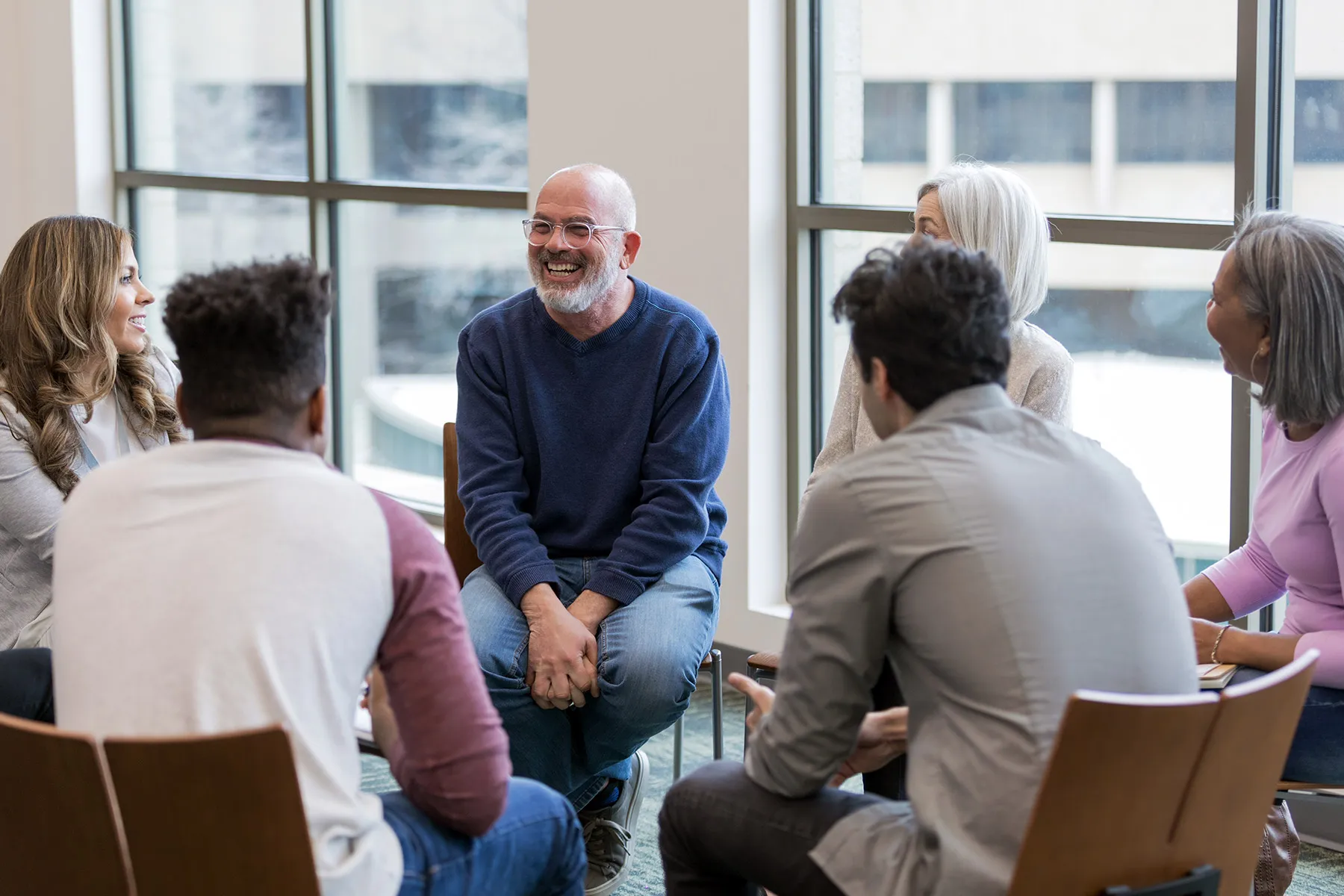
Hidradenitis suppurativa (HS) has a special talent for showing up in the most inconvenient places at the most inconvenient times. It can hurt, it can drain, it can leave scars, and it can mess with your confidence like it’s getting paid per awkward moment. But here’s the plot twist HS doesn’t warn you about: the right support network can be as life-changing as the right medication.
This guide is your practical, no-judgment roadmap to building a circle of people and resources that actually help: clinicians who take HS seriously, peers who “get it,” and everyday allies who can make flare days less brutal. We’ll keep it real, keep it useful, and yeskeep it occasionally funny, because sometimes humor is the only bandage that’s always in stock.
Important: This article is educational and not medical advice. If you have HS symptoms or worsening pain, fever, spreading redness, or feel unwell, contact a healthcare professional promptly.
First, a quick HS refresher (so you can advocate like a pro)
HS is a chronic inflammatory skin condition that causes painful, boil-like bumps (nodules) and abscessesoften in areas where skin rubs together like the underarms, groin, buttocks, and under the breasts. Lesions can rupture, drain, and sometimes form tunnels under the skin. Translation: it’s not “just acne,” and it’s not a hygiene issue.
HS also isn’t contagious. You can’t “catch it,” and you can’t give it to someone else by sharing a towel (though your towel may wish it had a union). HS tends to be long-term, with flares that come and go, and it can be tied to factors like genetics, hormones, smoking, and weightbut none of that means you caused it.
Why does this matter for support? Because HS is often misunderstoodeven by well-meaning people. The more clearly you can describe what’s happening, the easier it is to get appropriate care and compassion instead of random advice that starts with, “Have you tried… washing?”
Why support counts as “treatment” (even if it’s not on a prescription label)
HS isn’t only about skin. Many people deal with pain, fatigue, odor concerns, drainage, scarring, and the constant mental math of: “Can I sit comfortably? Will this rub? Do I have supplies? What if it leaks?” That load can contribute to anxiety, low mood, and isolation.
A good support network helps in three big ways:
- Better care: You find clinicians who recognize HS and treat it appropriately (and don’t dismiss you).
- Better coping: You learn strategies that make daily life easierclothing hacks, friction fixes, and wound-care routines.
- Better resilience: You stop feeling like you’re fighting a private war in a public body.
Think of support as the scaffolding that holds your life steady while you and your medical team work on the symptoms.
Build your “HS Care Team” (aka your professional support squad)
1) A dermatologist who actually knows HS
HS is typically managed by dermatology, sometimes with help from surgery, wound care, pain specialists, and primary care. Your goal is to find a dermatologist who treats HS often enough to be comfortable discussing a long-term planbecause HS management is usually a marathon, not a sprint.
Depending on severity, treatment may include topical medications, oral antibiotics, hormonal approaches, procedures, and biologic medications for moderate-to-severe disease. In the U.S., multiple biologics have FDA approval for HS in adults, and your dermatologist can help decide if that’s appropriate for you.
2) A primary care clinician who coordinates the “whole you”
HS can overlap with other health conditions, and flares can be influenced by sleep, stress, metabolic health, and smoking. A primary care clinician can help coordinate labs, referrals, and screeningso HS doesn’t become a siloed problem that lives only in the armpit universe.
3) Wound care support (when drainage and dressings are a daily reality)
If you’re dealing with chronic open areas, frequent drainage, or tricky locations, a wound care nurse or clinic can be a game-changer. They can help you find dressings that stay put, protect skin from adhesive irritation, and reduce friction.
4) Pain management (because “just tolerate it” is not a plan)
HS pain is real and can be multifactorialpressure, inflammation, nerve sensitivity, and the stress-pain loop. Some people benefit from a pain specialist, especially when pain limits work, sleep, mobility, or mental health.
5) Mental health support (not because HS is “in your head,” but because it’s in your life)
Therapy can help with shame, body-image stress, relationship strain, and anxiety around flares. If depression or anxiety shows up, that’s not weaknessit’s your nervous system waving a tiny white flag and asking for reinforcement. Peer support groups (more on those below) can also reduce isolation and normalize what you’re experiencing.
Appointment prep that actually works
- Track flares: dates, triggers, locations, drainage, pain level, and photos if you’re comfortable.
- Bring your “HS goals” list: fewer flares, less pain, better mobility, less drainage, improved sleep, or fewer scars.
- Ask about a stepwise plan: “If this doesn’t work, what’s next?”
- Ask for resources: wound care tips, support groups, reputable patient sites, and financial assistance programs.
Find your people: HS community support that doesn’t feel like doom-scrolling
In-person HS support groups
If you’ve ever felt like you’re the only person dealing with HS, an in-person group can flip that script fast. In-person support groups often offer:
- Practical tips you won’t find in generic health pamphlets
- Emotional relief from being believed without explanation
- Accountability for treatment plans and follow-ups
- A safe space to vent about the truly unhinged things HS does
US-based organizations that list or coordinate HS support options include patient advocacy groups and foundations focused on HS. Some groups meet through local chapters, while others are hosted by hospitals or community organizations.
Online support (the good kind)
Online communities can be a lifelineespecially if you live far from HS specialists or can’t attend in-person meetings. Look for communities that have:
- Clear moderation: misinformation and “miracle cure” spam get handled quickly
- Respectful culture: no shaming, no gatekeeping, no “your HS isn’t real unless…” nonsense
- Resource sharing: doctor-finding tips, appointment prep tools, and evidence-based education
Online support can also help you practice self-advocacylearning what questions to ask, how to describe symptoms, and how others navigate insurance and referrals.
Social media: use it like a tool, not a diagnosis
Social media can make you feel less alone… or make you feel like you should be curing HS with celery moonlight and vibes. A safer approach:
- Follow credible organizations and board-certified clinicians
- Use community content for coping ideas, not medication instructions
- Be cautious with extreme diets, supplement stacks, and “detox” claims
- Remember: the loudest post is not the strongest evidence
Build your inner circle (friends, family, partners) without a PowerPoint
How to tell people: simple scripts that work
You don’t owe anyone your medical details. But you do deserve support. Here are a few “copy/paste” options:
- The short version: “I have a chronic inflammatory skin condition that flares up and can be painful. Some days I’ll need to cancel or move slower.”
- The reassurance version: “It’s not contagious, but it can be uncomfortable and sometimes affects my mobility.”
- The help request: “If I’m having a flare, it helps if you can be flexible with plansor just check in.”
- The boundary version: “I appreciate suggestions, but I’m following a medical plan. What I need most is support.”
Partner support (including intimacy and body confidence)
HS can affect intimacy through pain, scarring, drainage, odor anxiety, and self-consciousness. A supportive partner isn’t someone who pretends HS doesn’t existit’s someone who makes it safer to talk about it.
Helpful conversations sound like:
- “What helps on flare days?”
- “Are there positions or clothing that reduce friction?”
- “Do you want reassurance, solutions, or distraction right now?”
If intimacy is stressful, a therapist (individual or couples) can help you rebuild comfort and communication without pressure.
Work and school support (because flares don’t respect calendars)
HS can interfere with sitting, walking, lifting, uniforms, heat exposure, and long shiftsespecially if friction and sweat worsen symptoms. Many people do best with practical adjustments, such as:
- Flexible scheduling or intermittent leave for appointments and flare management
- Breathable clothing or uniform modifications to reduce friction
- Access to hygiene breaks (yes, this is a real need)
- Ability to sit/stand as needed, or use a cushion that reduces pressure
- Remote work options when feasible
In the U.S., workplace accommodations may be available under disability rights laws depending on your situation. You can learn about reasonable accommodations and how to request them through reputable disability and workplace accommodation resources.
Pro tip: ask your clinician for a brief note that focuses on functional needs (“avoid prolonged standing,” “allow breaks,” “avoid tight uniform requirements”) rather than private details. Your diagnosis doesn’t need to be the headline. Your ability to do your job is.
Practical support you can ask for today (no awkward begging required)
Support doesn’t always have to be dramatic. Sometimes it’s gloriously boring. The kind that makes life easier without a motivational poster.
- Supply buddy: someone who can pick up dressings, tape, antiseptic wash, or prescriptions
- Appointment ally: someone who goes with you, takes notes, or helps you advocate
- Flare-day logistics: meal drop-off, childcare coverage, help with laundry, or a ride
- Emotional check-ins: a friend who texts “How’s your pain today?” without turning it into a TED Talk
- Financial navigation: help applying for prescription savings, patient assistance programs, or insurance appeals
If asking feels hard, start specific: “Can you pick up gauze and tape today?” beats “Can you support me?” Specific requests give people a clear way to show up.
When you need more support than friends can give
If HS is impacting your mental healthpersistent sadness, panic, hopelessness, sleep disruption, or feeling like you’re running out of coping toolsprofessional support is appropriate. Peer-led support groups for mental health can also help, even if your primary stressor is HS.
If you ever feel like you might hurt yourself or you’re in crisis, the U.S. has immediate help via the 988 Suicide & Crisis Lifeline (call, text, or chat). You deserve support in the moment you need itnot only after you’ve “handled it” alone for months.
A realistic 30-day plan to build your HS support network
You don’t have to build a support network in a single heroic weekend. (That’s how you end up exhausted with 47 tabs open and zero appointments scheduled.) Try this step-by-step approach:
Week 1: Identify your gaps
- Do you need a better dermatologist or a second opinion?
- Is pain the main issue? Drainage? Anxiety? Work limitations?
- Do you need one reliable person, or a whole team?
Week 2: Build your medical support
- Schedule or confirm your dermatology plan
- Ask about wound care or pain support if needed
- Request reputable patient resources and financial assistance options
Week 3: Add community support
- Try one HS support group meeting (in-person or virtual)
- Join one moderated online community and observe before posting
- Save two “trusted resources” you can return to when you’re overwhelmed
Week 4: Strengthen your inner circle
- Tell one trusted person using a simple script
- Ask for one specific kind of help
- If work/school is affected, explore reasonable accommodations and plan next steps
By day 30, the goal isn’t perfection. The goal is momentum: one clinician you trust, one peer space that feels safe, and one person who can show up when HS gets loud.
Common support-network mistakes (and how to avoid them)
- Mistake: letting the loudest internet advice set your treatment plan.
Fix: use community for coping and questions, then confirm medical decisions with your clinician. - Mistake: staying with a clinician who dismisses you.
Fix: seek a dermatologist experienced with HS and bring symptom documentation. - Mistake: only asking for help when you’re already at zero.
Fix: set up “flare plans” and supply routines on good days. - Mistake: oversharing with people who aren’t safe.
Fix: start with one trusted person; expand carefully.
Experiences: what “finding your HS support network” can look like
Note: The stories below are composite experiences based on commonly reported challenges in HS communities. Names and details are fictional to protect privacy.
“I thought I was just bad at being a human.”
Jordan spent years believing the flares were a personal failure: “If I lost weight faster, if I found the perfect soap, if I stopped sweating, if I” (HS, of course, heard this and said, “Great. Now I’ll flare because you’re stressed about flaring.”) The turning point wasn’t a miracle product. It was a dermatologist who said, calmly, “This is hidradenitis suppurativa. It’s inflammatory. It’s not your fault.” That sentence didn’t cure HS, but it cured the shame spiral that kept Jordan from asking for help.
Jordan joined a virtual HS support group and realized everyone had the same weird logistics problems: finding dressings that don’t peel off after two steps, planning outfits around friction, and carrying supplies like a tiny emergency department in a tote bag. The group didn’t replace medical carebut it replaced the isolation. Jordan started saying, “I’m flaring,” the same way someone might say, “I have a migraine.” Not dramatic. Just true. And suddenly friends knew how to respond: reschedule, bring food, or simply check in.
“My relationship improved when we stopped pretending HS wasn’t there.”
Maya worried HS would make her “unlovable.” She avoided intimacy during flares, then felt guilty for avoiding intimacy, then flared more because stress is rude like that. After one particularly painful week, she told her partner a simple truth: “I’m scared you’ll be disgusted.” Her partner’s response wasn’t perfect poetryit was better. “I’m not disgusted. I just don’t know what you need.”
They made a flare plan together. It included practical things (looser clothing, less friction, a heating pad, a “no pressure” rule) and emotional things (reassurance without interrogation, and the freedom to change plans without guilt). Maya also started therapynot because she was “too sensitive,” but because chronic pain had been quietly shrinking her world. Therapy helped her rebuild confidence, set boundaries with unsolicited advice, and communicate needs without apologizing for existing.
“Work got easier when I asked for accommodations in functional language.”
Luis worked long shifts on his feet. HS in the groin and inner thighs meant heat, friction, and painplus the anxiety of wondering if drainage would happen at the worst time. He avoided asking for help because he didn’t want to explain a personal condition to his manager. A clinician suggested focusing on function: “I need a uniform adjustment to reduce friction,” “I need brief hygiene breaks,” “I may need flexibility for medical appointments.” No graphic details. No oversharing. Just the facts that let him do his job.
Once accommodations were in place, something surprising happened: flares became a little less frequent. Not because work was magically stress-free, but because Luis wasn’t pushing through unbearable discomfort all day. He also found an online HS community that shared low-drama tips: moisture-wicking fabrics, friction barriers, and a reminder that “rest” isn’t lazinessit’s maintenance. The biggest shift was psychological. Luis stopped treating HS like a secret shame and started treating it like a health condition with a management plan.
The shared theme
Across experiences, the support network wasn’t one person or one group. It was a layered system: a clinician who validates, a community that understands, and a few trusted humans who can show up in practical ways. That’s the goal. Not a perfect life without HSjust a life where HS isn’t the only voice in the room.











