
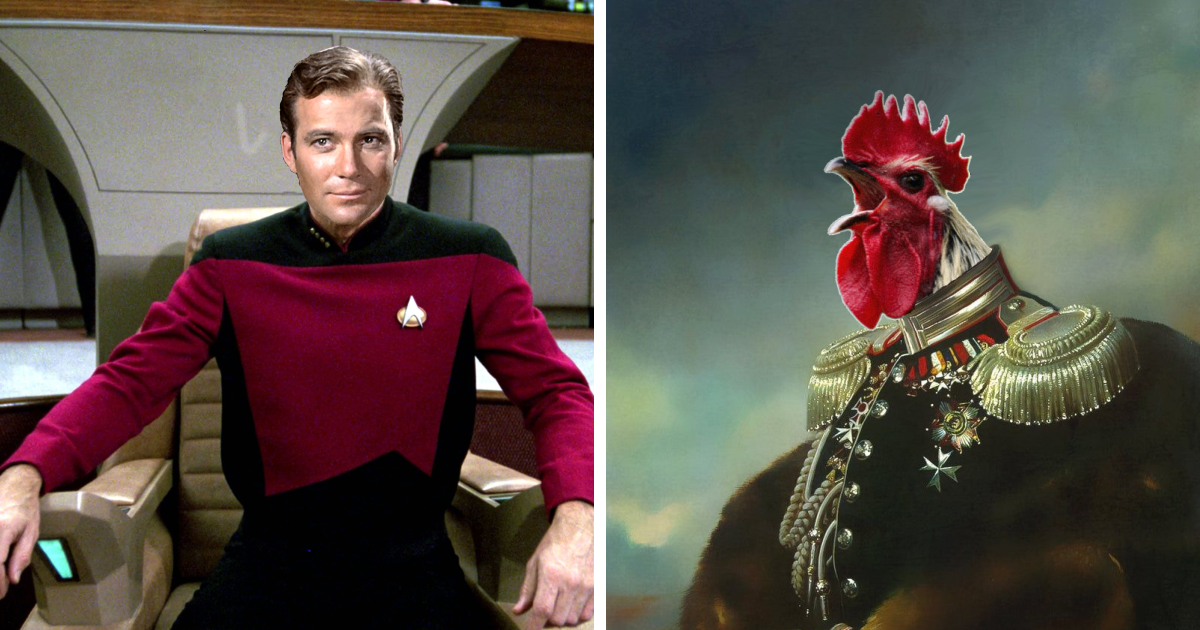
Some people use photo editing apps to remove a pimple, brighten a sunset, or make lunch look like it was plated by a chef who whispers to basil. Others use the same tools to create a raccoon riding a toaster through outer space while wearing grandma’s reading glasses. This article is for the second group.
The internet has always loved weird images, but photo editing apps have turned ordinary users into mini digital mad scientists. With a few taps, a selfie can become a Renaissance painting gone wrong, a backyard can turn into a dinosaur safari, and a family dog can suddenly look like the CEO of a haunted bakery. The prompt “Hey Pandas, post your weirdest photo that you created on a photo editing app” works because it invites people to share not polished perfection, but creative chaos.
In the age of AI photo editors, background removers, face filters, stickers, generative fill, collage tools, and one-click effects, strange digital art is no longer reserved for professionals with a graphics tablet and a suspicious number of coffee mugs. Anyone with a phone can create bizarre photo edits, surreal images, funny digital collages, and “what am I looking at?” masterpieces. And honestly, the results are often more memorable than another perfectly edited beach sunset.
Why Weird Edited Photos Are So Addictive
Weird photo edits grab attention because they break the brain’s expectations. A normal photo says, “Here is my cat.” A weird edited photo says, “Here is my cat, but now it has butterfly wings, a tiny briefcase, and appears to be late for a board meeting.” That tiny twist makes people pause, laugh, comment, and sometimes question reality for a healthy three seconds.
Platforms built around community sharing thrive on this kind of visual surprise. Bored Panda-style prompts work especially well because they remove the pressure to be “good” in the traditional sense. Nobody needs gallery lighting or a degree in design. The goal is to share something odd, funny, imaginative, or gloriously cursed. The weirder the photo, the better the conversation.
The Perfect Mix of Creativity and Low Stakes
Photo editing apps are popular because they make experimentation easy. If an edit fails, nobody has to frame it and explain it to future generations. You can simply undo, crop, erase, regenerate, or start over. This low-risk environment encourages people to try unusual combinations: a vacation photo with a dragon in the sky, a baby picture with cyberpunk sunglasses, or a bowl of soup floating in a galaxy like a deeply confused planet.
That freedom is the magic. Weird photo editing is not about making the most realistic image. It is about making the most shareable one. A strange edit gives viewers something to react to immediately, whether the reaction is laughter, admiration, mild concern, or the classic comment: “Why did you make this?”
How Photo Editing Apps Became Weirdness Machines
Modern photo editing apps are no longer just for cropping and adjusting brightness. Tools like background removal, object erasing, automatic masking, AI image generation, smart filters, stickers, text effects, layering, and portrait retouching have changed what casual creators can make. Instead of asking, “Can I fix this photo?” users now ask, “Can I make my uncle look like he is giving a TED Talk to raccoons?” Usually, yes.
Apps such as Canva, Picsart, Snapseed, Lightroom, Photoshop, and many mobile-first editors have made advanced editing accessible to beginners. Canva focuses heavily on templates, design layouts, background tools, and AI-assisted edits. Picsart leans into mobile creativity with filters, effects, stickers, AI tools, and social-friendly visuals. Snapseed remains a favorite for people who want strong manual controls without feeling trapped inside a spaceship dashboard. Adobe’s ecosystem continues to set the standard for professional photo manipulation, while newer AI tools make complicated edits faster and more approachable.
From Simple Filters to Surreal Digital Collages
Filters were once the main attraction. A user could make a photo warmer, cooler, grainier, brighter, or suspiciously orange. Then came stickers, overlays, cutouts, and face effects. Now, AI photo editing apps can remove unwanted objects, replace backgrounds, expand images, generate new elements, and transform the mood of an entire scene with a prompt.
That evolution matters because weird photo edits often depend on combining unrelated things. A normal street photo becomes strange when the sky is replaced with jellyfish. A portrait becomes hilarious when the subject is placed inside a snow globe. A snack photo becomes unforgettable when the chips are edited into tiny surfboards. The more flexible the app, the easier it becomes to create controlled nonsense.
Popular Types of Weird Photos People Create on Editing Apps
There are many flavors of weird photo editing. Some are funny, some are artistic, some are accidentally terrifying, and some look like the app achieved consciousness and immediately chose chaos. Here are the most common categories that show up when people start sharing their strangest creations.
1. Animal-Human Hybrids
This category is a classic for a reason. People love turning their pets into tiny people and people into suspiciously expressive animals. A cat with a businessman’s tie, a dog with dramatic eyelashes, or a hamster edited into a medieval king can instantly become internet gold. These edits work because animals already have big personalities; the app simply gives them a costume department.
2. Background Swaps Gone Wild
Background remover tools are supposed to help users create clean product photos, polished profile pictures, and neat social posts. Naturally, the internet uses them to put grandma on Mars. A regular photo taken in a kitchen can become a scene inside a volcano, a spaceship, a haunted library, or a cereal commercial from another dimension.
3. Face Filters That Went Too Far
Face filters can be charming, but when stacked together, they become a digital carnival mirror. Big eyes, tiny mouths, glowing skin, cartoon hair, alien cheeks, and fantasy makeup can turn a simple selfie into a character who looks like they escaped from a mobile game ad. The best weird edits often happen when someone keeps tapping filters after common sense has left the room.
4. Accidental AI Oddities
AI editing tools are powerful, but they can still create strange surprises. A generated hand may have too many fingers. A background may include impossible architecture. A chair might melt into a plant. A person’s shadow may appear to have its own career goals. These mistakes can be hilarious when used for harmless creativity and clearly labeled as edited.
5. Surreal Mini-Stories
The strongest weird edited photos often feel like they belong to a bigger story. A man calmly drinking coffee while floating in a bathtub above a city. A chicken wearing sunglasses at a courtroom table. A toddler edited into a tiny astronaut discovering a giant rubber duck on the moon. These images work because viewers want to know what happened before and after the scene.
What Makes a Weird Photo Edit Actually Good?
A weird photo does not need to be technically perfect, but the best ones usually have a clear idea. Randomness can be funny, but purposeful randomness is funnier. If the image has one strong joke, one visual surprise, or one strange concept, it becomes easier for viewers to understand and enjoy.
For example, adding twenty unrelated stickers to a selfie may look messy. But turning that same selfie into a fake magazine cover titled “Local Man Accidentally Becomes Mayor of Pigeon Town” gives the weirdness direction. The edit becomes a story, not just a pile of pixels wearing a party hat.
Clarity Beats Clutter
When creating bizarre photo edits, less can sometimes be more. A single well-placed absurd detail can outperform a crowded collage. A normal portrait with one tiny dinosaur peeking from a shirt pocket might be funnier than an image filled with lasers, pizza slices, fireworks, ten fonts, and a floating banana screaming into the void.
Good weird editing also pays attention to contrast, scale, and placement. Oversized objects are funny. Tiny serious objects are funny. Animals in human situations are funny. Everyday things placed in dramatic settings are funny. The formula is simple: take something normal, add one ridiculous twist, and let the viewer’s brain do the comedy work.
Tips for Creating Your Weirdest Photo on a Photo Editing App
If you want to join the fun, start with a clear base photo. Choose an image with a strong subject, such as a pet, a face, a room, a snack, or a simple outdoor scene. The clearer the original photo, the easier it is to transform it into something strange without losing the viewer.
Start With One Absurd Question
Ask yourself a ridiculous question before editing. What if my dog were a celebrity chef? What if this chair were the villain in a fantasy movie? What if my coffee mug had just won an election? What if my houseplant was secretly running a detective agency? These questions give your edit a direction.
Use Background Removal Creatively
Background remover tools are perfect for weird edits. Cut out a person, pet, or object and place it somewhere unexpected. A cat in a courtroom, a sandwich on a mountain peak, or a goldfish in a library can create instant comedy. The trick is to make the scene strange but readable.
Experiment With Scale
Scale is one of the easiest ways to make an image weird. Make a tiny object huge or a large object tiny. A giant spoon towering over a city looks strange. A tiny car parked on a cupcake looks strange. A normal object becomes funny when it refuses to obey normal size rules.
Add Text Only When It Helps
Text can make a weird photo even better, especially if it gives the image a fake headline, warning label, or dramatic caption. But too much text can overwhelm the visual joke. Use short, punchy phrases like “Emergency Banana Meeting,” “Do Not Trust The Lamp,” or “Employee Of The Month: The Pigeon.”
Ethics: Keep Weird Edits Fun, Not Harmful
There is a difference between harmless weird photo editing and misleading manipulation. Turning your own photo into a surreal meme is fun. Creating a fake image of a real person doing something they never did can harm reputations, spread misinformation, or violate privacy. As AI photo editing becomes more realistic, creators should be clear when an image is edited, especially if it includes real people, public figures, sensitive topics, or news-like scenes.
Good digital citizenship is not boring; it protects the fun. Label AI-generated or heavily edited images when needed. Avoid non-consensual edits. Do not use someone’s face in embarrassing, intimate, hateful, or deceptive content. If the photo is meant as a joke, make sure the joke does not turn into a digital banana peel under someone else’s life.
Authenticity Still Matters
Many platforms, creators, and media organizations are now paying closer attention to image provenance, content credentials, and transparency tools. That does not mean surreal edits are bad. It means the internet needs context. A weird edited photo is delightful when people know it is a creative experiment. The same image can become a problem if presented as real evidence.
Why Community Prompts Like “Hey Pandas” Work So Well
The phrase “Hey Pandas” creates a friendly invitation. It sounds casual, communal, and slightly mischievous. Instead of telling people to submit polished artwork, it asks them to share something personal and funny. This makes participation easier. A professional designer can post a sophisticated surreal edit, while a beginner can post a hilariously awkward filter disaster. Both belong.
That mix is what makes community photo threads entertaining. Some images are clever. Some are beautiful. Some are deeply confusing. Some look like a phone app had a dream after eating gas station sushi. The variety keeps people scrolling because the next image could be anything.
Experience Section: The Strange Joy of Making Weird Photos
Anyone who has spent an afternoon playing with a photo editing app knows the process starts innocently. You open a normal picture. Maybe it is a selfie, a pet photo, or a picture of your lunch. You plan to make one small adjustment. Just brighten the image. Maybe crop the background. Nothing dramatic. Then you notice a sticker pack. Then a filter. Then an AI background option. Ten minutes later, your sandwich is wearing sunglasses in front of a burning castle, and you are laughing alone like a wizard who has discovered Wi-Fi.
The funniest experience is often the accidental edit. You tap the wrong effect and suddenly your face looks like a porcelain doll trapped in a thunderstorm. You try to erase a chair, but the app replaces it with something that looks like a confused mushroom. You ask an AI tool to add “a small bird,” and it creates a bird the size of a refrigerator. These little mistakes become part of the charm. They remind us that creativity is not always neat. Sometimes it arrives wearing mismatched socks and carrying a laser pointer.
Creating weird edited photos can also be oddly relaxing. Unlike professional design work, there is no client asking whether the logo can be “more emotionally premium.” There is no pressure to make the image realistic, marketable, or tasteful. The only goal is to surprise yourself. That freedom gives people permission to play, and play is one of the most underrated creative tools. When you make a raccoon astronaut or a haunted toaster, you are practicing composition, visual storytelling, contrast, humor, and timing without turning the process into homework.
Sharing these images makes the experience even better. A weird photo invites reactions. Friends might ask how you made it. Someone may say it belongs in a museum, although possibly a museum with questionable insurance. Another person may reply with their own cursed masterpiece, and suddenly the comment section becomes a tiny festival of digital nonsense. That is the heart of prompts like “Hey Pandas, post your weirdest photo that you created on a photo editing app.” They turn private experiments into public laughter.
The best part is that weird edits often preserve memories in a new way. A regular vacation photo might remind you of a beach. A weird version of that photo, where your friend is edited into a sea captain battling a giant crab, reminds you of the exact night everyone laughed until someone nearly dropped the phone. The image becomes more than a picture. It becomes a joke, a mood, a group memory, and a tiny piece of internet folklore.
Of course, not every experiment succeeds. Some edits are too messy. Some jokes only make sense at 1:00 a.m. Some AI results are so strange that even the creator cannot explain them in daylight. But that is part of the experience. Weird photo editing teaches people to enjoy unfinished, imperfect creativity. Not everything has to be elegant. Sometimes the most memorable image is the one that makes everyone say, “I have no idea what this is, but I support it.”
Conclusion: Let the Weird Edits Roam Free
Weird photos created on photo editing apps are more than throwaway jokes. They are tiny acts of imagination. They show how everyday users can turn ordinary pictures into surreal digital art, funny visual stories, and unforgettable community posts. With today’s editing tools, anyone can remove a background, add a strange object, exaggerate a face, build a collage, or create a scene that looks like a dream had a software update.
The best weird photo edits are playful, clear, and harmless. They invite laughter without misleading people. They use technology as a creative toy, not a trick. So if you have a photo editing app, a normal picture, and a deeply unnecessary idea, you already have everything you need. Make the cat a mayor. Put the toaster in space. Give the cactus a detective hat. The internet may not need it, but it absolutely deserves it.











