
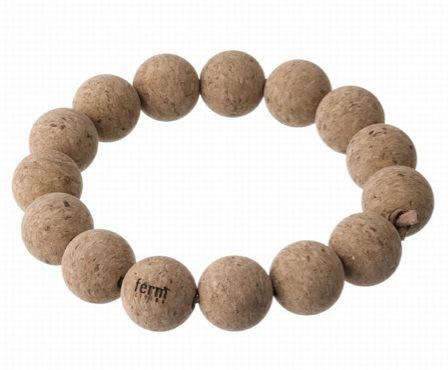
The Ferm Living-Cork Ball Trivet is one of those small kitchen pieces that quietly proves a big design truth: useful things do not have to look boring. At first glance, it is almost amusingly simplea loop of rounded cork balls tied together with a leather string. No shiny gadgets. No complicated mechanism. No “smart” button demanding a software update before dinner. Just cork, shape, texture, and a very practical job: protecting your table from hot pots, pans, teapots, and serving dishes.
Yet that simplicity is exactly why the Ferm Living cork trivet has become such a favorite among people who love Scandinavian kitchen accessories. It feels warm, natural, and a little playful, like jewelry for your dining table. Instead of hiding in a drawer like most hot pads, it can hang on a hook, sit on a shelf, or rest beside a coffee station as part of the decor. In a world full of over-designed kitchen tools, this cork ball trivet takes the opposite approach. It says, “Relax. I’m just here to protect your table and look charming while doing it.”
This article takes a closer look at what makes the Ferm Living Cork Ball Trivet special, how it fits into modern kitchen design, why cork is such a practical material, and how to style and use it in everyday life. Whether you are building a calm Nordic-inspired kitchen or simply tired of setting hot pans on folded towels, this little trivet deserves a spot on your radar.
What Is the Ferm Living-Cork Ball Trivet?
The Ferm Living-Cork Ball Trivet, also commonly listed as the Ferm Living Cork Coaster, is a round trivet made from natural cork spheres joined together with a leather string. The design is minimal but memorable: instead of a flat slab or silicone mat, it uses a bracelet-like structure of cork balls to create a flexible, sculptural surface.
The current product specifications list it as a natural-colored cork piece measuring approximately 16 centimeters in diameter and 3 centimeters in height, with a lightweight feel that makes it easy to move, hang, and store. Older and retailer descriptions may list the diameter around 6.3 to 6.7 inches, which is essentially the same practical size range for everyday cookware and tableware.
Its purpose is straightforward. You place it under hot pots, pans, kettles, teapots, casserole dishes, or serving bowls to help protect tables and countertops from heat marks. But the real appeal is how the trivet turns a humble kitchen task into a design moment. It looks more like a piece from a carefully edited home store than something you grabbed in a panic while the pasta water was boiling over.
Why This Cork Ball Trivet Stands Out
There are many trivets on the market. Some are silicone. Some are metal. Some are bamboo, marble, ceramic, or cast iron. Many do the job perfectly well, but not all of them bring warmth to the table. The Ferm Living Cork Ball Trivet stands out because it blends function, texture, sustainability, and Scandinavian charm in a very compact form.
1. It Has a Soft, Organic Look
Cork has a visual softness that instantly warms up a kitchen. Its natural tan color works beautifully with white countertops, black cabinets, pale oak, walnut, stone, and stainless steel. The ball shape makes it feel casual and friendly rather than stiff or overly polished. That is important because kitchens are not museums. They are places where toast burns, coffee spills, and someone always opens the fridge five minutes after saying they are not hungry.
The round cork beads give the trivet an organic rhythm. It is minimal, but not cold. It is decorative, but not fussy. It has enough personality to be noticed and enough restraint to fit into nearly any kitchen style.
2. It Works as Both Tool and Decor
A good kitchen accessory earns its space. A great one earns its space twice. The Ferm Living cork trivet works as a hot pad during meals, then becomes a decorative object when not in use. Because of its leather string, it can be hung on a wall hook, peg rail, cabinet knob, or kitchen rack. That makes it especially useful in small kitchens where drawer space is treated like prime real estate.
When hung up, it reads almost like a natural-material ornament. In open shelving kitchens, it pairs well with linen towels, ceramic mugs, wooden spoons, glass jars, and stoneware plates. It adds texture without clutter. That is the kind of design magic small accessories can bring: they make practical storage look intentional.
3. It Reflects Scandinavian Design Values
Ferm Living is known for Danish-inspired interiors that balance function, comfort, and refined simplicity. The Cork Ball Trivet fits perfectly into that design language. It does not shout for attention. It does not chase trends. It uses a humble material in a clever way and lets the form do the talking.
Scandinavian kitchen design often emphasizes natural textures, calm colors, clean lines, and everyday usability. This trivet checks all of those boxes. It is small, practical, tactile, and visually quiet, yet it still adds character. That is a hard balance to strike, and this piece manages it with a wink.
The Beauty of Cork in Kitchen Accessories
Cork is not just a pretty material. It has practical qualities that make it especially useful around the kitchen and dining table. It is lightweight, naturally insulating, slightly cushioned, and pleasant to touch. These qualities explain why cork has long been used for bottle stoppers, flooring, bulletin boards, coasters, and trivets.
For a trivet, insulation matters. The purpose is to create a buffer between a hot object and a vulnerable surface. Cork’s cellular structure contains tiny air pockets, which help slow heat transfer. That does not mean cork should be treated like a magic shield for scorching-hot cast iron straight from a blazing oven, but for normal serving use with hot pots, pans, and teapots, cork is a practical and time-tested choice.
Cork also has a gentle grip. Unlike metal trivets that may slide or clatter, cork feels quiet and steady. It is less likely to scratch delicate table surfaces, and its natural texture helps soften the visual transition between cookware and furniture. Put simply, it behaves nicely at dinner.
Sustainability: Why Cork Has a Good Reputation
One reason cork has returned to the spotlight in interior design is its sustainability story. Cork comes from the bark of the cork oak tree, and the tree does not need to be cut down for harvesting. The bark regenerates over time, allowing the same tree to be harvested again after several years. That makes cork a renewable natural material when sourced responsibly.
For buyers who want eco-friendly kitchen decor, the Ferm Living Cork Ball Trivet offers a more natural alternative to many plastic-based hot pads. It is not trying to look like nature; it actually comes from it. That distinction matters in modern interiors, where many people are moving away from disposable-looking products and toward pieces with texture, longevity, and a more grounded material story.
Of course, sustainability also depends on how long a product stays useful. A trivet that lasts, remains attractive, and does not get tossed out after one season is already doing better than a trendy accessory with a short emotional expiration date. The Ferm Living cork trivet has the kind of simple design that can live in a kitchen for years without looking outdated.
How to Use the Ferm Living Cork Ball Trivet
Using the trivet is easy, but using it well helps preserve both the trivet and your surfaces. Place it on a stable, flat table or countertop, then set your hot pot, pan, teapot, or serving dish centered on top. The rounded cork balls create a raised surface that helps separate heat from the table below.
It is especially well suited for everyday serving situations: a teapot during breakfast, a small saucepan at dinner, a ceramic baking dish on the table, or a warm serving bowl during a family meal. It also works beautifully for coffee setups, where it can sit under a French press, pour-over kettle, or warm milk pot.
For very heavy cookware or extremely hot pans, use common sense. Let the cookware cool briefly when possible, avoid dragging it across the trivet, and do not expose the leather string to direct flame, standing water, or extreme heat. The trivet is stylish, but it is not a superhero cape for cookware that just survived a broiler battle.
Where It Looks Best in the Kitchen
The Ferm Living Cork Ball Trivet fits into many kitchen styles because its design is both neutral and tactile. In a white kitchen, it adds warmth. In a black kitchen, it softens the drama. In a wood kitchen, it blends naturally. In a modern apartment, it gives the space a handmade, organic detail. In a farmhouse-inspired kitchen, it feels relaxed without leaning too rustic.
On Open Shelving
Place it near stacked plates, handmade mugs, or a small ceramic pitcher. The round shape breaks up straight shelf lines and adds visual movement. It also helps prevent open shelves from looking too staged, because the trivet is clearly useful.
On a Peg Rail
A peg rail is one of the best places to hang this trivet. Pair it with linen tea towels, a small brush, measuring spoons, and wooden utensils. The result feels effortless, warm, and practicalthe holy trinity of a good kitchen wall.
Beside the Stove
Keeping it near the stove makes sense if you often move hot pans from burner to counter. Just keep it away from open flame and splattering oil. It should be close enough to grab quickly, not close enough to become part of the cooking adventure.
On the Dining Table
Because it looks decorative, the trivet can live directly on the dining table during meals. It pairs particularly well with stoneware dishes, natural linen napkins, matte flatware, and simple glassware. It creates a relaxed tablescape without making dinner feel like a product photoshoot.
Ferm Living Cork Trivet vs. Other Trivets
Compared with silicone trivets, the Ferm Living Cork Ball Trivet feels warmer, more natural, and more decorative. Silicone is flexible and easy to wash, but it often looks more utilitarian. Cork brings a design-forward look that works better in kitchens where accessories are part of the overall aesthetic.
Compared with metal trivets, cork is lighter, quieter, and gentler on surfaces. Metal can look sleek, but it may scratch tables or feel cold in a cozy dining setting. Cork feels more approachable. It says “fresh bread and soup” rather than “industrial laboratory.”
Compared with wooden trivets, the cork ball design has more visual playfulness. Wooden trivets can be beautiful, but they are often rigid and flat. The ball structure gives this Ferm Living piece a sculptural quality that makes it feel less expected.
Compared with ceramic or stone trivets, cork is lighter and easier to hang. Stone and ceramic can be elegant, but they are also breakable and heavier. Cork wins when you want something casual, easy, and low-maintenance.
Care and Maintenance Tips
The official care guidance for the Ferm Living Cork Coaster is simple: wipe it with a damp cloth. That is exactly the kind of cleaning instruction everyone loves because it does not require a special brush, a sacred moon cycle, or a cleaning product only sold in one village in Denmark.
To keep the trivet looking good, avoid soaking it in water. Cork can tolerate moisture in normal use, but it should not be treated like a dish that belongs in the sink. Wipe spills quickly, let it air dry fully, and keep it away from dishwashers. The leather string also benefits from gentle treatment, so do not twist, pull, or stretch it unnecessarily.
If crumbs collect between the cork balls, shake the trivet gently or use a dry cloth to remove debris. For small stains, a lightly damp cloth usually works. Avoid harsh cleaners, bleach, abrasive scrubbers, or oily polishes. Natural cork looks best when it is allowed to age gracefully, not when it is attacked like a stubborn oven rack.
Who Should Buy the Ferm Living-Cork Ball Trivet?
This trivet is a strong fit for anyone who appreciates small design details and prefers natural kitchen accessories over plastic-heavy tools. It is especially appealing for people who love Scandinavian interiors, minimalist kitchens, warm neutral palettes, sustainable materials, and products that look good enough to leave out.
It also makes a thoughtful housewarming gift. Unlike many decorative gifts, it is genuinely useful. Unlike many kitchen gifts, it is attractive enough to feel personal. It works for apartment dwellers, new homeowners, design lovers, tea drinkers, home cooks, and anyone who has ever used a folded dish towel as a trivet and thought, “There must be a more dignified way.”
It may not be the best choice for someone who wants a large, washable silicone mat for messy high-heat cooking. It is also not ideal for households where every item must survive dishwasher cycles, camping trips, and being used as a drum by toddlers. But for everyday dining, serving, and kitchen styling, it is a charming and practical piece.
Buying Considerations Before You Add It to Your Kitchen
Before buying the Ferm Living Cork Ball Trivet, consider size, use case, and storage. Its roughly six-to-seven-inch diameter makes it well suited for many common pots, teapots, and serving bowls, but very large roasting pans may need a bigger surface or multiple trivets. Measure your most-used cookware if you plan to use it for specific dishes.
Also consider your kitchen style. The natural cork color works beautifully in warm, neutral, and Scandinavian-inspired interiors. It can also create appealing contrast in more dramatic kitchens with black cabinets, dark stone, or stainless appliances. If your kitchen already includes wood, rattan, linen, or handmade ceramics, this trivet will likely feel right at home.
Finally, think about visibility. This is not a trivet you need to hide. Its design value increases when it is visible, so plan a place to hang or display it. A small wall hook can turn it into both storage and decor.
Design Ideas: How to Style It Like a Pro
For a simple breakfast station, hang the Ferm Living Cork Ball Trivet beside a linen towel and place a ceramic mug, coffee grinder, and small wooden tray nearby. The cork will echo the natural tones and make the setup feel calm and intentional.
For a dinner table, pair the trivet with matte plates, a neutral table runner, and a warm serving dish. The cork texture adds casual elegance, so the table feels styled but not stiff. Guests may not immediately say, “Wow, what a trivet,” but they will notice that the table feels comfortable and well considered.
For a modern black-and-white kitchen, use the cork trivet as a warm accent. Black cabinets and white countertops can sometimes feel sharp or graphic. Cork softens the contrast and adds an earthy layer. It is a small detail, but small details are often what make a kitchen feel lived-in rather than showroom-perfect.
Real-Life Experience: Living With the Ferm Living-Cork Ball Trivet
The first thing you notice when using a cork ball trivet like this is how different it feels from a standard flat hot pad. It has presence. You do not just throw it onto the table; you place it there. The rounded cork beads make it feel tactile and slightly playful, almost like a design object that wandered into the kitchen and decided to be helpful.
In daily use, it works best during those small but frequent moments that define home cooking. A kettle comes off the stove. A pot of soup needs to move from burner to table. A teapot is too warm for the counter. A small casserole dish needs a landing spot. Instead of searching for a towel or dragging out a bulky trivet, you grab the cork loop from its hook and put it down. It is quick, light, and satisfying.
One of the most enjoyable experiences is using it during casual meals. Imagine a weeknight dinner with pasta, roasted vegetables, or a small Dutch oven of stew. The trivet sits in the middle of the table, holding the hot dish while blending into the place setting. It does not compete with the food or the dinnerware. It simply adds texture. That is the beauty of good design: it improves the atmosphere without demanding applause.
It is also surprisingly useful for tea and coffee rituals. A warm teapot on the cork trivet instantly makes a counter feel more composed. A French press looks more intentional. Even a small saucepan of warmed milk feels like it belongs in a cozy cafe instead of a Tuesday morning kitchen where someone is still looking for matching socks.
Storage is another pleasant part of the experience. Many trivets are awkward to store because they are flat, wide, or oddly shaped. This one can hang. That small feature changes everything. Hanging it near the stove or dining area keeps it visible and accessible, and because it looks good, the storage itself becomes decorative. You are not hiding clutter; you are displaying a useful object.
There are a few practical habits worth developing. Do not soak it. Do not toss it into the dishwasher. Do not use it as a landing pad for extremely overheated cookware without thinking. Treat it like a natural material and it will reward you with long-lasting charm. Cork is forgiving, but not invincible. It appreciates manners.
Over time, the trivet may develop a little more character. Natural cork can pick up subtle signs of use, which is part of its appeal. Instead of looking ruined, it often looks more lived-in. That suits the product perfectly. The Ferm Living Cork Ball Trivet is not about sterile perfection. It is about warmth, usefulness, and the quiet pleasure of owning a kitchen accessory that makes ordinary routines feel just a bit more thoughtful.
Conclusion
The Ferm Living-Cork Ball Trivet is a small kitchen accessory with a lot of design intelligence. It protects surfaces, adds natural texture, stores beautifully, and brings a warm Scandinavian touch to everyday cooking and serving. Its cork ball construction gives it personality without making it loud, while the leather string adds a practical hanging detail that makes storage easy.
For anyone who loves natural materials, simple forms, and kitchen tools that are attractive enough to leave out, this trivet is an easy recommendation. It is not trying to reinvent the kitchen. It is simply making one everyday task more beautiful. And honestly, if a small loop of cork balls can make dinner feel a little more charming, that is the kind of quiet domestic victory worth celebrating.











