
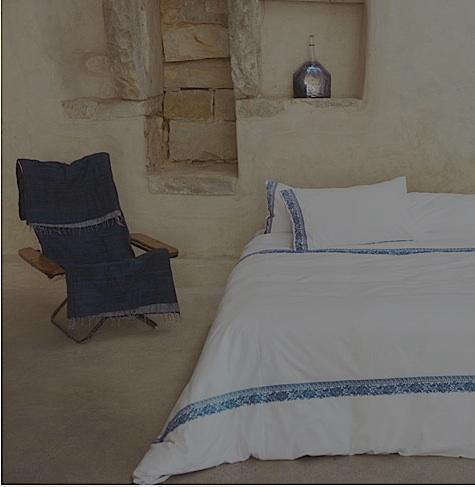
Some bedding whispers, “I am practical.” Other bedding announces, “I have 1,200 threads, a complicated return policy, and opinions about champagne.” Toast’s embroidered bed linens occupy a more appealing middle ground. They feel artistic without becoming fussy, relaxed without looking unfinished, and luxurious without turning the bedroom into a hotel suite where you are afraid to eat crackers.
The British lifestyle brand has long approached home textiles with the same understated character found in its clothing: natural fibers, softened colors, useful construction, and decorative details that appear considered rather than merely added. Earlier Toast collections attracted attention for cross-stitch-inspired borders, while newer designs continue the idea through delicate floral buds and linear embroidered motifs. The common threadquite literallyis embroidery used as quiet punctuation.
Today, Toast’s Bud bed linen is made from a breathable linen-and-cotton blend in an ivory shade, with small buds stitched in contrasting Delft-blue thread. The collection includes duvet covers and pillowcases in standard sizes, with pieces supplied in matching drawstring fabric bags. The duvet cover is embroidered in India and finished with corozo buttons, while the pillowcases place the bud motif around the envelope closure.
Why Toast’s Embroidered Bedding Still Feels Fresh
Embroidered bed linen is not new. Decorative stitching has appeared on household textiles for centuries, from elaborate heirloom linens to simple borders stitched around pillowcases. What makes the Toast interpretation feel modern is restraint. Instead of covering every available inch with flowers, vines, monograms, and possibly a small embroidered peacock, the brand uses sparse motifs and generous areas of undecorated fabric.
This balance matters because a bed is already a large visual object. Add a carved headboard, two nightstands, several pillows, a quilt, a throw, and the mysterious decorative cushion that nobody is allowed to sleep on, and the room can become busy quickly. Small-scale embroidery brings texture and personality without fighting the architecture or other furnishings.
Architectural Digest has similarly noted that embroidered sheets can work across minimalist, traditional, romantic, and maximalist interiors. The success of the look depends less on the amount of decoration than on the quality of the base cloth, the placement of the stitching, and how the bedding relates to the rest of the room.
A Connection to Toast’s Earlier Cross-Stitch Linens
The title “Embroidered Bed Linens from Toast” originally appeared in a Remodelista feature published in March 2010. Toast’s cross-stitched linens were also referenced in a later Remodelista design feature as a way to recreate the folkloric embroidered borders seen at Salvinia Lodge in Poland. Those earlier designs leaned more directly into traditional cross-stitch imagery, while the current Bud collection offers a lighter botanical interpretation.
That evolution is useful for contemporary decorators. It shows how a heritage technique can change without losing its identity. The embroidery does not need to imitate an antique exactly. A few simplified stitches in an unexpected color can suggest folk craft, handwork, and history while still looking appropriate beside a modern lamp or a plain oak bed.
The Linen-Cotton Blend: The Practical Star of the Bed
The embroidery may receive the compliments, but the fabric does the nightly work. Toast’s Bud collection blends linen with cotton, combining some of linen’s dry, airy texture with cotton’s familiar softness and flexibility. Toast describes the cloth as soft, natural, breathable, and kind to the skin. The brand also offers other washed linen-cotton bedding designed to have a supple, slightly rumpled, already-lived-in appearance.
What Linen Contributes
Linen is made from flax fibers and is widely valued in bedding for breathability, moisture management, durability, and its ability to soften gradually with washing. Its fibers are thicker than cotton fibers, which is one reason linen thread counts are typically much lower than cotton thread counts. Sleep Foundation guidance places a common linen range around 80 to 140 and warns that an unusually high number is not automatically a sign of better quality.
Linen also brings visual character. Even when freshly washed, it rarely lies as flat and shiny as cotton sateen. It creases, catches light unevenly, and develops a softly rumpled surface. For fans of relaxed interiors, this is not a defect. It is the entire point. Better Homes & Gardens has highlighted that the natural texture and casual wrinkling of linen are central to its current popularity, along with its breathable feel and long-term durability.
What Cotton Contributes
Cotton moderates some of linen’s crispness. Depending on the exact blend and weave, it can make bedding feel softer sooner, reduce the break-in period, and create a cloth that is easier for people accustomed to conventional cotton sheets. The combination is especially appealing to buyers who love the appearance of linen but are not ready to sleep on something that initially feels as though it has recently completed military training.
Good Housekeeping’s bedding evaluations emphasize that linen is naturally textured and may feel rougher than sateen, flannel, microfiber, or other smooth materials. It typically becomes more comfortable with repeated use and laundering, but buyers should not expect a slippery, silky surface on the first night.
Embroidery as Texture, Not Just Decoration
Printed bedding creates pattern through color applied to the surface. Embroidery creates pattern through actual structure. The raised thread catches shadows, gives the hand something to notice, and remains visible even when the colors are subtle. That physical quality is particularly effective on pale bed linen, where a small blue bud can look almost like a sketch made with thread.
Toast also uses embroidered linear motifs on striped organic cotton bedding. Its Fine Stripe collection combines woven stripes, decorative stitching, Oxford and housewife pillowcase styles, a washed finish, and matching storage bags. Because the stripe is woven into the fabric while the motif sits above it, the bedding gains depth without requiring a loud multicolor print.
The approach works because the embroidery follows the scale of the object. A restrained line across a duvet cover can guide the eye horizontally and make the bed appear wider. A motif around a pillowcase closure draws attention to craftsmanship without placing thick stitching directly beneath the sleeper’s face. These are small design decisions, but bedding is essentially one large collection of small design decisions stitched together.
How to Style Toast Embroidered Bed Linens
1. Let the Embroidery Be the Main Pattern
For a calm bedroom, pair embroidered ivory bedding with plain walls, a natural wood bed, and one solid-color blanket. The Delft-blue stitching can be repeated in a bedside lamp, ceramic vase, book jacket, or narrow stripe elsewhere in the room. Repeating the color once or twice is enough. There is no need to conduct a full investigation into every blue object in the house.
2. Add Stripes for a Relaxed British Look
Blue embroidery pairs naturally with ticking stripes, pinstripes, and checks. Use a striped fitted sheet beneath the embroidered duvet or fold a narrow-striped quilt across the foot of the bed. Keep the stripe smaller than the embroidered motif so the patterns support rather than compete with one another.
3. Combine It with Vintage Furniture
The folk-art quality of embroidered bedding suits painted chests, old pine stools, bentwood chairs, and iron bed frames. The room does not need to become a museum exhibit. One vintage piece is often enough to make the stitching feel connected to a broader story of craft and use.
4. Use Contrast in a Modern Room
Embroidered linen can also soften a sharply modern bedroom. Place it against plaster walls, a low platform bed, matte-black hardware, or a simple paper pendant light. The irregularity of the textile prevents clean-lined furniture from feeling cold, while the restrained embroidery prevents the bed from becoming overly romantic.
5. Layer Textures Instead of Adding More Patterns
A woven wool throw, cotton coverlet, cane headboard, or nubby rug can make the bedroom feel rich without introducing additional prints. Contemporary interior projects frequently use layered natural materials and handcrafted details to create warmth and a sense of age, even in newly built homes.
How to Care for Embroidered Linen-Cotton Bedding
Always begin with the product’s sewn-in care label. Fiber percentages, dyes, thread types, and construction methods vary, even among products that appear similar. Toast’s general linen guidance recommends a cool wash around 30 degrees Celsius, turning items inside out, avoiding an overloaded machine, reshaping after washing, and ironing from the reverse while the cloth is still slightly damp.
Wash Gently and Give the Fabric Room
Large duvet covers need space to move. Crowding them into the drum can prevent proper rinsing and increase wrinkling. The Spruce likewise recommends cool or lukewarm water, mild detergent, an uncrowded machine, and separating linen from abrasive loads containing jeans, heavy towels, hooks, or fasteners that may catch the fabric.
Protect the Stitched Areas
Fasten buttons, close openings, and turn the duvet cover or pillowcases inside out before laundering when the care label allows it. Good Housekeeping notes that turning embroidered items inside out reduces friction on decorative stitching. For especially delicate pieces, a large mesh laundry bag can provide additional protection.
Avoid Excessive Heat
High dryer temperatures can encourage shrinkage and make wrinkles more stubborn. Air-drying is gentle, but low tumble drying may be suitable when permitted by the label. Remove bedding promptly rather than allowing it to bake into a warm fabric dumpling at the bottom of the dryer.
When ironing embroidered linen, work from the wrong side and place a clean towel beneath the stitched area. Padding prevents the iron from flattening the embroidery and helps protect the raised thread. The Spruce recommends ironing linen while it retains a little moisture and avoiding direct pressure on decorative stitching.
Wash Often Enough, but Not Aggressively
Most household-care experts recommend washing sheets and pillowcases about once a week, with adjustments for pets, sweating, skincare products, illness, and personal habits. A duvet cover may generally be washed every one to two weeks when it regularly touches the sleeper. Mild detergent, adequate rinsing, and low drying temperatures are more useful than choosing the harshest cycle and hoping the washing machine respects craftsmanship.
What to Check Before Buying Embroidered Bed Linen
Confirm the Exact Dimensions
Bedding sizes are not perfectly universal across countries. A UK king duvet cover may not match the dimensions of a US king insert. Compare the listed measurements in inches or centimeters rather than relying solely on labels such as double, queen, or king.
Look at Embroidery Placement
Stitching near the top edge of a duvet is mainly decorative. Stitching across the entire sleeping surface may be more noticeable against the body. Examine product photographs closely and consider whether raised details will touch your face or shoulders.
Judge Fabric by More Than Thread Count
Thread count can be helpful for certain cotton sheets, but it is not a universal quality score. Fiber length, yarn quality, weave, finishing, weight, stitching, and wash performance can matter as much or more. Linen, in particular, should not be evaluated using the same numerical expectations as cotton sateen.
Consider the Whole Set
Confirm whether pillowcases, fitted sheets, flat sheets, and duvet covers are sold individually or together. Toast’s Bud pillowcases are offered as a set of two, while the duvet cover is a separate product. The matching drawstring bags are useful for storage, but they should not be mistaken for an additional pillowcase discovered through unusually generous packaging.
Is Toast Embroidered Bedding Worth Considering?
Toast’s embroidered bed linen is best suited to people who appreciate natural texture, restrained decoration, and objects that become more attractive through ordinary use. It is less suitable for anyone seeking a perfectly smooth, wrinkle-free hotel bed or a bold print that transforms the room instantly.
The strongest feature is not embroidery alone. It is the relationship among the embroidery, the breathable base cloth, the washed finish, the subtle color palette, and the practical construction. Each detail is quiet, but together they give the bedding identity.
Toast also publicly emphasizes natural fibers, durability, repair, reuse, and long product life across its broader materials and circularity programs. Those initiatives do not eliminate the need to evaluate each product individually, but they help explain why the brand’s aesthetic favors fabrics intended to age visibly rather than remain unnaturally pristine.
The Real-Life Experience of Living with Embroidered Toast-Style Bedding
The most noticeable change occurs before anyone even gets into bed. Plain bedding tends to disappear into the room, but embroidered linen-cotton creates a focal point without requiring dramatic color. From the doorway, the ivory cloth looks calm and uncomplicated. As you move closer, the blue buds become visible, followed by the texture of the stitches and the irregular surface of the washed fabric. The bed rewards a second look, which is a polite way of saying it is more interesting than your laundry basket.
During the first few nights, a linen-cotton blend may feel drier and more structured than conventional cotton sateen. It does not glide across the skin with a glossy finish. Instead, it feels airy, matte, and lightly textured. People who sleep warm may appreciate that the fabric does not seem to cling heavily, while sleepers accustomed to extremely smooth sheets may need several washes before fully embracing the texture.
Making the bed is refreshingly forgiving. The cloth is not supposed to look ironed into submission. A few wrinkles reinforce the relaxed character, so the duvet can be shaken out, aligned with the mattress, and left slightly rumpled. The embroidered line provides enough visual structure to make the bed look intentional even when the fabric itself refuses to behave like pressed hotel linen.
The pillowcases offer a subtler experience. Because the motifs frame the closure rather than cover the entire surface, the decorative thread is visible without dominating the place where the head rests. When arranging the pillows, turning the embroidered edge outward makes the design look more deliberate. Turning it toward the headboard produces a quieter arrangement for rooms where other patterns are already present.
After washing, the material may emerge more wrinkled than it entered, which is linen’s favorite practical joke. Shaking each piece before drying, avoiding excessive heat, and removing it promptly can prevent the most determined creases. The fabric should gradually relax and soften over repeated cycles, while careful inside-out washing helps protect the embroidery from unnecessary rubbing.
Storage is another pleasant detail. A matching fabric bag keeps pillowcases together and avoids the familiar linen-closet mystery in which one case disappears for six months and returns beside the holiday tablecloth. The bag can also hold the folded duvet cover between seasons while allowing more airflow than a sealed plastic container.
Styling the bed changes naturally through the year. In warmer months, the embroidered duvet can stand alone with a lightweight insert or folded at the foot of the bed over plain sheets. In cooler weather, a wool blanket in navy, rust, moss, or oatmeal adds warmth without hiding the stitching. Because the embroidery is small, it adapts to seasonal layers better than a large floral print.
The longer-term pleasure comes from the way the bedding avoids looking too precious. Embroidery is associated with patient craftsmanship, but the washed cloth keeps the overall effect casual. The bed can still accommodate morning coffee, a paperback, a sleepy pet, or a child arriving at 6:12 a.m. with an urgent question about dinosaurs. It looks special, yet it remains recognizably usable.
That combination is the real appeal of embroidered bed linens from Toast. They do not attempt to create luxury through shine, exaggerated thread counts, or excessive ornament. They create it through material, touch, proportion, and a small amount of colored thread placed exactly where it can make the greatest difference.
Note: Product availability, dimensions, fiber composition, colors, and care directions may change. Review the current Toast product page and sewn-in care label before ordering or laundering.











