
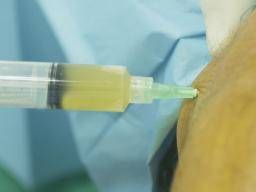
Platelet-rich plasma for the knee sounds like something cooked up in a futuristic sports lab: draw your blood, spin it in a machine, concentrate the “good stuff,” and inject it back into the achy joint. If your knee has been complaining every time you climb stairs, stand up from a chair, or attempt the dangerous athletic event known as “getting out of the car,” PRP knee injections can look very tempting.
So, does platelet-rich plasma for the knee work? The honest answer is: it may help some people, especially those with mild to moderate knee osteoarthritis, but it is not a guaranteed fix, not a cartilage-regrowing miracle, and not a replacement for smart knee care. Research is promising in places, disappointing in others, and very dependent on the patient, the type of PRP used, the injection protocol, and the definition of “works.” In knee pain medicine, “works” can mean less pain, better function, delaying surgery, or simply being able to take a walk without negotiating with your kneecap like it is a tiny union boss.
What Is Platelet-Rich Plasma?
Platelet-rich plasma, commonly called PRP, is made from a sample of your own blood. A clinician draws blood, places it in a centrifuge, and spins it to separate the blood into layers. The platelet-rich portion is collected and injected into the targeted area, such as the knee joint.
Platelets are best known for helping blood clot, but they also contain growth factors and signaling proteins involved in tissue repair and inflammation control. The theory behind PRP for knee pain is not that it magically creates a brand-new knee. If only. The idea is that concentrated platelets may help reduce inflammatory signals inside the joint, support the local healing environment, and improve pain and function.
PRP is used in sports medicine and orthopedics for several conditions, including tendon problems, ligament injuries, and osteoarthritis. For the knee, the most common use is knee osteoarthritis, a degenerative joint condition where cartilage wears down and the joint becomes painful, stiff, swollen, or less mobile.
How PRP Knee Injections Are Supposed to Help
Knee osteoarthritis is not just “old cartilage being dramatic.” It involves inflammation, cartilage breakdown, changes in the bone beneath the cartilage, irritated joint lining, and altered pain signaling. PRP aims to influence that messy biological neighborhood.
Possible Benefits of PRP for Knee Osteoarthritis
Studies suggest PRP may help some patients by:
- Reducing knee pain during daily activities
- Improving function, such as walking, stairs, and exercise tolerance
- Providing longer-lasting symptom relief than corticosteroid injections for some patients
- Offering a non-surgical option for people who are not ready for knee replacement
- Using the patient’s own blood, which lowers the risk of allergic reaction
However, PRP should be viewed as a symptom-management treatment, not a cure for knee osteoarthritis. It may calm the joint, but it does not reliably rebuild lost cartilage or reverse advanced “bone-on-bone” arthritis. A knee with severe structural damage is unlikely to transform into a fresh-out-of-the-box model because of PRP.
What Does the Research Say?
The research on PRP knee injections is mixed, which is a polite medical way of saying, “Everyone brought a different recipe to the potluck.” Some clinical trials and meta-analyses show that PRP can reduce pain and improve function in people with knee osteoarthritis, particularly mild to moderate cases. Other high-quality trials have found little or no meaningful advantage compared with placebo saline injections.
One reason the evidence is hard to interpret is that PRP is not one standardized product. Different clinics use different preparation systems. Some PRP contains more white blood cells; some contains fewer. Some preparations have higher platelet concentrations; others are more modest. Some patients receive one injection; others receive two or three. Some protocols use ultrasound guidance, while others rely on anatomical landmarks. That is a lot of variation for one three-letter treatment.
Orthopedic guidance has generally become cautiously open to PRP for selected knee osteoarthritis patients, especially when symptoms are mild to moderate. Rheumatology guidance has been more conservative, largely because of inconsistent study methods, lack of standardization, and uncertainty about long-term benefits. In other words, PRP is not medical snake oil, but it is not a slam dunk either.
Who Is Most Likely to Benefit from PRP for Knee Pain?
PRP appears most promising for people with mild to moderate knee osteoarthritis, especially those who still have some joint space and are trying to stay active. A person with early arthritis, recurring swelling, and activity-related pain may have a better chance of improvement than someone with severe deformity, advanced cartilage loss, and constant pain at rest.
Good Candidates May Include People Who:
- Have mild to moderate knee osteoarthritis confirmed by exam and imaging
- Want to delay or avoid surgery for now
- Have tried physical therapy, exercise modification, or medications without enough relief
- Cannot tolerate frequent anti-inflammatory medicines
- Understand that results vary and may take weeks to appear
PRP May Be Less Helpful for People Who:
- Have severe bone-on-bone knee arthritis
- Have major knee instability or severe deformity
- Expect immediate pain relief like a numbing injection
- Have untreated infection, certain blood disorders, or very low platelet counts
- Need a proven structural solution, such as knee replacement, for advanced disease
PRP is not a magic coupon that lets you skip strengthening, weight management, mobility work, or smart activity choices. The best outcomes usually happen when PRP is part of a complete knee plan, not the entire plan wearing a superhero cape.
How Long Does PRP Take to Work?
PRP usually does not work overnight. Some people notice improvement within a few weeks, but many report the most meaningful change after one to three months. This slower timeline makes sense because PRP is not mainly a numbing treatment. It is intended to influence the joint environment over time.
When PRP helps, symptom relief may last six to twelve months for some patients. Others experience less benefit, shorter benefit, or no noticeable improvement. Results depend on the severity of arthritis, the PRP formulation, injection accuracy, rehabilitation habits, and individual biology. Knees, much like houseplants, teenagers, and Wi-Fi routers, can be strangely unpredictable.
PRP vs. Cortisone vs. Hyaluronic Acid
People considering PRP for knee osteoarthritis often compare it with corticosteroid injections and hyaluronic acid injections.
Corticosteroid Injections
Corticosteroid injections can reduce inflammation quickly and may help during painful flares. The downside is that relief is often short-term, and repeated steroid injections may not be ideal for every patient. Cortisone can be useful when the knee is angry right now, but it may not provide durable relief.
Hyaluronic Acid Injections
Hyaluronic acid, sometimes called gel injection, is intended to improve lubrication inside the knee joint. Some patients report relief, while others notice little change. Guidelines on hyaluronic acid are mixed, and insurance coverage varies.
PRP Injections
PRP may take longer to kick in than cortisone, but some studies suggest it may provide longer-lasting symptom improvement for selected patients. Compared with hyaluronic acid, PRP has shown favorable results in some research, especially for mild to moderate knee osteoarthritis. Still, the lack of standardization makes broad claims difficult.
What Happens During a PRP Knee Injection?
A typical PRP appointment starts with a medical evaluation. The clinician reviews symptoms, medical history, imaging, medications, and previous treatments. If PRP is appropriate, blood is drawn from the arm and processed in a centrifuge. The prepared platelet-rich plasma is then injected into the knee joint, sometimes with ultrasound guidance to improve accuracy.
The injection itself is usually brief. Some people feel pressure, soreness, or temporary discomfort. After the procedure, the knee may feel achy or swollen for a few days. Many clinicians recommend avoiding strenuous activity for a short period and gradually returning to exercise. Some also advise avoiding nonsteroidal anti-inflammatory drugs around the time of PRP because these medications may interfere with platelet activity. That instruction should always come from the treating clinician, not from a random internet paragraph trying its best.
Are PRP Knee Injections Safe?
PRP is generally considered low-risk when performed by a qualified medical professional using sterile technique. Because PRP comes from your own blood, allergic reactions are uncommon. However, “low-risk” does not mean “zero-risk.” Possible side effects include temporary pain, swelling, stiffness, bruising, bleeding, or infection. Rare complications can happen with any injection into a joint.
Patients should be careful with clinics that promise guaranteed cartilage regrowth, permanent reversal of arthritis, or miracle results. A trustworthy provider should explain the evidence, discuss alternatives, review costs, and help set realistic expectations. The best medical sales pitch is not a sales pitch at allit is a balanced conversation.
How Much Does PRP for the Knee Cost?
In the United States, PRP knee injections are often paid out of pocket because many insurance plans consider them investigational or not medically necessary for osteoarthritis. Prices vary widely by location, clinic, preparation method, imaging guidance, and number of injections. A single injection may cost hundreds to over a thousand dollars, and some protocols involve a series of injections.
Before booking treatment, ask what is included in the price. Does it include the consultation? Ultrasound guidance? Follow-up visits? A rehabilitation plan? A second injection if the first one does nothing except make your wallet lighter? Clear pricing matters.
Does PRP Regrow Knee Cartilage?
This is the big question, and the answer is usually: not in any reliable, proven, dramatic way. PRP may improve pain and function, but current evidence does not support marketing it as a dependable cartilage-regrowth treatment for knee osteoarthritis.
That distinction is important. Feeling better is valuable. Walking more comfortably is valuable. Delaying surgery may be valuable. But those benefits are not the same as rebuilding the joint. If a clinic claims PRP will “restore cartilage” as if it were replacing a worn tire, proceed with caution and possibly a raised eyebrow.
What Should You Try Before PRP?
PRP should not be the first thing most people try for knee osteoarthritis. Foundational care still matters. Physical therapy, low-impact exercise, strength training, weight management when appropriate, good sleep, supportive footwear, bracing, and activity modification can make a major difference.
Strengthening the quadriceps, hips, glutes, and calves can reduce stress on the knee joint. Low-impact activities such as cycling, swimming, water aerobics, elliptical training, and walking on manageable surfaces can help maintain mobility without constantly poking the pain bear. Even modest weight loss can reduce knee load for people carrying extra weight.
PRP may be worth discussing when these basics are not enough, when surgery is not yet necessary, or when a patient wants to explore non-surgical options with realistic expectations.
Questions to Ask Before Getting PRP
Before choosing PRP for knee pain, ask the provider specific questions:
- What type of PRP do you use: leukocyte-rich or leukocyte-poor?
- How many injections do you recommend and why?
- Do you use ultrasound guidance?
- What results do patients with my level of arthritis usually see?
- What should I avoid before and after the injection?
- How much will the full treatment cost?
- What is the backup plan if PRP does not help?
A good clinician should welcome these questions. If the answer to every question is “Trust us, it works,” that is less medicine and more magic show.
Realistic Verdict: Does Platelet-Rich Plasma for the Knee Work?
Platelet-rich plasma for the knee can work for some people, mainly by reducing pain and improving function in mild to moderate knee osteoarthritis. It may be especially appealing for active adults trying to postpone more invasive treatments. However, results are not guaranteed, the evidence is mixed, and PRP is not a proven cure for arthritis or a reliable cartilage-regrowth therapy.
The most realistic way to view PRP is as a possible toolnot the whole toolbox. It may help the right patient, at the right stage of arthritis, with the right preparation, combined with the right rehabilitation plan. It is less useful when expectations are inflated, arthritis is advanced, or the knee needs a surgical solution.
Experience-Based Insights: What People Often Notice After PRP for Knee Pain
Real-world experiences with PRP knee injections tend to fall into a few recognizable patterns. The first group includes people who are pleasantly surprised. They usually have mild to moderate osteoarthritis, can still walk and exercise, and are not expecting a miracle. Their story often sounds like this: the knee felt sore for a few days after the injection, nothing dramatic happened for two or three weeks, and then stairs slowly became less annoying. They may not feel twenty-five again, but they can walk the dog, play casual pickleball, garden, or travel without planning every step like a military operation.
The second group reports partial improvement. These patients may say their knee is not perfect, but it is “quieter.” They still have stiffness in the morning or discomfort after long activity, yet daily life feels easier. For them, PRP may reduce the sharp edge of pain rather than erase it. This kind of outcome can still be meaningful. A 30% improvement may sound modest on paper, but if it means sleeping better, climbing stairs with less dread, or needing fewer pain relievers, that can feel like a small personal parade.
The third group feels disappointed. They paid out of pocket, followed the instructions, waited patiently, and the knee still acts like a rusty gate. This happens. PRP does not work for everyone, and severe arthritis is one common reason. If the joint has major cartilage loss, bone changes, alignment problems, or long-standing inflammation, PRP may not be powerful enough to change symptoms in a noticeable way. These patients often need a broader plan, which may include bracing, targeted physical therapy, medication review, weight management, other injections, or surgical consultation.
Another common experience is confusion about recovery. Some people expect immediate relief because they are used to cortisone injections. PRP often behaves differently. It may cause temporary soreness first, then gradual improvement later. That waiting period can test anyone’s patience, especially when the knee is the body part responsible for getting to the refrigerator. Clear instructions from the clinic make a big difference: what activities to avoid, when to resume exercise, whether to avoid anti-inflammatory medication, and when to call if swelling or pain seems unusual.
People who do best often treat PRP as a starting point for better knee management, not a permission slip to ignore the basics. They strengthen their legs, pace activity, choose joint-friendly exercise, wear sensible shoes, and keep follow-up appointments. PRP may open a window of reduced pain, but what a patient does during that window matters. If less pain allows better movement and better strengthening, the benefit can compound. If it leads to immediately overdoing squats, hills, or weekend-warrior heroics, the knee may file a formal complaint.
The takeaway from patient experiences is simple: PRP can be worthwhile, but only when expectations are realistic. The best outcome is not always “my knee is brand new.” Sometimes it is “my knee is manageable again.” For many people with knee osteoarthritis, that is a very respectable victory.
Conclusion
So, does platelet-rich plasma for the knee work? Sometimes, yesbut not for everyone and not in the miracle-cure way some ads suggest. PRP knee injections may reduce pain and improve function for selected people with mild to moderate knee osteoarthritis. The treatment is generally low-risk when performed properly, but it can be expensive, results vary, and it is not a proven method for rebuilding lost cartilage.
The smartest approach is to talk with a qualified orthopedic or sports medicine clinician, confirm the stage of your knee condition, review all options, and ask exactly what kind of PRP is being used. If PRP is paired with physical therapy, strength training, weight management when needed, and realistic goals, it may earn a useful place in the knee-care toolbox. Just do not expect it to turn a cranky knee into a brand-new luxury hinge overnight.
Note: This article is for general educational purposes and is based on current medical research, orthopedic guidance, rheumatology guidance, and patient-care information from reputable U.S. medical organizations. It should not replace diagnosis or treatment advice from a licensed healthcare professional.











