
Note: This article is for educational and editorial purposes only. Severe, sudden, worsening, or unusual pelvic pain should be discussed with a qualified healthcare professional.
Every so often, the internet collectively drops its coffee, pauses mid-scroll, and says, “Wait, we were right?” That is exactly what happened when a doctor’s comparison between severe period cramps and heart attack-level pain started making the rounds online. For many people who menstruate, the reaction was less shock and more “Welcome to the monthly meeting. We saved you a heating pad.”
The headline sounds dramatic: period cramps can be as painful as a heart attack. But behind the viral reactions, memes, screenshots, and “30 pics” style commentary is a serious conversation about dysmenorrhea, medical dismissal, women’s pain, workplace expectations, school absences, and the difference between common discomfort and pain that deserves medical attention.
Period cramps are often treated like a minor inconvenience, somewhere between a paper cut and a bad Wi-Fi connection. In reality, menstrual pain can range from mild pressure to debilitating pelvic cramps, nausea, diarrhea, back pain, fatigue, headaches, and the kind of pain that makes standing upright feel like a full-body negotiation. The internet reacted loudly because many people felt that a medical expert had finally said out loud what they had been trying to explain for years.
Why the “Heart Attack” Comparison Went Viral
The viral claim is commonly linked to medical commentary about dysmenorrhea, the clinical term for painful periods. The comparison does not mean that period cramps and heart attacks are the same medical event. They are not. A heart attack is a potentially life-threatening emergency involving reduced blood flow to the heart. Menstrual cramps are usually caused by uterine contractions during menstruation.
The point of the comparison is about pain intensity. Severe menstrual cramps can be powerful enough to interfere with school, work, sleep, exercise, parenting, social plans, and basic daily tasks. For people who have spent years being told to “just take a painkiller” or “stop being dramatic,” the comparison felt validating. It gave language to a pain that is often minimized because it is common.
And that is the tricky part: common does not always mean normal, and normal does not always mean harmless. A lot of people get period cramps. That does not mean every level of menstrual pain should be brushed aside like an annoying calendar notification.
What Actually Causes Period Cramps?
Period cramps usually happen because the uterus contracts to help shed its lining. These contractions are influenced by hormone-like substances called prostaglandins. Higher levels of prostaglandins are associated with stronger uterine contractions, inflammation, and more intense cramping. In plain English: the uterus is doing its job, but sometimes it does it with the enthusiasm of a tiny demolition crew.
Primary dysmenorrhea refers to menstrual pain that is not caused by another diagnosed pelvic condition. It often begins in adolescence or early adulthood and may occur shortly before or during the first few days of a period. The pain can be cramping, throbbing, sharp, dull, or wave-like. Some people also experience nausea, loose stools, dizziness, fatigue, or lower back pain.
Secondary dysmenorrhea is different. It is period pain linked to an underlying condition, such as endometriosis, adenomyosis, uterine fibroids, pelvic inflammatory disease, or other gynecologic issues. This kind of pain may worsen over time, last beyond the period itself, appear with heavy bleeding, or be paired with pain during bowel movements, urination, or other pelvic symptoms.
The Internet Reacts: From “Finally!” to “We Told You”
The online reaction was immediate because the statement landed in a familiar cultural gap: many people with periods have long felt that their pain is underestimated. Social media responses often fall into a few recognizable categories.
1. The Validation Crowd
These are the people who read the headline and instantly felt seen. Their reaction was basically, “Thank you, science, for arriving fashionably late.” For years, they may have missed classes, curled up under blankets, canceled plans, or powered through work while pretending their abdomen was not staging a rebellion.
2. The Skeptics
Some people questioned the comparison, arguing that heart attacks are medical emergencies and should not be used as a casual benchmark. That is a fair concern. The analogy should never make anyone underestimate chest pain, shortness of breath, or symptoms of a possible heart attack. The comparison is best understood as a way to communicate severity, not as a literal medical equivalence.
3. The “Now Tell My Boss” Group
Another wave of reactions focused on work and school. Many people shared stories about showing up to jobs, exams, meetings, or family responsibilities while experiencing intense cramps. Their point was simple: if pain this severe can be medically recognized, then policies around sick days, flexibility, and menstrual health should be more humane.
4. The Meme Historians
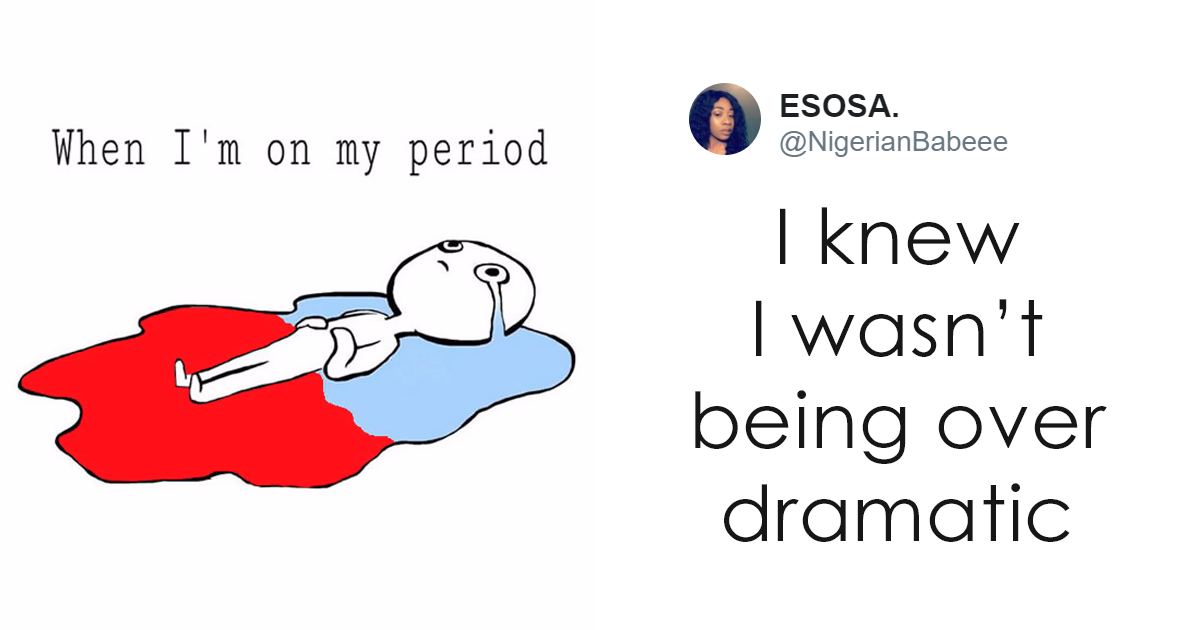
Because this is the internet, the conversation also became a meme parade. Heating pads were promoted to emotional-support status. Sweatpants were declared formalwear. Chocolate was nominated for public office. And somewhere, someone definitely made a joke about the uterus acting like it was trying to unsubscribe from the body.
Severe Period Pain Is Not Something to Ignore
Mild cramps can be a common part of menstruation. But pain that stops someone from attending school, working, sleeping, walking normally, eating, or functioning should not be dismissed. Severe menstrual pain can be a sign that the body needs evaluation, especially if the pain is new, worsening, one-sided, unusually intense, or accompanied by heavy bleeding, fever, fainting, vomiting, or unusual discharge.
Endometriosis is one of the most discussed conditions connected to severe period pain. It happens when tissue similar to the uterine lining grows outside the uterus, where it can cause inflammation, scarring, pelvic pain, painful periods, and fertility challenges. Adenomyosis, fibroids, ovarian cysts, and pelvic infections can also contribute to intense cramps or pelvic pain.
One major reason the viral discussion mattered is that many people normalize severe symptoms for years. They assume, “This is just what periods feel like,” especially if relatives or friends say the same thing. But if a period regularly turns life into a survival exercise, that is worth bringing to a clinician.
Period Cramps vs. Heart Attack Pain: The Important Nuance
The comparison between menstrual cramps and heart attack pain can be useful, but it needs careful context. Heart attack symptoms are not always dramatic. Some people experience crushing chest pain, but others have mild pressure, shortness of breath, nausea, sweating, jaw pain, back pain, arm discomfort, fatigue, or symptoms that feel like indigestion. Women, in particular, may have less classic symptoms.
So, while severe cramps may be described as heart attack-level pain, no one should use period pain as a measuring stick for whether chest symptoms are serious. If someone has possible heart attack symptoms, they should seek emergency medical help immediately. The internet can debate analogies later. The heart gets priority seating.
For menstrual pain, the lesson is different: pain should be believed, evaluated, and treated. The goal is not to rank suffering like an Olympic event. The goal is to stop treating menstrual pain as a punchline when, for many people, it is a recurring health issue with real consequences.
What Helps Period Cramps?
Relief depends on the person, the cause, and the severity. For primary dysmenorrhea, common evidence-based options include nonsteroidal anti-inflammatory drugs, often called NSAIDs, such as ibuprofen or naproxen when they are safe for the individual. These medicines work best for many people when taken early, because they help reduce prostaglandin activity. However, NSAIDs are not safe for everyone, including some people with stomach ulcers, kidney disease, certain bleeding conditions, or medication interactions.
Heat is another classic tool for a reason. A heating pad, warm bath, or heat patch can relax muscles and improve comfort. Light movement, stretching, walking, hydration, rest, and gentle yoga may help some people. Others find that reducing stress, getting enough sleep, limiting alcohol, and eating balanced meals around their cycle makes symptoms easier to manage.
Hormonal birth control may also reduce cramps for some people by controlling ovulation, thinning the uterine lining, or decreasing menstrual flow. Options can include pills, patches, rings, injections, implants, or hormonal IUDs. The right choice depends on age, health history, side effects, personal preference, and medical guidance.
If cramps are caused by endometriosis, fibroids, adenomyosis, or another condition, treatment may require a more specific plan. That could include medication, imaging, pelvic exams when appropriate, referral to a gynecologist, or in some cases, surgical treatment. The key is not to keep suffering in silence while pretending a heating pad is a personality trait.
When to Talk to a Doctor About Period Pain
It is a good idea to seek medical advice if menstrual cramps are severe enough to interrupt daily life, if over-the-counter relief does not help, if pain suddenly becomes worse, or if cramps begin later in life after years of easier periods. Other red flags include very heavy bleeding, bleeding between periods, pelvic pain outside menstruation, pain with bowel movements or urination during periods, dizziness, fainting, fever, or symptoms that feel unusual for your body.
For teenagers, it can be especially important to talk with a trusted adult and healthcare provider if cramps are causing missed school, sports, activities, or social life. Young people are sometimes told pain is “part of becoming a woman,” but that phrase has done more damage than a group project where nobody answers the chat. Pain deserves care, not character-building speeches.
Why Women’s Pain Is Often Dismissed
The viral reaction also revealed frustration with how women’s pain is sometimes handled in medical, social, and workplace settings. Menstrual symptoms may be minimized because periods are common, private, stigmatized, or poorly understood by people who do not experience them. Some patients report being told their symptoms are anxiety, stress, low pain tolerance, or “just hormones.”
This dismissal can delay diagnosis. A person with endometriosis, for example, may spend years trying to explain that their cramps are not ordinary cramps. They may hear, “Everyone gets periods,” when what they need is, “Let’s figure out why yours are so disabling.”
Better menstrual health education helps everyone. It teaches people with periods what symptoms are common, what symptoms need attention, and how to advocate for themselves. It also helps partners, parents, teachers, coaches, employers, and friends respond with more compassion and less awkward shrugging.
How to Talk About Period Pain Without Being Dismissed
When discussing cramps with a healthcare professional, details matter. Instead of simply saying, “My cramps are bad,” it can help to describe how pain affects daily life. For example: “I miss school two days every month,” “I vomit from the pain,” “I cannot stand upright,” “Pain medicine does not help,” or “The pain has become worse over the last year.”
Tracking symptoms can also be useful. A period diary or app can record pain level, bleeding heaviness, medication use, nausea, bowel symptoms, fatigue, and how many days symptoms last. This gives the appointment a clearer picture and makes it harder for serious patterns to be waved away.
Patients can also ask direct questions: “Could this be endometriosis?” “What are my treatment options?” “At what point should we do imaging?” “When should I see a gynecologist?” “What should I do if the pain gets worse?” These questions move the conversation from vague discomfort to a plan.
Experiences Related to the Viral Period Cramps Debate
What made the “period cramps are as painful as a heart attack” discussion spread so fast was not just the medical comparison. It was the flood of lived experience behind it. Many people recognized themselves in the reactions: the person sitting in class with a sweater tied around their waist, trying not to look like they are fighting a private dragon; the employee smiling through a meeting while silently calculating how long it will take to get home; the friend who cancels dinner again and feels guilty even though their body has clearly declared a state of emergency.
One common experience is the “invisible pain performance.” Period cramps do not always look dramatic from the outside. Someone may be answering emails, taking notes, or laughing at a joke while dealing with waves of pelvic pain. Because they are functioning, people assume they are fine. But functioning is not the same as feeling well. Sometimes it simply means the person has learned how to mask pain because life does not pause every 28 days.
Another familiar experience is the trial-and-error relief routine. One person swears by a heating pad. Another needs medication before the cramps fully start. Someone else relies on loose clothing, peppermint tea, light stretching, silence, and the emotional support of a blanket that has seen things. These routines may sound funny, but they reveal something important: people with painful periods often become experts in managing symptoms because they have to be.
There is also the experience of not being believed. Many people remember being told they were exaggerating, especially when they were younger. A teen with severe cramps might be told to tough it out. A college student might be accused of skipping class. An adult might feel embarrassed asking for flexibility at work. Over time, that disbelief can make people doubt their own bodies. They may wait longer to seek help, even when symptoms are clearly affecting their quality of life.
The internet reaction helped challenge that silence. Humor became a way to tell the truth without turning every post into a medical essay. Memes about heating pads, chocolate, fetal positions, and “uterus eviction notices” made people laugh, but they also created recognition. When thousands of strangers say, “Yes, me too,” the experience becomes harder to dismiss.
At the same time, the best takeaway is not that everyone should compare cramps to a heart attack forever. The better takeaway is that pain deserves language, care, and respect. Severe period cramps are not a personality flaw. They are not laziness. They are not a monthly drama subscription. They are a health experience that can be managed better when people are believed and given real options.
So yes, the internet reacted with jokes, disbelief, sarcasm, and a mountain of relatable screenshots. But underneath the humor was a serious message: people have been asking for menstrual pain to be taken seriously for a long time. If a viral headline helps someone book an appointment, ask better questions, support a friend, or stop apologizing for being in pain, then the conversation did more than trend. It helped change the room.
Conclusion: Believe the Pain, Then Treat the Pain
The viral statement that period cramps can be as painful as a heart attack struck a nerve because it validated what many people already knew from experience. Severe menstrual cramps can be intense, disruptive, and medically important. While the heart attack comparison needs nuance, the broader message is clear: period pain should not be automatically dismissed just because periods are common.
Menstrual cramps may be caused by normal uterine contractions, but severe or worsening pain can point to conditions that need attention. Relief is possible, and treatment options exist. The first step is taking the pain seriously enough to talk about it clearly, track it carefully, and seek medical support when it interferes with life.
The internet may have reacted with memes, jokes, and “we told you” energy, but the conversation is bigger than viral pictures. It is about respect, healthcare, education, and the simple idea that nobody should have to prove their pain is real before they are allowed to get help.











