
If you have ever looked at a plain stack of cotton rounds and thought, “Well, you seem wildly unqualified to become a rose,” this craft is here to prove you wrong. A cotton flower craft is one of those rare DIY projects that checks nearly every box: it is affordable, beginner-friendly, giftable, surprisingly pretty, and fast enough to finish before your coffee gets cold. Better yet, when you add a light floral scent, it becomes a fragrant DIY rose that looks charming on a vanity, tucked into a gift basket, or grouped in a tiny vase like a miniature bouquet with excellent manners.
This project takes inspiration from classic faux-flower techniques but simplifies them for real life. No intimidating templates, no advanced art-school drama, and no supply list that reads like a scavenger hunt through twelve craft stores. The beauty of a DIY cotton rose is that the material already has a soft, petal-like texture. Cotton is lightweight, flexible, and naturally absorbent, which means it also holds fragrance well when used carefully. In other words, your main supply is already doing half the work. We love a craft that understands teamwork.
In this guide, you will learn how to make a quick easy cotton flower craft, how to shape it so it resembles a rose instead of a haunted napkin, how to add fragrance without overwhelming the room, and how to style the finished bloom for gifts or home decor. Whether you are making one rose or a whole bouquet, this tutorial keeps things practical, polished, and fun.
Why This Cotton Flower Craft Works So Well
A good DIY project should feel satisfying, not suspicious. The reason this cotton flower craft works is simple: cotton rounds are already soft, layered, and easy to shape into petals. When pinched, curled, and wrapped around a stem, they mimic the gentle folds you see in rose petals. They are also inexpensive, widely available, and easy to trim if you want a more realistic petal shape.
Another reason this easy flower craft stands out is versatility. You can keep the rose crisp white for a clean, romantic look, tint the petal edges with diluted watercolor or food coloring for a blush effect, or make a whole basket of them in soft pink, cream, and peach. Add a tiny amount of rose, lavender, or peppermint fragrance to the center, and suddenly your craft project feels less like “random Wednesday activity” and more like “boutique handmade decor with opinions.”
This is also a great low-mess DIY for beginners. You are not cutting dozens of complicated petal templates, sewing tiny pieces together, or waiting overnight for mysterious glue chemistry to bless your creativity. It is mostly shaping, wrapping, securing, and fluffing. That makes it ideal for home crafters, handmade gift lovers, and anyone who wants pretty results without committing an entire weekend to a craft table.
What You Need for a Fragrant DIY Rose
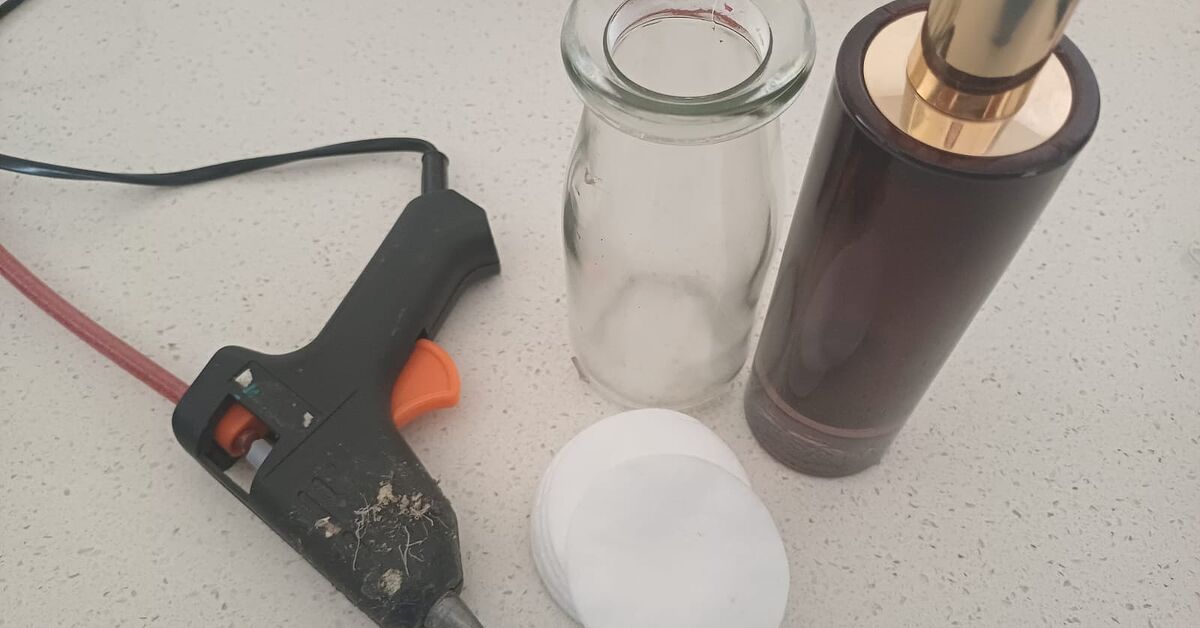
- 8 to 12 cotton rounds or soft cotton pads for one full rose
- 1 wooden skewer, floral wire stem, or pipe cleaner
- Floral tape or green craft tape
- Hot glue gun or tacky craft glue
- Scissors
- Optional: green paper or fabric for leaves
- Optional: watercolor, diluted acrylic, or food coloring for petal tinting
- Optional: 1 to 2 drops of rose, lavender, or other gentle fragrance oil on an inner cotton piece
- Optional: ribbon, mini vase, gift tag, or decorative wrap
If you want the craft to stay truly quick and easy, stick with plain white cotton rounds, a skewer, floral tape, and glue. Everything else is a bonus, not a requirement. This is a “make it cute with what you already have” kind of project, which is honestly the best kind.
How to Make a Cotton Rose Step by Step
1. Build the center bud
Take one cotton round and roll it tightly from one side to the other. This creates the rosebud center. If you want your fragrant DIY rose to carry scent, use a separate tiny bit of cotton inside the bud and add only a very small amount of fragrance there. You are aiming for “soft floral whisper,” not “department store perfume counter at full volume.” Secure the base of the bud with a tiny dab of glue and attach it to the top of your skewer or floral wire.
2. Shape the first petals
Take two or three more cotton rounds and gently pinch one edge of each to create a petal base. Wrap them one at a time around the center bud, overlapping slightly as you go. Keep the top edges looser and the base tighter. This contrast is what gives the rose its shape. Secure each petal near the bottom with a small dot of glue.
3. Add outer petals for fullness
As the flower grows, let the petals flare outward a little more. You can leave the cotton rounds whole for a soft, fluffy rose, or trim a subtle petal curve along the top for a more realistic bloom. Continue layering until the rose looks balanced and full. Usually, 8 to 12 cotton rounds are enough for a medium-size flower.
4. Wrap the stem
Once the bloom is secure, wrap the base and the stem with floral tape. Stretch the tape slightly as you wrap so it clings smoothly. This gives the rose a cleaner finish and hides the glued base. If you are using a wooden skewer, floral tape also helps it look less like kitchen equipment and more like intentional decor.
5. Add leaves if you want extra realism
Cut simple leaf shapes from green paper, felt, or lightweight fabric. Attach them beneath the bloom or along the stem. Keep the leaves small and understated. Roses are dramatic enough already; the leaves do not need their own agent.
6. Fluff and style
Gently pull the outer petals open with your fingertips. Rotate the flower as you work so it stays symmetrical. If any petal looks awkward, trim it slightly or tuck it into place with a dot of glue. Once finished, place the rose in a bud vase, tie it to a wrapped gift, or combine several stems into a small bouquet.
How to Make Your Cotton Rose Look Better Instantly
Want your cotton flower craft to look less “cute attempt” and more “I absolutely meant to make that stunning”? Focus on texture, shape, and restraint.
First, do not over-glue. Too much adhesive makes petals stiff, shiny, and slightly tragic. Use the smallest amount needed at the petal base only. Second, vary the petal tension. Inner petals should be tighter; outer petals should open more. That natural progression is what makes a rose look like a rose. Third, avoid making every edge perfectly neat. Real petals are soft and irregular, and a little asymmetry adds realism.
You can also tint the edges with a very diluted wash of pink or peach. Let the petals dry before assembling them. The color should look airy and subtle, not like the rose lost a fight with a marker. For a vintage look, use ivory cotton and soft tea-toned shading. For a gift-worthy romantic rose, blush pink edges are usually a winner.
Best Ways to Add Fragrance Without Overdoing It
The fragrant part of this DIY rose is lovely when done lightly. The easiest method is to place one lightly scented cotton piece inside the center bud. That way, the scent stays tucked into the flower instead of coating every petal. Start with one drop, then pause. If you still want more fragrance, add one extra drop. More than that can make the cotton feel damp and can create an overpowering smell.
Rose fragrance oil is the obvious choice, but lavender creates a calming effect, peppermint feels fresh, and vanilla gives the flower a cozy, soft scent. You can also pair rose with a tiny bit of lavender for a classic floral blend. Whatever you choose, keep it gentle.
If the rose is being used as decor in a bedroom, bathroom, or closet, fragrance can be a charming extra. If it is being gifted, lighter is smarter. Scent is personal. One person’s “soft floral dream” is another person’s “why does this hallway smell like a Victorian perfume duel?”
Safety Notes for a Cotton Flower Craft
A quick easy craft should still be a smart craft. If you are using a hot glue gun, work slowly and keep fingers away from fresh glue. If you do get a minor burn, cool the area under cool running water. Do not keep crafting through pain like you are auditioning for a reality show called America’s Next Top DIY Casualty.
If you use essential oils or fragrance oils, keep them away from children and pets, avoid getting them on skin, and never soak the cotton. A tiny amount is enough. Concentrated oils can irritate skin and may be risky if swallowed or handled improperly. If you have pets, especially cats or dogs, place scented crafts where they cannot chew, lick, or sleep on them like tiny furry art critics.
Also, keep scented cotton roses away from open flames, candles, or heat sources. This is decor, not aromatherapy popcorn.
Creative Ways to Use a DIY Cotton Rose
- Attach one to a wrapped present instead of a gift bow
- Make three to five stems for a mini desk bouquet
- Add one to a handmade wreath
- Use them as bridal shower or baby shower table accents
- Tuck them into a drawer sachet basket
- Glue one onto a card front or shadow box design
- Create a seasonal centerpiece with cotton roses and greenery
Because this cotton flower craft is light, it works well in places where fresh flowers are not practical. It also lasts longer than a real rose, which means it will not wilt dramatically two days after you fall in love with it. Very considerate.
Common Mistakes to Avoid
Using too much glue
This is the fastest way to flatten the petals and lose that soft rose look.
Making every petal the same
Uniform petals can make the flower look stiff. Let some curl more than others.
Adding too much fragrance
More scent does not equal more elegance. It usually equals “open a window.”
Skipping the stem wrap
Even a beautiful bloom looks unfinished if the base is messy. Floral tape makes a big difference.
Rushing the shaping
This project is quick, but the magic still happens in the final fluffing and adjusting. Take an extra two minutes. Your rose will thank you silently, as roses tend to do.
Real-Life Experiences With This Cotton Flower Craft
One of the best things about making a cotton flower craft is how quickly it turns from “I’m just trying this for fun” into “Wait, why is this actually adorable?” The first time you make one, there is usually a brief learning curve. Your opening bud may look slightly confused. One petal may jut out with the confidence of a Broadway performer. And at least once, you may stare at the flower and think, “Are you a rose or a tiny dumpling?” Stay with it. The second and third petals are where everything starts coming together.
In real life, this craft is especially enjoyable because it feels gentle. There is no loud machine, no giant mess, and no mountain of wasted supplies. You sit down with cotton rounds, a glue gun, a stem, and maybe a cup of tea, and suddenly the whole project feels oddly relaxing. The texture of the cotton makes the flower naturally soft and forgiving, which is wonderful for beginners. Even when the petals are not perfect, they still look charming, because roses in nature are not laser-cut either.
Another experience many crafters notice is how surprisingly customizable the rose becomes. One person might create a clean white flower for a minimalist bedroom shelf. Another might tint the petals pink and tuck the finished bloom into a Mother’s Day gift basket. Someone else might add a light lavender scent and place a few roses in a guest bathroom for a soft decorative touch. The core method stays easy, but the final result changes depending on your style. That makes it feel creative instead of repetitive.
This project also has a strong “I can make more of these” effect. After one finished rose, you start seeing possibilities everywhere. A bouquet for a desk. A basket of stems for a party table. A single bloom attached to a handwritten card. A pretty topper for a candle gift. Before long, what began as one quick easy DIY rose becomes a small production line on your kitchen table, and honestly, there are worse hobbies.
There is also something satisfying about the fragrant part of the project. A lightly scented cotton rose feels thoughtful in a way that is hard to fake. It is not just pretty; it creates a tiny sensory experience. When someone picks it up and notices a soft rose or lavender scent, the craft feels more personal and polished. That said, most people learn quickly that subtle fragrance is the secret. The best reaction is, “Oh, that smells lovely,” not “Wow, this flower has entered the room before I did.”
For gifts, this craft performs especially well because it looks handmade in the best sense. Not messy. Not childish. Handmade as in warm, intentional, and a little bit charmingly unique. If you make several roses, no two will be exactly alike, which is part of the appeal. A slightly looser bloom may look romantic. A tighter bud may feel elegant. A tinted edge may make one flower look more realistic than the others. Those tiny differences give the bouquet character.
Perhaps the nicest real-world experience with this project is that it feels manageable. You do not need expert skills, fancy tools, or an entire free weekend. You can make one rose in a short sitting and still feel like you accomplished something creative. In a world full of overcomplicated DIY promises, that is refreshingly rare. This is a craft that delivers on its pitch: quick, easy, fragrant, and surprisingly lovely.
Conclusion
A cotton flower craft may sound humble at first, but that is part of its charm. It transforms a simple everyday material into something soft, decorative, and giftable with very little effort. This quick easy fragrant DIY rose is perfect for beginners, fun for experienced crafters, and versatile enough for home decor, party accents, handmade gifts, and little creative moments that make a room feel more personal.
The secret is not perfection. It is thoughtful shaping, light fragrance, and a little patience with the petals. Keep the center tight, let the outer petals open naturally, use scent sparingly, and finish the stem neatly. That is really it. No complicated magic trick. Just a smart, pretty craft with a lovely payoff.
If you are looking for an easy rose craft that feels special without becoming stressful, this DIY cotton rose deserves a spot on your list. It is budget-friendly, beginner-approved, and charming enough to make people ask where you bought it. You, of course, will get to say, “I made it,” which is one of the great pleasures in life.











