
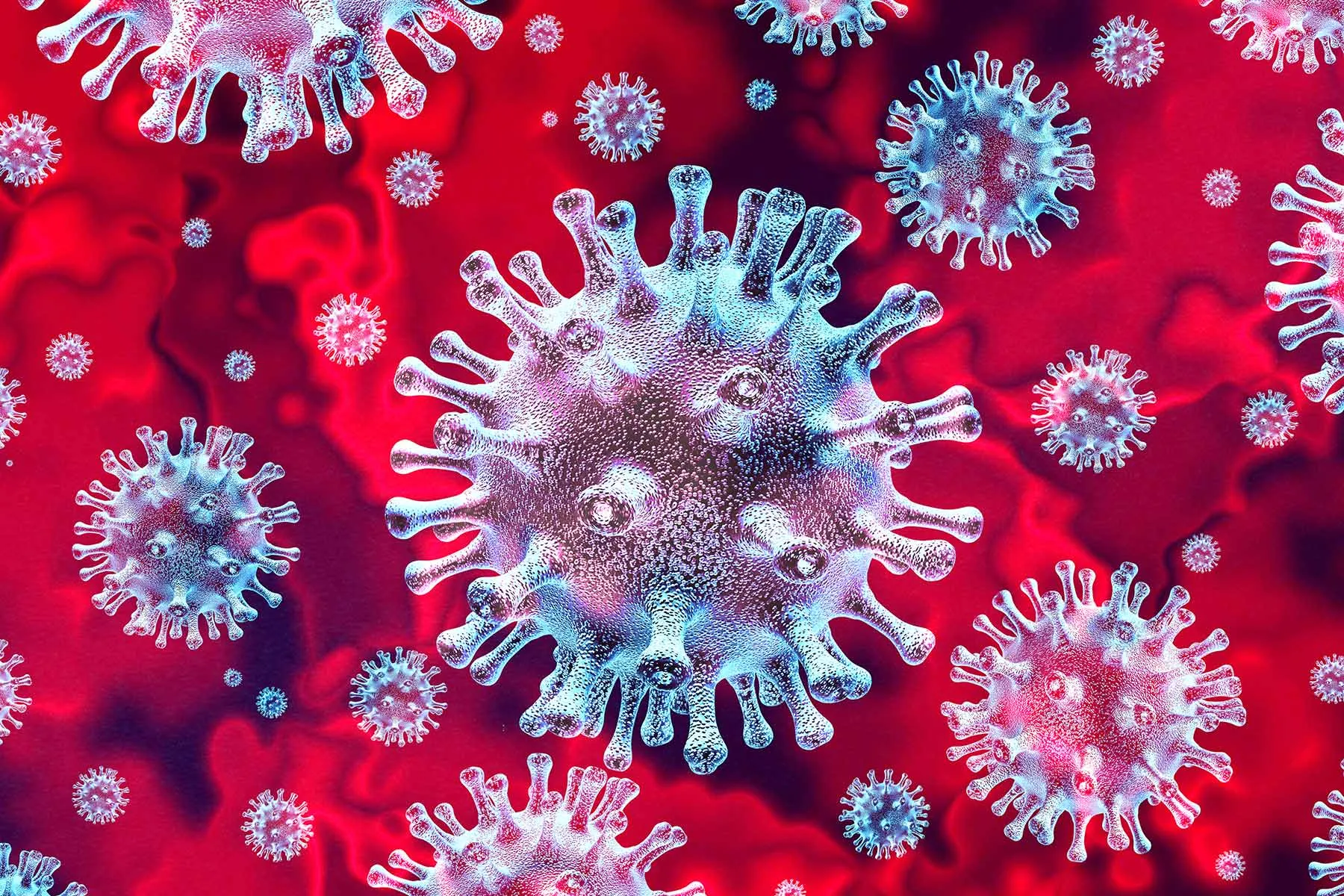
COVID-19 no longer dominates every conversation, calendar, and grocery-store aisle, but the virus has not packed its tiny suitcase and left. SARS-CoV-2 continues to circulate, people can be infected more than once, and the illness still ranges from barely noticeable to medically serious. The practical goal today is not panic. It is knowing what symptoms to watch for, who faces higher risks, when to test, how to reduce transmission, and why early treatment can matter.
What Are Coronavirus, SARS-CoV-2, and COVID-19?
Coronavirus is the name of a broad family of viruses. Some cause mild respiratory illnesses, while others have caused more serious diseases. SARS-CoV-2 is the specific coronavirus responsible for COVID-19, the disease first identified in 2019.
The virus mainly affects the respiratory system, but COVID-19 is not limited to the nose and lungs. In more serious cases, inflammation, abnormal immune responses, and blood-vessel effects can involve the heart, brain, kidneys, digestive system, and other organs. Most people develop mild or moderate illness and recover at home. A smaller group develops severe disease, and some continue to experience symptoms long after the initial infection.
How COVID-19 Spreads
COVID-19 spreads mainly through respiratory particles released when an infected person breathes, talks, sings, coughs, or sneezes. The risk generally rises with close contact, crowded indoor spaces, poor ventilation, and longer exposure. A person can spread the virus even if symptoms are mild, have not started yet, or never appear.
Surface transmission is possible but is not considered the main route. In ordinary life, the bigger priorities are cleaner indoor air, staying away from others when sick, appropriate masking in higher-risk situations, vaccination, and timely testingnot disinfecting a cereal box as though it has confessed to a crime.
Common COVID-19 Symptoms
COVID-19 symptoms vary by person, immune history, vaccination status, and the variant circulating at the time. The illness may resemble a cold, influenza, allergies, or another respiratory infection. That overlap is why symptoms alone cannot reliably confirm which virus is responsible.
- Fever or chills
- Cough
- Sore throat
- Runny or stuffy nose
- Shortness of breath or difficulty breathing
- Fatigue
- Muscle or body aches
- Headache
- New loss or change in taste or smell
- Nausea or vomiting
- Diarrhea
Some people have only one or two symptoms. Others feel as though their body opened twelve browser tabs at once: sore throat, headache, fatigue, fever, and stomach trouble all competing for attention. Symptoms may begin mildly and then worsen, so it is sensible to monitor breathing, hydration, alertness, and overall condition.
Emergency Warning Signs
Seek emergency medical care for trouble breathing, persistent chest pain or pressure, new confusion, inability to wake or stay awake, or pale, gray, or blue-colored lips, skin, or nail beds depending on skin tone. Severe dehydration, fainting, a rapidly worsening condition, or any symptom that feels alarming also deserves urgent evaluation. Do not rely on an article, a social-media thread, or a pulse oximeter reading alone when someone appears seriously ill.
Who Is at Higher Risk for Severe COVID-19?
Anyone can become seriously ill, but risk is not evenly distributed. It generally increases with age and is especially important for older adults. Risk also rises when a person has multiple medical conditions, weakened immune defenses, or limited protection from vaccination or previous infection.
Conditions associated with higher risk can include chronic lung disease, heart disease, diabetes, chronic kidney disease, obesity, cancer, certain neurologic conditions, and immune suppression caused by illness or medication. Pregnancy can also increase the risk of severe disease. Residents of long-term care facilities and people who need assistance with daily activities may face added vulnerability because of health status, exposure patterns, or both.
Risk is a continuum, not a yes-or-no label. A healthy 30-year-old and a 78-year-old with heart and lung disease should not use the same mental checklist. If you are uncertain whether you qualify for antiviral treatment, ask a healthcare professional or pharmacist quickly. The treatment window is measured in days, not in “whenever I finally get around to it.”
COVID-19 Testing: When and How to Test
Testing can help explain symptoms, guide treatment decisions, and reduce the chance of unknowingly exposing other people. Two main types are used to detect a current infection:
- Antigen tests: These include many rapid at-home tests. They are convenient and can produce results quickly, but they may miss an infection, especially early in the illness.
- NAAT or molecular tests: These include PCR tests. They are generally more sensitive and are often performed in laboratories, clinics, or pharmacies.
A negative rapid antigen result is not always the final answer. Current U.S. guidance recommends repeat antigen testing 48 hours apart: two negative tests for a person with symptoms and three negative tests for a person without symptoms. A molecular test can also be used to clarify a negative antigen result.
People at higher risk should not wait through several days of uncertainty before contacting a clinician. Testing may support the diagnosis, but current treatment decisions can sometimes be made based on symptoms and clinical risk when delaying would cause the treatment window to close.
How to Prevent COVID-19
No single prevention step is perfect. The strongest approach is layered: combine several reasonable protections based on the setting and the health risks of the people involved.
Stay Up to Date With Vaccination
COVID-19 vaccines are designed primarily to reduce severe illness, hospitalization, and death. Protection against infection can weaken over time, and the virus continues to change. U.S. recommendations are updated by season and may vary by age, vaccination history, immune status, and individual risk. Check the current CDC schedule or discuss it with a healthcare professional rather than relying on an old screenshot that has been circulating since everyone was baking sourdough.
Vaccination is particularly important to discuss for older adults, people with chronic conditions, pregnant patients, and people with weakened immune systems. Having had COVID-19 does not guarantee lasting protection against another infection.
Improve Indoor Air
Open windows when practical, use exhaust fans, maintain heating and cooling systems, and consider portable HEPA filtration in shared indoor spaces. Outdoor gatherings usually offer better airflow than crowded indoor rooms. Cleaner air helps reduce exposure not only to COVID-19 but also to other respiratory viruses.
Use a Well-Fitting Mask When It Adds Value
A well-fitting mask can reduce the amount of virus released by an infected person and lower the wearer’s exposure. Higher-filtration respirators such as N95 or KN95 models generally offer more protection than loose-fitting masks when they fit correctly and are worn consistently.
Masking can be especially useful when you are recovering from illness, caring for someone who is sick, traveling in crowded spaces, or visiting a person at high risk for severe disease.
Practice Everyday Hygiene
Wash hands with soap and water, use hand sanitizer when needed, cover coughs and sneezes, and clean frequently touched surfaces when someone in the household is ill. These steps are supporting actors, not the entire movie, but supporting actors still matter.
What to Do If You Test Positive or Feel Sick
Stay home and away from other people while you have respiratory symptoms that are not better explained by another cause. You can generally resume normal activities when your symptoms have been improving overall and you have been fever-free for at least 24 hours without fever-reducing medication.
For the next five days, use added precautions such as cleaner air, masking, distancing, hygiene, and testing when you will be around others. Take particular care around older adults, immunocompromised people, and anyone with conditions that increase the risk of severe illness.
If fever returns or you begin feeling worse after resuming activities, stay home again. People working in healthcare or living in congregate settings may have separate rules, so follow workplace, facility, and public-health guidance.
COVID-19 Treatment Options
Home Care for Mild Illness
Many people recover with rest, fluids, nutritious food as tolerated, and appropriate over-the-counter medicines for fever, aches, congestion, or cough. Follow package directions and ask a clinician or pharmacist about safety if you take prescription medicines, have kidney or liver disease, are pregnant, or are treating a child.
Monitor symptoms rather than assuming day one predicts the entire illness. Contact a healthcare professional if breathing becomes more difficult, fever persists, hydration is poor, symptoms worsen, or you belong to a high-risk group.
Antiviral Treatment for Higher-Risk Patients
Antiviral medicines can lower the risk of severe outcomes for eligible people with mild to moderate COVID-19. They work best when started early:
- Nirmatrelvir with ritonavir (Paxlovid): An oral treatment that must begin within five days of symptom onset. It can interact with many medicines, so a clinician or pharmacist must review the patient’s medication list.
- Remdesivir (Veklury): An intravenous antiviral started within seven days of symptom onset, commonly given on three consecutive days in an outpatient facility.
- Molnupiravir (Lagevrio): An oral option for certain adults when preferred treatments are not accessible or clinically appropriate. It must begin within five days and has important restrictions, including reproductive considerations.
Do not stop prescription drugs or “make room” for an antiviral without professional guidance. Drug-interaction management may involve temporary adjustments, substitutions, or careful monitoring.
Hospital Treatment
Hospital care depends on disease severity and may include oxygen, antiviral therapy, corticosteroids or other medicines that reduce harmful inflammation, blood-clot prevention, respiratory support, and treatment of complications. Antibiotics do not treat SARS-CoV-2 itself, though they may be used if a bacterial infection is also present.
Avoid Unproven COVID-19 Remedies
Products marketed as instant cures, immune “detoxes,” or secret treatments should trigger skepticism. Some unapproved products can cause serious harm or interact with legitimate medicines. Use treatments recommended by qualified clinicians and authorized or approved by U.S. regulators. The supplement aisle may have excellent lighting, but it does not confer medical credentials.
Long COVID: When Symptoms Do Not Go Away
Long COVID refers to a chronic condition that can occur after SARS-CoV-2 infection and persist for months or longer. It may follow severe, mild, or even unrecognized infection. Symptoms differ widely and can affect multiple body systems.
- Severe or persistent fatigue
- Shortness of breath
- Difficulty concentrating or “brain fog”
- Headaches
- Sleep problems
- Fast heartbeat or palpitations
- Changes in smell or taste
- Muscle or joint pain
- Symptoms that worsen after physical or mental exertion
There is no single test that confirms every case and no universal cure. Evaluation may involve reviewing the original illness, ruling out other causes, and treating specific symptoms. Care can include medication, pulmonary rehabilitation, physical or occupational therapy, sleep support, cognitive rehabilitation, and mental-health care.
Exercise plans should be individualized because some people experience post-exertional symptom worsening and may not tolerate a standard “push through it” program. Preventing infection and severe disease can reduce the overall risk of long-term complications.
COVID-19 in Children, Pregnancy, and Immunocompromised People
Children and Teens
Most children have mild or moderate illness, but severe cases do occur. Children with obesity, diabetes, chronic lung or heart disease, neurologic conditions, medical complexity, or weakened immunity may have higher risk. Long COVID can affect children and teens, including those whose initial illness was mild.
Parents should call a pediatrician for breathing difficulty, dehydration, unusual sleepiness, persistent fever, or symptoms that are worsening.
Pregnancy
Pregnancy can increase the risk of severe COVID-19. Pregnant patients with symptoms or a positive test should contact their obstetric or primary care team promptly to discuss monitoring and treatment. Do not assume that every medication is unsafe in pregnancy; delaying effective care can also carry risk.
Weakened Immune Systems
People who are immunocompromised may have a weaker vaccine response, prolonged infection, or greater risk of complications. Their vaccination schedules, preventive options, testing plans, and treatment strategies may differ. Personalized advice from a specialist is more useful than borrowing a healthy friend’s plan.
Real-Life COVID-19 Experiences: Practical Lessons From Common Scenarios
The following composite examples reflect common experiences reported by patients, families, and clinicians. They are not accounts of one identifiable person, and they are not substitutes for medical care.
Experience 1: “It Felt Like AllergiesUntil It Didn’t”
A working parent wakes up with a scratchy throat and mild congestion. The first rapid test is negative, so the temptation is to declare victory, attend meetings, and blame the pollen. Instead, the parent works from home, improves ventilation, wears a mask around family members, and repeats the antigen test 48 hours later. The second test is positive.
The practical lesson is that one negative rapid test early in an illness can miss COVID-19. Acting cautiously during uncertainty protects coworkers and relatives, particularly anyone older or immunocompromised. It also buys time to contact a clinician if the sick person has risk factors. A negative test is useful information; it is not a magical force field.
Experience 2: The Treatment Window Moves Faster Than Expected
An older adult with diabetes and heart disease develops fatigue, fever, and cough on a Friday evening. The symptoms are not dramatic, so the family considers waiting until Monday. Instead, they call an after-hours service and provide a full medication list. The clinician determines that early antiviral treatment is appropriate, reviews potential interactions, and starts treatment within the recommended window.
This scenario highlights why high-risk patients should act early even when symptoms are mild. Antivirals are intended to prevent progression; waiting until someone is visibly struggling to breathe defeats much of the purpose. Keeping an updated list of prescriptions, over-the-counter medicines, and supplements can make the conversation faster and safer.
Experience 3: Recovery Is Not Always a Straight Line
A healthy adult has a moderate infection, rests for a week, and then tries to return immediately to full workouts, overtime work, and normal social plans. Fatigue and headaches surge after activity. The person initially treats the problem as a motivation failurean unhelpful diagnosis invented by the inner criticbut eventually seeks medical evaluation.
The clinician checks for other causes and discusses pacing, sleep, hydration, symptom tracking, and a gradual return to activity. The patient learns that recovery can fluctuate. Feeling better one morning does not always mean the body is ready for a personal-record attempt by afternoon.
Experience 4: Household Prevention Works Best as a Team Sport
When one household member tests positive, the family does not rely on a single strategy. The sick person rests in a separate room when possible, shared spaces are ventilated, close contact is limited, masks are used during necessary interactions, and high-touch items are cleaned normally. Family members test based on symptoms and exposure, and the person at greatest medical risk contacts a clinician.
The experience is not perfectly tidy. Someone forgets a mask, a child needs comfort, and the bathroom schedule becomes an improvised logistics exercise. Still, layered precautions can reduce exposure. Success does not require turning the home into a laboratory; it requires consistent, practical choices.
Experience 5: The Emotional Side Deserves Attention
COVID-19 can bring anxiety, frustration, guilt about exposing others, or fear that every lingering cough signals permanent damage. Isolation can also feel lonely. Clear information helps: write down symptom onset, test results, temperature, medications, and questions for the clinician. Ask friends or family for practical help with meals, child care, pharmacy pickup, or check-ins.
For people coping with long COVID, validation matters. Symptoms that are invisible are still real. A useful support system listens, avoids miracle-cure pressure, and helps the person navigate appointments, workplace accommodations, and a realistic pace of recovery.
Five Takeaways From These Experiences
- Do not use one early negative rapid test to dismiss compatible symptoms.
- High-risk patients should ask about treatment immediately.
- Keep a current medication list ready.
- Use multiple prevention layers instead of expecting perfection from one.
- Respect a gradual recovery and seek care for persistent or worsening symptoms.
Conclusion
COVID-19 has become a more familiar part of respiratory-virus season, but familiar does not mean harmless. The best response is informed and proportional: recognize symptoms, understand personal risk, test correctly, improve indoor air, use masks when they provide meaningful protection, stay current with vaccination guidance, and seek early treatment when eligible.
Most infections improve with home care, yet emergency warning signs require immediate attention, and persistent symptoms deserve a proper medical evaluation. The virus may keep changing, but the core strategy remains reassuringly practical: reduce exposure, protect vulnerable people, act early, and choose evidence over internet theater.











