
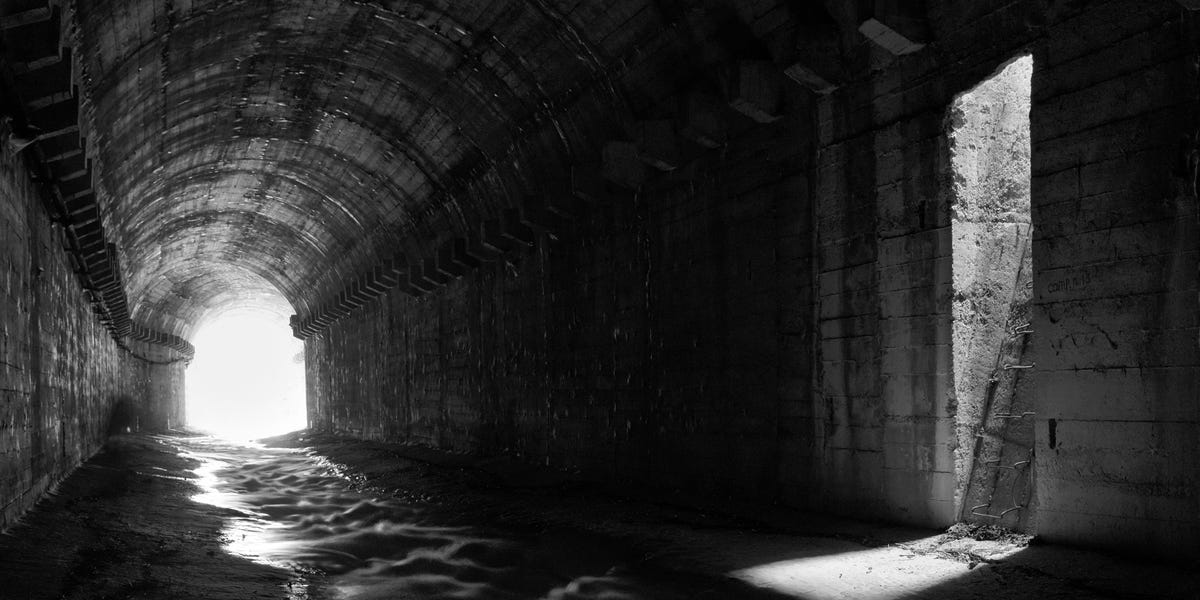
For centuries, Cusco has been the kind of city where stone walls seem to know more than they are telling. Tour guides point to perfectly fitted Inca blocks. Travelers stare at Sacsayhuamán and wonder how anyone moved those enormous stones without modern machinery. Locals pass down stories about secret tunnels running beneath the old imperial capital. And skeptics, quite reasonably, raise an eyebrow and say, “Sure, and next you’ll tell me the alpacas built a subway.”
But this time, the rumor did not simply vanish into tourist folklore. Archaeologists studying Cusco, Peru, have identified what appears to be an underground Inca tunnel system known as a chincana, a Quechua word often associated with a labyrinth or a place where one can get lost. The most important proposed route links Coricancha, the famous Temple of the Sun, with Sacsayhuamán, the monumental fortress and ceremonial complex above the city. In simple terms: the old story about an underground Inca labyrinth beneath Cusco may have had a very real stone-and-soil foundation.
The discovery is not a Hollywood trapdoor moment. Nobody yanked a torch from a wall and watched a staircase open while dramatic music played. Instead, the finding came through a much more archaeological recipe: historical documents, patient mapping, acoustic prospecting, ground-penetrating radar, and the kind of careful professional caution that keeps science from turning into a treasure-hunting reality show.
What Did Archaeologists Actually Find?
The tunnel system reportedly stretches for roughly 1,750 meters, or a little over one mile, beneath parts of Cusco. Researchers have described a main underground route running from the Temple of the Sun toward Sacsayhuamán, with additional branches extending toward areas associated with San Cristóbal, Muyucmarca, and Callispuquio. These are not random holes in the ground. The reported structure suggests an engineered network, built with trenches, stone-lined walls, and roof supports.
That matters because the Inca were not casual builders. Their architecture is famous for precision stonework, earthquake-resistant walls, terracing, hydraulic engineering, and urban planning that made the Andes feel less like an obstacle and more like a design challenge. If the chincana follows or mirrors Cusco’s ancient street network, as researchers have suggested, then it could reshape how we understand the city’s hidden infrastructure.
The Chincana: A Labyrinth With a Long Memory
The word chincana has long hovered between history and legend. Colonial-era writers mentioned underground passages in Cusco. A 1594 Jesuit account reportedly described a route connected with the bishop’s residence and the area behind Cusco Cathedral, suggesting an underground passage that began near Coricancha and continued toward Sacsayhuamán. Other later chronicles also referred to mysterious subterranean corridors.
For generations, those accounts produced rumors. Some people imagined escape routes for Inca elites. Others pictured ceremonial pathways, storage areas, or hidden routes used by priests and messengers. Some versions became wildly exaggerated, as legends love to do. Give a rumor a few centuries and it will grow antlers, wings, and a gift shop.
The new research does not prove every dramatic legend about Cusco’s tunnels. It does something better: it gives archaeology a specific, testable structure. Instead of saying “there are secret tunnels everywhere,” researchers are identifying particular routes, depths, branches, and construction features. That is how a rumor graduates from campfire story to archaeological investigation.
Why Cusco Is the Perfect Place for a Discovery Like This
Cusco was not just another Inca city. It was the religious, political, and administrative heart of the Inca Empire. Known to the Inca as a sacred center, the city was organized around power, ritual, geography, and cosmic meaning. Coricancha, the Temple of the Sun, stood at the spiritual core of that world. Sacsayhuamán, with its massive stone walls overlooking the city, served as a fortress, ceremonial complex, and symbol of imperial authority.
So if archaeologists were going to find a major underground Inca passageway anywhere, Cusco would be a prime candidate. The city’s aboveground layout already reflects the Inca habit of joining architecture, religion, politics, and landscape into a single system. A tunnel network beneath that layout would not be random. It would fit an Inca worldview in which sacred places, roads, water, mountains, and human movement were deeply connected.
Modern Cusco also preserves layers of history in a way that feels almost unfair to other cities. Spanish colonial buildings were often constructed on top of Inca foundations. Churches, monasteries, plazas, and homes sit above older stonework. In some places, the past is not buried beneath the city so much as stitched directly into it. The chincana discovery adds another layer to that already dramatic archaeological sandwich.
How Researchers Tracked the Underground Inca Labyrinth
The search began with texts. Archaeologists reviewed documents from the 16th, 17th, and 18th centuries, looking for references to tunnels, caves, passageways, and routes beneath Cusco. Historical accounts gave the team a rough idea of where to investigate. That matters because ground-penetrating radar is powerful, but it is not a magic wand. You still need a smart place to point it.
Researchers then used acoustic prospecting. This method involves testing how sound behaves when the ground is struck. Hollow spaces, compact soil, stone structures, and filled trenches can produce different responses. It is not as glamorous as a movie archaeologist dusting off a golden idol, but it is much less likely to trigger a boulder chase.
After acoustic testing helped narrow the search area, the team used ground-penetrating radar, often called GPR. This technology sends electromagnetic pulses into the ground and reads the signals that bounce back. Differences in soil, stone, voids, and buried features can create patterns that specialists interpret. When combined with historical clues and surface geography, GPR can reveal hidden structures without immediately digging them up.
Why Noninvasive Archaeology Matters
Using radar before excavation is especially important in a city like Cusco. You cannot simply dig up streets, churches, courtyards, and protected heritage zones because a legend sounds exciting. Archaeologists must respect living communities, modern infrastructure, religious sites, conservation rules, and the fragile remains of the past.
Noninvasive tools help researchers ask better questions before opening the ground. They reduce damage, guide permits, and make excavation more targeted. In other words, radar helps archaeology avoid the “let’s poke holes everywhere and see what happens” method, which is not recommended unless your career goal is to become a cautionary footnote.
What the Tunnel May Have Been Used For
The purpose of the chincana remains uncertain. That uncertainty is not a weakness; it is honest archaeology. Identifying a tunnel is one thing. Understanding how it functioned is another. The Inca did not leave behind alphabetic records in the way Europeans did, so researchers must rely on architecture, artifacts, spatial relationships, colonial accounts, oral traditions, and comparison with other Inca sites.
Several possibilities are being discussed. The tunnel could have served as a ceremonial route connecting sacred spaces. It may have been used for elite movement between Coricancha and Sacsayhuamán. Some researchers have suggested the dimensions could have allowed important individuals to be carried through parts of the passage. Other ideas include storage, ritual processions, emergency movement, or a symbolic underground reflection of the city above.
The most exciting answer may turn out to be “several of the above.” Inca architecture often performed multiple roles at once. A road could be practical and sacred. A terrace could grow crops and stabilize a slope. A temple could mark political power, religious authority, and astronomical meaning. A tunnel beneath Cusco may have been infrastructure, symbol, and ceremony wrapped in stone.
Why the Discovery Is Bigger Than One Tunnel
The underground Inca labyrinth matters because it forces us to think about Cusco vertically. Most visitors understand the city through what they can see: plazas, walls, churches, alleys, and mountain views. But the chincana suggests that the Inca capital may have included an organized subterranean dimension as well.
That changes the mental map. Cusco was not only a city of streets and temples. It may also have been a city of hidden corridors, planned movement, and sacred underground connections. If future excavation confirms more of the network, archaeologists could gain new evidence about how the Inca connected major sites, managed restricted movement, or encoded religious meaning into urban space.
It also reminds us that “lost” history is often not completely lost. Sometimes it survives as a rumor, a local story, a confusing line in a colonial text, or a feature nobody has been able to investigate properly. The trick is separating the useful clues from the decorative fog. Archaeology is partly science, partly history, and partly being the person at the party who says, “Interesting storynow let’s test it.”
Cusco, Coricancha, and Sacsayhuamán: The Sacred Geography
To understand why a tunnel between Coricancha and Sacsayhuamán matters, it helps to understand the power of those places. Coricancha was the Temple of the Sun, one of the most sacred centers in the Inca world. Dedicated to Inti, the sun god, it represented religious authority at the heart of the empire. After the Spanish conquest, the Santo Domingo convent was built over parts of the complex, creating the striking architectural contrast visitors see today.
Sacsayhuamán, above Cusco, is famous for its enormous stones fitted together with astonishing precision. The site has been described as a fortress, but it was also ceremonial and symbolic. Its location overlooking the city made it both a defensive and spiritual presence. A passage connecting these two places would not simply join point A to point B. It would connect two major expressions of Inca power: the sacred heart below and the monumental guardian above.
The Role of Rumor in Archaeology
Rumor has a complicated reputation. It can mislead, exaggerate, and attract people who believe every old wall hides a golden llama. But rumor can also preserve memory. Local traditions sometimes hold fragments of information long after formal records disappear. Archaeologists do not accept rumors as proof, but they may use them as leads.
The chincana story is a good example. The existence of underground passages in Cusco was not proven simply because people talked about them. It became more credible when historical documents, route analysis, acoustic testing, and ground-penetrating radar began pointing in the same direction. One clue is interesting. Multiple independent clues are harder to shrug off.
This is why the phrase “confirming rumor” should be read carefully. Archaeologists have not confirmed every legend attached to Cusco’s tunnels. They have confirmed that a long-discussed underground tunnel system has a real archaeological basis. That distinction is important. It keeps the story exciting without tossing accuracy into a ceremonial volcano.
What Comes Next?
The next stage is excavation. Researchers will need permission from cultural authorities to access key points, open selected areas, document construction details, and determine the tunnel’s condition. Excavation may reveal artifacts, sediment layers, tool marks, repairs, blocked entrances, or evidence of how the passage was used. It may also reveal that some sections have collapsed, been filled, or been damaged by centuries of urban change.
That is normal. Archaeological sites are rarely frozen in perfect condition. Cities keep living. People build, demolish, repair, forget, and build again. Cusco has experienced conquest, earthquakes, urban growth, tourism, and conservation challenges. Any underground feature beneath such a city has likely had a rough few centuries.
Still, even partial access could be transformative. A confirmed Inca tunnel network beneath Cusco would provide new insight into engineering, ritual geography, and the relationship between colonial records and Indigenous memory. It could also help heritage officials protect sensitive underground structures before construction or tourism damages them.
Why This Discovery Captures the Imagination
People love hidden places. A sealed room, a buried road, a forgotten stairwaythese discoveries light up the imagination because they suggest the world is not finished explaining itself. The underground Inca labyrinth beneath Cusco does exactly that. It takes a city already famous for its visible wonders and adds a secret architecture below the cobblestones.
But the best part is not mystery for mystery’s sake. The best part is that the discovery fits what we already know about Inca brilliance. The Inca built across mountains, managed water in extreme landscapes, created a vast road network, and shaped stone with remarkable skill. An underground passageway connecting major sacred and political sites does not feel like an impossible surprise. It feels like another chapter in a book we were too confident we had already read.
Experience Section: What the Underground Inca Labyrinth Teaches Modern Visitors
Visiting Cusco after learning about the chincana changes the experience of the city. The streets no longer feel like simple routes between cafés, churches, museums, and souvenir shops. They start to feel like the surface of a much deeper map. A traveler walking near Coricancha may look down at the pavement and imagine a hidden line stretching beneath the city toward Sacsayhuamán. The idea makes every step feel slightly more dramatic, even if you are just trying to find lunch and avoid tripping on colonial cobblestones.
The discovery also encourages a slower kind of travel. Many visitors rush through Cusco on the way to Machu Picchu, treating the city as an altitude-adjustment waiting room with good coffee. That is a mistake. Cusco itself is one of the great historical cities of the Americas. Its walls, plazas, churches, and hillside ruins tell a story of Inca planning, Spanish conquest, cultural survival, and modern Peruvian identity. The underground labyrinth adds another reason to pause and look carefully.
For students, history lovers, and curious travelers, the chincana is a reminder that archaeology is not just about objects behind museum glass. It is about questions. Who moved through these spaces? Were the tunnels ceremonial, practical, restricted, or symbolic? Did priests use them? Did elites pass through them? Were they part of a sacred urban design that connected the world above with the world below? The honest answer is that researchers are still working it out. That is part of the fun.
There is also a lesson in humility. Modern people often assume that if something important existed, we would already know everything about it. Cusco laughs politely at that assumption. The city has been studied for centuries, visited by millions, photographed endlessly, and still its underground secrets are only beginning to come into focus. History is not a finished file. It is more like an old house with locked rooms, mislabeled boxes, and one suspiciously hollow wall.
Anyone planning to visit Cusco should approach the topic respectfully. The chincana is not a theme-park attraction or an invitation to sneak into restricted spaces. It is part of a living heritage landscape. The best experience comes from visiting recognized sites, hiring knowledgeable local guides, supporting responsible cultural tourism, and remembering that archaeology belongs not only to global curiosity but also to the communities whose ancestors built and preserved these places.
In that sense, the underground Inca labyrinth is more than a sensational headline. It is a doorway into better travel, better history, and better questions. It asks visitors to see Cusco not as a frozen ruin, but as a layered city where Indigenous knowledge, colonial records, scientific tools, and local memory still speak to one another. And occasionally, after a few centuries of whispering, the ground answers back.
Conclusion
The discovery of an underground Inca labyrinth beneath Cusco is one of those rare archaeological stories that feels both thrilling and believable. It confirms that a centuries-old rumor about the chincana was not merely folklore, while also reminding us that careful research matters. The tunnel system appears to connect some of the most important places in the Inca capital, including Coricancha and Sacsayhuamán, and it may reveal new information about Inca engineering, ceremony, and urban design.
At the same time, the story is still unfolding. Radar and acoustic evidence have identified the structure, but excavation and documentation will determine what the tunnels contain, how they were built, and how they were used. That balanceexcitement with cautionis exactly what makes the discovery so compelling. Cusco has always been a city of visible wonders. Now, thanks to archaeology, it may also be a city of hidden pathways waiting to tell their story.
Note: This article reflects verified public reporting and historical context available as of June 2026. The chincana has been identified through research methods including historical analysis, acoustic testing, and ground-penetrating radar, while full excavation and interpretation remain ongoing steps.











