
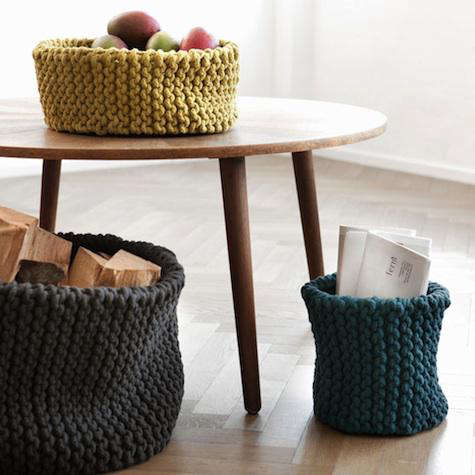
Some home accessories enter a room politely. Others do the design equivalent of kicking off their shoes, making tea, and somehow convincing all your clutter to behave. Knitted baskets from Ferm Living belong to the second group. They are soft, sculptural, practical, and quietly stylishthe kind of storage accessory that makes you wonder why you ever trusted a sad plastic bin with your magazines, toys, yarn, throws, or the mysterious collection of cables living under the coffee table.
Ferm Living, the Copenhagen-born design brand known for warm minimalism, tactile materials, and modern Scandinavian home accessories, has long understood one simple truth: storage does not have to look like punishment. A basket can be useful and beautiful. It can hold clutter without looking like it is hiding evidence. And when it is knitted, woven, braided, or made with natural fibers, it adds texturethe interior-design magic word that makes a room feel layered instead of flat.
This guide explores what makes Ferm Living knitted baskets so appealing, how they fit into modern homes, where to use them, how to style them, and why a soft basket may be the easiest upgrade your living room, nursery, bedroom, bathroom, or entryway has been waiting for.
Why Ferm Living Knitted Baskets Still Feel Fresh
The classic Ferm Living knitted basket has appeared in design archives and retailer listings as a hand-knitted storage piece made from cotton rope. That material choice matters. Cotton rope gives the basket body and softness at the same time. It is sturdy enough to hold everyday items but gentle enough to sit beside upholstered furniture, wooden floors, children’s toys, and delicate textiles without looking harsh.
Unlike glossy storage boxes or oversized utility bins, a knitted basket feels relaxed. It does not announce, “I am organizing.” It whispers, “I casually have my life together.” That distinction is important. Modern homes are no longer designed around hiding every object behind a cabinet door. Open storage, visible textures, and flexible accessories have become part of how people actually live.
A Ferm Living knitted basket works because it sits at the intersection of design and daily mess. It can hold a throw blanket beside a sofa, become a magazine basket near a reading chair, collect toys in a nursery, organize knitting supplies, or serve as a soft landing place for scarves and winter accessories near the front door. It looks intentional even when its contents are not.
The Ferm Living Look: Scandinavian, Soft, and Functional
Ferm Living’s broader design language blends Danish functionality with organic shapes, understated colors, and a sense of play. The brand’s furniture, lighting, and accessories often use natural materials, sculptural forms, and muted tones. That philosophy carries directly into its baskets and storage accessories.
The knitted basket fits the Ferm Living universe because it does three things well:
- It adds texture without overwhelming the room.
- It solves storage problems in a visible, attractive way.
- It feels human thanks to its hand-crafted, textile-like character.
That last point is the secret sauce. Rooms filled only with hard linestables, shelves, screens, cabinets, and metal fixturescan start to feel a little like a very expensive waiting room. A knitted basket softens those edges. It introduces loops, fibers, shadows, and a sense of touch. Even if you never dramatically glide your hand over it like a design influencer in slow motion, your eye understands the warmth immediately.
Materials Matter: Why Cotton Rope Works So Well
Cotton rope is a smart material for a basket because it offers both structure and flexibility. It can be shaped into a container, yet it still feels soft and approachable. Compared with rigid plastic, cotton rope looks warmer. Compared with delicate wicker, it feels more forgiving. Compared with metal, it is far less likely to make a dramatic clanging sound when you drop the TV remote into it at midnight.
For homes with children, pets, or high-traffic living areas, this softness is practical. A knitted cotton basket is less intimidating around little hands and less visually severe in family rooms. It also pairs naturally with other materials common in modern interiors: oak, walnut, linen, wool, stoneware, rattan, painted metal, and boucle upholstery.
Ferm Living’s current storage collections also show a continued interest in functional, tactile materials. The brand’s Hokan textile storage, for example, uses heavyweight undyed organic cotton, while the Fio basket combines powder-coated steel with a removable organic cotton canvas bag. Even when the exact knitted basket style is not widely available, its design DNA continues in Ferm Living’s approach to storage: simple, useful, textural, and easy to live with.
Where to Use Knitted Baskets from Ferm Living
1. In the Living Room
The living room is prime basket territory. A knitted basket beside the sofa can hold throw blankets, magazines, remote controls, board games, or that one decorative pillow nobody is allowed to actually lean on. It keeps frequently used items accessible while preventing the room from sliding into “weekend laundry pile with a couch” territory.
For a polished look, place one medium or large basket near a lounge chair, media console, or fireplace area. If the basket is low and wide, use it for magazines or coffee table books. If it is taller, it is better for rolled blankets or children’s toys.
2. In the Nursery or Kids’ Room
Children generate clutter with the confidence of tiny tornadoes. Soft baskets are ideal for kids’ rooms because they are easy to access, friendly in appearance, and quick to use. A knitted basket can hold stuffed animals, blocks, dress-up clothes, or bedtime books. Cleanup becomes simpler when the instruction is “put it in the basket” rather than “sort these 47 tiny dinosaurs by species and emotional backstory.”
Ferm Living’s playful children’s storage pieces, including animal- and fruit-inspired baskets in its broader kids’ collections, reflect the same idea: storage works better when it feels fun. A knitted basket may be quieter in style, but it offers the same family-friendly function.
3. In the Bedroom
In the bedroom, a knitted storage basket can live near a wardrobe, under a bench, beside a nightstand, or in a reading corner. Use it for extra bedding, slippers, scarves, sleep masks, or the pile of clothes that is not clean enough for the closet but not dirty enough for the hamper. Every bedroom has that pile. We are simply giving it a more dignified address.
4. In the Bathroom
A cotton rope basket can soften the look of a bathroom, especially one with tile, glass, chrome, and other hard surfaces. Use it for rolled hand towels, washcloths, bath toys, or extra toilet paper. Keep it away from heavy water exposure, of course. “Textural accent” is charming; “accidental sponge” is less charming.
5. In the Entryway
The entryway is where clutter likes to ambush you: hats, gloves, reusable bags, dog leashes, mail, sunglasses, and keys all arrive with plans to scatter. A knitted basket near a console table or bench can create a visual catchall. It keeps grab-and-go items contained while making the first impression of your home feel warmer and more organized.
How to Style Ferm Living Knitted Baskets
The best way to style a knitted basket is to let it look useful. Do not overthink it. Baskets are not museum artifacts. They are working accessories. A beautiful basket that holds nothing can look strangely staged, like it is waiting for a lifestyle photographer to arrive with a linen shirt and a ceramic mug.
Instead, fill it with items that make sense for the room. In a living room, try folded throws in similar tones. In a nursery, mix stuffed animals with soft books. In a bathroom, roll towels neatly and place them vertically. In a craft room, use the basket for yarn, fabric scraps, or works in progress. If the basket has a strong color, let it echo one or two accents already in the room, such as a cushion, rug, artwork, or vase.
For Scandinavian-inspired interiors, pair knitted baskets with pale woods, neutral textiles, matte ceramics, and simple lighting. For bohemian rooms, mix them with rattan, plants, layered rugs, and woven wall pieces. For modern homes, use the basket as a soft contrast against clean-lined furniture and metal accents.
Small Basket, Big Design Impact
One reason baskets are beloved by designers and organizers is that they solve two problems at once. First, they reduce visual clutter. Second, they add a decorative layer. That is rare. Many storage products are practical but unattractive; many decorative objects are attractive but about as useful as a chocolate teapot. A knitted basket does both jobs.
Because Ferm Living focuses on pieces that feel functional and expressive, its basket designs can sit in visible places without looking like afterthoughts. This is especially helpful in small spaces, where every object has to earn its square footage. A storage basket under a console, beside a sofa, or tucked beneath a floating shelf can make an apartment feel calmer without requiring built-in cabinetry or a full weekend of home improvement bravery.
Knitted Baskets vs. Woven, Metal, and Fabric Bins
Choosing the right basket depends on what you need to store and how visible the piece will be. A knitted basket is best when softness and texture are priorities. It is excellent for textiles, toys, magazines, accessories, and decorative storage.
Woven rattan or seagrass baskets are great for a natural, structured look. They often hold their shape well and suit coastal, rustic, and organic-modern rooms. Metal baskets, such as powder-coated wire designs, are ideal when you want visibility, durability, or a more industrial edge. Fabric bins are useful inside closets and shelves, especially when labels and modular organization matter.
The Ferm Living knitted basket stands apart because it feels more textile-like than most storage baskets. It does not just organize the room; it warms it up.
Care and Maintenance Tips
To keep a knitted cotton rope basket looking its best, treat it like a textile accessory rather than a rugged utility bucket. Shake it out occasionally, vacuum gently with a brush attachment, and spot clean with a soft damp cloth when needed. Avoid soaking it, overloading it with extremely heavy objects, or placing it in areas with constant moisture.
If the basket loses shape slightly, empty it and reshape it by hand. Cotton rope has some give, which is part of its charm. A little softness makes the basket look lived-in rather than stiff. Think of it as relaxed elegance, not structural failure.
Buying Advice: What to Look For
If you are shopping for a Ferm Living knitted basket or a similar Ferm Living storage accessory, consider size, material, color, and intended use. Small baskets work well for keys, craft supplies, or nursery accessories. Medium baskets are versatile for magazines, toys, and towels. Larger baskets are better for throws, laundry overflow, or bulkier children’s items.
Color is also important. Ferm Living often leans into sophisticated neutrals, earthy tones, and muted accent colors. A natural or beige basket blends easily with most interiors. Darker tones can ground a pale room. Richer colors, such as petrol, charcoal, rust, or brick-inspired shades, can add personality without turning the basket into the loudest guest at the party.
Because certain Ferm Living basket designs may rotate in and out of availability, vintage listings, archived product pages, and design marketplaces can be useful for tracking older styles. Current Ferm Living storage options, including textile, woven, ceramic, and metal baskets, also offer the same design-minded approach for shoppers who want the look and function of Scandinavian storage today.
Real-Life Experience: Living with Knitted Baskets from Ferm Living
Using a knitted basket from Ferm Living in everyday life is a bit like hiring a very stylish assistant who never sends invoices. The first thing you notice is not just what it holds, but what it changes visually. A room with scattered objects feels busy. Put those same objects into a knitted basket, and suddenly the room looks intentional. The mess has not disappeared; it has simply put on a better outfit.
In a living room, the basket becomes part of the rhythm of the space. A throw blanket can be folded into it during the day and pulled out at night. Magazines can stand inside it instead of spreading across the coffee table like paperwork preparing for a hostile takeover. If you have children, the basket becomes the fastest cleanup tool in the house. Toys go in, floor appears, everyone applauds politely.
The soft construction also makes a difference. Hard storage can feel cold or overly formal, especially in rooms where people relax. A knitted basket has a friendlier presence. It can sit beside a sofa without making the corner feel crowded. It can live in a bedroom without looking like office storage wandered into the wrong department. It can even work in a nursery because the texture feels gentle and the shape is approachable.
Another practical experience is flexibility. Built-in storage is wonderful, but it stays where it is. A basket moves with your life. Hosting friends? Fill it with extra blankets. Working from the couch? Use it for notebooks and chargers. Doing a quick tidy before guests arrive? It becomes the emergency landing zone for everything that does not currently have a home. We do not judge. The basket does not judge either.
The Ferm Living style is especially helpful because it does not scream for attention. Some accessories are so decorative that they demand a full design plan around them. A knitted basket is easier. It works with linen curtains, wood floors, modular sofas, vintage chairs, wool rugs, ceramic lamps, and even that one IKEA piece everyone owns but pretends is “Scandinavian-inspired.”
Over time, the basket tends to become one of those objects you use more than expected. At first, you may buy it for magazines. Then it holds a blanket. Then it catches toys. Then it stores winter hats. Then it moves to the bedroom. Then you wonder whether you need another one. This is the natural basket life cycle, and resistance is usually futile.
The only real caution is not to overload it or treat it like garage storage. A knitted cotton basket is best for soft goods, medium-weight items, and visible household organization. It is not the place for dumbbells, wet towels, or a full collection of hardcover cookbooks unless you enjoy watching beautiful things struggle. Used properly, though, it becomes one of the most reliable accessories in the home: useful, warm, flexible, and attractive from every angle.
Conclusion: A Softer Way to Stay Organized
Accessories: Knitted Baskets from Ferm Living is more than a design phrase; it is a small argument for better everyday living. The right basket can make a home feel calmer, more personal, and more pulled together without requiring renovation, complicated systems, or a personality transplant into someone who labels every drawer.
Ferm Living’s knitted basket concept succeeds because it respects both beauty and reality. Homes need storage, but they also need warmth. They need order, but they still have people living in them. A knitted basket bridges that gap with texture, softness, and Scandinavian ease. Whether used for blankets, books, toys, towels, or daily clutter, it proves that practical accessories can still have charm.
In a world full of plastic bins and chaotic shelves, a Ferm Living knitted basket is a gentle upgrade with genuine impact. It is functional decor at its best: quiet, useful, tactile, and just stylish enough to make your clutter look like part of the plan.











