
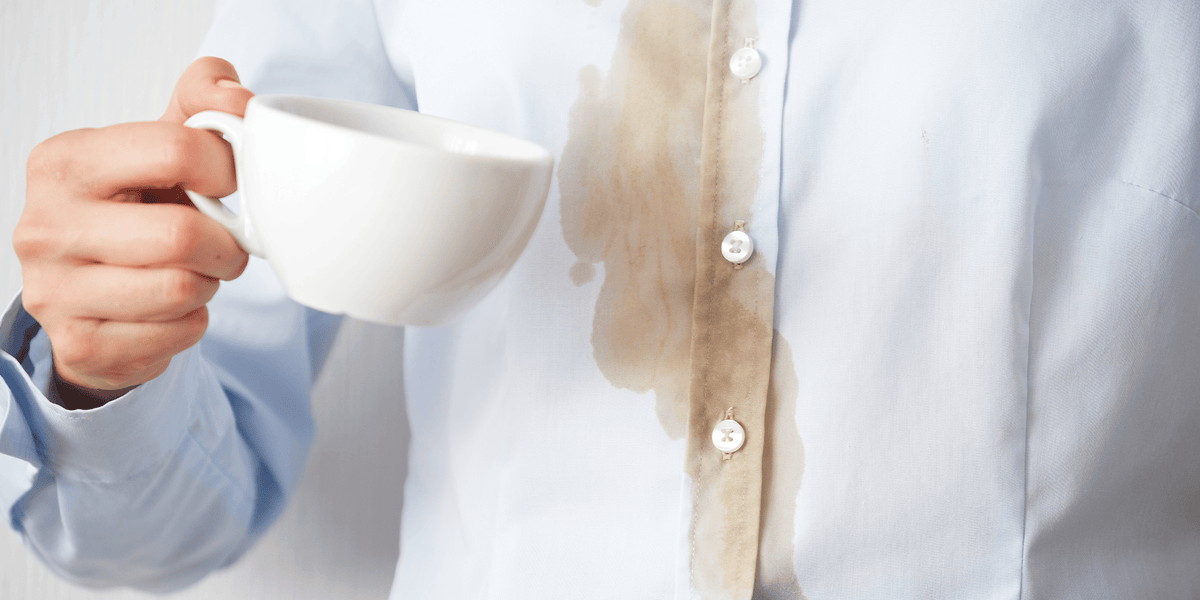
There are two universal truths about stains: they never happen when you are standing beside a washing machine, and they always choose your favorite shirt. Coffee waits until you are late for work. Ketchup attacks during lunch. Lipstick appears on a collar like a tiny crime scene. And red wine? Red wine has the dramatic timing of a soap opera villain.
The good news is that stain removal on the go does not require a suitcase full of cleaning products or a chemistry degree. Most fresh stains can be controlled with simple moves: blotting, rinsing, absorbing, pretreating, and not making the stain angrier. The real trick is knowing what to do in the first few minutes before the stain settles in and signs a long-term lease on your outfit.
This guide covers eight surprisingly easy hacks for removing stains on the go, using items you can find in a restroom, restaurant, office, car, purse, backpack, or hotel room. These methods are practical, fabric-friendly, and realistic for real lifebecause nobody wants to perform a 14-step laundry ritual in a coffee shop bathroom while holding a half-eaten muffin.
Before You Start: The Golden Rules of Emergency Stain Removal
Before we dive into the hacks, remember this: the first move matters. A stain is not just “dirt.” It can be oil, dye, protein, tannin, pigment, or a dramatic combination of all five. Treating every stain the same way is how a tiny salsa dot becomes a permanent souvenir.
Blot, Don’t Rub
Rubbing feels productive, but it usually pushes the stain deeper into the fabric and can damage fibers. Blotting lifts the spill instead of grinding it in. Use a white napkin, paper towel, tissue, or clean cloth. Colored napkins can transfer dye, which is basically inviting a second stain to the party.
Work From the Outside In
When blotting, start around the outer edge of the stain and move toward the center. This helps prevent spreading. If you attack the middle first, the stain may expand like it just discovered ambition.
Test First When Possible
Before using soap, alcohol, stain pens, vinegar, or any cleaning solution, test a hidden area such as an inside seam. This is especially important for silk, wool, rayon, leather, suede, and anything labeled “dry clean only.” With delicate fabrics, your safest on-the-go move is to blot gently and seek professional cleaning later.
Hack 1: Use the “Lift First” Method for Food Spills
Food stains are often part solid, part liquid, and part betrayal. Whether it is pasta sauce, mustard, chocolate, gravy, or salad dressing, the first thing to do is remove the excess without smearing it.
Use the edge of a spoon, dull knife, credit card, or even a clean piece of cardboard to lift off solids. Do not press down. The goal is to scoop the mess away from the fabric, not laminate it into your shirt.
Best For
This hack works well for ketchup, salsa, chocolate, yogurt, sauce, frosting, mustard, and anything that lands with texture.
How to Do It
- Scrape or lift off the excess gently.
- Blot the remaining stain with a white napkin or paper towel.
- Rinse from the back of the fabric with cool water if possible.
- Apply a tiny amount of hand soap or dish soap if the fabric is washable.
- Blot again, then let the area air-dry.
Why rinse from the back? Because it helps push the stain out the way it came in. Rinsing from the front can drive the stain deeper, which is not the kind of commitment anyone wants from barbecue sauce.
Hack 2: Flush Coffee, Tea, and Soda With Cold Water
Coffee and tea stains are common on-the-go disasters because they usually happen while you are moving, talking, typing, commuting, or pretending your morning is under control. These stains contain tannins, which can cling to fabric if they dry or meet heat too soon.
The fastest fix is cool water. If you can get to a restroom, hold the stained area under cold running water from the back of the fabric. If that is impossible, dab the stain with a wet white napkin.
Best For
Use this method for coffee, tea, cola, juice, sports drinks, and many light beverage stains.
How to Do It
- Blot up extra liquid immediately.
- Run cold water through the back of the stain.
- Add a drop of mild soap if the stain is still visible.
- Rinse lightly and blot dry.
Avoid hot water on fresh coffee or tea stains when you are not sure how the fabric will react. Heat can make certain stains harder to remove. Save the warm-water decisions for later, when you can read the care label and treat the garment properly at home.
Hack 3: Dab Grease With Dish Soap
Grease is sneaky because it may look faint at first and then reappear later like a bad sequel. French fries, pizza oil, butter, salad dressing, sunscreen, lotion, and some makeup stains are oil-based. Water alone will not do much because oil and water are not exactly best friends.
Dish soap is useful because it is designed to cut grease. You only need a tiny amountthink one small drop, not a bubble bath for your blouse.
Best For
This hack is ideal for cooking oil, butter, pizza grease, salad dressing, mayonnaise, sunscreen, and some foundation stains.
How to Do It
- Blot away any excess oil with a napkin.
- Place a clean napkin behind the stain if possible.
- Apply one tiny drop of dish soap or mild hand soap.
- Tap gently with a damp cloth or fingertip.
- Blot with clean water to remove soap residue.
If you are at a restaurant, ask for a small drop of dish soap from the staff. This may feel awkward, but so does walking into a meeting with a shiny pizza badge on your shirt. Choose your awkward.
Hack 4: Absorb Oil With Cornstarch, Baking Soda, or Salt
When you cannot wash a grease stain right away, powder can buy you time. Cornstarch, baking soda, baby powder, and even salt can help absorb fresh oil from fabric. This will not magically erase every stain, but it can reduce the amount of oil sitting in the fibers.
Best For
Use this for fresh grease, butter, oil-based sauces, and greasy snack stains.
How to Do It
- Blot the oil gently first.
- Sprinkle powder over the stained area.
- Let it sit for 10 to 15 minutes if you can.
- Brush off the powder gently.
- Follow with a tiny amount of dish soap if the fabric allows.
This is especially useful when you are traveling. A packet of salt from a restaurant or baking soda from a hotel room can become a tiny emergency stain kit. Glamorous? No. Effective? Often, yes.
Hack 5: Use Hand Sanitizer Carefully on Ink
Ink stains are dramatic because they look permanent immediately. But fresh ink can sometimes be loosened with alcohol-based products, including rubbing alcohol or hand sanitizer. The key word is “carefully.” Alcohol can affect dyes and delicate fabrics, so test first whenever possible.
Best For
This works best on fresh ballpoint ink or small pen marks on washable fabrics. It is not a guaranteed fix for permanent marker, delicate fabrics, or large ink spills.
How to Do It
- Place a white napkin behind the stain.
- Apply a tiny amount of hand sanitizer or rubbing alcohol to a cotton swab or tissue.
- Dab the ink gentlydo not rub.
- Move to a clean part of the napkin as ink transfers.
- Rinse or blot with cool water afterward.
Do not pour sanitizer directly onto the garment like you are seasoning a salad. Use a small amount and be patient. Ink removal is more “tiny careful taps” than “heroic scrubbing montage.”
Hack 6: Treat Makeup With Micellar Water or a Makeup Wipe
Makeup stains are tricky because many products contain oils, waxes, and pigments. Foundation, lipstick, mascara, and concealer do not simply sit on fabric; they cling like they paid rent. If you carry micellar water, makeup remover wipes, or gentle facial wipes, they can help lift fresh makeup stains on the go.
Best For
Use this for foundation, concealer, powder, lipstick smudges, and some mascara marks on washable fabrics.
How to Do It
- Remove any excess makeup with a clean tissue.
- Place a napkin behind the fabric.
- Dab the stain with a makeup wipe or cotton pad with micellar water.
- Blot with a damp cloth to remove residue.
- Let the area dry naturally.
For lipstick, a little dish soap may also help because lipstick often contains oils and waxes. But avoid aggressive rubbing, especially on knits or delicate materials. Your goal is to remove the stain, not exfoliate your sweater.
Hack 7: Use Club Soda as a Quick Rinse Helper
Club soda has a legendary reputation in stain emergencies. Is it magic? No. Is it useful when you need a quick, mild rinse and have no access to a sink? Absolutely. Club soda can help dilute and lift fresh drink stains, especially when paired with blotting.
Best For
Try club soda for fresh wine, juice, coffee, tea, soda, and light food stains. It is most useful before the stain dries.
How to Do It
- Blot the stain first with a clean napkin.
- Pour a small amount of club soda onto another white napkin.
- Dab the stain gently from the outside inward.
- Repeat with clean sections of the napkin.
- Blot dry so the fabric is not soaked.
Do not use sugary soda as a substitute. Clear club soda is helpful; lemon-lime soda is a sticky prank in liquid form. Sugar residue can attract dirt and leave the fabric feeling stiff.
Hack 8: Carry a Mini Stain Kit
The easiest stain hack is preparation. You do not need a full laundry room in your bag. A small stain kit can fit in a purse, backpack, glove compartment, desk drawer, or travel toiletry pouch.
What to Pack
- A travel stain remover pen or wipe
- A few white napkins or folded paper towels
- A cotton swab
- A tiny packet of salt or baking soda
- A small alcohol wipe
- A resealable plastic bag for stained items
Stain pens are convenient for many food and drink spills, but they are not perfect for every stain. They may not work as well on grease, ink, blood, grass, or delicate fabrics. Always follow product directions and test when possible.
The resealable bag is underrated. If you spill something major and cannot treat the garment fully, keeping it separate prevents the stain from transferring to other items. It also reminds you to pretreat it before laundry day. Otherwise, you may discover the stain two weeks later and wonder why your shirt looks like it fought a burrito and lost.
Common On-the-Go Stain Mistakes to Avoid
Using Too Much Soap
A little soap helps. Too much soap creates residue, rings, and a suspicious wet patch that may be more noticeable than the original stain. Use the smallest amount possible and blot with clean water afterward.
Drying With Heat
Do not use a hand dryer, hair dryer, or iron on a stained area unless you are sure the stain is gone. Heat can set many stains and make them harder to remove later.
Mixing Cleaners
Never mix bleach with ammonia, vinegar, rubbing alcohol, or other cleaning products. On the go, keep stain treatment simple. Water, blotting, mild soap, and patience are safer than creating a chemistry experiment on your sleeve.
Ignoring the Care Label
If the garment says “dry clean only,” do not soak it in a restroom sink. Blot gently, avoid DIY solutions, and take it to a cleaner as soon as possible.
Quick Stain Match Guide
| Stain Type | Best On-the-Go Move | Avoid |
|---|---|---|
| Coffee or tea | Blot, flush with cold water, dab mild soap | Hot water and rubbing |
| Grease or oil | Blot, absorb with powder, dab dish soap | Plain water only |
| Ink | Dab carefully with alcohol-based product | Scrubbing or soaking delicate fabric |
| Makeup | Use makeup wipe, micellar water, or tiny dish soap | Grinding pigment into fibers |
| Wine or juice | Blot, club soda or cold water rinse | Heat and colored napkins |
Real-Life Experience: What Actually Works When You’re Not Near a Laundry Room
On-the-go stain removal is less about perfection and more about damage control. The goal is not always to make the garment look freshly laundered in three minutes. The goal is to stop the stain from becoming permanent before you can wash it properly.
One of the most useful lessons is that speed beats strength. A fresh coffee splash treated with cold water within two minutes usually has a better chance than the same splash attacked with five different products six hours later. I have seen people panic-rub coffee stains with rough brown napkins, only to create a larger brown cloud surrounded by paper fuzz. A plain white napkin and cool water would have done less damage and looked far less tragic.
Another real-world tip: restaurant bathrooms are surprisingly good stain stations. They usually have running water, paper towels, hand soap, and enough privacy to rescue your shirt without an audience. For a small sauce stain, scrape off the extra sauce, rinse from the back, dab with a tiny bit of soap, and blot dry. You may still see a faint mark, but it will be much easier to remove later at home.
Office stains require a slightly different strategy. The office restroom may have harsh pink soap, loud hand dryers, and paper towels with the texture of recycled cardboard. Be gentle. Use water first, then a tiny amount of soap only if needed. Skip the hand dryer because heat is risky. Instead, press the wet area between paper towels and let it air-dry. If anyone asks why your sleeve is damp, simply say, “I had a meeting with gravity.”
Travel stains are the real test. Airplanes, hotels, road trips, and conferences seem designed to attract spills. This is where a mini stain kit saves the day. A stain pen, white napkin, alcohol wipe, and small resealable bag can handle most emergencies. If your clothes get hit with oil, powder first. If they get hit with coffee, cold water first. If they get hit with ink, dab carefully and test first. If they get hit with mystery sauce from airport food, say a small prayer and begin with the lift-first method.
One underrated experience-based rule: do not over-treat. When people panic, they keep adding water, soap, sanitizer, vinegar, more soap, more water, and then maybe a heroic blast from the restroom hand dryer. By that point, the fabric is exhausted and the stain has become a modern art installation. Treat lightly, blot well, and finish the job later with proper laundry products.
Finally, accept that some stains need professional help. Silk, wool, suede, leather, embellished clothing, and structured jackets are not good candidates for aggressive DIY cleaning. For those, blot only. Protect the fabric. Then visit a cleaner. The bravest stain fighter is not the person who uses twelve products on silk. It is the person who knows when to stop.
Conclusion
Removing stains on the go is not about panic. It is about making smart, fast choices. Blot instead of rubbing. Use cold water for many fresh drink stains. Reach for dish soap when grease is involved. Use powder to absorb oil. Try alcohol carefully on ink. Use makeup remover for cosmetic stains. Keep club soda in your corner when water is not nearby. And if you want to become the hero of every lunch table, carry a mini stain kit.
Most stains are easier to handle when they are fresh. The sooner you act, the better your chances of saving the garment. So the next time coffee leaps from your cup or salad dressing performs a surprise landing, do not panic. Blot, treat gently, and remember: your shirt is not ruined yet. It is just having a dramatic afternoon.











