
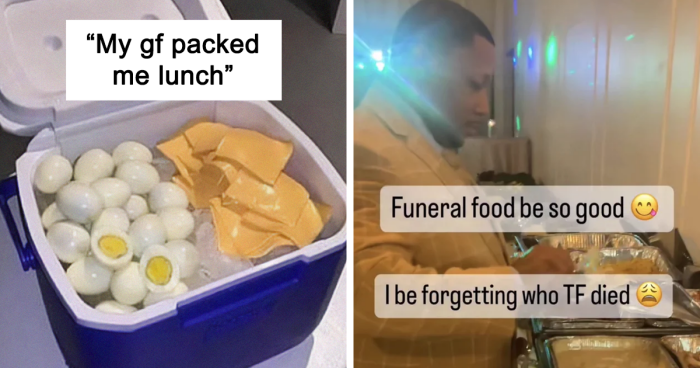
Food is supposed to be simple. You cook it, eat it, maybe compliment the person who made it, and then quietly wonder if there is more in the kitchen. But on the internet, food becomes something much bigger: a personality test, a comedy sketch, a family drama, a science experiment, and occasionally, a crime scene with melted cheese.
That is why posts about food often go wildly viral on Twitter, now known as X. A single photo of an unholy sandwich, a passionate rant about fries, or a chaotic confession involving leftovers can travel faster than a delivery driver who forgot the dipping sauce. The title “40 Times People Went So Wild With Posts About Food, They Ended Up On This Twitter Page” perfectly captures a strange and wonderful corner of internet culture: people do not just eat food anymore. They perform food. They debate food. They defend food like it is a small, crispy relative.
This article explores why funny food tweets, cursed food photos, wild restaurant opinions, bizarre recipes, and snack-based meltdowns are so irresistible. From viral food trends to oddly relatable kitchen disasters, these posts reveal more than hunger. They reveal how people use food to talk about identity, comfort, money, nostalgia, creativity, and the beautiful madness of daily life.
Why Food Posts Go Viral So Easily
Food is one of the rare subjects that almost everyone understands instantly. You do not need a culinary degree to react to a burnt pizza, a giant milkshake, or a sandwich stacked so high it needs a building permit. That universal familiarity makes food perfect for social media. The joke lands quickly because the context is already baked in.
On platforms like Twitter/X, where short reactions matter, food becomes a fast emotional shortcut. A picture of a sad school lunch can communicate disappointment. A photo of overloaded nachos can scream joy. A suspicious casserole can create an entire comment section of amateur detectives asking, “What exactly happened here?”
The best food posts usually combine three ingredients: surprise, relatability, and a tiny bit of chaos. If someone says they ate shredded cheese straight from the bag at midnight, millions of people understand. If someone creates spaghetti tacos with ranch and breakfast cereal, people may not understand, but they will absolutely stop scrolling.
The Twitter Page Effect: Turning Food Chaos Into Comedy
Twitter pages that collect strange food posts work because they act like a museum of edible confusion. Instead of one person finding a bizarre meal and moving on, the page gathers the best, worst, funniest, and most questionable examples in one place. The result is a buffet of human behavior, served with a side of disbelief.
These pages often feature posts that feel too strange to be invented: a person defending an alarming recipe, a restaurant serving food in a container that was never meant for dinner, or someone declaring war on a common ingredient. The appeal is not always that the food looks bad. Sometimes it looks delicious in a way that feels morally complicated.
That tension is what makes the format addictive. Viewers ask themselves, “Would I eat this?” Then, almost immediately, “Should I admit that I would eat this?” Somewhere between curiosity and shame, a viral food post is born.
40 Types of Wild Food Posts the Internet Cannot Resist
Instead of copying original tweets, let’s break down the kinds of food posts that repeatedly end up on pages dedicated to culinary chaos. These are the recurring characters in the great sitcom of Food Twitter.
1. The “This Looks Illegal But Delicious” Meal
This is the overloaded burger, the fries buried under cheese, the pizza topped with another pizza, or the breakfast sandwich that appears to have defeated gravity. People pretend to be horrified, but the comment section is full of quiet curiosity.
2. The Midnight Snack Confession
Nothing brings people together like someone admitting they ate cold leftovers while standing in front of the refrigerator. These posts feel honest because everyone has had a snack moment that would not survive daylight.
3. The Restaurant Serving Food on Something Ridiculous
Food served on shovels, tiles, clipboards, jars, tiny shopping carts, or wooden slabs always gets attention. Plates exist for a reason. When restaurants ignore that reason, the internet forms a committee.
4. The “Family Recipe” That Raises Questions
Some family recipes are treasured heirlooms. Others involve canned soup, gelatin, hot dogs, and a confidence level that deserves scientific study. Nostalgia can be sweet, but it can also wobble in a mold.
5. The Fast-Food Loyalty Meltdown
People have strong opinions about fries, nuggets, tacos, and chicken sandwiches. A simple ranking can become a battlefield. Fast food is not just food online; it is regional identity with extra salt.
6. The “I Invented a Recipe” Disaster
The internet loves kitchen confidence, especially when that confidence ends with smoke alarms. Experimental cooking is admirable, but not every pantry item wants to be friends with every other pantry item.
7. The Suspicious Food Hack
Food hacks promise to make cooking faster or easier, but some look like they were invented by someone who owns a glue gun and fears bowls. A good hack saves time. A bad hack creates new questions for humanity.
8. The Tiny Portion Rage Post
Few things inspire online fury like a restaurant charging serious money for three artistic dots of sauce and a carrot leaning emotionally against a pea. Fine dining can be beautiful, but hunger has a loud voice.
9. The Giant Portion Shock Post
On the opposite side, there are meals so massive they look like a dare. Oversized pancakes, giant steaks, huge milkshakes, and party-sized nachos make people wonder whether they are looking at dinner or a construction project.
10. The “Food Opinion That Should Have Stayed Private”
Some posts go viral because the opinion is simply too bold. Ketchup on everything. No cheese on pizza. Cereal with water. These opinions may be legal, but the internet will still hold a hearing.
11. The Lunchbox That Looks Like Abstract Art
School lunches, office lunches, and meal-prep containers often go viral when they look unintentionally dramatic. A dry sandwich beside three grapes can tell a whole story without saying a word.
12. The Food Photo With Terrible Lighting
Some meals may taste wonderful, but under fluorescent lighting they look like evidence. Food photography matters. The wrong angle can turn lasagna into a geological event.
13. The “I Can Fix This” Cooking Attempt
Burnt food is one thing. Burnt food that someone tries to repair with sauce, cheese, or optimism becomes content. The internet respects persistence, even when dinner does not.
14. The Unhinged Grocery Store Discovery
Pickle-flavored snacks, spicy candy, novelty sodas, and seasonal products with suspicious ambition often become viral. Grocery aisles are now a testing ground for flavors that sound like dares.
15. The Food Brand Trying to Be Funny
Sometimes brands post jokes like real people. Sometimes it works. Sometimes it feels like a sandwich learned marketing. Either way, people pay attention when food companies join the meme economy.
What These Posts Say About Food Culture
Wild food posts are funny, but they also reveal real changes in how people eat and talk about eating. Social media has made food more visual, more performative, and more community-driven. A recipe no longer travels only through cookbooks or family gatherings. It can spread through a screenshot, a short caption, or one dramatic cheese pull.
Food trends also move faster now. One week, everyone is obsessed with a specific sauce. The next week, it is pickles, butter boards, tinned fish, loaded fries, girl dinner, chaos cakes, or a regional dish suddenly getting global attention. Some trends celebrate creativity and cultural discovery. Others flatten complicated food histories into a quick aesthetic. That is why good food content needs humor, but also a little respect.
When a viral post features a dish from a real culture, the conversation should not stop at “That looks weird.” Many foods that seem unusual to one audience are deeply normal, beloved, or meaningful to another. The best food commentary knows the difference between laughing at a ridiculous personal choice and mocking a tradition. One is comedy. The other is just bad manners with Wi-Fi.
Why “Cursed Food” Is So Entertaining
Cursed food is internet language for food that feels visually or conceptually wrong. It might be edible. It might even taste good. But something about it makes people pause. A hot dog in a glass of milk, a cake shaped like raw meat, or a sandwich assembled with shocking confidence can trigger the same reaction: fascination mixed with alarm.
The fun comes from the gap between expectation and reality. We expect pizza to behave like pizza. When it arrives with unexpected toppings, strange colors, or a structure that resembles furniture, our brains do a tiny reboot. That reboot is funny.
Cursed food also gives people a safe way to be dramatic. No one is truly harmed by a bad food photo, but everyone can act like they have witnessed a historic event. Comments like “I need a minute” or “Who approved this?” turn a strange meal into group entertainment.
The Role of Nostalgia in Funny Food Tweets
Many viral food posts are not about fancy meals. They are about childhood snacks, cafeteria memories, family dinners, and the emotional power of simple comfort food. A frozen pizza, a peanut butter sandwich, or a bowl of cereal can unlock a surprising amount of feeling.
That is why posts about discontinued snacks, regional restaurant chains, or old-school lunch items often perform well. People are not just reacting to flavor. They are reacting to memory. Food carries time inside it. One bite can bring back summer vacation, school cafeterias, grandparents’ kitchens, or the exact feeling of being twelve years old and trading chips at lunch like a stockbroker.
Humor makes those memories easier to share. A person can joke about loving boxed mac and cheese, but underneath the joke is comfort. The internet may be chaotic, but when everyone agrees that a certain snack was elite, peace briefly becomes possible.
Food Safety: The Serious Side Behind the Jokes
Not every viral food post should become a real-life experiment. Some online food trends are harmless fun, while others can encourage unsafe behavior. Posts involving questionable leftovers, raw ingredients, extreme eating challenges, or non-food items should be treated carefully.
As funny as the internet can be, the kitchen still has rules. Perishable leftovers should not sit out for hours. Raw meat needs safe handling. Strange viral “hacks” should not replace basic food safety. If a post makes people laugh because it looks risky, that is a clue to enjoy it as content, not as dinner instructions.
The best way to enjoy wild food posts is simple: laugh, share, discuss, but do not turn every viral idea into a weekend project. Your stomach deserves better than becoming a comment section.
Why Food Twitter Feels So Relatable
Food Twitter works because everyone has food habits that are slightly strange. Some people eat fries before the burger. Some save the best bite for last. Some believe soup is a meal; others believe soup is a beverage wearing a coat. These small differences create endless debate.
Unlike many online arguments, food arguments are usually low-stakes. People can passionately disagree about pineapple on pizza without needing a twelve-page policy document. The topic invites drama without requiring disaster. That makes it perfect for comedy.
Food posts also give people permission to be honest about everyday life. Not every dinner is beautiful. Not every meal is balanced. Sometimes dinner is toast, cereal, leftovers, or whatever can be assembled before the next episode starts. Viral food humor says, “You are not alone. We are all just trying to eat something before bedtime.”
How Restaurants and Brands Learned From Viral Food Posts
Restaurants and food brands pay attention to viral food culture because online reactions can influence real demand. A photogenic appetizer, a dramatic sauce pull, or a limited-time flavor can become a marketing engine when people start posting about it. Social media does not just reflect food culture anymore; it helps shape menus.
That is why restaurants increasingly design items that are shareable, colorful, nostalgic, or surprising. A dish that looks fun on camera has an advantage. But there is a catch: food still has to taste good. A gimmick may earn a first click, but flavor earns a second order.
The smartest brands understand that people do not share food content only because it is pretty. They share it because it gives them something to say. “Look at this cheese pull.” “Would you try this?” “This reminds me of childhood.” “This is outrageous.” The post becomes a conversation starter, and conversation is the real currency of social media.
How to Write Food Posts People Actually Want to Share
If you want to create funny food content, start with truth. The most viral posts often come from small, specific observations: the sadness of a broken taco shell, the confidence of people who bring tuna to an office microwave, or the emotional betrayal of paying extra for avocado and receiving one green whisper.
Specificity makes food humor sharper. Instead of saying, “I love snacks,” say something more vivid: “I opened the pantry for one cracker and left as a changed person.” That kind of line works because it feels exaggerated but emotionally accurate.
Photos help, too. A funny caption can make a strange meal funnier, but the image has to be clear enough for people to understand quickly. On fast-moving platforms, confusion is risky unless confusion is the joke.
of Personal-Style Experience: What Wild Food Posts Remind Us About Real Life
Wild food posts are popular because they feel surprisingly close to real life. Anyone who has cooked regularly knows that the kitchen can humble even the most confident person. You start with a simple plan, like making grilled cheese, and somehow end up negotiating with smoke, butter, and a pan that has chosen violence. That is why messy food posts feel comforting. They remind us that perfection is not the normal state of dinner.
There is also something deeply human about sharing food mistakes. A person posting a collapsed cake or a strange homemade burrito is not just showing failure. They are inviting others to laugh with them. That matters. In a world where social media often pressures people to look polished, a chaotic food post feels refreshing. It says, “Here is my dinner. It is not beautiful, but it exists.” Honestly, that is sometimes enough.
Food also has a way of turning ordinary moments into stories. Maybe you once ordered a meal that looked nothing like the menu photo. Maybe you tried a recipe because the video made it look easy, only to discover that “easy” meant “easy for someone with three cameras, perfect lighting, and a suspiciously clean kitchen.” Maybe your family has one dish everyone loves but no outsider can understand. These experiences are exactly why food humor spreads. The details change, but the feeling is familiar.
There is a special kind of comedy in restaurant expectations, too. People love posting about tiny portions, giant portions, unusual plating, and dramatic menu descriptions because dining out comes with hope. You want the meal to feel worth it. So when a restaurant serves a single mushroom with foam and calls it “forest memory,” the internet naturally has questions. On the other hand, when a diner serves pancakes the size of hubcaps, the internet also has questions, but they are happier questions.
The best thing about these posts is that they create instant community. You can be from a different city, background, or generation and still understand the pain of soggy fries. You can disagree about pizza toppings and still respect the emotional importance of dessert. Food gives people a shared language, and humor makes that language louder.
Of course, not every wild food post is meant to inspire imitation. Some should remain safely in the category of “interesting to observe from a distance.” But even the strangest examples have value. They show creativity, confidence, cultural mixing, boredom, hunger, and the occasional decision made at 1:17 a.m. near an open refrigerator. That is the internet at its most edible: messy, funny, excessive, and oddly sincere.
In the end, the reason people love these Twitter pages is not only because the food is weird. It is because the weirdness feels honest. Behind every cursed sandwich, dramatic snack opinion, and chaotic kitchen photo is a person trying to turn a meal into a moment. Sometimes that moment is delicious. Sometimes it is questionable. Either way, we cannot look away.
Conclusion
“40 Times People Went So Wild With Posts About Food, They Ended Up On This Twitter Page” is more than a funny headline. It is a snapshot of how food became one of the internet’s favorite languages. Viral food posts are not just about what is on the plate. They are about identity, humor, nostalgia, creativity, and the shared experience of being hungry in public.
Whether people are debating fast food, reacting to cursed recipes, sharing nostalgic snacks, or documenting kitchen disasters, food content works because it is instantly understandable. Everyone eats. Everyone has opinions. Everyone has made at least one meal that deserved privacy. That is why Food Twitter remains endlessly entertaining: it turns everyday eating into comedy, conversation, and community.
Note: This article is written as original SEO content based on real food culture, social media behavior, restaurant trends, food safety guidance, and public discussions around viral food posts. It does not reproduce original tweets or copyrighted social media posts verbatim.











