
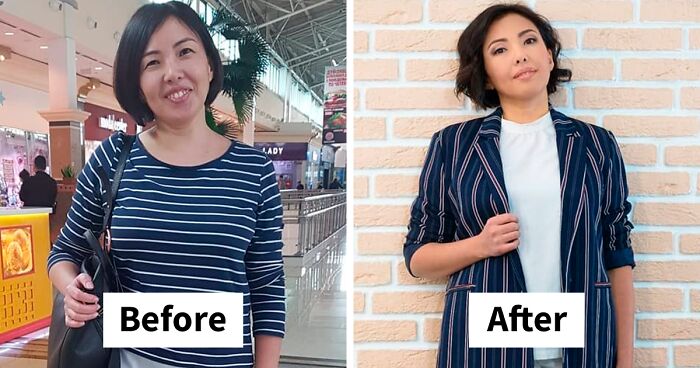
If you’ve ever stared at your reflection and thought, “New life, who dis?” but your hair, makeup, and wardrobe didn’t get the memo, you’re going to love the story behind “30 People Who Got A New Look From This Stylist And His Team”. The viral Bored Panda feature follows stylist Madi Bekdair and his crew in Kazakhstan as they give regular people the kind of glow-up you normally only see on TV makeover shows. Think: overgrown hair tamed into chic bobs, tired outfits turned into sharp, modern looks, and faces lighting up with the kind of confidence no filter can fake.
These makeovers aren’t just about hair dye and a new blazer. They’re part fashion experiment, part emotional reset. Across beauty and psychology research in the U.S., experts consistently find that changing your appearance can boost your self-esteem, mood, and even how productive you feel. A new hairstyle is often linked to feeling more powerful, capable, and ready to take on whatever life throws at you.
Meet the Stylist Behind the Transformations
The Bored Panda article introduces Madi Bekdair, a stylist who offers a full “Cardinal Transformation” package. Clients don’t just walk in, sit in a chair, and say “just a trim.” They talk through what they want from their new look: more professionalism at work, a softer vibe, a bolder impression, or simply something that matches who they feel they are inside. Bekdair’s team handles style consulting, wardrobe analysis, hair, and makeupessentially a one-day reboot for your personal brand.
Similar makeover studios around the world use this same multi-step approach. From personal stylists in New York and LA to image consultants and salon collectives, the process often includes analyzing face shape, body type, color palette, lifestyle, and job requirements. The goal isn’t to turn everyone into a runway model; it’s to reveal the most confident, authentic version of each person while still keeping things practical enough for daily life.
What Makes These 30 Makeovers So Satisfying?
- Visible contrast: The before-and-after shots show major changes in length, color, silhouette, and styling. It’s not just “a bit neater”it’s “new person, who are you?”
- Coherent styling: Hair, makeup, and clothes all support the same story: polished professional, edgy creative, romantic soft, or minimalist chic.
- Confidence glow: In many pictures, the “after” faces are brighter, more open, and more self-assured. This is consistent with research showing that when people like how they look, they carry themselves differently and engage more comfortably in social situations.
Why a New Look Hits So Deep (It’s Not Just Vanity)
From a psychological point of view, a drastic hair change or a full makeover is rarely just about fashion. Hair salons and stylists often talk about how clients come in after a breakup, job loss, or major life transition and ask for something completely new. Studies and salon experiences alike suggest that hair and style changes can act as a symbol of starting over, reclaiming control, or stepping into a new chapter.
One salon blog, for example, notes that people may use a daring haircut as a coping mechanism during personal challenges, or to mark a big moment like coming out or recovering from burnout. Another article on the “psychology of hair changes” describes how hair transformations can be both liberating and nerve-wracking: you’re taking a risk, but you’re also signaling to yourself that you’re capable of change.
Makeup, Hair, and the Confidence Effect
Beyond haircuts, makeup and overall grooming also play a big role. Research discussed by cosmetology schools and beauty experts in the U.S. shows that wearing makeup can increase self-reported confidence and mood. Some psychologists even talk about the “lipstick effect”the idea that putting effort into your appearance can make you feel more competent and prepared.
The clients in the Bored Panda feature aren’t necessarily chasing perfection. Many of them just look rested, balanced, and more aligned with their personality. A more flattering haircut, a tailored blazer, or subtle makeup can reduce the gap between how people feel internally and what the world sees externally. When that gap shrinks, people often report less social anxiety and more willingness to put themselves out therewhether it’s in a job interview, on a date, or simply in candid photos with friends.
From “Just Okay” to “Wow”: Common Themes in the 30 Transformations
While each of the 30 people in the stylist’s portfolio has their own story, the transformations tend to follow a few recognizable patterns that echo trends seen in other before-and-after galleries online.
1. Taming Overgrown Hair
Many “before” photos show very long or shapeless hair. In the “after” shots, those lengths are transformed into structured bobs, layered cuts, or modern lobs. Long hair can be beautiful, but when it loses shape or volume, it can weigh the face down. Stylists often chop several inches off, add layers around the face, and brighten the color to bring attention back to the eyes and cheekbones.
2. Color That Matches Skin Tone and Personality
In multiple transformations, hair color shifts from flat or brassy shades to rich, dimensional tonesthink soft chocolate browns, warm balayage, or bright, cool blondes. Color experts note that when stylists choose tones that harmonize with a client’s skin undertone, the entire face looks more vibrant and even. In some of the more dramatic examples, fiery reds or bold fashion shades instantly communicate creativity and confidence.
3. Wardrobe Upgrades That Tell a Story
Beyond hair, wardrobe shifts can be subtle but powerful. Baggy, mismatched clothing in the “before” shots gets swapped for more structured, well-fitted outfits in the “after” images. Blazers, clean lines, and modern fabrics create a silhouette that reads as intentional, not accidental. Image consultants frequently emphasize fit over trends: a basic blazer that fits well will always beat an expensive designer jacket that doesn’t.
4. The “Soft Glam” Makeup Effect
The makeup in Bekdair’s transformations tends to lean natural: satin-finish skin, softly defined brows, neutral eyeshadow, and a flattering lip color. This style, often called “soft glam” in beauty circles, boosts features without making someone unrecognizable. In U.S. beauty trends, soft glam has become popular for everyday wear precisely because it photographs well but still looks like “you”just a you who actually slept eight hours.
What These Transformations Teach Us About Personal Style
If you strip away the dramatic before-and-after photos, the core lesson from “30 People Who Got A New Look From This Stylist And His Team” is surprisingly practical: style works best when it’s customized, intentional, and aligned with your life. These aren’t cookie-cutter “Instagram copies.” Each person gets a look that suits their face, job, age, and comfort level.
American stylists and psychologists who study appearance agree on a few best practices if you’re inspired to try your own “cardinal transformation” moment:
- Start with your lifestyle: If you hate styling your hair, don’t get something that needs 45 minutes and three hot tools every morning.
- Communicate your goals: Tell your stylist how you want to feel (confident, softer, more professional), not just the haircut you think you should ask for.
- Use reference photos: Before-and-after galleries like the Bored Panda feature, salon Instagrams, and makeover articles are great for explaining what you likeand what you don’t.
- Think long term: Ask how your cut and color will grow out and what maintenance will look like in three months, not just on day one.
How to Get Your Own “Cardinal Transformation” (Without Flying to Kazakhstan)
Not everyone can hop on a plane to see Bekdair and his team, but you can borrow several ideas from his makeover process and the broader makeover culture featured in U.S. beauty media:
1. Book a Consultation, Not Just a Cut
Many higher-end salons in the U.S. offer consultations where you can talk through your goals, show inspiration photos, and get advice before any scissors appear. Some stylists even provide virtual consults via video call, especially for big transformations like going from waist-length hair to a shaggy bob or changing from brunette to platinum blonde.
2. Do a Mini Wardrobe Audit
You don’t necessarily need a full image consultant to get started. Try pulling the clothes you feel best in and looking for patterns: are they structured or flowy, neutral or colorful, sporty or polished? Use that as a guide when shopping for new pieces that complement your future haircut and makeup. Many people find that once their hair feels “right,” their clothing preferences become clearer too.
3. Focus on One High-Impact Change First
In the Bored Panda article, most people undergo several changes at once, but in real life, you can start small. A strategically chosen haircut, updated hair color, or better-fitting jeans can already reshape how you feel in your body. Once that settles, you can add new makeup techniques or accessory upgrades.
4. Remember: You’re Allowed to Evolve
One of the best unspoken messages in the 30 transformations is that style is not a one-time decision. People change careers, relationships, and priorities; your look can change with you. Research on appearance and self-image suggests that when people see their style as flexible, they’re more willing to experiment and less attached to outdated versions of themselves.
of Real-Life “Glow-Up” Experiences
It’s one thing to scroll through 30 dramatic makeovers on Bored Panda and think, “Nice, but that could never be me.” It’s another to realize that many of those “after” photos started with the same doubts you have. To make this more concrete, let’s look at the kinds of experiences people often report after a stylist-led transformationblending what’s shown in features like Bekdair’s portfolio with personal stories shared in salon blogs and interviews.
1. The “I Finally Look Like My LinkedIn Profile” Moment. One common thread is career confidence. People who invest in a makeover often say they feel more aligned with the professional image they want to project. A teacher might swap heavy, unstyled hair for a polished long bob and subtle highlights, suddenly feeling more put together at parent meetings. A manager might move from faded, casual outfits to smart-casual looks with blazers, boots, and cleaner lines. They still do the same jobbut colleagues treat them differently because they appear more organized and confident.
2. The Post-Breakup Reset. Stylists and psychologists alike talk about the iconic post-breakup haircut for a reason. After a relationship ends, many people feel stuck in the story of who they were with that person. A drastic changeespecially a chop from long hair to a shorter, modern cutcan feel like turning the page. Clients often describe the first look in the mirror after a big change as a literal “new chapter” moment. They may still be healing emotionally, but the reflected image says, “I’m moving forward.”
3. The “I Didn’t Know I Could Look Like This” Surprise. A lot of people underestimate what professional styling can do because they only know their face in one context: harsh bathroom light, rushed mornings, drugstore products. When a stylist and their team step in with proper lighting, pro-grade products, and techniques tailored to face shape and coloring, the result can feel almost surreal. In interviews, clients frequently admit they didn’t recognize themselves for a secondin a good way. That tiny gap between expectation and reality often creates a huge surge in confidence.
4. The Emotional Release (Yes, Sometimes Tears). Some transformations come with tearsnot from regret, but from the emotional release of seeing yourself freshly. Salon owners and makeover teams note that clients occasionally cry when they see their “after” image because it reflects how they’ve wanted to feel for years: lighter, more seen, more themselves. That emotional reaction matches what psychologists say about appearance changes acting as a symbol of inner change and healing.
5. The Everyday Confidence Boost. Finally, there’s the quiet, ongoing impact. After the cameras are gone and the article scrolls into internet history, what sticks is the everyday ease: waking up, running a brush through hair that falls nicely without 20 minutes of effort, putting on clothes that fit, and seeing a reflection that doesn’t make you want to hide. People often report feeling more comfortable in photos, more willing to attend social events, and more likely to say “yes” to opportunities because they aren’t worrying about how they look from every angle.
In that sense, the 30 people in the Bored Panda feature aren’t just content for us to scroll past. They’re reminders that while style can’t solve every problem, it can be a surprisingly powerful tool for rewriting your personal narrative. A good stylist doesn’t just cut hair; they help you edit the story you tell the worldand sometimes, that’s exactly the plot twist you need.
Conclusion: Your Reflection, Your Rewrite
“30 People Who Got A New Look From This Stylist And His Team | Bored Panda” is fun to browse because the transformations are dramatic, colorful, and instantly satisfying. But the deeper takeaway is that appearance changes can be both playful and meaningful. With the right stylist, thoughtful communication, and a willingness to evolve, your next haircut or outfit upgrade can turn into a small but powerful act of reinvention.
You don’t have to book a full “Cardinal Transformation” to feel different. Sometimes, one smart decisionreshaping your hair, updating your wardrobe, or finally trying that soft glam routinecan be enough to make the person in the mirror match the one you’ve been becoming all along.











