
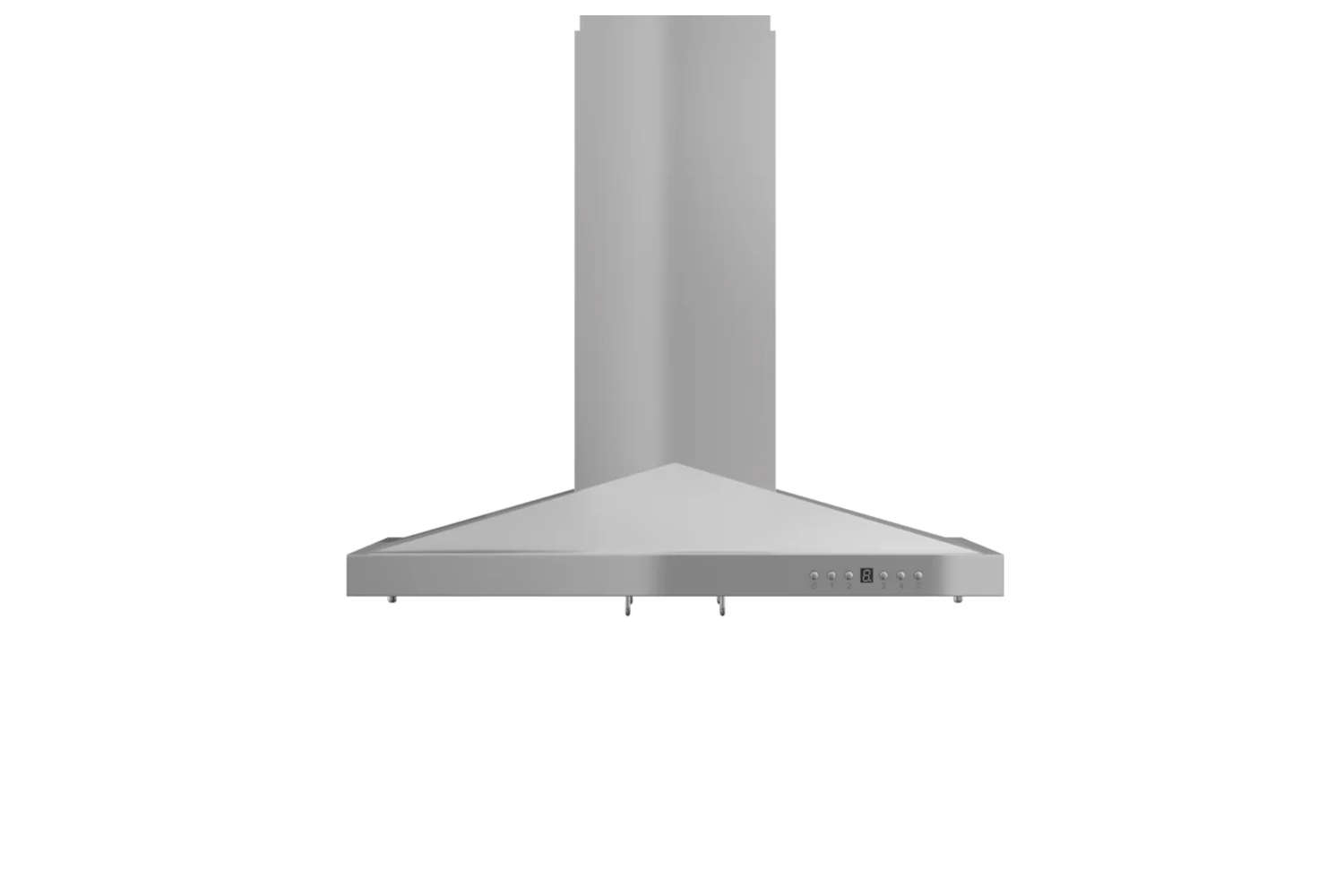
A kitchen island is where everyone mysteriously gathers, even when the snacks are on the other counter. That means the island cooktop needs more than a pretty centerpiece; it needs serious ventilation. The ZLINE 36 Inch 760 CFM Convertible Island Range Hood is the kind of appliance shoppers look at when they want a professional-style kitchen without turning dinner into a smoke alarm concert.
Designed for open kitchens, island cooking spaces, and homeowners who believe bacon should smell amazing only during breakfast, this ZLINE island range hood blends bold stainless-steel style with practical airflow, washable filters, LED lighting, and flexible venting options. It is often discussed alongside ZLINE 36-inch island hood models such as the GL2i-36, GL1i-36, KL3i-36, and black stainless variations. One important note for buyers: some older or third-party listings use “760 CFM” language, while many current official and major-retailer specifications for similar ZLINE 36-inch convertible island hoods list four fan speeds up to 400 CFM. Always confirm the exact SKU, spec sheet, and installation manual before purchasing.
What Is the ZLINE 36 Inch Convertible Island Range Hood?
The ZLINE 36-inch convertible island range hood is a ceiling-mounted kitchen ventilation appliance built for cooktops placed in an island rather than against a wall. Unlike a wall-mounted hood, an island hood hangs from the ceiling and must capture steam, grease, smoke, and odors from all sides. In other words, it has a harder job because open-concept kitchens love cross-breezes almost as much as they love pendant lights.
The 36-inch width makes this hood a natural match for many 30-inch and 36-inch cooktops. A range hood should generally be at least as wide as the cooking surface, and many designers prefer a little extra capture area when space allows. For an island setup, that extra coverage matters because there is no wall behind the cooktop to help guide rising smoke and steam toward the hood.
Key Features That Make This ZLINE Island Hood Stand Out
Convertible Venting for Flexible Kitchen Layouts
The word convertible is doing real work here. A convertible range hood can usually be configured for ducted operation, where air is exhausted outdoors, or ductless recirculating operation, where air passes through charcoal filters and returns to the kitchen. Ducted installation is the stronger option for removing heat, moisture, cooking odors, and fine particles. Ductless installation is more flexible, especially in homes where running ductwork through the ceiling is difficult, expensive, or likely to make your contractor sigh dramatically.
For ZLINE convertible island hoods, ductless operation typically requires compatible charcoal filters, often sold separately. These filters help reduce odors but do not remove humidity and heat as effectively as outdoor venting. If you cook with high heat, sear steaks, use a wok, or fry foods regularly, ducted installation is the better long-term choice.
Stainless Steel Construction
Many ZLINE island range hoods use brushed 430-grade stainless steel, a finish chosen for its professional look and resistance to everyday kitchen wear. Stainless steel works well in modern, transitional, farmhouse, and restaurant-inspired kitchens. It also pairs nicely with stainless ranges, refrigerators, dishwashers, and that one countertop espresso machine you bought “for productivity.”
Some ZLINE models are also available in black stainless steel or designer finishes. The classic stainless version is the safest choice for broad design compatibility, while black stainless creates a more dramatic focal point above the island.
Four-Speed Fan Control
ZLINE 36-inch island hoods commonly feature four fan speeds, allowing the user to match airflow to the cooking task. Low speed works for simmering soup or boiling pasta. Medium speeds are useful for sautéing onions, pan-frying eggs, or handling normal weeknight cooking. High speed is for serious smoke, steam, and “I swear the recipe said medium-high heat” moments.
The requested title references 760 CFM, which signals a high-output ventilation category. However, current specs for several comparable ZLINE 36-inch convertible island models frequently show airflow steps such as 120, 240, 320, and 400 CFM. Because product labeling can vary by model generation, retailer, finish, and blower configuration, buyers should check the exact model number, motor rating, and CFM chart before ordering.
Dishwasher-Safe Stainless Steel Baffle Filters
Baffle filters are one of the most practical features on a serious kitchen hood. Instead of flimsy mesh filters that can clog quickly, stainless steel baffle filters force greasy air to change direction, helping trap grease before it travels into the hood and ductwork. They are durable, removable, and usually dishwasher-safe.
For everyday cooking, cleaning the filters once every few weeks may be enough. For frequent frying, griddling, or high-heat cooking, clean them more often. A dirty filter makes the hood work harder, reduces capture efficiency, and can become the kitchen equivalent of a forgotten gym bag.
Built-In LED Lighting
Good lighting is underrated until you try to judge the color of a steak under a dim ceiling bulb. ZLINE island hoods typically include built-in LED lights that illuminate the cooking surface. This helps with food prep, safety, and presentation. It also makes the hood feel like part of the kitchen design rather than a metal box hanging over dinner.
Why Island Range Hoods Need Stronger Ventilation
Island cooktops are beautiful, but they are more exposed than wall cooktops. A wall-mounted hood gets help from the wall behind it, which naturally limits air movement and helps funnel rising cooking plumes. An island hood sits in open air. Steam can drift sideways, odors can spread across the room, and smoke may take a scenic tour through the living room before finding the filter.
That is why island hoods often benefit from a wider canopy, careful mounting height, and sufficient airflow. For a 36-inch cooktop, a 36-inch island hood can work well when installed correctly, but homeowners who cook heavily may prefer more capture area if the kitchen layout allows. The goal is not just moving air; the goal is capturing the messy air before it escapes.
Ducted vs. Ductless: Which Setup Is Better?
Ducted Installation
Ducted installation vents air outside through ductwork. This is the most effective setup for removing smoke, grease, heat, moisture, and combustion byproducts from gas cooking. If you are planning a remodel and can run a proper duct path through the ceiling, ducted is the gold standard.
A good ducted installation should use the manufacturer-recommended duct size, minimize sharp turns, and terminate outdoors with a proper cap. Long duct runs, undersized ducting, and too many elbows can reduce real-world performance. A hood can have an impressive rating on paper, but if the duct path looks like a plumbing puzzle, airflow will suffer.
Ductless Recirculating Installation
Ductless installation uses charcoal filters to reduce odors before recirculating air back into the room. It is useful for apartments, condos, and homes where exterior venting is not realistic. However, it does not remove heat or moisture from the home, and charcoal filters need replacement over time.
For light to moderate cooking, ductless can be acceptable. For gas ranges, frequent frying, blackened fish, or wok cooking, ductless may feel underpowered. It is better than no hood, but it is not the same as sending cooking exhaust outdoors.
Installation Considerations Before You Buy
Ceiling Height and Chimney Fit
Island hoods use chimney sections that extend from the hood body to the ceiling. Many ZLINE models include telescoping chimney pieces designed for common ceiling heights, often around 8 to 9 feet depending on the model. Short kits or extension kits may be needed for lower or taller ceilings.
Before buying, measure from the cooktop to the ceiling. Then compare that measurement with the recommended mounting height and chimney range in the product manual. This step is not glamorous, but neither is discovering your chimney cover is six inches too short after the box is open.
Mounting Height Above the Cooktop
Most island hoods are installed roughly 30 to 36 inches above the cooking surface, though the exact recommendation depends on the model, range type, ceiling height, and local code. Install the hood too high and smoke may escape. Install it too low and tall cooks may feel like they are negotiating with a stainless-steel forehead trap.
Electrical and Structural Support
A ceiling-mounted hood needs secure support. It is not simply decorative; it contains a motor, filters, lights, chimney pieces, and sometimes substantial stainless-steel panels. Professional installation is strongly recommended, especially for ducted setups, new wiring, or remodels involving ceiling framing.
Makeup Air Rules
Many building codes require makeup air when a kitchen exhaust system exceeds certain airflow thresholds, commonly around 400 CFM. Makeup air replaces the air exhausted by the hood so the home does not become depressurized. This is especially important in tight modern homes and houses with fuel-burning appliances.
Because the title references 760 CFM, code review matters. If your exact ZLINE hood is rated above the local threshold, ask your contractor or HVAC professional whether makeup air is required. This is not just paperwork; it affects safety, comfort, and performance.
Performance in Real Kitchens
In everyday use, the ZLINE 36-inch island range hood is best understood as a balance of style, capture area, and fan flexibility. On lower settings, it can handle steam from simmering, pasta water, and light sautéing. On higher settings, it is better suited for pan-searing, frying, and odor-heavy meals.
The open layout of an island kitchen means user habits matter. Turn the hood on before the pan starts smoking. Use back burners when possible. Leave the hood running for several minutes after cooking. Clean filters regularly. These small habits improve performance more than most people expect.
Design Appeal: Why Homeowners Like the ZLINE Look
ZLINE has built much of its reputation around “attainable luxury,” and the 36-inch island hood fits that idea well. It brings a professional, restaurant-inspired visual anchor to the kitchen without requiring a commercial kitchen budget. The symmetrical island-mount shape works especially well above waterfall islands, quartz countertops, shaker cabinets, and open-plan kitchens.
The stainless-steel finish gives the appliance a clean, architectural presence. It does not shout, but it definitely clears its throat. Compared with a basic under-cabinet hood, an island hood becomes part of the room’s visual identity. That means the finish, chimney alignment, and installation quality matter as much as the motor.
Who Should Consider the ZLINE 36 Inch Island Range Hood?
This hood is a strong fit for homeowners remodeling an island kitchen, upgrading from a weak recirculating fan, or designing a professional-style cooking zone. It is especially appealing if you want stainless-steel styling, baffle filters, LED lighting, and the option to choose between ducted and ductless installation.
It may not be the best choice for every kitchen. If your ceiling cannot support an island hood, if ducting is impossible and you cook heavily, or if local makeup-air requirements make the project more complex than expected, you may need a different ventilation plan. The best range hood is not always the biggest number on a product page; it is the hood that fits your cooking style, kitchen structure, and installation reality.
Buying Tips for the ZLINE 36 Inch 760 CFM Convertible Island Range Hood
Confirm the Exact Model Number
ZLINE has multiple 36-inch island range hood models with similar names, finishes, and product photos. Before purchasing, confirm the exact SKU, such as GL2i-36, GL1i-36, KL3i-36, BSGL2iN-36, or another variation. Check whether the hood is listed as convertible or ducted only, what CFM rating is shown in the current spec sheet, and which accessories are included.
Check What Comes in the Box
Look for the hood body, chimney pieces, mounting hardware, manual, baffle filters, and duct transition pieces. Charcoal filters for ductless use are often not included. Short kits, extension kits, and crown molding accessories may also be separate purchases.
Plan the Duct Route Early
If you are remodeling, talk about ventilation before cabinets and ceilings are finished. It is much easier to plan ductwork during construction than after the kitchen is complete. Retrofitting a ceiling duct can be done, but it may involve drywall work, roof or wall penetrations, and careful coordination with lighting and joists.
Maintenance: Keeping the Hood Working Like It Should
Maintenance is simple but important. Wipe the stainless-steel exterior with a soft cloth and stainless-safe cleaner. Avoid abrasive pads that can scratch the grain. Remove and wash baffle filters regularly. Replace charcoal filters as recommended if using the hood in ductless mode.
Also listen to the fan. A clean hood should sound steady. Rattling, vibration, or sudden changes in sound may point to loose installation hardware, dirty filters, duct obstruction, or a fan issue. Catching small problems early prevents bigger headaches later.
Common Mistakes to Avoid
The first mistake is buying only by CFM. Airflow matters, but capture area, duct design, mounting height, and filter maintenance matter too. The second mistake is forgetting accessories. If you need ductless operation, order the correct charcoal filters. If your ceiling is tall, check whether an extension kit is required. The third mistake is treating installation as a casual Saturday project. Some handy homeowners can manage it, but most island hoods are better left to professionals.
Another mistake is turning the hood on after the kitchen is already smoky. Range hoods perform best when they establish airflow before the cooking plume rises. Turn it on early, let it run, and give it time after cooking to clear lingering odors. Your curtains will thank you.
500-Word Experience Section: Living With a ZLINE 36 Inch Convertible Island Range Hood
The real experience of owning a ZLINE 36-inch convertible island range hood starts before the first meal. It starts with measuring. You measure the island. You measure the ceiling. You measure again because appliances have a magical ability to make adults question basic arithmetic. Once the hood is properly installed, though, the payoff is immediate: the cooking area feels more finished, more intentional, and much more like a serious kitchen.
In daily use, the best part is control. You do not always need maximum airflow. For boiling potatoes, a lower fan speed is enough to keep steam moving. For sautéing garlic, medium speed helps prevent the entire house from smelling like an Italian restaurant lobby. For smash burgers, stir-fry, or cast-iron steak, the higher settings become your best friend. The fan noise is noticeable at higher speeds, but that is normal for a powerful hood. After all, moving a lot of air quietly is hard; moving a lot of smoky burger air while pretending nothing is happening is even harder.
The LED lighting also changes how the island feels. Instead of relying only on ceiling lights or pendants, the cooktop gets direct illumination. That makes it easier to see browning, simmering, and whether the pancake is golden or one minute away from becoming a coaster. For families who use the island as a prep zone, the extra light is useful even when the fan is off.
Maintenance becomes part of the rhythm. The baffle filters are easy to remove, and washing them in the dishwasher is far better than scrubbing greasy mesh by hand. A good routine is to check the filters every couple of weeks. If they look shiny in the wrong way, clean them. If you cook fried foods often, clean them more frequently. Clean filters help airflow, reduce odors, and keep the hood from becoming a grease museum.
For ductless users, expectations matter. Charcoal filters help with odors, but they do not perform miracles. They will not remove heat the way outdoor venting does, and they need replacement. If you cook lightly, ductless mode can be convenient and attractive. If you cook aggressively, ducted installation feels like the grown-up decision.
The biggest lesson is that an island hood is both an appliance and a design feature. Guests notice it. Homeowners notice if it is crooked. Cooks notice if it is mounted too high. When installed correctly, the ZLINE 36-inch island range hood gives the kitchen a polished focal point and makes cooking cleaner, brighter, and more comfortable. It will not make you a professional chef, but it will make your kitchen feel more prepared for your best recipesand your most dramatic cooking experiments.
Final Verdict
The ZLINE 36 Inch 760 CFM Convertible Island Range Hood is a compelling option for homeowners who want a bold island centerpiece with practical ventilation features. Its stainless-steel styling, convertible venting capability, baffle filters, LED lighting, and multi-speed fan control make it well suited for modern kitchen islands.
The smartest buying move is to verify the exact model and current specifications before ordering. Because ZLINE offers several similar 36-inch island hoods, and because airflow language may differ between older listings and current spec sheets, the model number matters. Choose ducted installation when possible, plan chimney height carefully, check local makeup-air rules, and keep the filters clean. Do that, and this ZLINE island hood can become the rare kitchen appliance that looks good, works hard, and politely handles the smoke when dinner gets ambitious.












