
Fentanyl is one of those words that can turn a normal family conversation into a very quiet room. It is small, powerful, and often invisible until the damage is already done. For young people, the danger is especially frightening because fentanyl addiction does not always begin with what adults imagine as “drug use.” Sometimes it begins with a fake pill bought through a social connection. Sometimes it appears in a powder or tablet that a teen believes is something else. Sometimes the first mistake is also the emergency.
That is why the fentanyl crisis deserves plain, honest language. No scare tactics. No awkward school-assembly speech that sounds like it was written by a dusty VHS tape. Young people are smart, curious, stressed, online, and often surrounded by pressure that adults barely understand. They need facts that respect their intelligence. Parents, teachers, coaches, and caregivers need those facts too.
Fentanyl addiction is not a character flaw. It is a medical and public-health crisis involving a highly potent synthetic opioid, a changing illegal drug supply, mental health struggles, counterfeit pills, stigma, and gaps in treatment. The good news is that prevention works, conversations help, naloxone saves lives, and recovery is possible. The hard part is making sure young people hear that before danger walks through the door wearing the disguise of “just one pill.”
What Is Fentanyl, and Why Is It So Dangerous?
Fentanyl is a synthetic opioid that can be used medically for severe pain under professional supervision. In hospitals, it has a legitimate role. On the illegal market, however, fentanyl has become a major driver of overdose deaths because it is extremely potent and can be mixed into other substances without the person knowing.
The danger is not only that fentanyl is strong. The danger is that it is unpredictable. A young person may think they are taking a prescription-style pill, but the pill may be counterfeit and contain fentanyl. Another person may believe they are using a different drug, not realizing fentanyl has been added. In the past, adults warned teens about bottles, needles, and obvious risk. Today, danger can look like a small tablet with a familiar marking. That is not a plot twist anyone wants.
The Hidden Risk of Counterfeit Pills
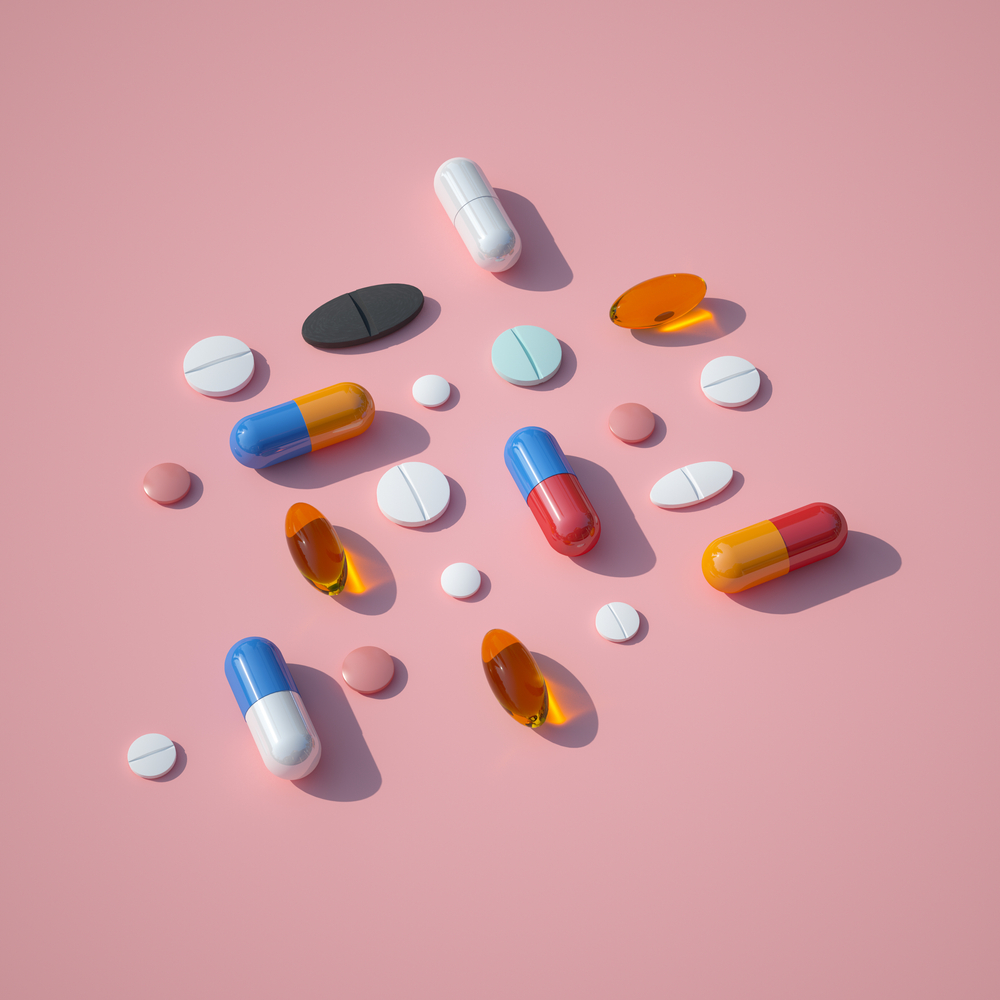
Counterfeit pills are one of the most alarming parts of the fentanyl crisis. These fake pills may be made to look like legitimate prescription medications. They can be sold or shared casually, making them seem safer than they are. But appearances are a terrible safety system. A pill can look official and still be dangerously fake.
For young people, this creates a perfect storm. Teens may hear about pills from friends, social media, group chats, or people they trust. The pill may be described as something for anxiety, focus, sleep, or pain. The problem is that a young person cannot confirm what is actually inside. In today’s drug supply, guessing is not just risky; it can be deadly.
This is why modern prevention has to move beyond old slogans. “Just say no” is simple, but it does not answer the real question many teens face: “What if my friend says this pill is safe?” The answer should be equally clear: if it did not come directly from a licensed pharmacy for you, with your name on the prescription, it is not safe to take.
Why Young People Are Especially Vulnerable
Fentanyl addiction and overdose risk affect people of all ages, but young people face unique pressures. Their brains are still developing, especially in areas related to decision-making, impulse control, emotional regulation, and risk assessment. That does not mean teens are careless. It means stress, curiosity, social pressure, and emotional pain can hit at a time when the brain is still building its “pause and think” department.
Stress, Anxiety, and the Search for Relief
Many young people are dealing with pressure from school, family expectations, social media, relationships, money worries, grief, bullying, or uncertainty about the future. Some are carrying mental health struggles quietly because they do not want to seem dramatic. Others have asked for help and were told to “just relax,” which is about as useful as telling a Wi-Fi router to believe in itself.
When emotional pain goes untreated, some teens may look for fast relief. That does not mean they are trying to become addicted. Often, they are trying to feel normal for a few hours. But opioids can train the brain to connect the substance with relief, comfort, or escape. Over time, the brain may begin demanding more of that relief, even when the person wants to stop.
The Role of Social Media and Digital Access
Today’s teens live in a world where almost everything can be arranged through a phone. That includes dangerous substances. Even when platforms remove illegal content, risky connections can still appear through coded language, private messages, or peer networks. Young people may not understand how often counterfeit pills are involved. They may believe they are making a controlled choice when they are actually stepping into a situation with unknown ingredients and unknown strength.
How Fentanyl Addiction Can Develop
Opioid addiction, also called opioid use disorder, can happen when repeated opioid exposure changes the brain’s reward and stress systems. A person may begin with occasional use and then feel cravings, withdrawal symptoms, or a growing need to use more often. With fentanyl, the process can be especially dangerous because of its potency and the speed at which dependence may develop.
Fentanyl addiction can affect mood, sleep, school performance, relationships, and physical health. A young person may become secretive, lose interest in activities, withdraw from friends or family, experience sudden mood changes, or struggle to keep up with daily responsibilities. These signs do not prove fentanyl use, but they are reasons to pay attention and start a calm conversation.
One of the biggest mistakes adults make is waiting for “obvious proof.” Addiction often grows in silence. By the time the signs are impossible to ignore, the young person may already feel trapped. Early support can make the difference between a difficult conversation and a full-blown crisis.
The Unseen Dangers Beyond Overdose
Overdose is the danger that receives the most attention, and for good reason. But fentanyl addiction carries other risks that can quietly damage a young person’s life long before an emergency happens.
Isolation and Shame
Many young people who struggle with substance use feel ashamed. They may believe they are disappointing their parents, losing control, or becoming someone they never wanted to be. Shame makes people hide. Hiding makes it harder to get help. The cycle can become exhausting.
Families should remember this: shame is not a treatment plan. It is a wall. Curiosity, compassion, and firm safety boundaries work better than panic or punishment. A teen who believes they will be heard is more likely to speak before a crisis.
Academic and Social Consequences
Fentanyl addiction can disrupt school attendance, concentration, motivation, and friendships. A student who once cared about grades may suddenly fall behind. A reliable friend may become distant. A young athlete may stop showing up. Adults often interpret these changes as laziness or attitude. Sometimes, they are signals of deeper distress.
Instead of opening with accusations, adults can ask specific, nonjudgmental questions: “I noticed you have not been yourself lately. Are you feeling overwhelmed?” or “You do not have to handle this alone. What has been hardest this week?” These questions create a door. Lectures often lock it.
Polysubstance Risk
Another danger is polysubstance use, which means more than one substance is involved. Fentanyl may appear alongside other drugs, and mixing substances can increase the risk of severe harm. Many young people do not intend to combine substances; they may not know fentanyl is present at all. This makes prevention messages about counterfeit pills and unknown substances especially important.
What Parents and Caregivers Should Watch For
No single sign confirms fentanyl addiction, but patterns matter. Parents and caregivers should pay attention to sudden changes in sleep, mood, friendships, appetite, hygiene, grades, money habits, or secrecy. Missing medications, unexplained packages, unusual drowsiness, or frequent disappearing acts may also be warning signs.
The goal is not to become a detective with a flashlight and dramatic background music. The goal is to stay connected enough to notice changes early. A home where young people can talk honestly is safer than a home where everyone pretends everything is fine until the roof is emotionally on fire.
How to Talk to Teens About Fentanyl Without Sounding Like a Panic Button
Talking about fentanyl can feel awkward, but silence is riskier. The best conversations are calm, specific, and repeated over time. One giant lecture rarely works. Small conversations do.
Start With Facts, Not Fear
Teens are more likely to listen when adults avoid exaggeration. Say what is true: fentanyl is powerful, counterfeit pills can look real, and a person cannot reliably know what is inside a pill or powder from the illegal market. Make the rule simple: never take a pill that was not prescribed to you and provided by a licensed pharmacy.
Ask What They Already Know
A useful opening is, “What have you heard about fentanyl at school or online?” This shows respect and gives adults a chance to correct misinformation. It also prevents the classic parent mistake of answering questions nobody asked while missing the one question that actually matters.
Create a No-Panic Call Policy
Every family should have a safety agreement: if a teen is in a dangerous situation, they can call for help without the first response being yelling. Consequences can be discussed later. Safety comes first. A scared teen who knows they can call home is safer than a scared teen who thinks home is not an option.
Naloxone: A Lifesaving Tool, Not a Permission Slip
Naloxone is a medication that can reverse an opioid overdose. It is available in forms designed for use by people without medical training, including nasal spray. Families, schools, sports programs, and community spaces increasingly recognize naloxone as an emergency tool, much like a fire extinguisher or an automated external defibrillator.
Carrying naloxone does not encourage drug use. It encourages survival. Nobody sees a seat belt and thinks, “Fantastic, now I can crash creatively.” A safety tool is not an invitation to danger; it is protection when danger happens anyway.
Teens, parents, and caregivers should know where naloxone is available in their community and how to use it in an emergency. If an overdose is suspected, emergency services should be contacted immediately. Naloxone can buy time, but medical care is still needed.
Treatment Works, But Access Matters
Fentanyl addiction is treatable. Evidence-based care may include counseling, family support, recovery planning, and medications for opioid use disorder. These treatments can reduce cravings, lower overdose risk, and help people rebuild stability.
Unfortunately, many young people face barriers to care. Some communities lack adolescent-focused treatment. Some families do not know where to start. Some teens fear judgment. Others worry they will be punished instead of helped. The result is that young people may stay silent even when they want support.
Healthcare providers, school counselors, and community organizations can play a major role by making help easier to find and less embarrassing to ask for. The message should be clear: needing treatment does not mean a young person has failed. It means they are dealing with a serious health condition that deserves serious support.
Schools and Communities Are on the Front Line
Schools cannot solve the fentanyl crisis alone, but they are essential partners. Effective prevention includes honest education about counterfeit pills, age-appropriate overdose awareness, mental health support, and access to trusted adults. Schools should avoid outdated scare tactics that make students roll their eyes so hard they can see yesterday.
Community programs can also help by offering parent education, youth mentoring, peer support, safe medication disposal, and naloxone training. Faith groups, sports leagues, libraries, clinics, and local nonprofits all have a role. The fentanyl crisis is too large for one institution, but not too large for a connected community.
Why Stigma Makes the Crisis Worse
Stigma tells young people, “If you are struggling, hide it.” Public health tells them, “If you are struggling, get help.” Only one of those messages saves lives.
When adults use words like “junkie” or treat addiction as a moral failure, young people learn that honesty is dangerous. They may avoid asking questions, avoid medical care, or avoid telling someone when a friend is in trouble. Stigma does not prevent addiction. It protects addiction by keeping it in the dark.
Better language matters. Say “a person with substance use disorder” instead of defining someone by the addiction. Say “treatment” instead of “punishment.” Say “recovery” because recovery is real. Words cannot fix everything, but they can open or close the door to help.
Practical Prevention Steps for Families
Families can reduce risk through connection, education, and preparation. Keep prescription medications secured. Dispose of unused medications safely. Talk openly about counterfeit pills. Know the signs of opioid overdose and keep naloxone available when possible. Build relationships with your teen’s friends and their parents. Stay curious about online activity without turning every conversation into a courtroom scene.
Most importantly, create a home culture where asking for help is normal. Teens should know they can talk about stress, anxiety, depression, peer pressure, and mistakes. A young person who feels emotionally connected is not immune to risk, but connection can be a powerful protective factor.
Experience-Based Lessons: What Families, Teens, and Communities Often Learn Too Late
Across communities affected by fentanyl, certain lessons appear again and again. These are not stories from one family or one town. They are common experiences shared by parents, teachers, counselors, doctors, and young people who have watched the crisis move from headlines into hallways, bedrooms, locker rooms, and group chats.
The first lesson is that danger often arrives quietly. Many families expect addiction to announce itself dramatically, but it may begin with small changes. A teen becomes more withdrawn. A student who used to laugh easily seems tired all the time. A bedroom door stays closed more often. A parent senses something is wrong but explains it away as normal teenage moodiness. Sometimes it is normal teenage moodiness. Sometimes it is not. The point is not to panic over every bad day. The point is to notice patterns and ask caring questions early.
The second lesson is that “good kids” are not magically protected. Fentanyl risk does not care about report cards, sports trophies, part-time jobs, college plans, or whether a teen says “thank you” at dinner. Young people from loving families can still feel pressure, curiosity, loneliness, or emotional pain. Parents sometimes miss warning signs because they think, “Not my child.” A safer sentence is, “My child deserves honest information and a plan.”
The third lesson is that teens often listen more than adults think, but they listen best when they are not being cornered. A lecture in the car after a bad news story may turn into background noise. A calm conversation while making dinner, walking the dog, or driving without direct eye contact can work better. Teens may act uninterested while storing every word. Yes, this is confusing. Teenagers are basically encrypted files with sneakers. Keep talking anyway.
The fourth lesson is that friends are often the first to know when something is wrong. Young people may tell peers before they tell adults. That makes peer education incredibly important. Teens should know that getting help for a friend is not betrayal. It is protection. They should know that if someone might be in medical danger, calling emergency services is the right move. Friendship is not proven by keeping secrets that could cost a life.
The fifth lesson is that families need scripts before a crisis. In an emergency, people forget perfect speeches. A simple plan helps: call emergency services, use naloxone if available, stay with the person, and get adult help immediately. Families should also have a non-emergency script: “If you ever take something or feel unsafe, call me. I may be upset, but I will come get you. Your safety comes first.” A teen who has heard that sentence before may remember it when it matters most.
The sixth lesson is that recovery is rarely a straight line. Some young people need more than one attempt at treatment. Some need therapy for anxiety, depression, trauma, or grief alongside addiction care. Some need medication-based treatment, family counseling, academic support, and a new environment. Relapse can happen, but it does not mean recovery has failed. It means the plan needs adjustment, support, and persistence.
The seventh lesson is that hope must be practical. Hope is not pretending fentanyl is less dangerous than it is. Hope is keeping naloxone available. Hope is teaching teens about counterfeit pills. Hope is asking schools for better prevention programs. Hope is pushing communities to expand treatment access. Hope is telling young people, “You are not disposable. You are not your worst decision. Help exists, and we will fight for you.”
Families affected by fentanyl often say they wish they had talked earlier, asked more direct questions, or known that fake pills could look so real. Those lessons are painful, but they can protect others. The goal is not to make every parent suspicious or every teen afraid of the world. The goal is to replace silence with knowledge, panic with preparation, and stigma with support.
Conclusion: Protecting Young Lives Starts With Honest Attention
Fentanyl addiction is one of the most urgent threats facing young people today, not because teens are reckless, but because the drug supply has changed in a way that makes mistakes far more dangerous. Counterfeit pills, hidden fentanyl, untreated stress, stigma, and limited treatment access all contribute to the crisis.
But this story is not only about danger. It is also about prevention, courage, and connection. Parents can talk earlier. Schools can teach better. Communities can carry naloxone. Healthcare providers can expand treatment. Teens can look out for one another and ask for help without shame.
Young lives are at risk, but they are not beyond saving. The unseen dangers of fentanyl addiction become less powerful when families and communities are willing to see them clearly, speak about them honestly, and respond with compassion that is strong enough to act.











