
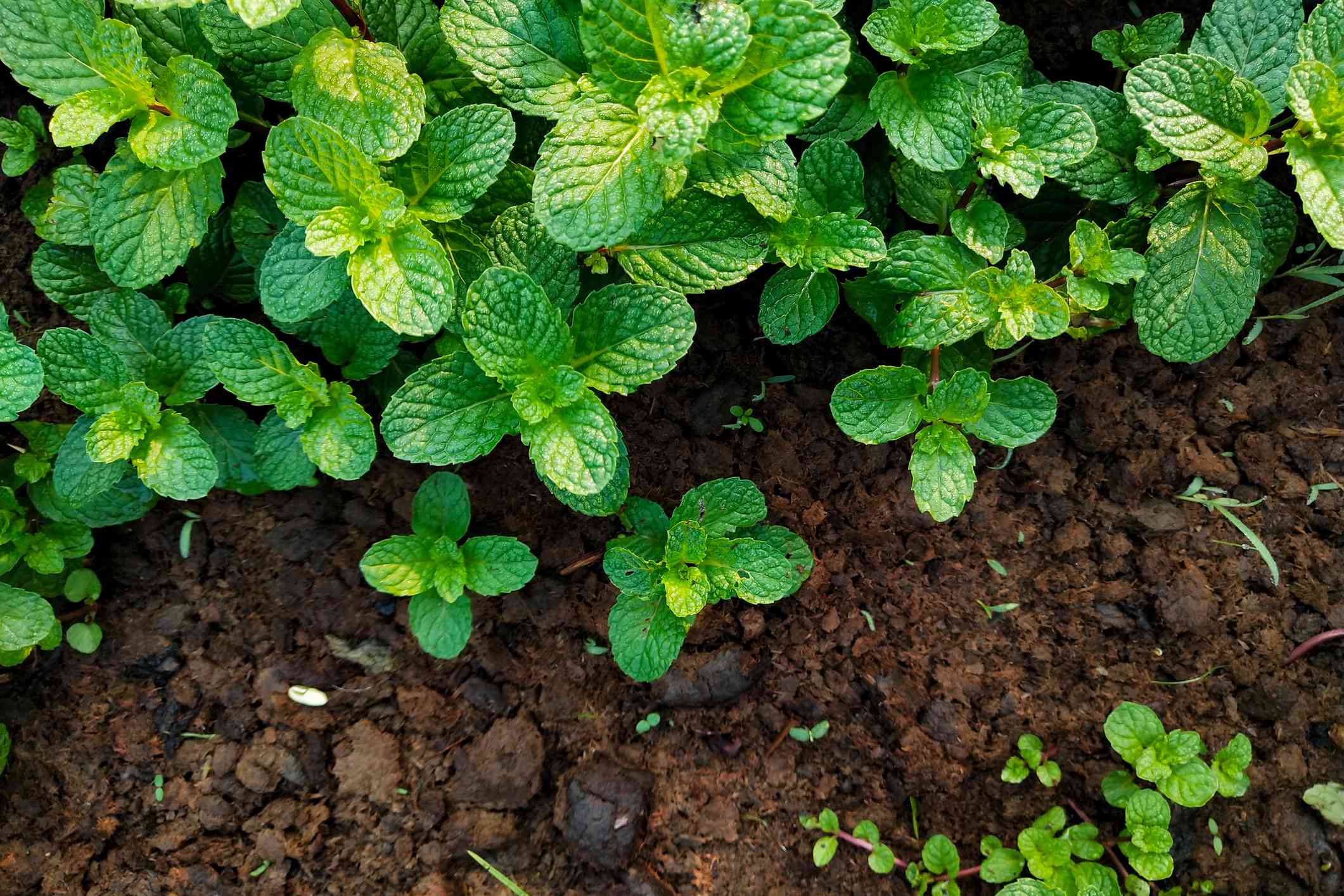
Mint sounds like the perfect garden plant: it smells amazing, it makes your iced tea taste like summer,
and it’s basically the only herb that will survive even if you forget it exists for a week.
So why do so many experienced gardeners flinch when someone says, “I’m thinking of planting mint in my garden bed”?
Because mint is the friend who helps you move… and then never leaves your couch. It’s vigorous, persistent,
and wildly talented at spreading. That doesn’t mean mint is “bad.” It means mint is a plant with main-character
energybest enjoyed with boundaries.
Mint’s Superpower: It Spreads Underground (Quietly… Then Suddenly Everywhere)
Mint (most plants in the Mentha genus) doesn’t just grow upward like basil. It also grows outward through
underground stems called rhizomes (and sometimes above-ground runners, depending on the type and conditions).
Those rhizomes creep through soil like a living subway systempopping up new shoots in spots you never approved.
The tricky part: you usually don’t see the takeover happening until it’s already underway. One day you have
a tidy herb corner. A few weeks later, your mint is introducing itself to your strawberries.
By midsummer, it’s asking your tomatoes for rent.
“But I’ll just pull it up if it spreads.”
That’s the optimistic plan. In reality, mint can regrow from small pieces left behind in the soil.
If you tug up the top growth but miss bits of rhizome, the plant treats that like a haircut and keeps going.
Mint Doesn’t Share Space Nicely
Garden beds are competitive environments. Plants battle for sunlight, water, and nutrients. Mint is not the
delicate wallflower in that scenario. Once established, it can form dense patches that shade smaller neighbors,
drink up moisture, and crowd out slower-growing plantsespecially other herbs and low growers.
This is why gardeners often say mint is fine in theory, but a menace in a mixed bed. It’s not that mint is evil.
It’s that mint is effective.
It’s Hard to Evict Once It Moves In
Many “aggressive” plants are frustrating because they reproduce fast. Mint is frustrating because it does that
and it’s tough to remove completely. Rhizome-based spread can be especially annoying: dig a little,
break a runner into pieces, and each piece may have the potential to restart.
Gardeners who have battled mint often describe a multi-season process:
- Digging repeatedly to chase down runners
- Monitoring for new shoots that pop up a foot (or more) away
- Removing pulled plant material so it can’t reroot elsewhere
- Staying consistentbecause mint is extremely patient
In other words: if you like your weekends, you may want to keep mint out of the ground.
“I’ll Use a Barrier.” Barriers Help… Until They Don’t
Some gardeners try to contain mint with buried edging or root barriers. This can slow it down, but it’s not foolproof.
Rhizomes may slip under, sneak through gaps, or eventually find the weak point (because plants don’t follow rules).
Even deep barriers can fail over timeespecially if the mint is happy and the soil is easy to travel through.
That’s why many extension services and experienced gardeners recommend containers as the most reliable containment method.
Raised Beds Aren’t a Magic Force Field Either
A raised bed can feel like a “contained” space, but mint can still expand across it and choke out other plants inside.
And if the bed touches the ground directly, runners can sometimes find escape routes at corners, seams, or where soil meets wood.
If you’ve ever seen mint show up in a lawn next to an herb bed, you already know: mint doesn’t respect property lines.
Different Mints Can Turn Into a Flavor Identity Crisis
Many gardeners grow multiple mint varietiespeppermint, spearmint, chocolate mint, apple mint, pineapple mintbecause,
honestly, mint flavors are fun. The problem is that mint spreads and mingles. Even if different types don’t cross in a dramatic
botanical soap opera in your yard, they can still physically mix as they expand.
That can lead to harvesting surprises. You plant spearmint for mojitos, but after a season or two your “spearmint patch”
is a confusing mint medley. Great for mystery tea. Less great for recipes that want a specific flavor.
Mint Can Invite Pests and Diseases When It Gets Too Dense
Mint is hardy, but a thick, crowded mint patch can reduce airflowespecially if it’s watered overhead or left untrimmed.
Dense foliage can make it easier for common issues to show up, including:
- Mint rust (a leaf disease that can spread in favorable conditions)
- Aphids and spider mites (more likely when plants are stressed)
- General decline in older, overgrown stands
The good news: good garden hygiene helps. Water at the base, avoid soaking leaves late in the day,
and thin/harvest regularly so plants stay vigorous instead of becoming a tangled mint jungle.
It Can Escape Into Places You Didn’t Mean to Plant Anything
The biggest reason gardeners warn against planting mint in the ground is simple: mint can travel. Once it’s in open soil,
it may move into nearby beds, under fences, along walkways, or into the lawn. If you compost mint runners carelessly,
you might even “replant” mint in the compost pile (which is… not the most relaxing surprise).
Responsible gardening means thinking beyond your own bed edges. If you’re near natural areas, waterways, or shared spaces,
containment becomes even more important.
So… Should You Grow Mint at Home at All?
Yesjust don’t treat it like a polite little basil plant. Treat it like the energetic, overachieving spreader that it is.
If you want mint for cooking, drinks, tea, or fragrance, you can absolutely enjoy it with a few smart choices.
How to Grow Mint Without Regrets
Option 1: The “Just Put It in a Pot” Method (Most Recommended)
Growing mint in a container is the easiest way to get the benefits without the bed takeover.
A few practical tips that gardeners swear by:
- Go bigger than you think. A pot around 10–16 inches wide gives roots room without inviting chaos.
- Use a pot with drainage. Mint likes consistent moisture, not swamp conditions.
- Keep it off bare soil. If a pot sits directly on the ground, mint may try to sneak out through drainage holes.
Use a saucer, paver, or stand as a “no tunneling” zone. - Harvest often. Regular cutting keeps it bushy, productive, and less likely to get scraggly.
Option 2: The “Buried Container” Method (For a Ground-Look Without the Ground-Spread)
If you love the look of mint in a bed, you can sink a container into the soil for a more natural appearance.
Done correctly, it’s a strong compromise. Key details:
- Use a container deep enough to block runners. Many gardeners aim for a pot that sits roughly 10–15 inches below the soil line.
- Leave a lip above the soil. Even 1–4 inches above the surface can discourage stems from rooting as they flop outward.
- Trim anything that spills over. If stems touch soil outside the container, they may root and restart the spread.
Option 3: A Dedicated Mint Zone (Only If You’re Truly Prepared)
Some gardeners intentionally give mint its own spacefar from other bedswith aggressive monitoring.
If you do this, treat it like a “contained colony,” not a casual planting. Plan to:
- Maintain a plant-free buffer zone around it
- Dig out runners multiple times during the growing season
- Watch edges like a hawk (a very leafy, mint-scented hawk)
What to Grow Instead (If You Want the Minty Vibe Without the Mint Drama)
If your goal is fragrance, pollinators, or a refreshing herbal taste, you have options.
Here are a few garden favorites that can scratch the itchsometimes more politely:
Mountain mint (Pycnanthemum)
Despite the name, mountain mint isn’t “true mint” in the kitchen sense, but it has that minty aroma
and is famous for attracting pollinators and beneficial insects. Some types can spread, but many gardeners
find it easier to manage than culinary mint when planted thoughtfully.
Catmint (Nepeta)
Different plant, similar “fresh” vibe, and often a calmer growth habit. Great for edging and pollinator gardens.
Plus it doesn’t usually try to annex your tomatoes.
Lemon balm (Melissa officinalis)
Lemon balm is also in the mint family and can spread (often by self-seeding), so it still needs boundaries.
But if you keep it trimmed and prevent it from setting seed, some gardeners find it more manageable.
Conclusion: Mint Isn’t the ProblemUncontained Mint Is
Gardeners don’t warn you about mint because it’s useless. They warn you because it’s too good at surviving and spreading.
In open soil, mint can crowd out other plants, creep under barriers, and turn “one little herb” into a long-term garden project.
The smart move is simple: grow mint in a container (or a carefully designed containment setup),
harvest it often, and enjoy it where it belongsflavoring your food, not conquering your flower beds.
Your future self will thank you. Probably with a mint julep.
Gardeners’ Experiences: Real-World Mint Lessons (About )
If you hang around gardeners long enough, you’ll hear mint stories told the way people talk about a “harmless”
decision that spiraledlike adopting a “tiny” puppy that becomes a 90-pound lap dog.
Mint stories usually start with excitement and end with someone holding a shovel and muttering, “Never again.”
One common experience: the Mint Surprise Pop-Up. A gardener plants mint at the corner of a raised bed,
thinking the wooden sides will keep it in line. It behaves for a bitthen midsummer arrives, and mint shoots appear
on the opposite end of the bed like they took a secret tunnel. The gardener pulls a few stems, feels proud,
and then realizes the patch is expanding under the soil like it’s planning a sequel.
Another classic: the Strawberry Patch Invasion. Strawberries spread too, but they do it with runners you can see,
which feels fair. Mint spreads with underground rhizomes, which feels like cheating. Gardeners report noticing their strawberry plants
getting less vigorous, only to discover mint stems weaving up through the leaves. By the time the mint is visible,
it’s already entangled. The lesson tends to be: “If you want mint near fruit, keep it in a pot on the patio.”
Then there’s the “I’ll Just Dig It Out” Weekendwhich turns into the “I’m Still Digging It Out”
season. People often describe removing mint as a process of chasing thin, pale runners through the soil,
snapping them accidentally, and realizing every snapped piece might come back. The most successful stories usually involve
repeated digging over time, plus removing every scrap of mint plant material from the garden area so it can’t reroot.
Persistence worksbut it’s not anyone’s favorite hobby.
Many gardeners also share the Container Escape story. They do the right thing and pot the mint
but the pot sits directly on soil, or the drainage hole touches the ground. Later, they notice mint growing outside the pot.
The plant found the exit and took it. After that, seasoned growers put mint containers on pavers, stands, or saucers,
creating a small “no contact with soil” rule that saves a lot of trouble.
Finally, there’s the Flavor Mix-Up. Someone grows chocolate mint, spearmint, and peppermint in the same bed
because it sounds like an herbal dessert buffet. Two seasons later, harvesting becomes a guessing game.
The plants have spread and mingled, and the gardener can’t easily tell what’s whatespecially after mowing, trimming,
or a hard winter dieback. The takeaway: if you love specific mint flavors, keep varieties in separate pots,
label them, and divide them occasionally.
Across all these experiences, the theme is consistent: mint is wonderful when contained and annoying when it’s not.
Gardeners don’t dislike mint. They dislike surprise mint.













