
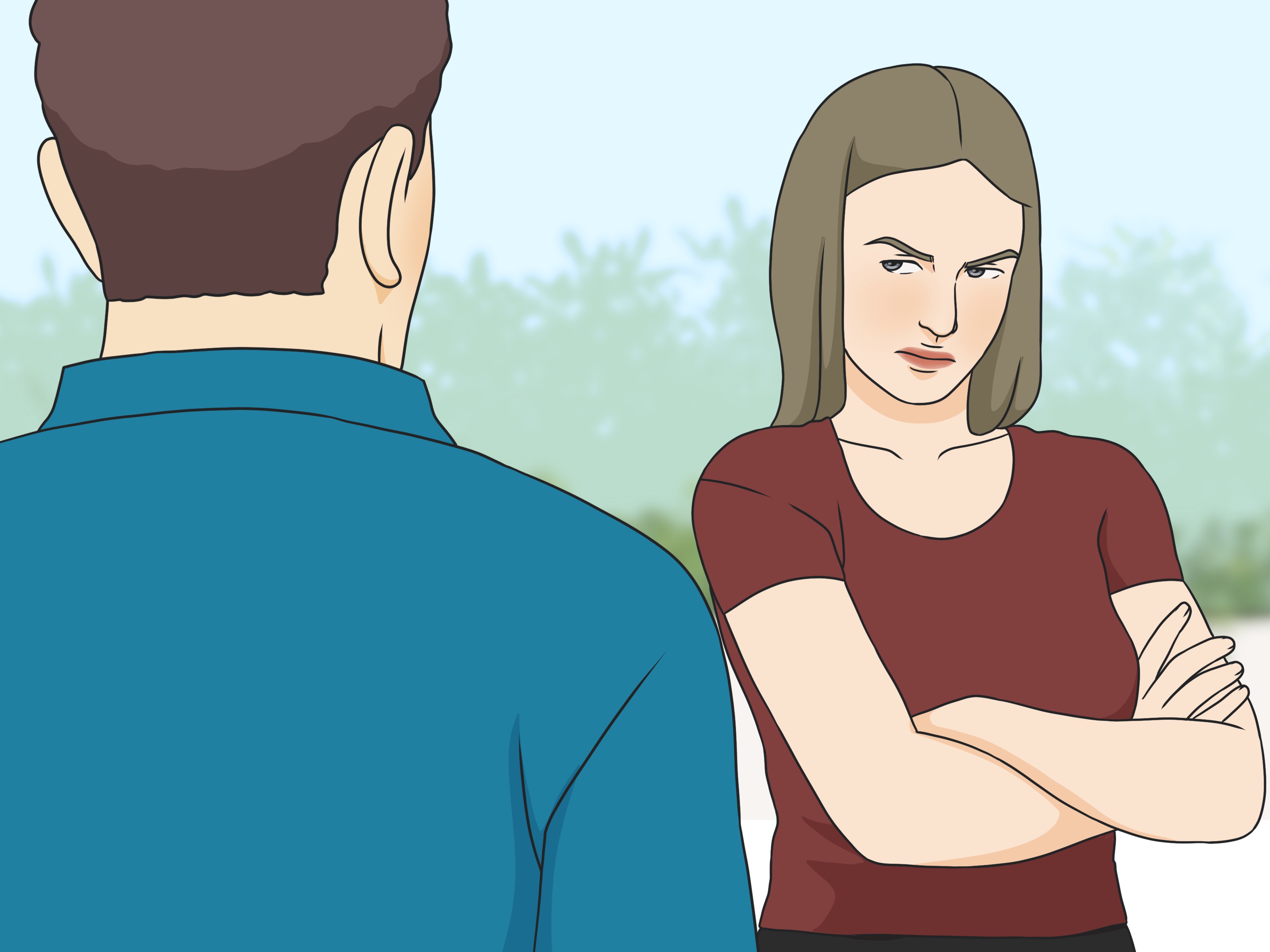
People use the phrase “dead eyes look” to describe a gaze that seems blank, distant, exhausted, emotionless, or oddly disconnected. It is the kind of expression that makes someone say, “They were physically in the room, but their eyes had already clocked out.”
Despite the dramatic name, “dead eyes” is not a medical diagnosis, a personality test, or a reliable sign that someone is dangerous, dishonest, depressed, or secretly plotting to replace you with a robot. It is a subjective social impression. A person may look emotionally absent for dozens of reasons, ranging from poor sleep and dry eyes to stress, grief, trauma, medication effects, concentration, natural facial features, or simply bad lighting.
That matters because humans are excellent at reading facesand sometimes spectacularly bad at interpreting them. We notice tiny changes in eyelids, pupils, blinking, facial tension, posture, and eye contact. Then our brains enthusiastically write a story around those clues, often with very little evidence.
So, what does the “dead eyes look” really mean? Usually, it means that someone appears less emotionally expressive or less visually engaged than we expect. The reason behind that appearance may be simple, temporary, deeply personal, or unrelated to mood altogether.
What Does the “Dead Eyes Look” Usually Describe?
When people describe “dead eyes,” they are generally reacting to a combination of visible cues rather than one magical, spooky eye feature. These cues may include:
- Reduced blinking or unusually slow blinking
- Heavy, drooping, puffy, red, or dry-looking eyelids
- A fixed stare that does not shift naturally during conversation
- Little movement in the eyebrows, cheeks, or mouth
- Dark circles, dull skin, or an overall tired appearance
- A gaze that seems unfocused, distant, or directed “through” someone
- Minimal emotional reaction while discussing something important
None of these signs can tell you exactly what a person feels. Someone may look blank because they are overwhelmed. Someone else may look intensely focused because they are trying to remember what they were supposed to buy at the grocery store. Another person may simply have a naturally neutral resting expression that gets unfairly cast as “mysterious villain in episode three.”
Why Our Brains Read So Much Into Eyes
Eyes are one of the first places people look when interpreting emotion. We use them to judge attention, trust, fear, fatigue, warmth, boredom, interest, and social connection. Because the eye area carries so much meaning, even small changes can feel huge.
But facial expression is not a perfect emotional subtitle track. Context matters. A person’s culture, personality, communication style, neurodiversity, upbringing, stress level, camera angle, and comfort with eye contact can all change how their gaze is perceived.
A still photo makes this problem worse. In real life, a face moves. It blinks, shifts, responds, and changes every few seconds. A photograph catches one frozen fraction of a second, which can make even a cheerful person look like they just received a mysterious email from accounting.
The Camera Can Create a “Dead Eyes” Effect
Photography and video can flatten facial warmth. Harsh overhead lighting may deepen under-eye shadows. A wide-angle lens can distort proportions. A flash can make pupils appear unusually small. A person looking slightly away from the lens may seem detached, even when they were laughing one second earlier.
Social media also encourages extreme interpretation. One screenshot becomes “proof” that a celebrity is miserable, a coworker is manipulative, or a stranger is emotionally empty. In reality, the person may have been mid-blink, tired, anxious, or just wondering whether they left the oven on.
Common Physical Reasons Someone May Look Empty or Exhausted
1. Lack of Sleep
Sleep deprivation is one of the most common explanations for tired, glazed, or “lifeless” eyes. When people do not sleep enough, they may develop heavier eyelids, redder eyes, puffiness, darker under-eye circles, paler skin, and a generally fatigued expression. Those visible changes can make a person seem less alert, less approachable, or emotionally flat.
Adults generally need at least seven hours of sleep per night, although individual needs vary. A single rough night can show on the face. Several poor nights in a row can make someone look like they have been negotiating with a haunted spreadsheet since Tuesday.
2. Dry Eyes and Digital Eye Strain
Long stretches of screen time can make eyes feel dry, irritated, blurry, heavy, or difficult to keep open. People often blink less when staring at phones, laptops, gaming screens, or spreadsheets that somehow contain 47 tabs.
Dry eye symptoms can include burning, stinging, redness, blurred vision, sensitivity to light, and a gritty feeling. When eyes are uncomfortable, a person may squint, avoid eye contact, stare less naturally, or look drained. That can be misread as emotional withdrawal when the real problem is that their eyeballs are filing a workplace complaint.
3. Allergies, Illness, and Eye Irritation
Seasonal allergies, colds, dehydration, contact lens irritation, poor air quality, and eye inflammation can all make eyes look dull or bloodshot. Even a mild headache or sinus pressure can cause someone to appear less expressive and more distant.
Physical discomfort changes body language. When someone is managing pain, nausea, fatigue, or light sensitivity, they may not have much energy left for animated facial expressions.
4. Medication or Substance Effects
Some prescription medications, over-the-counter drugs, alcohol, and other substances can cause drowsiness, dry eyes, blurred vision, reduced alertness, or changes in facial expression. That does not mean a blank gaze proves that someone is using anything. It simply means that appearance alone is not enough to explain what is happening.
If a new medication seems to cause troubling eye symptoms, severe drowsiness, mood changes, or vision problems, the safest move is to speak with a healthcare professional rather than stopping it suddenly.
Emotional and Psychological Reasons People May Seem Distant
Stress, Burnout, and Emotional Overload
Chronic stress can make people look worn down and less emotionally responsive. When the brain is juggling work pressure, financial worries, caregiving, conflict, grief, or nonstop bad news, the face may become quieter. A person may not be uncaring; they may simply be operating with very little emotional battery left.
Burnout often includes exhaustion, reduced motivation, irritability, difficulty concentrating, and a sense of detachment from daily life. Someone may continue showing up, answering messages, and functioning on the surface while feeling internally depleted. Their eyes can look flat because their entire system is running on emergency power mode.
Depression and Emotional Blunting
Depression can involve persistent sadness, low energy, trouble sleeping, reduced interest in usual activities, difficulty concentrating, hopelessness, and social withdrawal. Some people describe feeling numb rather than sad. Others may still feel emotions internally but have less facial expression, less eye contact, or less energy to show it.
However, not everyone with depression looks visibly depressed. Some people smile, work, socialize, and make jokes while struggling privately. Others may appear serious or quiet without having depression at all. A facial expression is not a diagnostic tool.
Trauma, Dissociation, and Feeling Disconnected
After overwhelming stress or trauma, some people experience emotional numbness, detachment, or a sense of being disconnected from themselves or their surroundings. Dissociation can feel like being on autopilot, watching life from far away, or moving through a fog.
During those moments, a person may seem absent, stare into space, respond slowly, or have difficulty making eye contact. That does not mean they are cold or uninterested. It can be a protective response from a nervous system trying to manage more than it can comfortably process.
Grief, Shock, and Major Life Changes
Grief does not always look like crying. Sometimes it looks like silence. Someone dealing with a death, breakup, illness, job loss, divorce, financial crisis, or difficult diagnosis may appear calm on the outside because they are still trying to understand what happened.
Shock can make emotions temporarily feel muted. The person may look blank because their mind has not yet caught up with reality. In these moments, asking “Are you okay?” can be more useful than deciding what their eyes mean.
What the “Dead Eyes Look” Does Not Prove
It is tempting to treat facial expressions like evidence in a true-crime documentary. But an emotionally flat gaze does not prove that someone is lying, lacks empathy, has a personality disorder, is “soulless,” or is dangerous.
It also does not prove someone has a mental health condition. Many people naturally make limited eye contact, have quieter facial expressions, feel uncomfortable around cameras, process information internally, or become less expressive under stress.
Labeling someone based on their appearance can be harmful, especially when it turns a temporary expression into a story about their character. The better question is not, “Why do they look dead inside?” It is, “What else could be going on here?”
How to Respond When Someone Looks Emotionally Checked Out
If you are concerned about a friend, partner, coworker, or family member, approach them with curiosity instead of accusation. Avoid saying, “Your eyes look dead,” unless your goal is to make the conversation end at Olympic speed.
Try something gentler:
- “You seem a little quieter than usual. How are you doing?”
- “You look tired. Have you been getting enough rest?”
- “I have noticed you seem stressed lately. Want to talk?”
- “No pressure to explain, but I am here if you need support.”
Give them room to answer honestly. They may say they are fine, and that may be true. They may say they are overwhelmed, exhausted, grieving, anxious, or dealing with eye discomfort. The goal is not to solve them like a puzzle. The goal is to make connection easier.
When “Tired Eyes” Might Need Medical Attention
A tired or blank-looking expression is usually not an emergency. But eye symptoms should not be ignored when they are sudden, painful, severe, or accompanied by vision changes.
Seek prompt medical attention for symptoms such as sudden vision loss, new double vision, severe eye pain, a painful red eye, flashes of light, a sudden increase in floaters, a curtain-like shadow over vision, unequal pupils, or confusion with new neurological symptoms.
For ongoing dry, red, blurry, painful, or irritated eyes, schedule an eye exam. Eye strain and dry eye are common, but persistent symptoms deserve proper evaluation.
How to Look and Feel More Present
If you feel that your own eyes look flat, tired, or disconnected, begin with the basics. Sleep, hydration, regular meals, movement, daylight, screen breaks, and stress recovery are not glamorous solutions, but they are powerful ones. Your nervous system is less likely to sparkle when it has been treated like a borrowed rental car.
Try taking regular breaks from screens, blinking deliberately when your eyes feel dry, adjusting harsh lighting, and getting an eye exam if discomfort continues. If emotional numbness, low mood, detachment, anxiety, or exhaustion lasts more than a couple of weeks or interferes with daily life, consider speaking with a licensed mental health professional.
Most importantly, treat yourself with the same generosity you would offer a friend. A tired face is not a moral failure. It may simply be a message from your body or mind that something needs care.
Experiences People Commonly Describe When They Feel They Have “Dead Eyes”
Many people first notice the so-called “dead eyes look” in photographs. They see themselves at a birthday dinner, a work event, or a family gathering and think, “Why do I look like I am mentally buffering?” Often, the photo captured a moment of fatigue rather than a permanent emotional state. Maybe they had slept badly, driven for hours, spent all day pretending to enjoy networking, or stared at a phone before the picture was taken. A camera can turn one neutral second into an entire personality diagnosis.
Others notice it during burnout. They may still perform well at work, answer emails, make dinner, pay bills, and laugh at a funny video. Yet they feel detached from their own routine. They describe moving through the day on autopilot: coffee, commute, meetings, errands, sleep, repeat. Their eyes may seem flat in the mirror because they are not feeling fully connected to the moment. This can be especially common during long periods of responsibility without enough rest, support, or recovery.
Some people associate the look with grief. After a major loss, they may feel as though the world has become quieter and farther away. Friends might tell them they seem “not themselves,” but grief does not follow a neat script. One person cries constantly. Another becomes busy. Another sits silently at dinner and stares at a wall because their mind is trying to absorb a reality it never wanted.
There are also people who look distant when they are actually concentrating hard. A student taking an exam, a parent listening for a baby monitor, a driver navigating unfamiliar streets, or an artist focused on a complicated project may have a still, serious gaze. The outside expression looks empty, but the internal world is busy. Sometimes the “dead eyes look” is really just “please do not interrupt; I am calculating whether I remembered to lock the front door.”
People with chronic dry eye, allergies, migraines, contact lens discomfort, or long screen-heavy workdays may also recognize the experience. Their eyes feel irritated or heavy, so they blink less naturally, squint, stare, or avoid bright rooms. Coworkers may assume they are bored or upset when they are actually trying not to rub their eyes for the fiftieth time that afternoon.
In relationships, this phrase can become especially painful. Someone may say, “You have dead eyes when we talk,” when what they really mean is, “I do not feel connected to you lately.” That is an important distinction. The first statement judges appearance. The second invites a real conversation about stress, unmet needs, resentment, depression, exhaustion, or emotional distance.
The healthiest response is usually curiosity. Ask what has changed. Listen without rushing to name the problem. Look for patterns over time rather than judging one expression, one video, or one awkward family photo. Human faces are complicated, and the eyes are not tiny windows that reveal every secret. Sometimes they show fatigue. Sometimes they show pain. Sometimes they show concentration. Sometimes they just show that someone needs water, sleep, and approximately three fewer group chats.
Note: This article is for educational purposes only and should not be used to diagnose a mental health condition, eye disease, or another medical issue based on someone’s appearance.











