
Note: This article is for educational purposes only and should not replace medical advice from a qualified healthcare professional.
Osteopenia sounds like the kind of word a doctor says while pointing at a chart and hoping everyone in the room has taken Latin. But the idea is actually simple: osteopenia means your bones have lower mineral density than expected, but not low enough to be classified as osteoporosis. Think of it as a yellow traffic light for bone health. It is not a red light, but it is definitely not the moment to close your eyes and hit the gas.
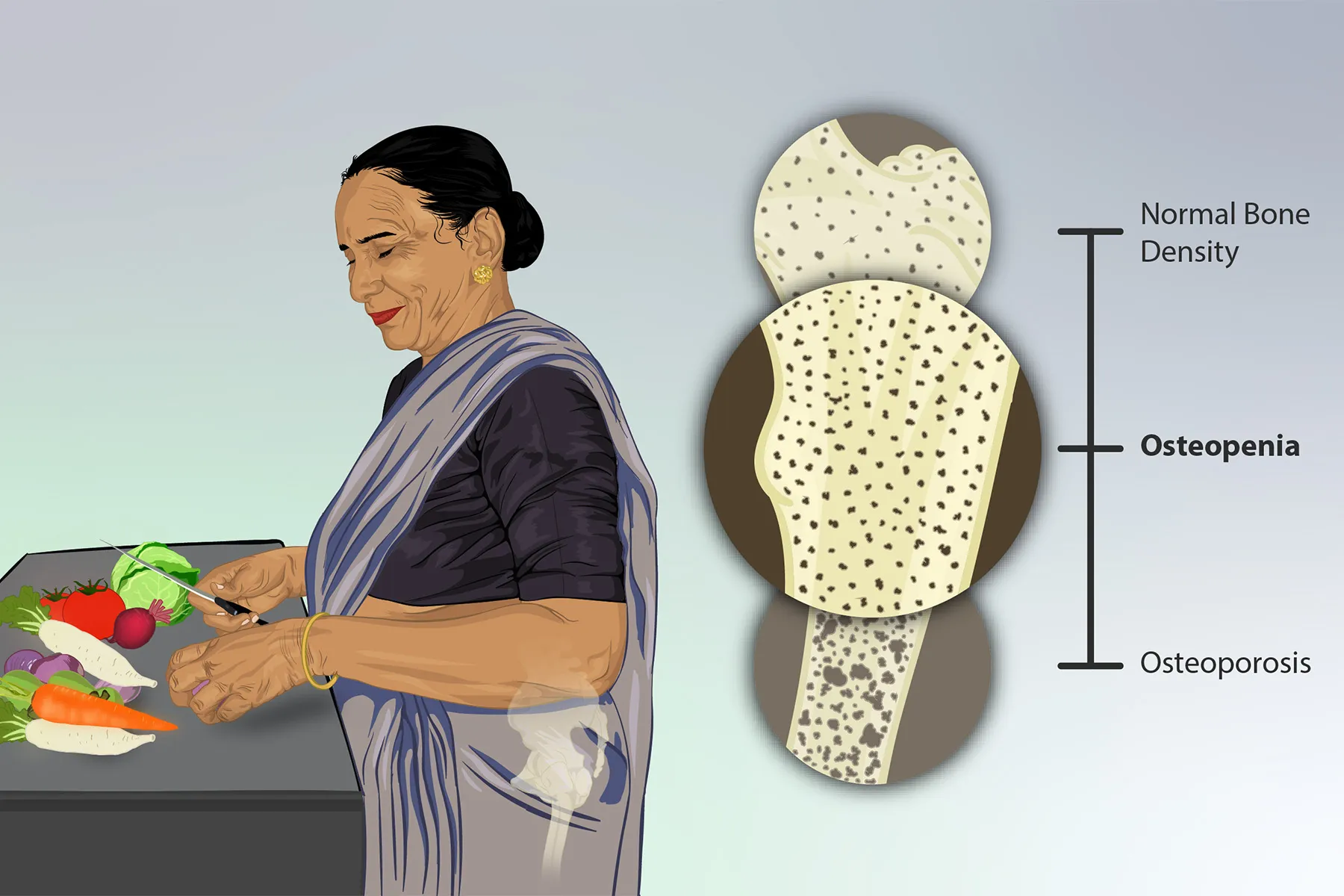
The important thing to know is that osteopenia and osteoporosis are related, but they are not the same. Both involve reduced bone density, both can raise fracture risk, and both are commonly detected with a bone density test. The difference is mainly severity. Osteopenia is mild to moderate bone loss. Osteoporosis is more advanced bone loss that makes bones more fragile and more likely to break.
Because bones do not send dramatic warning emails when they are losing strength, many people discover osteopenia only after a routine screening or after a healthcare provider orders a DXA scan. There may be no pain, no visible change, and no obvious symptom. Your bones can be quietly remodeling in the background like a construction crew working the night shift.
What Is Osteopenia?
Osteopenia is a condition of low bone mineral density. Bone mineral density refers to how much mineral content, mainly calcium and phosphorus, is packed into bone tissue. When density drops, bones may become weaker than normal. However, with osteopenia, the bone loss has not reached the diagnostic threshold for osteoporosis.
That distinction matters. Osteopenia does not automatically mean a person will develop osteoporosis. Some people remain stable for years, especially when they improve nutrition, exercise, balance, and fall prevention. Others may lose more bone over time, particularly if they have risk factors such as aging, menopause, long-term steroid use, smoking, low body weight, certain medical conditions, or a family history of fractures.
Is osteopenia a disease?
Many clinicians describe osteopenia as a risk category rather than a disease by itself. It tells you that your bones are less dense than ideal, but it does not tell the whole story. A person with osteopenia and several fracture risk factors may need more attention than someone with the same T-score but excellent balance, strong muscles, no prior fractures, and healthy lifestyle habits.
In plain English: osteopenia is a clue, not the entire mystery novel.
What Is Osteoporosis?
Osteoporosis is a more serious form of bone weakening. In osteoporosis, bones become porous, fragile, and more likely to break from a fall, bump, or sometimes even a movement that would not normally cause injury. Common fracture sites include the hip, spine, and wrist, although other bones can also be affected.
The tricky part is that osteoporosis is often called a “silent disease” because it may not cause symptoms until a fracture occurs. A person might feel perfectly fine, carry groceries, walk the dog, argue with a stubborn jar lid, and still have low bone strength. That is why screening and risk assessment are so important, especially for older adults and people with known risk factors.
Why osteoporosis matters
Fractures are not small inconveniences. Hip fractures can affect mobility and independence. Spinal compression fractures can lead to back pain, height loss, or changes in posture. Wrist fractures can disrupt work, hobbies, and daily routines. The goal of identifying osteopenia early is to reduce the chance of getting to that point.
Osteopenia vs. Osteoporosis: The Main Difference
The biggest difference between osteopenia and osteoporosis is the amount of bone loss measured by a bone density test. Osteopenia means bone density is below normal but not severely low. Osteoporosis means bone density has dropped further and fracture risk is higher.
The role of the T-score
A DXA scan, also called a DEXA scan, measures bone mineral density, commonly at the hip and spine. The result is often reported as a T-score. A T-score compares your bone density with that of a healthy young adult.
- Normal bone density: T-score of -1.0 or higher
- Osteopenia: T-score between -1.0 and -2.5
- Osteoporosis: T-score of -2.5 or lower
Here is a simple way to picture it. If normal bone density is a strong wooden bookshelf, osteopenia is the shelf starting to sag a little under too many books. Osteoporosis is when the shelf is weak enough that you stop trusting it with the heavy encyclopedia set. Yes, encyclopedias still exist in metaphors.
A T-score is important, but it is not everything
A T-score helps classify bone density, but doctors also consider age, previous fractures, medications, medical history, fall risk, and family history. This is why two people with the same osteopenia score may receive different recommendations. One may be advised to focus on lifestyle changes and monitoring. Another may need medication because their overall fracture risk is higher.
Symptoms: Can You Feel Osteopenia?
Usually, no. Osteopenia typically does not cause symptoms. There is no special ache that says, “Hello, your femur would like to discuss mineral density.” Most people feel completely normal.
Osteoporosis can also be symptom-free until a fracture happens. Some people may notice height loss, stooped posture, or back pain if spinal compression fractures occur, but these signs usually appear after bone weakness has already become more serious.
What Causes Osteopenia?
Bone is living tissue. It is constantly being broken down and rebuilt. During youth, the body generally builds bone faster than it loses it. Peak bone mass is usually reached in early adulthood. After that, bone remodeling continues, but bone loss can gradually outpace bone formation, especially with age.
Common risk factors
- Aging: Bone density naturally tends to decline over time.
- Menopause: Lower estrogen levels can speed bone loss.
- Family history: Having a parent with osteoporosis or hip fracture can increase risk.
- Low body weight: People with smaller body frames may have less bone mass to draw from.
- Smoking: Tobacco use is linked with poorer bone health.
- Heavy alcohol use: Too much alcohol can interfere with bone formation and balance.
- Long-term corticosteroid use: Medications such as prednisone can reduce bone density when used for extended periods.
- Certain health conditions: Rheumatoid arthritis, thyroid disorders, celiac disease, kidney disease, and some digestive disorders may affect bone strength.
- Low calcium, vitamin D, or protein intake: Bones need building materials, not just motivational quotes.
How Osteopenia Is Diagnosed
The most common test is a DXA scan. It is quick, noninvasive, and uses a low amount of radiation. The test usually focuses on the hip and spine because fractures in these areas can have serious consequences.
Who should consider screening?
Screening recommendations vary by individual risk, but many U.S. guidelines support bone density screening for women age 65 and older. Postmenopausal women younger than 65 may also be screened if they have risk factors. Men may be screened based on age, medical history, medications, or fracture risk, even though evidence and guideline wording can differ by organization.
If you have had a low-trauma fracture, long-term steroid use, early menopause, unexplained height loss, or a strong family history of osteoporosis, it is worth asking a healthcare provider whether bone density testing makes sense.
What Is FRAX and Why Does It Matter?
FRAX is a fracture risk assessment tool. It estimates a person’s 10-year probability of hip fracture and major osteoporotic fracture. It can use bone density information along with clinical risk factors such as age, sex, weight, smoking, alcohol use, prior fractures, family history, rheumatoid arthritis, and glucocorticoid use.
This matters because osteopenia is a middle zone. A T-score alone may not show whether treatment is needed. FRAX helps healthcare providers decide whether lifestyle changes are enough or whether medication should be discussed.
Can Osteopenia Be Reversed?
Sometimes bone density can improve, especially when the cause is addressed early. In other cases, the main goal is to slow bone loss and prevent fractures. Either outcome is valuable. Bone health is not a pass-fail exam; it is more like tending a garden. You may not grow a redwood overnight, but consistent care can make the whole place sturdier.
Nutrition for stronger bones
Calcium, vitamin D, and protein are key nutrients for bone health. Calcium helps build and maintain bone structure. Vitamin D helps the body absorb calcium. Protein supports muscle and bone tissue. Good food sources may include dairy products, fortified plant milks, leafy greens, tofu made with calcium, canned fish with bones, eggs, lean meats, beans, nuts, and fortified cereals.
Supplements may be useful for some people, especially those who cannot get enough through food or who have a diagnosed deficiency. However, supplements are not magic shields. They should be discussed with a healthcare provider, particularly for people with kidney stones, kidney disease, or other medical concerns.
Exercise that helps bone density
Weight-bearing and resistance exercises are especially helpful. Weight-bearing activities include walking, hiking, dancing, stair climbing, and jogging if appropriate. Resistance training includes lifting weights, using resistance bands, or doing body-weight exercises such as squats and wall push-ups.
Balance training is also important because preventing falls is a major part of preventing fractures. Tai chi, yoga, physical therapy exercises, and simple balance drills can help, depending on a person’s ability and safety level. The best exercise plan is one a person can do consistently without turning every Tuesday into a medical drama.
When Is Medication Needed?
Not everyone with osteopenia needs medication. Many people start with lifestyle changes, fall prevention, and periodic monitoring. Medication may be considered when fracture risk is high, when a person has already had certain types of fractures, or when bone density is worsening despite good habits.
For people with osteoporosis or high fracture risk, doctors may consider medications such as bisphosphonates or other bone-building or bone-protecting therapies. The right choice depends on age, fracture history, kidney function, side effects, personal preferences, and overall risk. This is a decision for a patient and clinician to make together, not something to choose because an internet article sounded confident in a nice font.
Fall Prevention: The Underrated Bone Health Strategy
Bone density matters, but so does gravity. A person with osteopenia can reduce fracture risk by lowering the chance of falling. That means reviewing medications that may cause dizziness, checking vision, improving lighting at home, removing loose rugs, adding grab bars where needed, wearing supportive shoes, and keeping walkways clear.
Fall prevention is not glamorous. Nobody posts a dramatic “before and after” photo of removing a hallway extension cord. But it works. Strong bones plus a safer environment is a better combination than strong bones plus a surprise trip over the laundry basket.
Osteopenia and Osteoporosis in Men
Although osteoporosis is often discussed in relation to postmenopausal women, men can develop osteopenia and osteoporosis too. Men may be at risk due to aging, low testosterone, smoking, alcohol use, certain medications, digestive disorders, or other chronic illnesses. Because bone loss in men may be underrecognized, fractures can sometimes be the first obvious sign.
Men over 50 who have risk factors, unexplained fractures, height loss, or long-term steroid use should ask a healthcare provider whether testing is appropriate. Bone health is not a women-only department. Bones did not get that memo.
Common Myths About Osteopenia
Myth 1: Osteopenia always becomes osteoporosis
False. Osteopenia increases risk, but progression is not guaranteed. Many people maintain bone density or reduce fracture risk through lifestyle changes and medical monitoring.
Myth 2: If nothing hurts, your bones are fine
False. Low bone density is often painless. Waiting for pain is like waiting for your smoke alarm to make dinner reservations. It is not the right system.
Myth 3: Calcium alone fixes everything
False. Calcium is important, but bone health also depends on vitamin D, protein, exercise, hormones, medications, medical conditions, and fall prevention.
Myth 4: Only older people need to care about bones
False. Bone health is built across a lifetime. Younger adults can support future bone strength through nutrition, strength training, and avoiding smoking. Older adults can still make meaningful changes to protect mobility and independence.
Practical Steps After an Osteopenia Diagnosis
If your bone density test shows osteopenia, do not panic. Panic is terrible for decision-making and does nothing for calcium absorption. Instead, use the result as a starting point.
- Ask what your T-score means. Find out which sites were measured, such as hip, spine, or forearm.
- Ask about your fracture risk. A FRAX estimate may help clarify your next steps.
- Review medications. Some prescriptions can affect bone density or increase fall risk.
- Check nutrition. Discuss calcium, vitamin D, and protein intake.
- Start strength and balance work. Choose safe exercises appropriate for your body.
- Reduce fall hazards. Your bones deserve a home that does not behave like an obstacle course.
- Plan follow-up. Ask when to repeat bone density testing and what changes would affect treatment.
Real-Life Experiences: What Osteopenia Feels Like in Everyday Life
Because osteopenia often has no symptoms, the “experience” of it is usually less about pain and more about awareness. Many people describe the diagnosis as surprising. They went in for a routine test, expected a simple report, and came out with a new phrase to Google. At first, osteopenia can feel like being told your house foundation is not collapsing, but the inspector would like you to stop ignoring the cracks.
Consider a common example: a 62-year-old woman has a DXA scan after menopause. She exercises occasionally, eats fairly well, and has never broken a bone. Her result shows osteopenia in the hip. She feels confused because she walks daily and does not feel weak. Her clinician explains that walking is helpful, but adding resistance training may provide a stronger signal to bones and muscles. She starts using light weights twice a week, checks her vitamin D level, improves protein at breakfast, and adds balance exercises while brushing her teeth. Six months later, she has not magically become a superhero, but she feels steadier and more in control.
Another example is a 70-year-old man who learns he has osteopenia after a wrist fracture from a minor fall. He assumed bone density was “a women’s issue,” which is a popular myth with terrible customer service. His provider reviews his medications, notices one may contribute to dizziness, and suggests home safety changes. He adds brighter hallway lighting, removes a loose rug, and begins supervised strength training. His main lesson is that bone health is not just about bones; it is also about muscles, vision, balance, and the environment.
Some people experience osteopenia emotionally before they experience it physically. They may worry about becoming fragile or losing independence. That fear is understandable, but it can also be redirected into useful action. A diagnosis can become motivation to cook more balanced meals, take exercise seriously, and ask smarter questions at medical appointments.
There is also a social side. People may hear conflicting advice from friends: “Take more calcium,” “Never take supplements,” “Lift weights,” “Do not lift anything,” “Drink milk,” “Avoid milk,” and so on until the brain feels like a crowded waiting room. The best approach is personalized. What helps one person may not fit another person’s kidney health, digestive tolerance, medications, fracture risk, or exercise ability.
The most encouraging experience many people report is that osteopenia gives them time. It is an early warning, not a final verdict. With guidance, they can improve habits before a fracture happens. They can ask for a FRAX assessment, understand their T-score, build muscle, reduce fall risks, and monitor changes. In that sense, osteopenia is not just a diagnosis. It is a chance to make bones part of the wellness conversation before they demand attention in a much louder way.
Conclusion
Osteopenia means low bone density that is not severe enough to be osteoporosis. Osteoporosis is more advanced bone loss with a higher risk of fractures. The difference is usually measured with a DXA scan and T-score, but the best decisions also consider overall fracture risk, medical history, lifestyle, and fall risk.
The good news is that osteopenia can be a useful warning sign. It gives people an opportunity to strengthen habits, improve nutrition, exercise wisely, reduce fall hazards, and work with healthcare providers before bone loss becomes more serious. Bones may be quiet, but they are not boring. They are living tissue, and they respond to care. Treat them well, and they are far more likely to keep doing their behind-the-scenes job: holding you up while you get on with life.












