
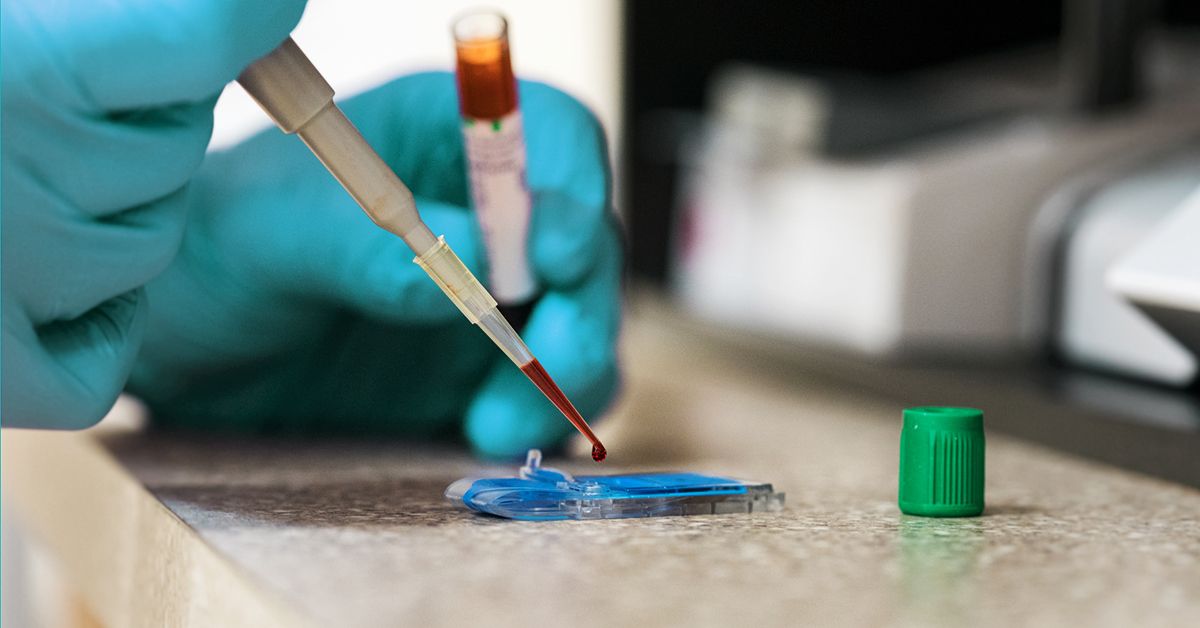
A complete blood count, better known as a CBC, is one of the most common blood tests in medicine. It is quick, relatively simple, and surprisingly powerful. Think of it as a roll call for your bloodstream. Red blood cells? Present or missing in action. White blood cells? Ready for duty or dangerously low. Platelets? Standing by to stop bleeding or apparently taking a very long coffee break.
For people being evaluated for aplastic anemia, a CBC is often one of the first major clues. Aplastic anemia is a rare but serious bone marrow failure disorder in which the marrow does not make enough new blood cells. Because the bone marrow is supposed to produce red blood cells, white blood cells, and platelets, the CBC can reveal whether all three blood cell lines are low. That pattern is called pancytopenia, and it is a red flag that doctors take seriously.
A CBC alone usually does not confirm aplastic anemia. It opens the door. Additional tests, especially a bone marrow biopsy, are needed to confirm the diagnosis and rule out other conditions. Still, the CBC is often where the medical detective story begins.
What Is a Complete Blood Count?
A complete blood count is a laboratory test that measures the cells circulating in your blood. It looks at several important numbers, including red blood cells, white blood cells, hemoglobin, hematocrit, and platelets. Many CBC reports also include red blood cell indices, such as mean corpuscular volume, and may include a white blood cell differential that breaks white cells into categories such as neutrophils, lymphocytes, monocytes, eosinophils, and basophils.
In everyday health care, a CBC may be ordered for fatigue, infections, bruising, bleeding, routine checkups, medication monitoring, or follow-up after abnormal lab results. In aplastic anemia, the CBC becomes especially important because it shows whether the bone marrow is failing to produce enough cells across multiple blood cell types.
Why Is a CBC Important for Aplastic Anemia?
Aplastic anemia affects the body at the production level. The problem is not simply that blood cells are being lost or destroyed; the marrow is not making enough of them in the first place. That is why the CBC is so useful. It gives doctors a snapshot of what is actually circulating in the blood.
If the CBC shows low red blood cells, low white blood cells, and low platelets, doctors may suspect a bone marrow problem. In aplastic anemia, this pattern may appear gradually or suddenly. Some people discover it after months of fatigue and frequent infections. Others find out after a dramatic symptom, such as unusual bruising, nosebleeds, or a fever that refuses to behave like a normal fever.
Key CBC Results Doctors Check in Aplastic Anemia
Red Blood Cells
Red blood cells carry oxygen from the lungs to the rest of the body. When red blood cell levels are low, tissues do not receive oxygen as efficiently. The result can be fatigue, weakness, dizziness, shortness of breath, headaches, pale skin, or a racing heartbeat. In aplastic anemia, red blood cell production can slow down because the marrow is underactive.
On a CBC, doctors look at the red blood cell count itself, but they also pay close attention to hemoglobin and hematocrit. These values help show how much oxygen-carrying capacity the blood has.
Hemoglobin
Hemoglobin is the iron-containing protein inside red blood cells that carries oxygen. Low hemoglobin is one of the main signs of anemia. In aplastic anemia, hemoglobin may be mildly low, moderately low, or severely low depending on how advanced the marrow failure is.
For example, a person with low hemoglobin may feel exhausted after climbing stairs, even if they were previously active. Another person may notice heart palpitations or shortness of breath while doing ordinary tasks. The body is not being lazy; it is trying to function with fewer oxygen delivery trucks on the road.
Hematocrit
Hematocrit is the percentage of blood volume made up of red blood cells. If hematocrit is low, it suggests that red blood cells make up less of the blood than expected. In aplastic anemia, hematocrit often drops along with hemoglobin.
Hematocrit helps doctors understand the severity of anemia and monitor whether treatment is improving the blood counts. It may also guide decisions about whether a person needs supportive care such as red blood cell transfusions.
White Blood Cells
White blood cells are part of the immune system. They help fight bacteria, viruses, fungi, and other invaders that did not RSVP before entering the body. In aplastic anemia, white blood cell counts may be low, leaving a person more vulnerable to infections.
A low white blood cell count can be especially concerning when neutrophils are low. Neutrophils are the immune system’s front-line responders against many bacterial and fungal infections. A CBC with differential can show the absolute neutrophil count, commonly called the ANC.
Absolute Neutrophil Count
The absolute neutrophil count is one of the most important infection-risk markers in aplastic anemia. When neutrophils are very low, the risk of serious infection rises. Fever in someone with severe neutropenia can be a medical emergency, because the immune system may not have enough defenders available.
This is why doctors often tell people with aplastic anemia to report fever immediately. A temperature that might be mildly annoying for one person can become urgent for someone with dangerously low neutrophils.
Platelets
Platelets help blood clot. When platelet levels are low, bleeding can happen more easily and last longer than expected. Low platelets may cause easy bruising, tiny red or purple spots on the skin called petechiae, frequent nosebleeds, bleeding gums, heavy menstrual bleeding, or prolonged bleeding from small cuts.
In aplastic anemia, platelets may fall because the bone marrow is not producing enough of them. Doctors monitor platelet counts carefully because very low platelet levels can increase the risk of serious bleeding.
What CBC Pattern Suggests Aplastic Anemia?
The classic CBC pattern in aplastic anemia is pancytopenia. This means all three major blood cell types are low:
- Low red blood cells, hemoglobin, and hematocrit
- Low white blood cells, especially neutrophils
- Low platelets
This pattern does not automatically mean someone has aplastic anemia. Other conditions can also cause low blood counts, including vitamin deficiencies, infections, autoimmune diseases, medication effects, liver disease, myelodysplastic syndromes, leukemia, and other bone marrow disorders. That is why doctors use the CBC as a starting point, not the final verdict.
Why a Reticulocyte Count Matters
A CBC may be paired with a reticulocyte count. Reticulocytes are young red blood cells. In many types of anemia, the body tries to compensate by producing more reticulocytes. It is the marrow’s way of saying, “I’m working on it.”
In aplastic anemia, the reticulocyte count is usually low because the bone marrow is not producing enough new red blood cells. That low reticulocyte count helps doctors distinguish production failure from blood loss or red blood cell destruction. In other words, it helps answer an important question: Is the body losing cells, destroying cells, or failing to make them?
What Happens After an Abnormal CBC?
If a CBC suggests aplastic anemia, doctors usually order additional testing. The next steps may include a repeat CBC, reticulocyte count, peripheral blood smear, vitamin B12 and folate levels, iron studies, liver and kidney tests, viral testing, autoimmune screening, and tests for related bone marrow failure conditions.
The most important follow-up test is often a bone marrow aspiration and biopsy. During this procedure, a small sample of bone marrow is taken, usually from the back of the hip bone. In aplastic anemia, the bone marrow is typically hypocellular, meaning it has fewer blood-forming cells than expected. Instead of a busy factory floor, the marrow looks unusually empty.
Doctors may also use cytogenetic or molecular testing to look for chromosome or gene changes. These tests can help distinguish aplastic anemia from myelodysplastic syndromes and other disorders that may look similar at first.
Symptoms That May Lead to a CBC
Many people do not ask for a CBC by name. They come to a healthcare provider because something feels off. Common symptoms that may lead to CBC testing include:
- Unusual fatigue or weakness
- Shortness of breath during routine activities
- Dizziness or lightheadedness
- Frequent or long-lasting infections
- Easy bruising
- Nosebleeds or bleeding gums
- Heavy or unusual bleeding
- Tiny red or purple skin spots
- Fever, especially with a low white blood cell count
These symptoms can have many causes, and most are not automatically aplastic anemia. Still, when symptoms appear together, especially fatigue plus infections plus bruising or bleeding, a CBC becomes an important first test.
How Doctors Use CBC Results to Monitor Aplastic Anemia
After diagnosis, CBC testing does not retire to a beach somewhere. It stays on the job. People with aplastic anemia often need repeated CBCs to monitor disease activity, treatment response, and safety.
For example, doctors may use CBC trends to see whether immunosuppressive therapy is helping the bone marrow recover. They may also use CBC results to decide whether a person needs red blood cell transfusions, platelet transfusions, infection precautions, medication adjustments, or evaluation for stem cell transplantation.
One CBC result is useful. A series of CBC results is even more useful. Trends show whether counts are stable, improving, or declining. In aplastic anemia, the direction of the numbers can matter as much as the numbers themselves.
Can a Normal CBC Rule Out Aplastic Anemia?
A normal CBC makes active aplastic anemia less likely, especially if all major blood cell counts are comfortably within range. However, doctors interpret lab results in context. If symptoms are significant or there is a known risk factor, a provider may repeat testing or order additional labs.
Blood counts can change over time. Early disease may be subtle. Medications, infections, pregnancy, altitude, hydration, and lab reference ranges can also affect interpretation. That is why it is best not to diagnose yourself by staring at a lab portal at midnight while eating cereal over the sink. The internet is useful, but it is not a hematologist.
What Causes Aplastic Anemia?
Aplastic anemia may be acquired or inherited. Acquired aplastic anemia is more common and can occur when the immune system attacks the bone marrow stem cells. In many cases, the exact trigger is unknown. Possible contributors may include certain medications, toxins, radiation, chemotherapy, viral infections, autoimmune disease, or pregnancy-related immune changes.
Inherited forms are linked to genetic conditions that affect bone marrow function. These may appear in childhood or young adulthood, though some inherited marrow failure disorders are recognized later. Family history, physical findings, and specialized testing can help doctors determine whether an inherited condition is possible.
How CBC Results Influence Treatment Decisions
Treatment for aplastic anemia depends on severity, age, overall health, donor availability, and other medical factors. CBC results help define severity and guide urgency. Severe aplastic anemia may involve very low neutrophils, low platelets, low reticulocytes, and low marrow cellularity.
Common treatment approaches may include supportive care, blood transfusions, antibiotics for infections, immunosuppressive therapy, growth factors in selected situations, and hematopoietic stem cell transplantation. A stem cell transplant may offer a potential cure for some people, especially younger patients with a suitable donor. Immunosuppressive therapy may be used when transplant is not the best first option.
The CBC helps clinicians monitor whether treatment is working. Rising hemoglobin, improving platelet counts, and recovering neutrophils can be encouraging signs. Declining counts may mean the treatment plan needs adjustment.
How to Prepare for a CBC
A CBC is usually straightforward. In most cases, no fasting is needed unless other blood tests are being drawn at the same time. A healthcare professional inserts a small needle into a vein, usually in the arm, and collects blood into a tube. The process typically takes only a few minutes.
After the blood draw, a person may have mild soreness or a small bruise. Serious problems are uncommon. If you are prone to fainting during blood draws, tell the staff before the needle appears. They have seen it all, and they would much rather help you lie down than watch you perform an unplanned floor inspection.
Questions to Ask Your Doctor About CBC Results
If your CBC is abnormal, it is reasonable to ask clear questions. Useful questions include:
- Which blood counts are low?
- Are all three major cell lines affected?
- What is my absolute neutrophil count?
- Is my platelet count low enough to require precautions?
- Do I need a reticulocyte count?
- Should this CBC be repeated?
- Do I need a bone marrow biopsy?
- When should I seek urgent care?
These questions help turn a confusing lab report into a practical plan. They also help patients understand what symptoms should be treated as urgent.
When to Seek Medical Help Quickly
People with suspected or confirmed aplastic anemia should ask their healthcare team what symptoms require urgent care. In general, fever, signs of infection, uncontrolled bleeding, black or bloody stools, blood in urine, severe shortness of breath, chest pain, fainting, confusion, or sudden severe headache should be treated seriously.
Low neutrophils and low platelets can make infections and bleeding more dangerous. Do not wait for symptoms to become dramatic. Aplastic anemia is not the kind of condition where “let’s see what happens” is always a winning strategy.
Experience-Based Insights: Living With CBC Monitoring for Aplastic Anemia
For many people, the hardest part of aplastic anemia is not the CBC itself. The blood draw is quick. The waiting is harder. Patients often describe CBC monitoring as a strange new rhythm in life: appointment, blood draw, results, interpretation, repeat. The numbers can start to feel personal. Hemoglobin becomes the energy forecast. Platelets become the bleeding-risk scoreboard. Neutrophils become the immune system weather report.
One common experience is learning that “feeling okay” and “having safe blood counts” are not always the same thing. A person may feel only a little tired but have very low platelets. Another person may feel exhausted while their counts are slowly improving. This disconnect can be frustrating, but it is also why regular CBC monitoring matters. Symptoms tell part of the story; lab trends tell another part.
Patients often become surprisingly fluent in blood count language. At first, terms like ANC, hemoglobin, hematocrit, and reticulocytes may sound like characters from a science-fiction novel. Over time, they become familiar markers. Many people keep a notebook or spreadsheet of results, not to obsess over every decimal point, but to understand the bigger trend. A single low result may be scary. A steady upward trend can feel like a tiny parade.
Another real-world challenge is managing daily life around low counts. When neutrophils are low, patients may need to be cautious about infections. That can mean avoiding sick contacts, practicing careful hand hygiene, calling the doctor promptly for fever, and being thoughtful about crowded places. When platelets are low, people may be advised to avoid contact sports, use a soft toothbrush, skip certain medications unless approved, and report unusual bleeding. These precautions can feel annoying, but they are designed to prevent small problems from becoming big ones.
Emotionally, CBC monitoring can create “lab result anxiety.” Some people refresh the patient portal again and again, as if the numbers might improve through determination and Wi-Fi. A helpful approach is to ask the care team in advance what changes matter most and what thresholds should trigger a call. That way, patients are not left alone trying to decode every abbreviation at 11:47 p.m.
Caregivers also play an important role. They may help track appointments, watch for fever or bleeding, prepare questions, and provide emotional support. Aplastic anemia can make patients feel like their body has become unpredictable. Having someone steady nearby can make the process less lonely.
The most practical lesson is this: CBC results are tools, not character judgments. A low count does not mean a patient failed. A slow response does not mean someone is not trying hard enough. Bone marrow recovery can take time, and treatment response varies. The goal is to work closely with a hematology team, follow safety instructions, and use each CBC as one piece of a larger care plan.
In that sense, the CBC is more than a lab test. It is a communication tool. It helps patients and doctors speak the same language about risk, recovery, treatment response, and next steps. For aplastic anemia, that information can be life-changing.
Conclusion
A complete blood count is one of the most important first tests for evaluating aplastic anemia. It measures red blood cells, white blood cells, hemoglobin, hematocrit, and platelets, giving doctors a clear view of how well the bone marrow is supporting the bloodstream. In aplastic anemia, the CBC often shows pancytopenia, meaning all three major blood cell types are low.
However, a CBC is only the beginning. Doctors usually need a reticulocyte count, blood smear, additional lab testing, and a bone marrow biopsy to confirm aplastic anemia and rule out other causes. Once a diagnosis is made, repeated CBCs help monitor disease severity, treatment response, transfusion needs, infection risk, and bleeding risk.
If you or someone you care about has abnormal CBC results, especially low counts across multiple blood cell types, talk with a healthcare professional or hematologist. Aplastic anemia is rare, but it is serious, and early evaluation can make a major difference.
Note: This article is for educational purposes only and should not replace medical advice, diagnosis, or treatment from a licensed healthcare professional.












