
Editor’s note: This article is for general educational purposes and is based on reputable dermatology, medical, and genetics information. It is not a substitute for diagnosis or treatment from a qualified healthcare professional.
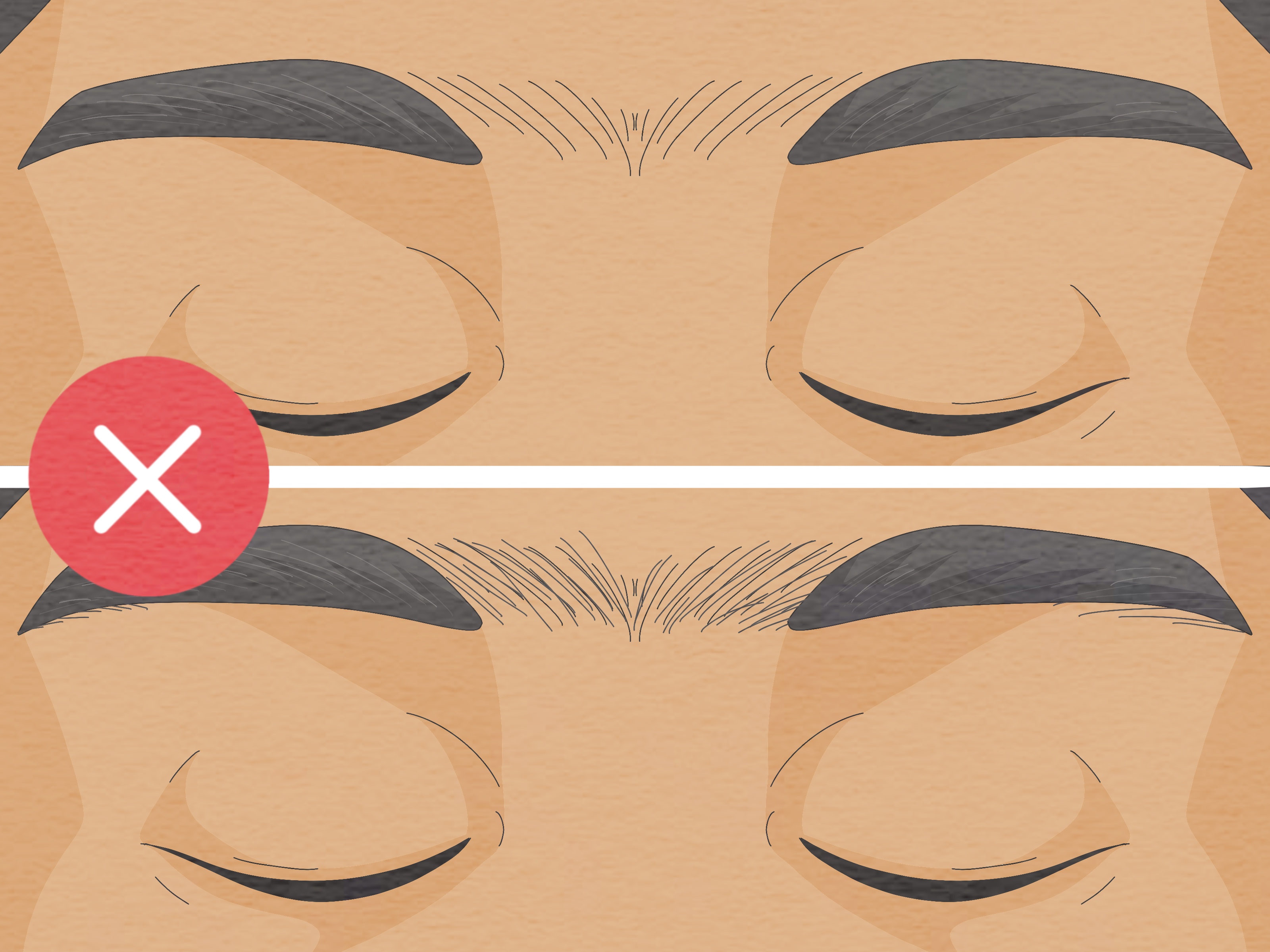
A unibrow can be a tiny patch of hair between the brows, a soft shadow over the bridge of the nose, or a proud, full-on “my eyebrows have joined forces” situation. Medically, this feature is often called synophrys, which simply means the eyebrows meet or nearly meet in the middle. In everyday language, we call it a unibrow, monobrow, or sometimes “that one hair I swear I plucked yesterday.”
So, what causes a unibrow? Most of the time, the answer is refreshingly simple: genetics. Your eyebrow thickness, shape, color, and hair pattern are strongly influenced by inherited traits. Some people naturally grow more hair between the eyebrows, just as some people naturally have curly hair, dimples, freckles, or a cowlick that treats the morning mirror like a battlefield.
Still, there are nuances. Hormones, ethnicity, age, medications, and certain medical conditions can affect hair growth patterns. And while a unibrow is usually harmless and completely normal, sudden changes in facial hair growth may deserve a closer look. Let’s answer the six biggest unibrow questions clearly, calmly, and without making your tweezers feel judged.
1. What Causes a Unibrow?
A unibrow forms when hair grows in the glabella area, the smooth space between your two eyebrows and above the bridge of your nose. In many people, the eyebrows stop before they meet. In others, the hair continues across the middle, creating the appearance of one connected brow.
Genetics is the main cause
The most common cause of a unibrow is inherited eyebrow growth. If one or both of your parents, grandparents, or close relatives have thick brows or hair between the eyebrows, there is a good chance you may have a similar pattern. Facial hair traits often run in families, including brow density, hair color, and how far the brows extend toward the center of the face.
Researchers have linked certain genes to eyebrow thickness and unibrow traits, which helps explain why this feature appears more commonly in some families and populations. That does not mean there is one single “unibrow switch” that flips on at birth. Hair growth is usually influenced by multiple genes working together, along with hormones and other biological factors.
Hair follicles decide where hair grows
Hair grows from follicles. If you have active follicles between your eyebrows, they can produce visible hair in that area. The amount of hair depends on how many follicles are present, how sensitive they are to hormones, and whether the hair is fine and light or coarse and dark. Two people may have the same number of hairs between the brows, but the person with darker, thicker hair may notice it more.
Ethnic background can play a role
Unibrows can occur in people of any background, but thicker eyebrow growth is more common in some ethnic groups. People with naturally dark, coarse hair may notice central brow hair more easily. This is not a flaw; it is a normal variation in human appearance. Beauty standards change every few years, but biology did not get the memo.
2. Is a Unibrow Normal?
Yes, a unibrow is usually normal. In most cases, it is simply a natural facial feature. It does not mean something is wrong with your skin, hormones, or health. Some people have naturally full brows that grow close together, while others have sparse brows that barely show up without a pencil and a prayer.
The medical term synophrys may sound serious, but it often describes a normal eyebrow pattern. Like attached earlobes or a widow’s peak, a unibrow can be part of your inherited appearance. It may be more noticeable during puberty, when hair growth often becomes darker, thicker, and more active due to hormonal changes.
When is it just a cosmetic feature?
A unibrow is usually cosmetic when it has been present for years, runs in your family, and is not accompanied by other new symptoms. If you have always had hair between your eyebrows, and it grows at a steady pace, there is usually no medical reason to worry.
When should you pay attention?
You may want to talk with a healthcare professional if you notice sudden, rapid, or unusual hair growth, especially if it appears along with irregular periods, severe acne, unexplained weight changes, hair thinning on the scalp, deepening voice, or new facial hair in areas such as the chin, upper lip, chest, or abdomen. These changes may be related to hormone levels or conditions such as polycystic ovary syndrome, also known as PCOS.
In rare cases, joined eyebrows may appear as one feature among many in certain genetic syndromes. However, a unibrow by itself is not enough to suggest a medical condition. Context matters. One eyebrow bridge does not equal a diagnosis.
3. Can Hormones Cause a Unibrow?
Hormones can influence facial hair growth, but they are not usually the main reason someone has a unibrow from childhood or adolescence. The biggest factor is still genetics. However, hormones can make existing hair follicles produce thicker, darker, or more noticeable hair.
Androgens and facial hair growth
Androgens are hormones that play a role in hair growth for all sexes. Higher androgen levels, or increased sensitivity of hair follicles to androgens, can lead to more visible facial and body hair. This is why some people notice changes during puberty, pregnancy, menopause, or certain medical conditions.
For women, excessive coarse hair growth in areas where men typically grow hair is called hirsutism. This often affects the upper lip, chin, chest, lower abdomen, or back. A few hairs between the eyebrows alone usually do not qualify as hirsutism. But if unibrow growth appears alongside broader facial hair changes, hormones may be worth discussing with a clinician.
PCOS and other hormone-related causes
PCOS is one of the most common hormone-related causes of excess facial hair in women. Other possible contributors include Cushing syndrome, adrenal gland conditions, certain ovarian conditions, and some medications. These issues usually cause more widespread hair changes than a simple unibrow.
If your brow hair has always been thick, it is probably your natural pattern. If your facial hair suddenly changes in multiple areas, your body may be waving a tiny hormonal flag. It is not a reason to panic, but it may be a reason to schedule a checkup.
4. Does Shaving or Plucking Make a Unibrow Grow Back Thicker?
No, shaving, plucking, threading, or waxing does not make eyebrow hair grow back thicker. This myth has survived longer than some civilizations, but it is still a myth.
When you shave hair, the razor cuts the hair at the skin’s surface, leaving a blunt tip. As the hair grows back, that blunt edge may feel stubbly or look darker at first. But shaving does not change the follicle, hair diameter, growth rate, or number of hairs. It only changes the shape of the hair tip temporarily.
What about plucking?
Plucking removes hair from the root, so results last longer than shaving. The hair usually grows back over several weeks. Repeated aggressive plucking may damage follicles over time, sometimes leading to thinner regrowth or patchy brows. That may sound convenient until you accidentally overpluck and spend the next six months drawing your eyebrows like architectural blueprints.
What about waxing and threading?
Waxing and threading also remove hair from the root. They can keep the area between the eyebrows smooth for several weeks, depending on your growth cycle. They do not make the hair permanently thicker. However, they can irritate sensitive skin, especially if you use retinoids, acne treatments, or exfoliating acids. If your skin is reactive, threading or careful tweezing may be gentler than waxing.
5. What Is the Best Way to Remove a Unibrow?
The best way to remove a unibrow depends on your skin type, pain tolerance, budget, schedule, and desired results. Some people want a quick cleanup before a photo. Others want long-term removal because they are tired of hosting weekly negotiations with one stubborn hair.
Tweezing
Tweezing is simple, inexpensive, and precise. It works well for small unibrow areas or stray hairs. Use clean tweezers, wash your face first, and pluck in the direction of hair growth. Avoid digging into the skin, because that can cause irritation, tiny scabs, or ingrown hairs.
Threading
Threading uses twisted cotton thread to pull hairs from the root. It is popular for eyebrow shaping because it can create clean lines without applying wax to the skin. It may be a good option for people who want precision or who cannot use waxing because of sensitive skin or certain skincare products.
Waxing
Waxing removes multiple hairs quickly and can keep the area smooth for several weeks. It is efficient, but it can irritate the delicate skin between the brows. Avoid waxing over sunburned skin, broken skin, or skin recently treated with strong exfoliants or retinoids. When in doubt, ask a licensed professional before letting hot wax near your face.
Shaving or dermaplaning
Shaving is painless and fast, but regrowth appears quickly because the hair is cut at the surface. A small facial razor can work in a pinch, but it requires caution around the eyebrows. One enthusiastic swipe can turn “cleaned up” into “surprised cartoon villain.”
Laser hair removal
Laser hair removal uses light energy to target pigment in hair follicles and reduce future growth. It can be effective for dark hair, though multiple sessions are needed. Results vary depending on hair color, skin tone, laser type, and provider skill. Because the eyebrow area is close to the eyes, laser treatment near the brows should only be done by an experienced professional using proper eye protection.
Electrolysis
Electrolysis treats individual follicles with electrical current to stop hair growth. It is considered a permanent hair removal method and can work on different hair colors and skin tones. The tradeoff is time: because each follicle is treated separately and hair grows in cycles, multiple sessions are usually needed. For a small unibrow area, however, it may be a practical long-term solution.
6. Should You Keep Your Unibrow?
Yes, if you want to. Remove it if you want to. Shape it, soften it, celebrate it, or ignore it completely. Your eyebrows are not a public works project requiring community approval.
Unibrows have cultural, personal, and aesthetic meanings. In some places and time periods, full connected brows have been viewed as attractive, expressive, or distinctive. In others, the beauty trend has favored separated, sculpted brows. Modern style is more flexible than it used to be, and many people now embrace natural brows instead of forcing every hair into submission.
Style is personal
If your unibrow makes you feel confident, keep it. If removing the middle hairs makes you feel more polished, remove them. Neither choice is more correct. Grooming is personal maintenance, not moral philosophy.
Confidence matters more than brow geometry
The real question is not “Is a unibrow good or bad?” The better question is “What makes me feel comfortable in my own face?” Some people love a bold brow. Others prefer a clean gap between the brows. Both are valid. A face does not need to match a trend to be attractive.
Common Myths About Unibrows
Myth: A unibrow means poor hygiene
False. A unibrow has nothing to do with cleanliness. It is hair growth, not a character flaw. You can wash your face twice a day and still have hair between your eyebrows.
Myth: Only men get unibrows
False. Anyone can have a unibrow. Men may be more likely to have thicker visible facial hair because of androgen effects, but women and children can have unibrows too.
Myth: Removing a unibrow is unhealthy
Not usually. Safe hair removal is generally fine if you avoid infection, burns, cuts, and irritation. The eyebrows do help with expression and may help redirect sweat, but removing a small patch between the brows does not usually cause a health problem.
Myth: A unibrow always means a medical condition
False. A unibrow is usually a normal inherited trait. Medical evaluation is only worth considering if there are other symptoms or sudden changes in hair growth.
How to Care for the Skin Between Your Eyebrows
The skin between the eyebrows can become red, bumpy, or irritated if you remove hair too aggressively. This area also tends to collect oil and skincare products, which can contribute to clogged pores.
Before hair removal, cleanse the area gently. Afterward, avoid heavy makeup, harsh exfoliants, and direct sun exposure for a short time if the skin feels sensitive. If you wax or thread, a cool compress can help calm redness. If you tweeze, clean your tweezers before use and avoid plucking hairs from inflamed pimples or broken skin.
If you frequently get ingrown hairs, bumps, or irritation, try spacing out hair removal sessions or switching methods. A dermatologist can help if you develop persistent redness, scarring, dark spots, or painful bumps.
When to See a Doctor About Unusual Hair Growth
A unibrow alone rarely needs medical attention. However, see a healthcare professional if hair growth changes suddenly or comes with other symptoms. Examples include new coarse facial hair on the chin or upper lip, irregular menstrual cycles, severe acne, unexplained weight gain, scalp hair thinning, fatigue, or signs of hormone imbalance.
You should also seek advice if a child has synophrys along with developmental delays, growth concerns, unusual facial features, or other health issues. In that context, joined eyebrows may be one clue among many, and a pediatrician or genetic specialist can evaluate the full picture.
Again, the key word is context. A unibrow that runs in the family is usually just family resemblance doing its thing. Sudden, widespread, or symptom-linked hair growth is different and deserves more attention.
Real-Life Experiences: Living With, Removing, and Accepting a Unibrow
For many people, the unibrow story starts early. Maybe a classmate made a joke in middle school. Maybe a relative tried to “fix” it before a family photo. Maybe you did not notice it at all until someone else pointed it out, because apparently some people treat eyebrows like breaking news.
One common experience is the first encounter with tweezers. It often begins with confidence and ends with one watery eye, a red patch, and a new respect for professional brow artists. People who tweeze their unibrow at home usually learn quickly that lighting matters, magnifying mirrors are both helpful and dangerous, and symmetry is harder than it looks. The goal is not to create a canyon between the brows. A small, natural-looking space is usually enough.
Another common experience is trying waxing for the first time. Waxing can feel wonderfully efficient. In a few seconds, the middle hairs are gone, and the face looks brighter or more defined. But waxing can also cause redness, especially for people with sensitive skin. Some learn the hard way not to wax right before a big event. If your skin turns tomato-red after waxing, schedule grooming at least a day before photos, dates, interviews, or any situation where you do not want your forehead stealing the spotlight.
Threading has its own fan club. People who prefer threading often like the clean finish and the fact that it does not involve hot wax or chemical creams. The sensation can feel strange at first, like tiny rubber bands snapping against the skin, but many find it manageable. A skilled threader can remove the center hairs quickly while preserving the natural shape of the brows.
Some people choose laser hair removal or electrolysis because they are tired of constant upkeep. This can be especially appealing when the unibrow grows back quickly or when the hair is dark and noticeable. Long-term methods require patience, money, and a qualified provider, but they may reduce the weekly grooming routine. For people who have spent years plucking the same five hairs like they are recurring villains, the idea of longer-lasting results can feel deeply satisfying.
Then there is the experience of accepting a unibrow. Some people eventually decide they like the way it looks. A strong brow can make the face expressive, memorable, and distinctive. In a world where trends change from pencil-thin brows to laminated brows to fluffy brows in what feels like seven business minutes, keeping your natural brow can be its own style statement.
Parents may also face decisions about children with unibrows. The best approach is usually gentle and confidence-focused. If a child is not bothered by it, adults do not need to create insecurity. If a child is being teased or asks about grooming, explain options calmly and age-appropriately. The message should be: “You are fine as you are, and grooming is available if you want it.” That balance protects both confidence and choice.
Adults often discover that the emotional side of grooming matters as much as the technical side. Removing a unibrow can feel empowering for one person and unnecessary for another. Keeping it can feel authentic for one person and uncomfortable for another. The best experience comes from making the choice yourself, not from pressure, jokes, or beauty standards that change faster than eyebrow trends on social media.
In the end, a unibrow is just hair growing where your follicles decided to set up shop. You can evict it, trim it, shape it, laser it, thread it, tweeze it, or let it live rent-free. The right answer is the one that makes you feel at home in your face.
Conclusion
A unibrow is usually caused by genetics and natural hair follicle patterns. Hormones, ethnicity, age, and certain medical conditions can influence hair growth, but most unibrows are harmless and normal. If your unibrow has always been part of your appearance, it is likely just an inherited trait. If facial hair growth suddenly increases or appears with other symptoms, a medical checkup may be helpful.
For grooming, you have plenty of options: tweezing, threading, waxing, shaving, laser hair removal, and electrolysis. Each method has pros and cons, so the best choice depends on your skin, hair type, budget, and comfort level. And if you decide to keep your unibrow, that is perfectly valid too. Your eyebrows do not need permission to be themselves.













