
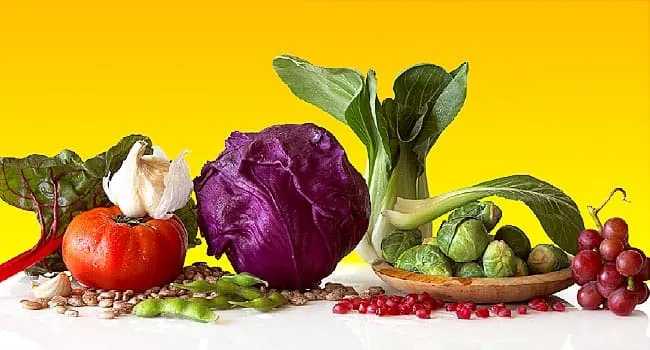
Note: This article is for general educational purposes and is not a substitute for personalized medical or nutrition advice.
“Super foods” sound like they should wear tiny capes and rescue your metabolism before breakfast. In reality, no single food can magically melt pounds, prevent every cold, or turn a tired Tuesday into a wellness retreat. But certain nutrient-dense foods do earn a starring role because they deliver fiber, protein, healthy fats, vitamins, minerals, antioxidants, and other plant compounds that support weight management, immune system health, heart health, digestion, energy, and overall well-being.
The best super foods are not rare powders with dramatic labels. They are usually familiar foods: berries, leafy greens, beans, oats, yogurt, salmon, nuts, seeds, sweet potatoes, green tea, and colorful vegetables. The magic is not in one bite. It is in the pattern. When you build meals around whole, minimally processed foods, you create a diet that helps you feel full, nourished, and less likely to raid the pantry like a raccoon with Wi-Fi.
What Makes a Food “Super”?
A super food is generally a food with a high concentration of beneficial nutrients compared with its calories. That means it offers a strong nutritional return on investment. Instead of spending your daily calories on foods that leave you hungry again in 20 minutes, super foods provide fiber, protein, healthy fats, water, and micronutrients that help your body function well.
For weight loss, the most useful super foods tend to be high in fiber or protein because they support fullness. For immune system health, foods rich in vitamin C, vitamin A, zinc, selenium, vitamin D, probiotics, and antioxidants can help maintain normal immune function. For long-term wellness, foods with anti-inflammatory compounds, omega-3 fats, and steady-energy carbohydrates can support the heart, gut, brain, and metabolism.
Best Super Foods for Weight Loss
1. Berries
Blueberries, strawberries, raspberries, and blackberries are naturally sweet, colorful, and loaded with fiber and antioxidants. They are also lower in calories than many desserts, which makes them an easy swap when your sweet tooth starts acting like it pays rent. Add berries to Greek yogurt, oatmeal, smoothies, or salads, or eat them frozen for a refreshing snack.
2. Leafy Greens
Spinach, kale, collard greens, arugula, romaine, and watercress are excellent choices for people who want more volume without many calories. They provide vitamins, minerals, fiber, and plant compounds while making meals look bigger and feel more satisfying. Toss greens into eggs, soups, wraps, grain bowls, or smoothies. A handful of spinach disappears into a smoothie like a magician with better nutrition credentials.
3. Beans and Lentils
Beans, chickpeas, black beans, kidney beans, split peas, and lentils are weight-loss friendly because they combine plant protein and fiber. This duo helps slow digestion and supports fullness. Beans are also budget-friendly, shelf-stable, and flexible enough for soups, salads, tacos, chili, and grain bowls. If canned beans make life easier, rinse them to reduce sodium.
4. Oats
Oats are rich in soluble fiber, especially beta-glucan, which helps create a creamy texture and supports satiety. A bowl of oatmeal with berries, chia seeds, cinnamon, and Greek yogurt can keep breakfast satisfying without needing a pastry backup plan. Choose plain oats most often, then sweeten them naturally with fruit instead of relying on heavily sweetened packets.
5. Eggs
Eggs provide high-quality protein, choline, and important vitamins and minerals. For many people, a protein-rich breakfast can help control hunger later in the day. Try eggs with vegetables, avocado, beans, or whole-grain toast. The goal is not to eat eggs alone, but to use them as part of a balanced plate.
6. Greek Yogurt
Plain Greek yogurt is rich in protein and can contain live cultures that support gut health. It works as breakfast, a snack, or a creamy substitute for sour cream or mayonnaise. Choose unsweetened varieties most often, then add berries, nuts, cinnamon, or a small drizzle of honey. Your gut gets something useful, and your taste buds do not file a complaint.
Best Super Foods for Immune System Health
1. Citrus Fruits and Kiwi
Oranges, grapefruit, lemons, limes, and kiwi are well known for vitamin C, a nutrient involved in normal immune function. Kiwi is especially impressive because it also offers fiber and a bright, tangy flavor that wakes up breakfast faster than an alarm clock you actually obey. Add citrus or kiwi to salads, yogurt bowls, smoothies, or simply enjoy them as snacks.
2. Bell Peppers
Red, yellow, and orange bell peppers are rich in vitamin C and carotenoids. They are crunchy, naturally sweet, and easy to use raw or cooked. Slice them for hummus, sauté them into omelets, roast them for grain bowls, or add them to fajitas. They bring color to the plate, which is a simple sign that your meal is offering a broader range of nutrients.
3. Broccoli and Cruciferous Vegetables
Broccoli, Brussels sprouts, cabbage, cauliflower, and bok choy contain fiber, vitamin C, folate, and sulfur-containing compounds. These vegetables support overall health and fit beautifully into weight-conscious meals because they add bulk and texture. Roast broccoli with olive oil, garlic, and lemon, and suddenly “eat your vegetables” sounds less like a childhood threat.
4. Fermented Foods
Yogurt with live cultures, kefir, sauerkraut, kimchi, miso, and tempeh can help support a diverse gut microbiome. Since much of the immune system interacts with the gut, building a gut-friendly diet is a smart long-term strategy. Start slowly if fermented foods are new to you, because your digestive system appreciates polite introductions.
5. Nuts and Seeds
Almonds, walnuts, pumpkin seeds, sunflower seeds, chia seeds, and flaxseeds provide healthy fats, fiber, minerals, and antioxidants. Pumpkin seeds offer zinc, while sunflower seeds provide vitamin E. Walnuts contain plant-based omega-3 fats. Because nuts and seeds are calorie-dense, a small handful or one to two tablespoons is usually enough to add crunch and nutrition.
Super Foods for Heart, Brain, and Metabolic Health
Fatty Fish
Salmon, sardines, trout, anchovies, and mackerel are rich in omega-3 fatty acids and protein. Omega-3 fats are associated with heart and brain health, and protein supports muscle maintenance and satiety. Aim for baked, grilled, or roasted fish more often than fried versions. If fish is not your favorite, try canned salmon or sardines in whole-grain toast, salads, or patties.
Avocado
Avocado provides monounsaturated fat, fiber, potassium, and a creamy texture that makes meals more satisfying. It is not a low-calorie food, but it can be useful in small portions because it helps meals feel complete. Spread avocado on whole-grain toast, add slices to salads, or blend it into a creamy dressing.
Sweet Potatoes
Sweet potatoes offer fiber, potassium, and beta-carotene, which the body can convert into vitamin A. They are naturally sweet and filling, making them a smart carbohydrate choice. Pair them with protein and healthy fat, such as black beans and avocado or salmon and greens, to create a balanced meal.
Green Tea
Green tea contains catechins, a group of antioxidant plant compounds, and a modest amount of caffeine. It is not a weight-loss miracle, but it can be a helpful replacement for sugary drinks. Enjoy it hot or iced, plain or with lemon. Think of it as a quiet wellness upgrade, not a personality trait.
How to Build a Super Food Plate
The easiest way to use super foods is to stop thinking in single ingredients and start thinking in plates. A balanced plate might include half vegetables and fruit, one quarter lean protein, one quarter whole grains or starchy vegetables, plus a small amount of healthy fat. This approach keeps meals flexible and realistic.
For breakfast, try oatmeal with berries, chia seeds, and Greek yogurt. For lunch, build a salad with leafy greens, chickpeas, avocado, bell peppers, and grilled chicken or tofu. For dinner, pair salmon with roasted broccoli and sweet potato. For snacks, choose apple slices with peanut butter, carrots with hummus, or plain yogurt with walnuts.
Super foods work best when they replace less helpful choices. Adding blueberries to a diet built mostly on soda, chips, and ultra-processed meals will not do much heavy lifting. But replacing sugary cereal with oats and berries, swapping fries for roasted vegetables, or choosing beans instead of processed meat can create meaningful changes over time.
Common Super Food Mistakes to Avoid
Believing One Food Can Fix Everything
No food can detox your entire body, erase poor sleep, or cancel out chronic stress. Your liver and kidneys handle detoxification. Food supports them by providing nutrients, hydration, and fiber. Be cautious with any claim that sounds too dramatic, especially if it comes with a discount code and a before-and-after photo taken in suspicious lighting.
Ignoring Portions
Nuts, avocado, olive oil, granola, and smoothies can be healthy, but portions still matter. A smoothie with fruit, nut butter, protein powder, juice, honey, and granola can quietly become a milkshake wearing yoga pants. Keep calorie-dense foods moderate and balance them with vegetables, lean protein, and whole grains.
Forgetting Protein
Protein helps preserve lean muscle, supports fullness, and plays a role in immune function. Include protein at most meals from sources such as eggs, fish, poultry, beans, lentils, tofu, tempeh, Greek yogurt, cottage cheese, nuts, and seeds.
500-Word Experience Section: What Eating Super Foods Feels Like in Real Life
In real life, eating super foods is less about creating perfect meals and more about building repeatable habits that do not collapse the second life gets busy. The most successful approach is usually simple: keep a few dependable foods on hand and use them in different ways throughout the week. For example, a container of plain Greek yogurt can become breakfast with berries, a creamy sauce for tacos, or a high-protein snack with cinnamon. A bag of spinach can go into eggs, soup, pasta, smoothies, or sandwiches. A can of beans can rescue lunch when the refrigerator looks like it gave up.
One practical experience many people notice is that fiber-rich meals feel different from quick, refined meals. A breakfast of oats, berries, and yogurt tends to provide a slower, steadier kind of fullness than a sweet pastry. There is no dramatic movie soundtrack, but there may be fewer snack cravings midmorning. Lunch with beans, vegetables, and avocado can feel more satisfying than a low-calorie meal that is technically “diet food” but emotionally resembles cardboard with ambition.
Another real-world lesson is that flavor matters. Nobody sticks with a healthy eating plan that tastes like punishment. Roasted vegetables with garlic, lemon, herbs, and olive oil are more appealing than plain steamed vegetables abandoned on a plate. Salmon tastes better with a mustard-yogurt sauce or a squeeze of citrus. Lentils become much more exciting with cumin, chili, tomatoes, and onions. Super foods do not need to be bland. In fact, the more enjoyable they are, the more likely they are to become normal.
Meal prep also becomes easier when you focus on ingredients instead of strict recipes. Cook a batch of oats, roast a tray of vegetables, wash leafy greens, prepare a pot of lentils, and keep fruit visible. These small steps reduce decision fatigue. When healthy foods are ready to use, you are more likely to choose them before hunger turns you into a snack detective.
There is also a mindset shift. Super foods are not a short-term challenge; they are part of a lifestyle. You do not need to eat kale every day, drink green tea at sunrise, or pretend chia pudding is birthday cake. You simply need more nutrient-dense foods more often. Some days will include pizza, cookies, or takeout, and that is not failure. A healthy pattern has room for flexibility. The goal is consistency, not perfection.
Over time, these foods can help you feel more in control of your routine. You may notice better digestion from fiber, steadier energy from balanced meals, and fewer intense cravings when protein is included. Weight loss, if it happens, usually comes from the overall pattern: more filling foods, fewer ultra-processed calories, and meals that satisfy both the body and the brain. That is the real superpower.
Conclusion
The best super foods for weight loss, immune system health, and overall wellness are not mysterious or expensive. They are whole, nutrient-dense foods such as berries, leafy greens, beans, lentils, oats, Greek yogurt, fatty fish, nuts, seeds, citrus fruits, bell peppers, broccoli, fermented foods, avocado, sweet potatoes, and green tea. These foods support health because they provide fiber, protein, vitamins, minerals, antioxidants, healthy fats, and beneficial plant compounds.
For the best results, build balanced meals instead of chasing miracle foods. Choose colorful produce, include protein, add fiber-rich carbohydrates, use healthy fats wisely, and keep portions realistic. Super foods are most powerful when they become part of a sustainable eating pattern that you actually enjoy. The cape is optional.












