
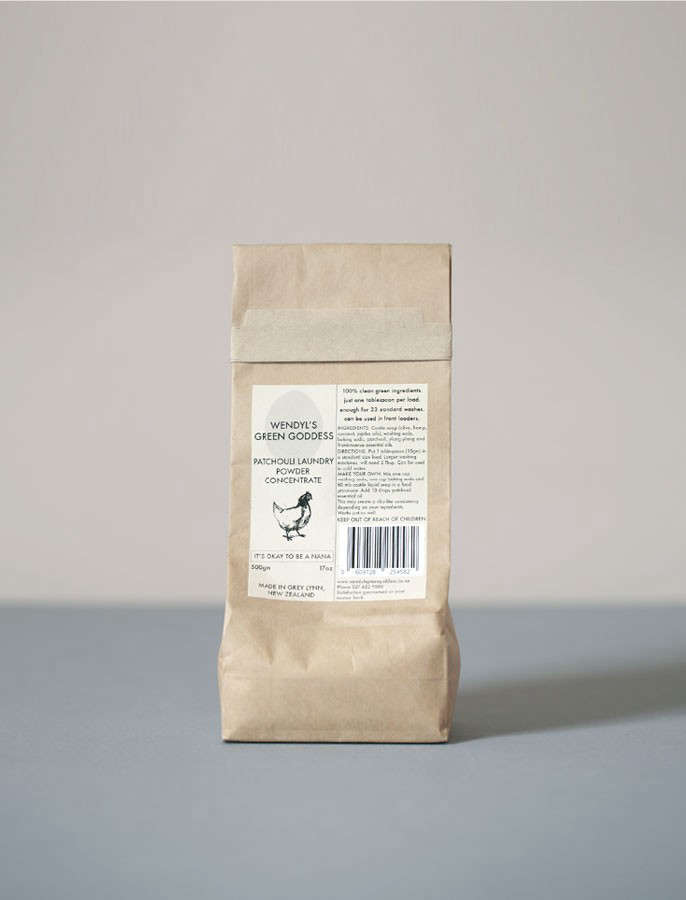
Note: This article is written for web publication and synthesizes publicly available product information about Wendyl Nissen’s Green Goddess laundry philosophy, current Green Goddess Patchouli Laundry Powder details, and general U.S. laundry-care guidance from reputable cleaning, consumer, environmental, and skin-care sources.
Why Wendyl Nissen’s Patchouli Laundry Powder Still Feels Fresh
Some laundry products shout at you from the shelf. Neon bottles. Volcano-sized caps. Labels promising “mountain blast,” “ocean thunder,” or “fresh linen,” even though no linen in history has naturally smelled like a perfume cannon. Wendyl Nissen’s Patchouli Laundry Powder takes the opposite route. It is simple, earthy, concentrated, and proudly old-fashioned in the best possible way.
Originally connected to Wendyl Nissen’s Green Goddess approach to home care, this patchouli laundry powder belongs to a broader movement toward natural laundry detergent, low-waste cleaning, and ingredient transparency. Instead of leaning on synthetic fragrances, optical brighteners, heavy fillers, and mysterious “freshness technology,” it focuses on a short ingredient list: coconut castile, soda ash, baking soda, and pure essential oils.
The result is not a detergent trying to smell like a department store candle aisle. It is a practical laundry powder with a warm, grounding patchouli profile, designed for people who want clean clothes without turning their washing machine into a chemistry final exam.
The Story Behind Wendyl Nissen and the Green Goddess Laundry Philosophy
Wendyl Nissen is widely known in New Zealand as a writer, journalist, author, and natural-living advocate. Her Green Goddess brand was built around a refreshingly direct idea: many household cleaning products can be made with fewer ingredients, less synthetic fragrance, less packaging, and more common sense.
That philosophy is important because laundry is one of the most intimate cleaning categories in the home. Dish soap touches plates. Surface spray touches counters. Laundry powder touches the clothes, towels, pajamas, pillowcases, workout gear, baby blankets, and socks that spend all day pressed against skin. If a product leaves behind heavy scent, residue, dyes, or brighteners, your body may meet those ingredients long after the wash cycle ends.
Wendyl’s early recipes leaned into ingredients familiar to generations before us: castile soap, baking soda, washing soda or soda ash, vinegar, essential oils, and elbow grease. Admittedly, elbow grease is the least glamorous ingredient and does not come in a cute bottle. Still, it works.
Today, Green Goddess continues that low-tox, natural-home legacy. The patchouli laundry powder is part of a line that includes unscented, citrus, lavender, and rose laundry powders, giving households a choice between fragrance-free simplicity and naturally scented options.
What Is Wendyl Nissen’s Patchouli Laundry Powder?
Wendyl Nissen’s Patchouli Laundry Powder is now generally found under the Green Goddess name as Natural Laundry Powder Patchouli Concentrate. It is a concentrated powder made for everyday washing, with one tablespoon recommended for an average-sized load. A 1 kg bag is designed to provide up to 66 washes, which makes the formula feel less like a giant scoop-and-hope detergent and more like a measured, minimalist laundry routine.
The powder is described as sensitive-skin friendly and free from synthetics, optical brighteners, artificial surfactants and fragrances, phosphates, and fillers. It is made in New Zealand, vegan, cruelty-free, and suitable for households that prefer natural laundry products with a shorter ingredient list.
The patchouli version is for people who want their laundry to smell earthy, warm, woody, and gently sweet. Patchouli is not shy. It enters a room wearing a scarf and carrying opinions. But in laundry powder, when blended properly, it can smell softer and more grounded than the stereotype suggests.
Key Ingredients and What They Do
Coconut Castile
Castile soap is a vegetable-oil-based soap traditionally valued for gentle cleaning. In laundry powder, coconut castile contributes cleansing power and helps lift everyday grime from fabric. It is not a high-foam ingredient in the same theatrical way as many conventional detergents, which is useful for front loaders and high-efficiency machines where too many suds can cause trouble.
Soda Ash
Soda ash, also known as sodium carbonate, is a powerful laundry builder. It helps soften water, boosts cleaning performance, and improves the powder’s ability to deal with body oils, dirt, and odors. Compared with baking soda, soda ash is more alkaline and more aggressive, which is why a little goes a long way. Think of it as baking soda’s tougher cousin who owns work boots.
Baking Soda
Baking soda, or sodium bicarbonate, is gentler and well known for odor control. In laundry, it can help freshen fabrics and support cleaning without adding heavy perfume. It is the calm friend in the formula, quietly doing useful work without demanding applause.
Pure Essential Oils
The patchouli scent comes from essential oils rather than synthetic fragrance. Older references to Wendyl Nissen’s patchouli laundry powder mention patchouli, ylang ylang, and frankincense essential oils. Current product descriptions focus on pure essential oils and the patchouli scent profile. Either way, the point is clear: the fragrance is designed to be natural, earthy, and more subtle than mainstream laundry perfumes.
Why Patchouli Works in Laundry
Patchouli has a complicated public image. For some people, it smells luxurious, grounding, and botanical. For others, it triggers flashbacks to incense shops, vintage coats, and that one college roommate who owned three guitars but knew only four chords. In a laundry powder, however, patchouli can be surprisingly elegant.
The appeal lies in its warmth. Many laundry products aim for sharp brightness: lemon, ocean, pine, mint, or “spring breeze,” which apparently smells like a marketing department. Patchouli goes deeper. It gives bedding, towels, and cotton basics a soft, earthy finish. It can make clean laundry feel cozy rather than aggressively perfumed.
That said, scent preference is personal. Anyone with fragrance sensitivity, eczema-prone skin, allergies, or a household member who reacts to essential oils should consider the unscented version instead. Natural fragrance is still fragrance. A plant-based scent can still bother sensitive skin, which is why careful dosing, full rinsing, and choosing fragrance-free when needed are smart laundry habits.
How to Use Patchouli Laundry Powder Correctly
The beauty of a concentrated laundry powder is that it does not require much. For an average load, use one tablespoon. For a larger or heavily soiled load, you may need more support, but the first rule is not to treat detergent like parmesan cheese at a restaurant. More is not always better.
Too much laundry detergent can leave residue, make fabrics feel stiff, dull dark clothing, irritate sensitive skin, and force washing machines to work harder during rinsing. Concentrated powder rewards precision. Measure it, add it properly, and resist the ancient human urge to “just toss in a bit extra.” That urge has ruined many towels.
For hand washing, dissolve one tablespoon in warm water, soak items, then wash gently. For front loaders, the product can be dissolved in cold water and added to the dispenser. Current product guidance says not to dissolve it in hot water before adding it to the washer. Always follow the care label on clothing, especially for wool, silk, activewear, and delicate fabrics.
Best Uses: Everyday Clothes, Bedding, Towels, and More
Wendyl Nissen’s Patchouli Laundry Powder is best suited to regular household laundry: cotton shirts, sheets, pillowcases, casual clothing, pajamas, towels, and lightly to moderately soiled items. Its concentrated formula makes it especially attractive for people who wash frequently and dislike carrying home giant plastic jugs that seem to contain more water than detergent.
For whites, Green Goddess suggests adding an oxygen-style booster if needed. For heavily soiled items, a separate soak product may be more appropriate. This is a practical distinction. A natural laundry powder can clean everyday clothes well, but mud-caked sports uniforms, greasy kitchen towels, and mystery-stained toddler pants sometimes require backup. Laundry is not magic. It is chemistry with lint.
For activewear, cold water and proper rinsing are especially important. Avoiding fabric softener is also wise because softeners can interfere with moisture-wicking fabrics. For towels, avoid overdosing detergent, because residue can reduce absorbency and create that unpleasant “clean but somehow damp basement” smell.
Natural Laundry Powder vs. Conventional Detergent
Conventional detergents are often formulated with surfactants, enzymes, brighteners, stabilizers, dyes, preservatives, fragrance systems, and anti-redeposition agents. Many of these ingredients have useful jobs. Enzymes can help break down food, sweat, and protein stains. Surfactants remove oils. Brighteners make fabric appear whiter by altering how light reflects. Modern detergent science is genuinely impressive.
The trade-off is complexity. Some consumers prefer fewer ingredients, especially when laundering items that touch sensitive skin. Others want to avoid optical brighteners, synthetic dyes, phosphates, or strong fragrance. Wendyl Nissen’s Patchouli Laundry Powder appeals to this group by keeping the formula short and easy to understand.
It is not about pretending all conventional detergent is evil or that all natural products are automatically perfect. The smarter comparison is this: conventional detergent may offer specialized stain technology, while natural laundry powder offers simplicity, transparency, and a lower-scent, low-filler approach. The best choice depends on your washer, water hardness, fabrics, stains, skin sensitivity, budget, and nose.
Is It Good for Sensitive Skin?
The product is marketed as sensitive-skin friendly, and its lack of synthetic fragrance, optical brighteners, artificial surfactants, phosphates, and fillers supports that positioning. However, the patchouli version is scented with essential oils, so it may not be ideal for everyone with highly reactive skin.
For very sensitive users, the unscented version is the safer first stop. People with eczema, contact dermatitis, fragrance allergy, or unexplained itching after laundry should generally simplify their routine: use a fragrance-free product, dose carefully, avoid fabric softener, and consider an extra rinse. If irritation continues, it is worth speaking with a dermatologist rather than blaming the washing machine, the socks, or Mercury retrograde.
Eco-Friendly Appeal and Packaging
One of the strongest selling points of Green Goddess laundry powder is its environmental angle. Concentrated powder reduces the need for bulky liquid detergent packaging. The current Green Goddess packaging is described as recyclable in New Zealand kerbside recycling systems, and the product contains active ingredients without unnecessary fillers.
For eco-conscious households in the United States, the same buying principles still apply even if the product itself is imported: choose concentrated formulas, avoid unnecessary plastic when possible, measure detergent accurately, wash in cold water when appropriate, and line-dry when practical. Small changes matter because laundry happens again and again. Laundry is not a one-time chore; it is a subscription service run by your own closet.
How It Performs in Cold Water and Front Loaders
Current product information says the powder can be used in cold water and front loaders. That matters because many households now wash most loads in cold water to save energy and protect fabric color. Powder formulas can sometimes struggle if they do not dissolve well, so the practical move is to dissolve the powder first in cold water before adding it to a front-loader dispenser, as the brand advises.
Front-loading and high-efficiency machines use less water than older top loaders. That means low-sudsing and correct dosage are important. One tablespoon per average load fits well with the modern laundry principle that less detergent, used correctly, often performs better than a generous scoop that leaves residue behind.
Who Should Buy Wendyl Nissen’s Patchouli Laundry Powder?
This laundry powder is a strong match for people who like natural cleaning products, earthy scents, concentrated formulas, and short ingredient lists. It is especially appealing if you already avoid synthetic fragrance, dyes, optical brighteners, and oversized detergent packaging.
It may also suit households that want a more intentional laundry ritual. That sounds dramatic, but laundry is one of those chores where small upgrades improve daily life. Pulling clean sheets from the washer and catching a subtle patchouli scent is far more pleasant than opening the machine and being smacked by “Tropical Glacier Explosion No. 7.” Nobody asked a glacier to be tropical.
However, it may not be the best fit for people who prefer fragrance-free products, need enzyme-based stain removal, wash extremely dirty workwear, or want a detergent widely stocked in U.S. supermarkets. Imported natural products can also cost more or be harder to find, depending on availability.
Practical Laundry Tips for Better Results
Measure Every Load
Use one tablespoon for an average load. If your laundry comes out stiff, dull, or less absorbent, you may be using too much detergent or overloading the washer.
Sort by Fabric and Soil Level
Do not wash muddy gardening pants with pillowcases unless you enjoy chaos. Separate heavily soiled items from everyday clothing and give stains attention before washing.
Use Cold Water for Most Loads
Cold water helps protect color, reduce energy use, and preserve many fabrics. Use warmer or hot water when hygiene, heavy soil, or care labels call for it.
Add an Extra Rinse for Sensitive Skin
If anyone in the household is prone to itching or irritation, an extra rinse can help reduce residue. This is especially useful with powders, hard water, or tightly packed loads.
Do Not Overload the Machine
Clothes need room to move. A washer stuffed like a vacation suitcase will not clean well, no matter how charming your detergent smells.
Experience Section: Living With Wendyl Nissen’s Patchouli Laundry Powder
Using Wendyl Nissen’s Patchouli Laundry Powder feels different from using a mainstream liquid detergent from the first scoop. The bag is lighter, the dose is smaller, and the scent is not trying to dominate the laundry room. Instead of pouring a bright blue liquid into a cap with mysterious measurement lines, you use a simple tablespoon. It feels almost suspiciously easy, like the laundry chore has been quietly downgraded from “domestic engineering project” to “reasonable adult task.”
The first thing most people notice is the scent. Patchouli is warm and earthy, but in this powder it works best when it behaves like background music. On cotton T-shirts, it can leave a soft botanical note after drying. On sheets, it gives a cozy, grounded feeling that pairs well with a bedroom that is trying to be calm, even if the chair in the corner is still wearing seven outfits. On towels, the scent is pleasant when lightly dosed, though anyone who likes towels to smell like absolutely nothing may prefer the unscented version.
The second experience is the texture. Natural laundry powder concentrate is not always identical to supermarket powder. It can feel denser and more handmade, which is part of the charm. Measuring matters. One tablespoon looks too small if you are used to giant scoops, but that is the point. A concentrated powder is supposed to work without half a cup of filler coming along for the ride.
For everyday laundry, the experience is straightforward. Shirts come out clean, pajamas feel fresh, and bedding has a gentle scent that does not scream “chemical meadow.” With lightly sweaty clothes, the powder performs well when the washer is not overloaded. For stubborn stains, it is better to pretreat rather than expect the powder to perform a miracle worthy of a laundry-themed movie montage. Tomato sauce, collar grime, deodorant buildup, and oil spots still need attention before the wash.
In a front loader, dissolving the powder first in cold water can make the routine smoother. This small step helps prevent clumps and supports even distribution. It adds perhaps thirty seconds, which is less time than most of us spend staring into the fridge waiting for dinner inspiration to appear.
The biggest lifestyle benefit is that the product encourages better laundry habits. Because it is concentrated, you naturally measure more carefully. Because the scent is essential-oil based, you become more aware of fragrance level. Because the ingredient list is short, you start reading other labels and wondering why some detergents need a paragraph of ingredients to wash a sock. That awareness can spill into other areas of the home: dish soap, surface spray, bathroom cleaner, and even air fresheners.
The experience is not perfect for everyone. Patchouli is distinctive, and scent-sensitive users should be cautious. Large families with sports uniforms, pet bedding, and heavily stained loads may want a stain booster or a stronger specialty detergent on standby. But for people who want a simple, warm-scented, natural laundry powder for regular washing, Wendyl Nissen’s Patchouli Laundry Powder offers a satisfying balance of practicality and personality. It turns laundry from a chore into a small ritual. Not a glamorous ritual, exactly. There are still socks. But a better-smelling ritual, certainly.
Conclusion
Wendyl Nissen’s Patchouli Laundry Powder stands out because it is simple, concentrated, and rooted in a natural-home philosophy that still feels relevant. Its blend of coconut castile, soda ash, baking soda, and essential oils offers a cleaner-label alternative to heavily fragranced conventional detergents. The patchouli scent gives laundry a warm, earthy finish, while the one-tablespoon dose keeps the routine efficient and low-waste.
It is not a universal detergent for every household or every stain. People with extreme fragrance sensitivity may prefer the unscented version, and very dirty loads may need pretreatment or an oxygen booster. Still, for everyday washing, bedding, towels, and anyone who loves natural laundry products with a little soul, this powder has real appeal. It is practical, pleasantly scented, and refreshingly unflashy. In a world of detergent bottles yelling about “ultra mega fresh blast,” that quiet confidence is rather lovely.











