
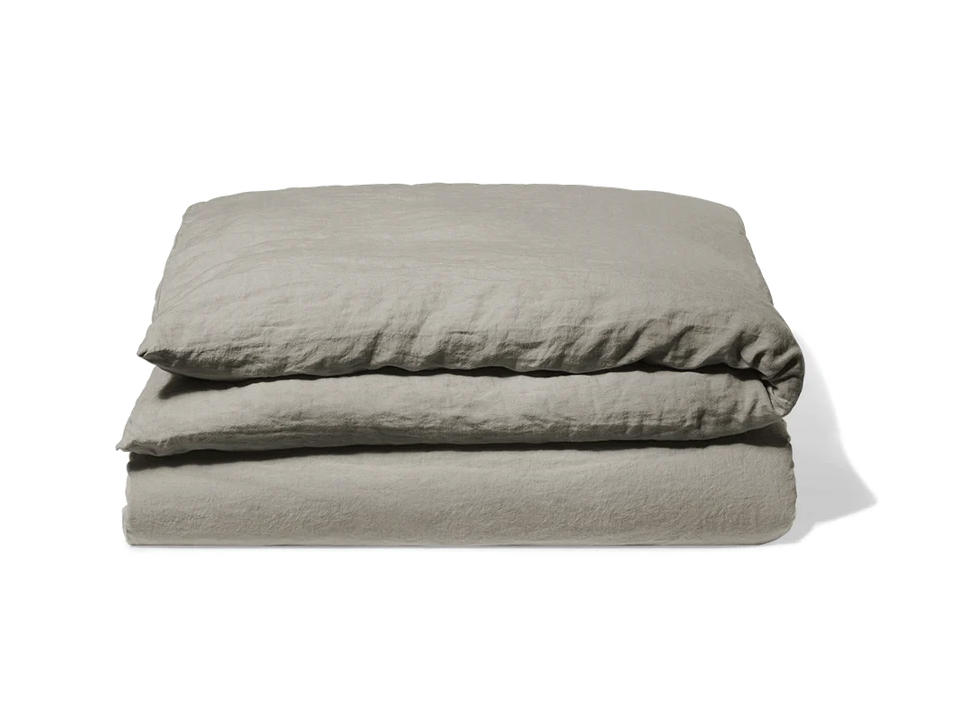
Some bedding tries too hard. It arrives shiny, stiff, over-packaged, and vaguely dramaticlike it expects applause before you have even made the bed. A washed linen duvet cover in Digoin Grey takes the opposite approach. It is relaxed, quietly elegant, breathable, and charmingly wrinkled in the way only good linen can be. It says, “Yes, I look this effortless,” while secretly doing a lot of practical work behind the scenes.
The appeal of a washed linen duvet cover – Digoin Grey comes from the meeting point of texture, comfort, and color. Washed linen has that already-loved softness that makes a bed feel inviting from day one. Digoin Grey, meanwhile, is a versatile neutral: softer than charcoal, moodier than plain white, and far more forgiving than bedding that panics at the sight of a coffee mug. Whether your bedroom style leans minimalist, rustic, modern, French country, coastal, or “I bought one nice lamp and now I’m an interior designer,” this duvet cover fits beautifully.
In this guide, we’ll explore what makes washed linen special, why Digoin Grey is such a practical and stylish shade, how to style it, how to care for it, and what real-life experience with linen bedding actually feels like. Spoiler: it wrinkles. Also spoiler: that is part of the charm.
What Is a Washed Linen Duvet Cover?
A duvet cover is the protective, removable layer that slips over a duvet insert. Think of it as a pillowcase for your comforter, only bigger, cozier, and much more important to the overall look of your bedroom. A washed linen duvet cover is made from linen fabric that has been pre-washed or garment-washed to soften the fibers and create a more relaxed texture.
Linen itself is made from flax fibers, which are known for their strength, breathability, and naturally textured appearance. Unlike some fabrics that try to look perfectly smooth, linen proudly shows a little movement. Its slubs, folds, and natural wrinkles are not flaws; they are the fabric’s personality. Washed linen takes that personality and softens it, making the material feel less crisp and more lived-in.
Why the “Washed” Finish Matters
The washed finish is what gives this type of duvet cover its casual luxury. Brand-new untreated linen can feel firm at first, but washed linen starts off gentler against the skin. The process also enhances the fabric’s drape, helping it fall over the bed in that beautiful, slightly rumpled way seen in boutique hotels, design magazines, and bedrooms owned by people who somehow never lose their phone charger.
A washed linen duvet cover is especially appealing because it usually gets softer with use. Every wash helps loosen the fibers a little more, so the bedding develops character over time. Instead of wearing out quickly, quality linen tends to wear in. That makes it a strong choice for anyone who wants bedding that feels better after real life has happened to it.
Why Choose Digoin Grey?
Color matters more than many people realize. A duvet cover occupies a large visual space in the bedroom, so the shade you choose can change the entire mood of the room. Digoin Grey is a particularly smart choice because it balances warmth, neutrality, and depth.
Unlike cold industrial gray, Digoin Grey often reads as soft, natural, and slightly earthy. It has the kind of muted elegance that works with many palettes. Pair it with white sheets for a crisp look, beige or oatmeal accents for warmth, navy for contrast, sage green for a calm botanical feel, or black metal lighting for a modern edge. It is neutral without being boring, which is basically the bedding equivalent of having excellent dinner conversation without dominating the table.
A Color That Hides Everyday Life
One practical advantage of grey bedding is that it is more forgiving than bright white. White bedding is classic, yes, but it also has a flair for exposing every speck, smudge, and mysterious household mark. Digoin Grey offers a more relaxed approach. It still looks refined, but it does not demand museum-level maintenance.
For homes with pets, kids, midnight snackers, or adults who insist they are “careful” while drinking tea in bed, grey linen is a sensible choice. It can help disguise minor signs of use between washes while still looking polished. In short, Digoin Grey understands that life happensand occasionally sheds fur.
The Comfort Benefits of Washed Linen Bedding
The main reason people fall in love with linen bedding is comfort. A linen duvet cover feels different from cotton, microfiber, or sateen. It has texture, weight, and breathability all at once. It does not cling in the same way synthetic fabrics sometimes do, and it tends to feel airy rather than heavy.
Washed linen is particularly useful for sleepers who want bedding that works across seasons. In warm weather, linen allows airflow and helps moisture evaporate. In cooler months, it layers beautifully with blankets, quilts, or a warmer duvet insert. The result is bedding that can feel cool, cozy, and balanced depending on how you style it.
Great for Hot Sleepers
If you often wake up feeling overheated, linen deserves a spot on your shortlist. Its natural breathability makes it popular for people who want a cooler sleep environment. A washed linen duvet cover will not magically turn your bedroom into a mountain cabin in July, but it can help reduce that trapped, stuffy feeling that less breathable fabrics sometimes create.
The loose, textured weave of linen encourages air circulation. This makes it especially useful when paired with a breathable duvet insert, such as one filled with lightweight down, down alternative, wool, or other temperature-conscious materials. The cover and insert should work together. Putting a breathable linen cover over a heat-trapping insert is like wearing running shoes with a winter parka to the gymtechnically possible, but not the best plan.
Softness That Improves Over Time
One of the best things about washed linen is that it becomes more comfortable with use. Many fabrics look their best on day one and slowly decline from there. Linen takes a more interesting path. It relaxes, softens, and develops a gentle drape that feels personal. The more you live with it, the more it feels like it belongs in your room.
This is why linen fans often talk about their bedding like it is a long-term relationship. It may not be perfectly smooth or instantly silky, but it grows on you. Eventually, you may find yourself judging every other fabric for trying too hard.
Design Appeal: Relaxed Luxury Without the Fuss
A washed linen duvet cover in Digoin Grey is ideal for creating the relaxed luxury look. This style is not about perfection. It is about comfort, natural materials, soft layers, and a room that feels beautiful without looking staged. The bed should look inviting, not like it is afraid someone might sit on it.
The natural wrinkles of linen help create visual depth. On a flat cotton duvet cover, wrinkles may look accidental. On linen, they look intentional. That is one of the great design cheats of linen bedding: it makes being slightly imperfect look expensive.
How to Style Digoin Grey Linen
For a clean and calm bedroom, pair a Digoin Grey duvet cover with white or ivory sheets, pale wood furniture, and simple ceramic accessories. Add one textured throw pillow, not seventeen. Your bed is not auditioning to become a pillow showroom.
For a warmer look, combine Digoin Grey with beige, taupe, camel, rust, or muted terracotta. These shades bring out the earthy side of grey and make the room feel cozy without becoming dark. This combination works beautifully in bedrooms with wood floors, woven baskets, linen curtains, or vintage-style rugs.
For a modern look, pair Digoin Grey with black accents, smoked glass lamps, matte metal hardware, and crisp white walls. The linen texture prevents the room from feeling too severe, while the grey color keeps everything grounded.
For a French-inspired look, layer the duvet with striped pillowcases, antique brass lighting, a carved wood nightstand, and perhaps a slightly dramatic mirror. The goal is “effortless countryside guest room,” not “I accidentally moved into a historical reenactment.”
Key Features to Look For
When shopping for a washed linen duvet cover, the details matter. Small construction choices can affect how the cover feels, performs, and holds up over time. A good linen duvet cover should be attractive, durable, and easy to use.
Fabric Weight
Linen bedding often comes in different fabric weights. A medium-weight linen is usually ideal for duvet covers because it offers structure without feeling too heavy. Lightweight linen can feel airy and relaxed, while heavier linen may provide a more substantial drape. For year-round use, a balanced weight is often the most versatile choice.
Closure Style
Common duvet cover closures include buttons, ties, zippers, and envelope-style flaps. Buttons can look classic and decorative, especially if they are made from natural materials such as mother-of-pearl. Zippers are convenient and streamlined. Interior corner ties are especially helpful because they keep the duvet insert from migrating into one corner like it is trying to escape.
Seam Quality
Look for neat seams and solid stitching. Linen is strong, but poor construction can shorten the life of any bedding. Reinforced edges and well-finished interior seams help the duvet cover withstand regular washing and nightly use.
Size Compatibility
Always check the measurements of both your duvet insert and duvet cover. Sizes can vary by brand, and a poor fit can be annoying. If the cover is too large, the insert may slide around. If it is too small, the duvet may bunch up. The dream is fluffy and even, not lumpy and suspicious.
Washed Linen vs. Cotton Duvet Covers
Cotton and linen are both popular natural fibers, but they behave differently. Cotton is usually smoother at first touch and comes in a wide range of weaves, from crisp percale to silky sateen. Linen has more texture, more visible character, and a looser, airier feel.
If you love a perfectly pressed hotel-bed look, cotton percale may be more your style. If you prefer a relaxed, layered, European-inspired bed that looks good even when slightly rumpled, washed linen is hard to beat. Linen also tends to feel more breathable, which makes it appealing for warm climates and hot sleepers.
The biggest difference is attitude. Cotton says, “I made the bed.” Linen says, “I made the bed, then had espresso near a window.” Both are valid. Linen just has better cheekbones.
How to Care for a Washed Linen Duvet Cover
Proper care helps your washed linen duvet cover stay soft, strong, and beautiful. Linen is durable, but it still appreciates gentle treatment. Fortunately, caring for it is not complicated.
Wash Gently
Use a mild detergent and wash your linen duvet cover on a gentle cycle with cool or lukewarm water. Avoid harsh detergents, bleach, and fabric softeners. Bleach can weaken natural fibers, while fabric softeners may coat the linen and reduce its natural texture and absorbency.
Dry With Care
Line drying is excellent for linen if you have the space. If you use a dryer, choose low heat and remove the cover while it is still slightly damp. This helps reduce deep wrinkles and prevents over-drying. Linen dries relatively quickly, so it does not need aggressive heat.
Skip the IronProbably
You can iron linen if you want a smoother appearance, but many people choose not to. The relaxed wrinkle is part of washed linen’s identity. Ironing a casual linen duvet cover is a bit like polishing a beach stone: possible, but not entirely necessary.
Store It Properly
Store linen bedding in a dry, breathable space. Avoid plastic bags for long-term storage because they can trap moisture. A cotton storage bag or linen closet shelf is a better option. Make sure the duvet cover is fully dry before folding it away.
Who Should Buy a Washed Linen Duvet Cover in Digoin Grey?
This duvet cover is a strong choice for anyone who values natural texture, breathable comfort, and timeless color. It is especially suitable for hot sleepers, design lovers, people who prefer low-maintenance elegance, and anyone building a bedroom around soft neutrals.
It is also ideal for people who dislike bedding that looks too formal. Washed linen is beautiful, but it is not fussy. It can handle a little wrinkling, layering, and everyday use. In fact, it looks better when it is not trying too hard.
Who Might Not Love It?
If you want perfectly smooth bedding with a crisp, polished finish every day, linen may not be your favorite. It wrinkles naturally, and even high-quality washed linen has texture. Some people love that. Others see one crease and reach for the iron with heroic urgency.
Also, quality linen can cost more than basic cotton or microfiber. However, because linen is durable and often improves with age, many buyers view it as a long-term investment rather than a quick bedding refresh.
Practical Styling Examples
Imagine a queen bed with a Digoin Grey washed linen duvet cover, white linen pillowcases, a natural oak headboard, and a single wool throw in oatmeal. The room feels calm, soft, and grounded. It is minimal, but not cold.
Now picture the same duvet cover with dark green velvet pillows, black sconces, and a vintage rug with faded burgundy and navy tones. Suddenly, the grey becomes moody and sophisticated. It supports the stronger colors without competing with them.
In a coastal room, Digoin Grey works with white walls, rattan lighting, pale blue accents, and weathered wood. It brings a slightly stormy, natural tone that keeps the space from feeling too sweet. In a city apartment, it pairs well with concrete, metal, and modern art. This flexibility is one of the main reasons grey linen bedding remains so popular.
Experience: Living With a Washed Linen Duvet Cover – Digoin Grey
Using a washed linen duvet cover – Digoin Grey in everyday life feels different from admiring it in a product photo. In pictures, it looks calm and elegant. In real life, it becomes part of the rhythm of the bedroom. You notice it when you pull the duvet up at night, when you make the bed in the morning, and when sunlight hits the fabric and reveals all those soft, natural folds.
The first experience many people have with washed linen is surprise. It does not feel slick or overly smooth. Instead, it has a dry, breathable hand-feel that becomes more comforting the longer you use it. At first, you may compare it to cotton and wonder why it feels so textured. After a few nights, that texture starts to feel intentional and cozy. It is the fabric equivalent of a relaxed weekend breakfast: not fancy in a stiff way, but deeply satisfying.
Digoin Grey is especially pleasant to live with because it changes subtly throughout the day. In bright morning light, it may look soft and airy. In evening light, it becomes deeper and more cocoon-like. This makes the bedroom feel layered without requiring a complicated color scheme. You can keep the rest of the room simple and still have a bed that looks thoughtfully designed.
There is also a practical emotional benefit to grey linen: it lowers the pressure. White bedding can feel beautiful but demanding. Dark bedding can sometimes feel heavy. Digoin Grey sits comfortably in the middle. It looks clean without being precious, relaxed without looking messy, and stylish without demanding a complete bedroom makeover. It is the kind of color that lets real life exist in the room.
Making the bed with a linen duvet cover takes a little acceptance. It will not lie perfectly flat like a showroom display, and that is okay. Give it a shake, smooth it lightly with your hands, fold the top edge down, and let the fabric do what linen does. The result is casual and inviting. A few wrinkles make the bed look softer, not neglected. This is excellent news for anyone who believes mornings should involve coffee before precision folding.
After washing, the experience improves. The linen softens, the drape becomes more fluid, and the cover begins to feel more personal. The first wash may introduce more texture, but that is part of the process. Over time, the duvet cover feels less like a new purchase and more like a favorite household object. It becomes the bedding you reach for because it feels familiar, breathable, and quietly luxurious.
One specific example: in a neutral bedroom with white walls and wood furniture, a Digoin Grey linen duvet cover can act as the anchor. Add two white pillows, two grey linen shams, and a textured beige throw at the foot of the bed. The whole setup looks intentional, but it takes very little effort. Another example: in a darker bedroom with navy walls, the same grey cover softens the space and prevents the room from feeling too heavy. It brings balance.
The real joy of this bedding is that it does not need perfection to look good. It suits busy households, slow Sunday mornings, quick weekday bed-making, and bedrooms where comfort matters as much as appearance. It is elegant, but not fragile. Beautiful, but not bossy. And yes, it wrinklesbut in the charming linen way, not the “forgot laundry in the dryer for three days” way. Mostly.
Conclusion
A washed linen duvet cover – Digoin Grey is a smart choice for anyone who wants bedding that feels breathable, looks effortlessly elegant, and works with many bedroom styles. Its washed finish gives it softness and relaxed texture, while the grey shade offers versatility, practicality, and quiet sophistication. It can look modern, rustic, coastal, French-inspired, or minimalist depending on how you style it.
The beauty of washed linen is that it does not demand perfection. It embraces texture, soft wrinkles, natural movement, and real life. With proper care, it can become softer and more comfortable over time, making it more than just a decorative upgrade. It is bedding that earns its place night after night.
Note: This article is written for web publication in standard American English and is based on real textile, bedding-care, and interior styling information, rewritten naturally without source links or unnecessary citation placeholders.












