
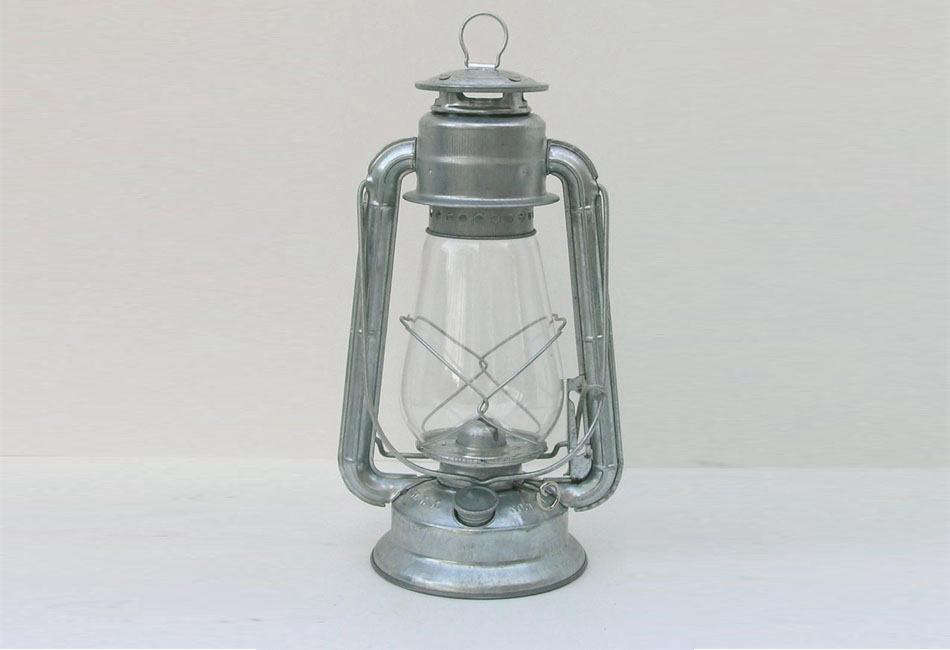
Some products try very hard to look “vintage.” The W. T. Kirkman No. 1 “Little Champ” Cold Blast Lantern does not have to try. It already looks like it wandered in from a barn, a rail siding, or a back porch that somehow survived three generations of weather and family stories. That is part of its charm. The other part is simpler: this little lantern is not just handsome; it is useful.
In a world stuffed with plastic emergency lights and rechargeable gadgets that disappear into drawers the second you need them, the Little Champ offers something delightfully old-school: visible mechanics, honest materials, and a flame you can actually understand. It is a compact cold blast lantern built in the style of classic American tubular lanterns, and it remains popular because it balances historical character with practical performance.
Kirkman positions the No. 1 Little Champ as the 3/4-size companion to the No. 2 Champion, making it the smallest lantern in the brand’s premium signature lineup. On paper, that means a lantern roughly 12 inches tall, using a 5/8-inch wick, with a 9-ounce fount and about a 12-hour burn time. In plain English, it means this: the Little Champ is compact enough to feel manageable, but capable enough to avoid becoming mere shelf décor. It is a tiny metal overachiever.
What Makes the Little Champ Different?
The first reason the Little Champ stands out is right in the name: cold blast. That phrase is not old-timey marketing fluff. It refers to the lantern’s airflow design. Earlier hot-blast tubular lanterns recycled part of the spent air back through side tubes. Cold-blast lanterns improved on that idea by routing fresh air down to the burner while expelling exhaust separately. The result was a brighter, more efficient flame and better performance in wind than many earlier lantern designs.
That design matters because a lantern is only as good as its ability to keep burning when conditions stop being polite. A cold-blast lantern is built for movement, weather, and work. That is why lanterns in this family became associated with railroads, barns, general utility use, and workshops throughout the late nineteenth and early twentieth centuries. In other words, these were not parlor divas. They were practical tools with soot under their fingernails.
The Little Champ keeps that heritage alive in a smaller format. Kirkman’s current version uses a #201 Wing-Lock burner with a brass wick tube, a feature meant to improve operation and wind resistance. It also uses a full-weight pressed globe and a bright galvanized finish that intentionally echoes the unpainted lanterns that were common from the early 1900s into the mid-twentieth century.
Size, Output, and Why “Small” Does Not Mean “Weak”
One of the smartest things about the W. T. Kirkman No. 1 Little Champ Cold Blast Lantern is that it knows what it is. It does not pretend to be a floodlight. It does not try to out-muscle a larger No. 2 lantern. Instead, it succeeds by being usefully compact. The average output is around 9 candlepower, which is enough for porch use, ambient work light, campsite tasks, or gentle off-grid lighting around a small room or cabin corner.
That level of light is best understood as functional atmosphere. You can read by it if you are close, move about confidently, and create a warm, useful circle of illumination. What you are not getting is stadium lighting, and that is fine. Expecting a compact wick lantern to perform like a modern LED shop light is like expecting a cast-iron skillet to act like a microwave. Wrong tool, wrong attitude, and possibly a fire hazard if you get creative.
The 9-ounce fuel capacity and roughly 12-hour burn time also give the Little Champ a practical edge. It is long enough for an evening on the porch, overnight backup use in the right setting, or extended decorative duty without constant refilling. That is the sweet spot for many users: long enough to be convenient, small enough to be easy to handle, and simple enough to maintain without a degree in mechanical engineering.
Materials and Construction: Why It Feels Like a Real Lantern
A cheap lantern often tells on itself immediately. Thin metal. Weak glass. A burner that feels like it is one twist away from filing for workers’ compensation. The Little Champ earns a better reputation because its current build focuses on the parts that matter most in daily use.
Galvanized Steel Body
The bright galvanized steel version is one of the model’s biggest visual and practical strengths. Galvanized steel resists rust better than plain untreated steel, which makes sense for a lantern that might live on porches, in sheds, in cabins, or among people who say things like, “I’ll bring it inside later,” and then absolutely do not.
Full-Weight Pressed Globe
The Little Champ uses a full-weight pressed globe, and that matters more than it sounds. The globe is not just there to look period-correct. It shields the flame, influences airflow, and helps define how durable the lantern feels in real use. Kirkman’s globe size for the Little Champ also aligns with the classic smaller-lantern format shared by models like the Dietz Junior family, reinforcing the lantern’s roots in established tubular-lantern design.
Wing-Lock Burner
The improved Wing-Lock burner is one of those details collectors notice immediately and casual users come to appreciate later. A good burner affects how evenly the wick feeds, how reliably the flame behaves, and how much fiddling you need to do to keep things civilized. The brass wick tube is especially appealing because brass has a long reputation in lamp and lantern hardware for durability and stable performance.
The Historical Appeal Is Real, Not Costume-Store Fake
One reason the Little Champ is easy to like is that it taps into a very specific slice of American lighting history. Tubular lanterns evolved as kerosene lighting matured, and cold-blast designs became valued for their brighter, steadier, more weather-tolerant flame. Museum collections across the United States still show cold-blast lanterns tied to railroad work, general utility use, farms, workshops, and signaling.
The Little Champ lives in that tradition without pretending to be a museum relic. It is a modern production lantern sold in a historical style. That distinction matters. You are not buying an antique with mystery dents, a questionable burner, and a family legend attached to it by an optimistic online seller. You are buying a lantern that aims to deliver the historic look and much of the historic feel with the convenience of current production and parts support.
There is also an important modern footnote: Kirkman’s current listing states that this lantern is made in China using original American Dietz tooling. Some buyers will love that connection to classic tooling. Others will wish the manufacturing stayed domestic. Either reaction is understandable. What matters most is that the design language remains faithful enough to satisfy people who care about lantern heritage and useful enough to satisfy people who just want a dependable wick lantern that does not look like a prop from a restaurant wall.
How the Little Champ Fits Into Modern Life
The strongest argument for the W. T. Kirkman No. 1 Little Champ Cold Blast Lantern is not nostalgia alone. It is versatility. This lantern works surprisingly well across several modern roles.
Porch and Patio Lighting
This may be the model’s easiest win. The Little Champ throws a warm, steady light that feels welcoming rather than harsh. On a porch table, wall hook, or patio corner, it brings real atmosphere without trying too hard. It looks appropriate in rustic spaces, but it can also work in cleaner, more modern settings where one authentic object does the decorating heavy lifting for the whole area.
Cabin, Shed, and Off-Grid Use
If you spend time in cabins, workshops, garden sheds, or places where electricity is unreliable or intentionally absent, the Little Champ makes sense. It is small enough to carry easily, sturdy enough to hang, and simple enough to operate without depending on outlets, apps, or batteries that died in 2024 and never told anyone.
Historical, Living-History, and Decorative Use
Because the galvanized finish and cold-blast form are visually tied to period lanterns, the Little Champ also appeals to reenactors, historic-site decorators, and anyone trying to create a more authentic old-house or old-camp aesthetic. It looks right because its proportions, hardware, and globe shape come from a design lineage that was genuinely used in working environments.
Fuel, Maintenance, and Safety: The Part Where Common Sense Earns a Raise
A lantern like this rewards good habits. It also punishes bad ones in the traditional way: with smoke, smell, soot, and your own regret. Kirkman’s fuel guidance and care notes make a few points very clear. Use an appropriate lamp oil or approved kerosene-type fuel. Keep the burner clean. Avoid tinted or dyed oils that can gum the wick. Never use gasoline, paint thinner, or other highly volatile fuels in a wick lantern. That is not “adventurous.” That is how you accidentally become a cautionary tale at the hardware store.
For many users today, cleaner-burning lamp oils or kerosene substitutes are attractive because they tend to be less smelly than standard kerosene, especially indoors. Wick care matters too. A lantern flame should be adjusted with some patience, because the flame often rises a bit after the lantern warms up. If you crank the wick too high too fast, the lantern will usually let you know by producing soot like it is auditioning for a Victorian chimney sweep convention.
Basic upkeep is refreshingly simple: inspect the globe for cracks, keep the burner clean, brush char off the wick when needed, and avoid letting the lantern run dry. In freezing weather, traditional care guidance also recommends lighting the lantern outside first to reduce the chance of globe breakage.
One more modern reality check is worth stating plainly. Even though lanterns like the Little Champ are often appreciated for preparedness and off-grid use, federal emergency guidance today often recommends battery-powered lighting as the first choice during many power outages, especially in damaged homes or where gas leaks may be possible. An open-flame lantern still has a place, but it should be used with ventilation, fuel discipline, and a clear understanding of where open flame is and is not appropriate.
Who Will Love This Lantern Most?
The Little Champ is a strong choice for several kinds of buyers. First, it is excellent for people who want a real working hurricane lantern in a manageable size. Second, it suits homeowners, cabin owners, and porch enthusiasts who want practical light with serious visual character. Third, it appeals to collectors and history-minded users who appreciate the continuity between old cold-blast lantern design and current production.
If you want the biggest, brightest tubular lantern possible, move up to a larger model. If you want zero maintenance and maximum convenience, buy an LED. But if you want a lantern that is compact, historically grounded, attractive, and still genuinely useful, the Little Champ occupies a very satisfying middle ground.
Final Verdict
The W. T. Kirkman No. 1 “Little Champ” Cold Blast Lantern succeeds because it respects the old formula without becoming trapped by it. It is not oversized, overcomplicated, or overhyped. It gives you the essentials of the classic American cold-blast lantern in a trim, appealing package: galvanized durability, a proven airflow concept, a serviceable wick system, and enough light for real-world use.
More than that, it delivers a kind of lighting experience modern products rarely bother with. It asks you to slow down, to trim a wick, to notice fuel, to understand flame, and to accept that useful objects can also be beautiful. The Little Champ is not just a lantern. It is a reminder that good design often comes from old problems being solved very well. And yes, it looks terrific while doing it.
Experience: Living With the Little Champ
The experience of using the Little Champ is one of the main reasons people become attached to it. On the first evening, it may look like a handsome metal object. By the third or fourth use, it starts to feel more like a ritual. You lift it by the bail, notice the solid balance, add fuel carefully, and light it with a little more patience than modern life usually asks from you. Then the lantern begins to warm, the flame settles, and the light changes from “there it is” to “now the room feels different.”
On a porch, the effect is especially good. The glow is warm without being sleepy, and the metal cage throws subtle lines and shadows that make the lantern feel alive. Electric bulbs tend to flatten space. The Little Champ shapes it. A railing, a wooden chair, a potted fern, a coffee mug on a side table; everything looks more intentional in that circle of light. The lantern does not scream for attention, but it quietly wins the scene anyway.
In an outdoor setting, the cold-blast design shows why this style lasted for so long. A mild breeze that would bully a candle or make a lesser flame misbehave usually feels much less dramatic here. The light remains steady enough to be useful, and that steadiness creates confidence. You stop treating the lantern like a fragile mood prop and start treating it like what it is: a legitimate tool with good manners.
There is also something satisfying about the scale. A larger lantern can feel imposing; this one feels companionable. It is easy to move from porch to shed, from picnic table to hook, from cabin shelf to workbench. You do not need a grand plan to use it. The Little Champ fits into ordinary routines, which is why it tends to get used more often than decorative lanterns that are technically beautiful but practically lazy.
The sensory details are part of the appeal too. There is the faint mechanical feel of the burner control, the soft sound of the globe and frame when handled, the mild warmth rising off the top, and that unmistakable living flame behind glass. It is not silent in the emotional sense. It announces its presence in a gentler language than electronics do. Instead of a power button and a status light, you get flame, metal, heat, and attention.
Of course, the experience also teaches respect. If the wick is set too high, the lantern tells you. If the fuel choice is poor, the lantern tells you. If you skip cleaning, the lantern definitely tells you. This is a product that rewards users who meet it halfway. That is not a flaw. It is part of the relationship. The Little Champ is simple, but not mindless.
Perhaps the best way to describe living with it is this: the lantern changes the tempo of a space. It makes people pause. Guests ask about it. Children stare at it. Adults who claimed not to care suddenly have opinions about galvanized steel, wick trimming, and whether one lantern could possibly improve an entire back porch. It can. That is the trick. The Little Champ does not just provide light; it creates atmosphere, conversation, and a small sense of continuity with the way useful things used to be made. In a very practical package, it delivers something modern lighting often forgets to offer: character.











