
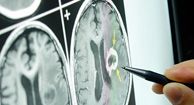
Feeling dizzy after standing up too quickly is common. Suddenly seeing double, staggering to one side, slurring your words, and feeling as though the room has become an amusement-park ride is another matter entirely. Those symptoms may point to a problem in the vertebrobasilar circulationthe network of arteries responsible for supplying blood to some of the brain’s most essential control centers.
Vertebrobasilar circulatory disorders include conditions that reduce, interrupt, or redirect blood flow through the vertebral and basilar arteries. Depending on the cause and severity, the result may be a brief transient ischemic attack, ongoing vertebrobasilar insufficiency, or a potentially devastating posterior circulation stroke. Because symptoms can resemble an inner-ear problem, migraine, medication side effect, or ordinary dizziness, recognizing the dangerous patterns is especially important.
What Is the Vertebrobasilar Circulation?
The brain receives blood through two major arterial systems. The carotid arteries primarily supply the front and middle portions of the brain, while the vertebral arteries travel upward through the neck and enter the skull. Inside the skull, the two vertebral arteries join to form the basilar artery.
Together, these vessels form the posterior circulation. They deliver oxygen-rich blood to the brainstem, cerebellum, occipital lobes, thalamus, and parts of the temporal lobes. These areas help control balance, coordination, eye movements, vision, swallowing, breathing, consciousness, and many other functions nobody appreciates until they suddenly stop cooperating.
What Does “Vertebrobasilar Insufficiency” Mean?
Vertebrobasilar insufficiency, commonly abbreviated as VBI, means that blood flow through the vertebral or basilar arteries is inadequate for the needs of the brain tissue they supply. The shortage may be temporary, intermittent, or persistent.
VBI is not exactly the same as a stroke. It describes impaired circulation and may produce reversible symptoms without permanent tissue damage. However, it can also warn of an impending posterior circulation stroke, so treating it as “just one of those dizzy spells” is not a safe strategy.
Types of Vertebrobasilar Circulatory Disorders
Vertebrobasilar Transient Ischemic Attack
A transient ischemic attack, or TIA, occurs when blood flow to part of the brain is interrupted temporarily. Symptoms may disappear within minutes or hours, but the event is still an emergency. A TIA can be the neurological equivalent of a smoke alarm: the fact that the noise stopped does not prove the building is fine.
Posterior Circulation Ischemic Stroke
An ischemic stroke develops when an artery becomes blocked and brain tissue is deprived of oxygen. Posterior circulation strokes can involve the brainstem, cerebellum, thalamus, or visual cortex. Although some produce familiar signs such as weakness or speech difficulty, others mainly cause imbalance, double vision, vertigo, vomiting, or loss of coordination.
Basilar Artery Occlusion
A basilar artery occlusion is a blockage of the basilar artery and is among the most dangerous posterior circulation emergencies. Severe cases may impair breathing, consciousness, swallowing, and movement throughout the body. A large brainstem stroke can cause locked-in syndrome, in which a person remains conscious but loses nearly all voluntary muscle movement except certain eye movements.
Vertebral Artery Dissection
A vertebral artery dissection occurs when a tear forms within the artery wall. Blood can collect between its layers, narrowing the channel or encouraging clot formation. Dissection may happen spontaneously or be associated with neck injury, connective tissue disorders, sudden neck movement, or other vascular abnormalities. It is an important cause of posterior circulation stroke in younger and middle-aged adults.
Subclavian Steal Syndrome
In subclavian steal syndrome, narrowing in a subclavian artery causes blood to reverse direction through a vertebral artery to supply an arm. Some people have no symptoms, while others develop dizziness, imbalance, visual changes, or arm fatigue, particularly during arm exertion. The name sounds like a minor character in a heist movie, but it describes a genuine circulatory detour.
Rotational Vertebral Artery Syndrome
Also called bow hunter’s syndrome, this rare disorder occurs when turning the head mechanically compresses a vertebral artery. Symptoms may include vertigo, faintness, visual disturbance, or imbalance that reliably appears with a particular neck position. Dynamic vascular imaging may be needed because an artery can appear normal while the head is facing forward.
Common Causes of Vertebrobasilar Disorders
Atherosclerosis
Atherosclerosis is one of the most common causes of vertebrobasilar insufficiency. Cholesterol, calcium, inflammatory material, and other substances accumulate inside artery walls, forming plaque. As plaque grows, the artery narrows and becomes less capable of delivering blood. Plaque can also rupture, encouraging a clot that blocks the vessel locally or travels farther into the brain.
Blood Clots and Emboli
A clot may form directly inside a diseased vertebral or basilar artery. Alternatively, an embolus can travel from another location, including the heart. Atrial fibrillation and certain heart conditions allow blood to pool and clot, creating material that may eventually lodge in a cerebral artery.
Small-Vessel Disease
Long-term high blood pressure and diabetes can damage small penetrating arteries supplying the brainstem and other posterior circulation structures. These tiny vessels may eventually narrow or close, causing small but strategically located strokes. In the brainstem, “small” does not necessarily mean “minor.” A tiny lesion in the wrong spot can disrupt swallowing, balance, movement, or breathing.
Artery Dissection and Trauma
A tear in a vertebral artery may follow a motor vehicle crash, sports injury, fall, or abrupt neck movement. Some dissections occur without a clear trigger. Sudden neck pain or an unusual headache followed by vertigo, imbalance, double vision, facial numbness, or weakness deserves prompt medical assessment.
Less Common Causes
Other causes include inflammation of blood vessels, inherited connective tissue disorders, fibromuscular dysplasia, congenital artery abnormalities, excessive arterial twisting or enlargement, external compression, and conditions that make blood clot too easily. Determining the mechanism matters because treatment for plaque-related disease may differ significantly from treatment for a dissection, heart-generated embolus, or inflammatory disorder.
Risk Factors You Should Know
Many vertebrobasilar stroke risk factors are the same ones associated with stroke elsewhere in the brain. Some cannot be changed, including age, family history, previous stroke, and certain inherited vascular conditions. Many others are modifiable.
- High blood pressure: Chronic hypertension damages artery walls and accelerates plaque formation.
- High LDL cholesterol: Elevated cholesterol contributes to atherosclerotic plaque.
- Smoking: Tobacco damages blood vessels, promotes clotting, and reduces the blood’s oxygen-carrying capacity.
- Diabetes: High blood glucose injures both large and small blood vessels.
- Atrial fibrillation: This irregular heart rhythm increases the risk of embolic stroke.
- Physical inactivity and obesity: Both contribute to hypertension, diabetes, and unhealthy cholesterol levels.
- Excessive alcohol use: Heavy drinking can raise blood pressure and triglycerides.
- Existing artery disease: Coronary, carotid, subclavian, or peripheral artery disease may signal widespread atherosclerosis.
Managing blood pressure, cholesterol, diabetes, smoking, physical activity, weight, and heart conditions can substantially reduce overall stroke risk. Unfortunately, arteries do not award extra credit for good intentions; consistent treatment is what counts.
Symptoms of Vertebrobasilar Circulatory Disorders
Posterior circulation symptoms vary because the affected vessels supply several compact but highly important brain regions. Symptoms often begin suddenly and may occur in combinations.
- Vertigo or an intense spinning sensation
- Severe imbalance or inability to walk normally
- Loss of coordination in an arm or leg
- Double vision, blurred vision, or partial vision loss
- Rapid, involuntary eye movements
- Slurred speech
- Difficulty swallowing
- Facial numbness or weakness
- Weakness or numbness affecting one or both sides
- Sudden nausea and vomiting with neurological symptoms
- Confusion, unusual drowsiness, or reduced consciousness
- A sudden severe headache, particularly with arterial dissection or bleeding
Vertigo by itself is often caused by a benign inner-ear disorder. However, vertigo accompanied by new double vision, slurred speech, severe imbalance, weakness, numbness, or inability to stand is far more concerning. Brainstem strokes can occur without the classic one-sided weakness many people associate with stroke.
Remember B.E. F.A.S.T.
The American Stroke Association promotes the B.E. F.A.S.T. warning signs: Balance loss, Eye or vision changes, Face drooping, Arm weakness, Speech difficulty, and Time to call 911. The first two letters are particularly useful for recognizing posterior circulation stroke.
When to Call 911
Call 911 immediately for sudden neurological symptoms, even when they improve. Do not drive yourself to the hospital, wait for a routine appointment, or perform online balance tests between commercial breaks. Emergency medical teams can begin assessment during transport and alert a stroke center before arrival.
How Vertebrobasilar Disorders Are Diagnosed
Diagnosis begins with the timeline. Clinicians need to know when the person was last known to be well, whether symptoms began suddenly, whether they are continuous or intermittent, and whether head position or arm activity triggers them.
Neurological Examination
The examination may assess eye movements, visual fields, speech, facial sensation, swallowing, coordination, strength, walking, and alertness. In trained hands, specialized bedside eye-movement testing can help distinguish certain central causes of continuous vertigo from common inner-ear disorders. It should not be treated as a do-it-yourself diagnostic challenge.
CT and CT Angiography
A noncontrast head CT can quickly identify bleeding and other urgent abnormalities. CT angiography uses contrast material to show arteries in the head and neck, including narrowed, blocked, or dissected vertebral arteries. Early posterior circulation ischemia may not always be obvious on an ordinary CT scan, so normal initial imaging does not automatically end the investigation when symptoms remain suspicious.
MRI and MR Angiography
Brain MRI, particularly diffusion-weighted imaging, is sensitive for many acute ischemic strokes. MR angiography can evaluate the vertebral, basilar, and other intracranial arteries. Even MRI can occasionally miss a very early or small posterior circulation lesion, so clinicians interpret imaging alongside symptoms and examination findings.
Additional Testing
Depending on the situation, testing may include blood glucose measurement, blood counts, clotting studies, cholesterol testing, electrocardiography, heart rhythm monitoring, echocardiography, ultrasound, or catheter angiography. Catheter angiography provides detailed vessel images but is invasive, so it is generally reserved for selected cases or planned procedures.
Treatment Options
Treatment depends on whether the person is experiencing an acute stroke, a TIA, chronic artery narrowing, a dissection, or another vascular disorder. There is no universal “vertebrobasilar pill,” much as search engines would love to sell one.
Emergency Stroke Treatment
Eligible patients with an acute ischemic stroke may receive an intravenous clot-dissolving medication. Patients with a large blocked artery, including selected basilar artery occlusions, may be candidates for endovascular thrombectomy, in which specialists guide a catheter through the blood vessels and remove the clot. Eligibility depends on timing, imaging, symptoms, bleeding risk, and other clinical factors. Current American Heart Association and American Stroke Association guidance emphasizes rapid evaluation and treatment at appropriately equipped stroke centers.
Preventing Another TIA or Stroke
For noncardioembolic disease, clinicians often use antiplatelet medication such as aspirin or another platelet inhibitor. Short-term dual antiplatelet treatment may be appropriate after certain high-risk TIAs or minor ischemic strokes, but it is not suitable for everyone and should be prescribed by a healthcare professional.
When atrial fibrillation or another heart-generated clot is responsible, anticoagulant medication may be recommended instead. Statins, blood pressure treatment, diabetes management, smoking cessation, healthy eating, physical activity, and medication adherence form the less glamorousbut extremely effectivepart of secondary prevention.
Procedures and Surgery
Angioplasty, stenting, or surgery may be considered in carefully selected patients, such as those with recurrent symptoms despite appropriate medical treatment or a correctable mechanical compression. These procedures carry risks and are not automatically preferable to medication. Decisions are usually made by neurologists, vascular specialists, neurosurgeons, and interventional teams after reviewing the exact location and cause of the problem.
Rehabilitation
Recovery may involve physical therapy for walking and balance, occupational therapy for daily tasks, speech therapy for communication or swallowing, visual rehabilitation, and psychological support. Fatigue, dizziness, fear of falling, and anxiety about another stroke can continue after hospital discharge even when outward recovery looks impressive.
Living With and Preventing Vertebrobasilar Disease
People diagnosed with vertebrobasilar artery disease should understand both their medications and their personal warning signs. Follow-up may involve neurology, primary care, cardiology, vascular medicine, rehabilitation, or other specialties.
- Take prescribed medications consistently.
- Monitor blood pressure and blood sugar as directed.
- Stop smoking and avoid secondhand smoke when possible.
- Discuss safe exercise with the medical team.
- Report recurrent dizziness, visual changes, speech problems, or imbalance.
- Ask whether driving, climbing, swimming alone, or operating machinery is currently safe.
- Keep an updated medication list and emergency contact information.
Risk reduction is usually a collection of ordinary habits rather than one dramatic intervention. The good news is that ordinary habitstaking medicine, checking blood pressure, walking regularly, and not smokingcan produce extraordinary benefits over time.
Experiences Related to Vertebrobasilar Circulatory Disorders
The following scenarios are educational composites based on commonly described clinical experiences. They do not represent specific patients and should not be used for self-diagnosis.
The “It Must Be My Ear” Experience
A person wakes up feeling as though the bedroom is rotating. Because vertigo is commonly associated with the inner ear, the first instinct is to lie down and wait. Then additional details appear: walking requires holding onto furniture, the eyes cannot focus properly, and the person’s partner notices slurred speech.
The important experience here is not simply dizziness. It is the combination of abrupt vertigo, severe imbalance, visual difficulty, and abnormal speech. A posterior circulation stroke can initially feel more like seasickness than the dramatic face droop many people expect. Calling emergency services rather than waiting for the spinning to settle can change the outcome.
The Brief Episode That Disappears
Another person experiences double vision, hand clumsiness, and difficulty pronouncing words while eating breakfast. Ten minutes later, everything returns to normal. Relief quickly replaces concern, and the temptation is to continue the day as planned.
That temporary recovery is exactly what makes a TIA easy to dismiss. The symptoms may leave no obvious disability, yet the underlying artery disease or clotting source can remain. Emergency evaluation can identify stenosis, atrial fibrillation, dissection, or another treatable problem before a larger stroke occurs. A vanished symptom is not the same as a vanished risk.
The Younger Adult With Neck Pain
A physically active adult develops an unfamiliar one-sided pain at the back of the neck after a minor sports incident. Later, the person feels unsteady and notices that objects appear doubled. Because the injury seemed trivial and the person is “too young for a stroke,” the symptoms may be blamed on muscle strain, dehydration, or exhaustion.
Vertebral artery dissection illustrates why age does not provide complete immunity from vascular emergencies. Most neck pain is not caused by dissection, and most dizziness is not a stroke. However, unusual neck or head pain followed by sudden neurological symptoms warrants urgent evaluation, particularly when balance, vision, sensation, speech, or coordination changes.
The Recovery Nobody Else Can See
After treatment for a cerebellar or brainstem stroke, a survivor may look outwardly well but still feel as though the floor moves under every step. Busy stores become overwhelming. Turning the head quickly triggers nausea. Reading is tiring because the eyes do not coordinate normally. Friends may say, “You look completely recovered,” which is meant kindly but can feel surprisingly lonely.
Posterior circulation recovery often includes invisible challenges: fatigue, visual instability, swallowing concerns, poor coordination, fear of falling, and anxiety about recurrent symptoms. Rehabilitation may be gradual and nonlinear. A difficult morning does not erase progress, and a good afternoon does not mean therapy is no longer needed. Keeping a symptom diary, attending follow-up appointments, and explaining specific limitations to family members can make daily life more manageable.
The Family Member’s Perspective
Relatives often become the first people to notice that something is wrong. They may hear unusual speech, see that the person cannot walk straight, or recognize that “I’m just dizzy” does not explain sudden confusion and double vision. Acting quickly can feel uncomfortable, especially when the affected person insists on resting at home.
In that moment, being politely persistent matters more than winning a debate. Note the time symptoms began or the last time the person was known to be normal, call 911, and gather a medication list. Do not give food, drink, aspirin, or another medication unless emergency professionals instruct you to do so, because swallowing may be unsafe and not every stroke is caused by a clot.
Conclusion
Vertebrobasilar circulatory disorders affect the arteries supplying the back of the brain, where essential functions such as balance, vision, coordination, swallowing, breathing, and consciousness are managed. Atherosclerosis is a leading cause, but blood clots, vertebral artery dissection, small-vessel disease, arterial compression, heart conditions, and uncommon vascular disorders may also be responsible.
The most useful lesson is simple: sudden vertigo becomes much more concerning when it arrives with severe imbalance, double vision, slurred speech, weakness, numbness, swallowing difficulty, or reduced alertness. Symptoms that disappear can still represent a TIA and require emergency evaluation. Fast recognition, appropriate imaging, acute stroke treatment, and long-term control of vascular risk factors can protect both survival and independence.











