
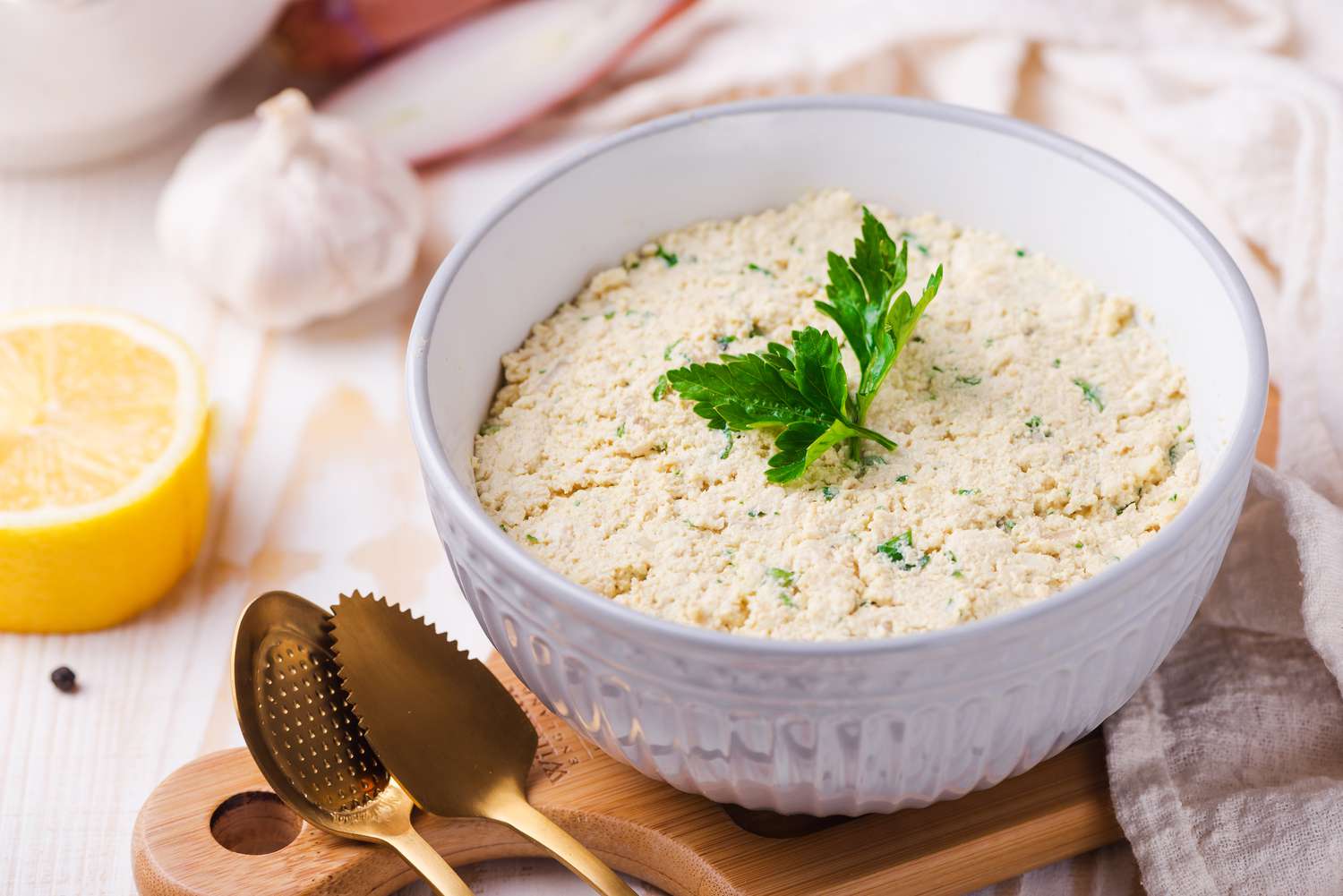
If you have ever stared into your refrigerator and wished a block of tofu could magically become creamy, savory, lasagna-ready ricotta, congratulations: today is your kitchen fairy-tale moment. This vegan tofu “ricotta” cheese recipe is dairy-free, nut-free, budget-friendly, and wonderfully fast. No soaking cashews overnight. No hunting for rare ingredients. No complicated cheese science involving a thermometer, a prayer, and a suspiciously expensive starter culture.
Instead, this recipe turns firm tofu, lemon juice, nutritional yeast, garlic, olive oil, salt, and herbs into a soft, fluffy vegan ricotta substitute that works beautifully in lasagna, stuffed shells, ravioli, pizza, toast, grain bowls, and even as a quick savory dip. It has the slightly crumbly texture people expect from traditional ricotta, but with a bright, tangy, plant-based personality of its own.
The best part? You can make it in about 5 to 10 minutes. That means you are only one food processor away from feeling like the kind of person who casually makes homemade vegan cheese on a Tuesday. Very powerful energy.
What Is Vegan Tofu Ricotta?
Vegan tofu ricotta is a dairy-free alternative to traditional ricotta cheese made primarily from tofu. It is not meant to be an exact laboratory clone of dairy ricotta. Rather, it captures the creamy, lightly grainy, spreadable texture and mild tang that make ricotta so useful in Italian-inspired dishes.
Traditional ricotta is made from whey, while tofu ricotta uses soy-based tofu as the base. Firm or extra-firm tofu is ideal because it holds structure while still blending into a soft, scoopable mixture. Lemon juice adds brightness, nutritional yeast brings a cheesy, savory flavor, garlic gives depth, and olive oil rounds everything out with richness.
This recipe is especially helpful for people who want a vegan ricotta for lasagna without cashews. Many dairy-free cheese recipes rely on nuts for creaminess, but tofu creates a lighter, protein-rich filling that is also friendly for many nut-free households.
Why You’ll Love This Vegan Tofu “Ricotta” Cheese Recipe
It’s fast enough for weeknights
You can prepare this vegan tofu ricotta in less time than it takes to boil lasagna noodles. Add everything to a food processor, pulse, taste, adjust, and you are done. It is the culinary equivalent of pressing the “easy button,” except it tastes better than a button.
It’s dairy-free and nut-free
This recipe contains no milk, cream, cheese, butter, or cashews. That makes it a practical choice for vegan cooking, dairy-free diets, and anyone looking for a lighter plant-based ricotta alternative.
It works in baked and fresh dishes
Use it in vegan lasagna, baked ziti, stuffed shells, manicotti, calzones, pizza, savory crepes, or spread it on toasted sourdough with tomatoes and basil. It holds up well in the oven but is also tasty straight from the bowl.
It is easy to customize
Want a classic Italian-style ricotta? Add basil, parsley, oregano, and garlic. Want a brighter filling for spring pasta? Add lemon zest and chives. Want a deeper umami flavor? Add white miso. This recipe is flexible, forgiving, and not interested in judging your refrigerator situation.
Ingredients for Vegan Tofu Ricotta
Basic ingredients
- 14 ounces firm or extra-firm tofu, drained: This is the creamy, crumbly base. Extra-firm tofu gives a thicker ricotta, while firm tofu creates a softer texture.
- 2 tablespoons fresh lemon juice: Adds tang and helps mimic the bright flavor of ricotta.
- 2 tablespoons nutritional yeast: Adds savory, cheesy depth without dairy.
- 1 tablespoon extra-virgin olive oil: Gives richness and a smoother mouthfeel.
- 1 teaspoon white miso paste: Optional but highly recommended for umami and subtle fermented flavor.
- 1 small garlic clove or 1/2 teaspoon garlic powder: Adds savory flavor without overpowering the mixture.
- 1/2 teaspoon fine sea salt: Enhances the flavor. Add more to taste.
- 1/4 teaspoon black pepper: Adds gentle warmth.
- 1 tablespoon chopped fresh basil or parsley: Optional, but excellent for Italian-style dishes.
- 1 to 3 tablespoons unsweetened plant milk or water: Use only if needed to loosen the texture.
Ingredient notes
For the best vegan tofu ricotta cheese, choose tofu packed in water rather than silken tofu. Silken tofu can make the mixture too smooth and pudding-like. Ricotta should be creamy, yes, but it should also have a little body and texture. Think “soft clouds,” not “salad dressing.”
Fresh lemon juice is better than bottled because it tastes brighter and cleaner. Nutritional yeast is also important because it brings that nutty, cheesy flavor commonly used in vegan cheese recipes. White miso paste is optional, but it gives the ricotta a more complex, savory flavor that makes people pause and say, “Wait, what’s in this?” in a good way.
How to Make Vegan Tofu “Ricotta” Cheese
Step 1: Drain the tofu
Remove the tofu from its package and drain off the liquid. Pat it dry with a clean towel or paper towel. You do not need to press it heavily for this recipe unless your tofu is very wet. A little moisture helps the ricotta blend, but too much can make it watery.
Step 2: Crumble the tofu
Break the tofu into chunks and add it to a food processor. If you do not have a food processor, use a mixing bowl and mash the tofu with a fork or potato masher. The hand-mashed version has a more rustic texture, which is actually fantastic for lasagna and stuffed shells.
Step 3: Add the flavor makers
Add lemon juice, nutritional yeast, olive oil, miso paste, garlic, salt, and pepper. Pulse several times until the mixture starts to come together. Scrape down the sides as needed.
Step 4: Adjust the texture
For a thick ricotta, stop when the mixture is creamy but still slightly grainy. For a smoother spread, blend a little longer and add 1 tablespoon of unsweetened plant milk or water at a time. Be careful not to overdo the liquid. Vegan ricotta should be spoonable, not pourable.
Step 5: Stir in herbs
Transfer the tofu ricotta to a bowl and stir in chopped basil, parsley, or oregano. Taste and adjust. More lemon juice makes it tangier. More nutritional yeast makes it cheesier. More salt makes it pop. More garlic makes it announce itself at the dinner table.
Recipe Card: Vegan Tofu “Ricotta” Cheese
Prep time
10 minutes
Total time
10 minutes
Yield
About 1 3/4 cups, enough for one small lasagna, one batch of stuffed shells, or several generous toast situations.
Ingredients
- 1 block firm or extra-firm tofu, about 14 ounces, drained
- 2 tablespoons fresh lemon juice
- 2 tablespoons nutritional yeast
- 1 tablespoon extra-virgin olive oil
- 1 teaspoon white miso paste, optional
- 1 small garlic clove, minced, or 1/2 teaspoon garlic powder
- 1/2 teaspoon fine sea salt, plus more to taste
- 1/4 teaspoon black pepper
- 1 tablespoon chopped fresh basil or parsley
- 1 to 3 tablespoons unsweetened plant milk or water, only if needed
Instructions
- Drain the tofu and pat it dry. Break it into chunks.
- Add tofu, lemon juice, nutritional yeast, olive oil, miso, garlic, salt, and pepper to a food processor.
- Pulse until the mixture is creamy but still slightly textured, scraping down the sides as needed.
- Add plant milk or water, 1 tablespoon at a time, only if the mixture is too thick.
- Stir in fresh herbs. Taste and adjust salt, lemon juice, or nutritional yeast.
- Use immediately or refrigerate in an airtight container.
Best Ways to Use Vegan Tofu Ricotta
Vegan lasagna
This is the classic use, and for good reason. Spread tofu ricotta between layers of noodles, marinara sauce, sautéed vegetables, and vegan mozzarella if desired. The ricotta becomes warm, creamy, and comforting without turning greasy.
Stuffed shells
Mix the tofu ricotta with chopped spinach, basil, and a pinch of nutmeg. Spoon it into cooked jumbo pasta shells, cover with marinara, and bake until bubbling. This is the kind of dinner that makes people suspiciously quiet because they are too busy eating.
Vegan pizza
Dollop small spoonfuls over pizza before baking. It pairs beautifully with roasted mushrooms, caramelized onions, spinach, tomatoes, and olives. Add it after baking if you prefer a fresher, softer finish.
Toast and sandwiches
Spread vegan tofu ricotta on toast and top with cherry tomatoes, cracked pepper, basil, and a drizzle of olive oil. It also works in grilled vegetable sandwiches or wraps when you want creaminess without mayo.
Ravioli or manicotti filling
Use this ricotta as a filling for homemade ravioli, manicotti, or savory crepes. For a firmer filling, use extra-firm tofu and avoid adding extra liquid.
Tips for the Best Texture
Do not overblend
Traditional ricotta has texture. If you blend tofu ricotta until completely smooth, it can taste more like a dip or sauce. Pulse in short bursts and stop while the mixture still has tiny curds.
Use firm tofu for balance
Firm tofu gives the best middle ground between creamy and crumbly. Extra-firm tofu works well for baked pasta because it holds up under sauce and heat.
Add liquid slowly
It is easy to thin vegan ricotta but hard to thicken it again. Add plant milk or water one tablespoon at a time. If you accidentally make it too loose, stir in a little more crumbled tofu or nutritional yeast.
Let it rest before using
If you have time, refrigerate the ricotta for 30 minutes before using. The flavors settle, the garlic mellows, and the texture firms slightly. It is a small step with a noticeable payoff.
Flavor Variations
Italian herb tofu ricotta
Add 1 teaspoon dried oregano, 1 tablespoon chopped basil, and 1 tablespoon chopped parsley. This version is ideal for lasagna, baked ziti, and stuffed shells.
Lemon basil tofu ricotta
Add 1 teaspoon lemon zest and extra fresh basil. Use it on toast, pizza, or pasta with roasted vegetables.
Spinach tofu ricotta
Stir in 1 cup cooked, squeezed-dry spinach. Make sure to remove as much liquid as possible from the spinach so your ricotta does not become watery.
Spicy tofu ricotta
Add red pepper flakes, a pinch of smoked paprika, or a little Calabrian chili paste. This version is excellent on pizza or tucked into a roasted vegetable sandwich.
How to Store Vegan Tofu Ricotta
Store vegan tofu ricotta in an airtight container in the refrigerator for up to 3 to 4 days. Stir before using, because a little moisture may separate as it sits. For the freshest flavor, add delicate herbs like basil shortly before serving.
You can freeze tofu ricotta, but the texture will change. Frozen and thawed tofu becomes more porous and crumbly, which can still work well in baked dishes like lasagna or stuffed shells. For fresh toast or dips, refrigerated ricotta tastes better.
Common Mistakes to Avoid
Using silken tofu
Silken tofu is wonderful in smoothies, puddings, and creamy sauces, but it is usually too soft for ricotta. Use firm or extra-firm tofu for the best structure.
Skipping the acid
Lemon juice is not just there for fun. It adds the tang that keeps tofu ricotta from tasting flat. Apple cider vinegar can work in a pinch, but lemon juice gives a fresher flavor.
Forgetting enough salt
Tofu is mild, which is polite but not always exciting. Salt wakes up the lemon, nutritional yeast, garlic, and herbs. Start with 1/2 teaspoon, then adjust to taste.
Making it too wet
If you plan to use tofu ricotta in lasagna or stuffed shells, keep it thick. Pasta sauce adds moisture during baking, so a slightly firm ricotta is better than a loose one.
Nutrition Benefits of Tofu Ricotta
Tofu is a useful plant-based protein made from soybeans. Depending on the brand and firmness, it can provide protein, calcium, iron, and other minerals. Because soy is considered a complete protein, tofu is especially valuable in vegan and vegetarian cooking.
Compared with many dairy-based cheese fillings, tofu ricotta can be lighter while still adding satisfying creaminess. It also contains no cholesterol because it is entirely plant-based. Of course, nutrition varies depending on the exact tofu, oil, and add-ins you use, so check labels if you are tracking specific nutrients.
What to Serve With Vegan Tofu Ricotta
This ricotta pairs well with tomato sauce, roasted eggplant, zucchini, mushrooms, spinach, kale, basil, garlic, lemon, olives, and whole-grain pasta. For a simple meal, spread it on toast and serve with a big salad. For a cozy dinner, layer it into lasagna with marinara and vegetables. For meal prep, spoon it into wraps, grain bowls, or roasted sweet potatoes.
One of the best things about this recipe is that it makes vegan cooking feel less like substitution and more like possibility. You are not just “replacing cheese.” You are creating a creamy, tangy, savory ingredient that earns its own spot in the fridge.
Kitchen Experience: What Making Vegan Tofu Ricotta Teaches You
The first time many home cooks make vegan tofu ricotta, they expect it to be complicated. There is something about the word “cheese” that makes people imagine stainless-steel equipment, aging caves, and someone named Marco telling you the humidity is wrong. But tofu ricotta is refreshingly simple. It teaches you that plant-based cooking often depends less on imitation and more on smart seasoning.
The biggest lesson is texture. At first, it is tempting to blend everything until perfectly smooth. That seems logical because creamy foods are usually blended foods. But ricotta is different. The magic is in the tiny curds. When you pulse the tofu instead of pureeing it into a paste, the mixture feels more like traditional ricotta in pasta dishes. It catches sauce, nestles into noodles, and gives every bite a soft, layered texture.
Another experience worth noting is how much flavor tofu can carry. Plain tofu is mild, but that is not a weakness. It is a blank canvas with excellent manners. Lemon juice gives it brightness, nutritional yeast adds savory depth, garlic brings warmth, and miso adds that quiet background note that makes the recipe taste more finished. After resting in the fridge, the flavors become even better. The ricotta tastes more balanced, less like separate ingredients, and more like something you meant to make all along.
This recipe is also a confidence builder. Once you make it successfully, you start seeing uses everywhere. Leftover roasted vegetables suddenly want a spoonful of tofu ricotta. A basic marinara pasta becomes more satisfying. Toast becomes lunch instead of a snack. Even a simple baked potato can become dinner when topped with tofu ricotta, herbs, and sautéed greens.
It is also a great recipe for feeding mixed groups. Some vegan recipes feel like they arrive at the table wearing a name tag that says, “Please compare me to dairy.” This one does not need that pressure. In lasagna or stuffed shells, it simply tastes creamy, savory, and comforting. Most people care more about flavor than labels, especially when the sauce is bubbling and the kitchen smells like garlic and basil.
From a practical standpoint, vegan tofu ricotta is the kind of staple that makes plant-based eating easier. It is inexpensive, quick, and adaptable. You can make it plain for multiple uses, then season portions differently throughout the week. Add spinach for pasta, lemon zest for toast, chili flakes for pizza, or extra herbs for a dip. One block of tofu can move through several meals without tasting repetitive.
The final takeaway is simple: do not underestimate humble ingredients. A block of tofu may not look glamorous when it slides out of the package, but give it lemon, garlic, salt, and a little attention, and suddenly it is the creamy center of dinner. That is the charm of vegan tofu “ricotta” cheese. It is low-drama, high-reward, and very good at making lasagna disappear.
Conclusion
This vegan tofu “ricotta” cheese recipe is creamy, tangy, easy to make, and endlessly useful. With firm tofu, lemon juice, nutritional yeast, garlic, olive oil, and herbs, you can create a dairy-free ricotta substitute that works in lasagna, stuffed shells, pizza, toast, and meal-prep bowls. It is nut-free, beginner-friendly, and ready in minutes, proving once again that tofu deserves more applause than it usually gets.
For the best result, use firm or extra-firm tofu, avoid overblending, season generously, and let the mixture rest before using when possible. Whether you are vegan, dairy-free, curious about plant-based cooking, or just trying to make a block of tofu do something impressive, this recipe is a keeper.
Note: This HTML includes only the body content for easy publishing and copying.












