
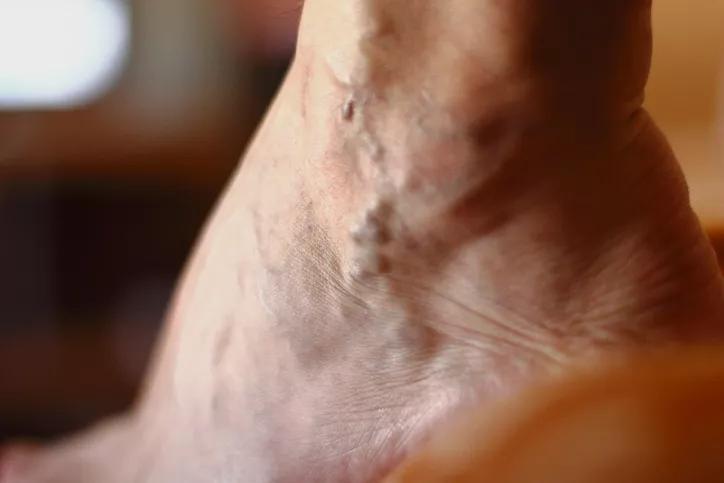
Varicose veins are one of those health topics people love to explain at family dinners, gym locker rooms, and anywhere someone can point dramatically at a leg and say, “You know what causes that?” Unfortunately, a lot of what gets passed around is not exactly medical gold. Some myths make varicose veins sound harmless. Others make them sound like a one-way ticket to a hospital bed. The truth lives somewhere in the middle: varicose veins are common, often manageable, sometimes uncomfortable, and absolutely worth understanding.
These enlarged, twisted veins usually appear in the legs, feet, or ankles. They develop when tiny one-way valves inside veins become weak or damaged, allowing blood to pool instead of moving smoothly back toward the heart. The result can be bulging blue or purple veins, leg heaviness, aching, swelling, itching, nighttime cramps, and in more serious cases, skin changes or sores near the ankle.
The good news? Varicose veins are not a personal failure, a fashion emergency, or proof that your legs have betrayed you. They are a medical condition influenced by genetics, age, hormones, pregnancy, body weight, activity level, and long hours of sitting or standing. Even better, modern treatment options are far more comfortable and convenient than many people imagine. Let’s break down the seven biggest varicose vein myths you should stop believing.
What Are Varicose Veins?
Varicose veins are swollen, enlarged veins that sit close enough to the skin’s surface to become visible. They may look rope-like, twisted, bulging, blue, purple, or red. While they can appear in different parts of the body, they most often show up in the legs because standing and walking increase pressure in the veins of the lower body.
Healthy veins use valves to keep blood moving in one direction: back to the heart. When those valves weaken, blood can flow backward and collect in the vein. This extra pressure stretches the vein wall, creating the familiar bulging appearance. Spider veins are related but smaller; they often look like thin red, blue, or purple webs on the skin. Varicose veins are usually larger and more likely to cause aching, heaviness, and swelling.
Myth 1: Varicose Veins Are Only a Cosmetic Problem
This is probably the most popular myth, and it is also one of the most misleading. Yes, varicose veins can affect how your legs look. Many people first notice them because they dislike the appearance of raised or twisted veins. But calling them “just cosmetic” is like calling a leaky roof “just a ceiling decoration.”
For many people, varicose veins cause no major symptoms. For others, they can lead to leg pain, heaviness, throbbing, burning, swelling, itching, muscle cramps, or discomfort that gets worse after standing or sitting for long periods. More advanced venous disease can cause skin discoloration, inflammation, thickened skin, bleeding from a surface vein, or venous ulcers near the ankle.
Here is a simple example: someone who works as a teacher, nurse, retail employee, chef, or hairstylist may stand for hours every day. At first, the veins may only look noticeable. Over time, the person may begin to feel end-of-day leg fatigue, ankle swelling, or a dull ache that makes evenings less enjoyable. That is not vanity. That is a quality-of-life issue.
Myth 2: Only Older Women Get Varicose Veins
Varicose veins are more common with age, and women are more likely to develop them, partly because hormonal changes can relax vein walls. Pregnancy, menopause, and hormone-related changes may all play a role. But men get varicose veins too, and younger adults can develop them as well.
Family history is one of the strongest risk factors. If your parents or grandparents had varicose veins, you may be more likely to develop them, regardless of your age or gender. Other risk factors include obesity, pregnancy, long periods of standing or sitting, previous blood clots, leg injury, and reduced physical activity.
So, no, varicose veins are not reserved for grandmothers in compression stockings, although grandmothers do tend to know a thing or two about comfort. A 32-year-old office worker, a 40-year-old delivery driver, a pregnant person in the third trimester, and a 55-year-old man who stands all day in a workshop can all experience symptoms.
Myth 3: Crossing Your Legs Causes Varicose Veins
Crossing your legs has been blamed for everything from poor posture to mysterious life problems, but it is not considered a direct cause of varicose veins. The real issue is not the occasional leg cross. The bigger problem is staying in one position for too long.
Sitting or standing for long stretches can make it harder for blood to move efficiently from the legs back to the heart. Your calf muscles act like a pump. When you walk, flex your ankles, or move your legs, those muscles help push blood upward. When you sit still for hours, that helpful pumping action slows down.
If you work at a desk, the goal is not to sit like a statue with perfect etiquette. Instead, take movement breaks. Stand up, walk around, flex your feet, raise your heels, or do a few calf raises. If you stand all day, shift your weight, walk when possible, and elevate your legs later. Your veins are not asking for a luxury spa retreat. They are asking for motion.
Myth 4: Exercise Makes Varicose Veins Worse
Many people worry that exercise will put more pressure on their veins and make symptoms worse. In reality, regular movement is one of the most helpful lifestyle habits for supporting vein health. Walking, swimming, cycling, and low-impact strength training can improve circulation, activate the calf muscles, and help manage body weight.
Exercise does not “cure” varicose veins that already exist, but it may reduce discomfort and help slow symptom progression. Walking is especially useful because every step squeezes the calf muscles, helping blood move upward. Think of your calves as the unpaid interns of circulation: they do a lot of work and rarely get thanked.
That said, not every workout feels good for every person with varicose veins. Heavy lifting, intense straining, or high-impact activities may worsen symptoms for some people. If your legs ache after exercise or you have swelling, skin changes, or pain, talk with a healthcare professional. The right activity plan should keep you moving without making your legs feel like they filed a complaint.
Myth 5: Compression Stockings Are a Cure
Compression stockings can be extremely helpful, but they are not magic erasers. They apply gentle pressure to the legs, helping blood flow upward and reducing swelling, heaviness, and discomfort. Many people feel better when they wear them during long work shifts, travel, pregnancy, or extended periods of sitting or standing.
However, compression stockings do not remove varicose veins. They manage symptoms and support circulation. For some people, that may be enough. For others, especially those with persistent pain, swelling, bleeding, skin changes, or ulcers, medical treatment may be needed.
Fit matters. Compression garments come in different strengths, lengths, and sizes. A pair that is too loose may not help much. A pair that is too tight or poorly fitted can be uncomfortable. If you have diabetes, peripheral artery disease, nerve problems, or significant swelling, ask a healthcare professional before using compression therapy. The goal is support, not turning your legs into overstuffed sausages.
Myth 6: Varicose Vein Treatment Always Means Painful Surgery
This myth may come from older stories about vein stripping, a surgical procedure that was once more common. Today, many varicose vein treatments are minimally invasive and performed in outpatient settings. Depending on the vein problem, options may include endovenous laser treatment, radiofrequency ablation, sclerotherapy, foam injections, medical adhesive closure, or ambulatory phlebectomy.
These procedures are designed to close, seal, shrink, or remove problem veins so blood reroutes through healthier veins. Many are done with local anesthesia, tiny incisions or needle punctures, and ultrasound guidance. Recovery is often much faster than people expect. Patients may be encouraged to walk soon after treatment and return to normal activities relatively quickly, depending on the procedure and medical advice.
Not everyone needs a procedure, of course. Mild varicose veins may be managed with exercise, leg elevation, compression, and avoiding long periods of sitting or standing. But if symptoms interfere with daily life, modern treatment is not automatically dramatic. In many cases, it is less “hospital soap opera” and more “doctor’s office with a very practical follow-up plan.”
Myth 7: Varicose Veins Always Come Back After Treatment
Varicose veins can return, but that does not mean treatment is pointless. Treated veins are usually closed or removed successfully, but new varicose veins can develop over time if underlying risk factors remain. Genetics, aging, pregnancy, weight changes, hormone shifts, and long hours on your feet can all continue to affect vein health.
Think of treatment like fixing a plumbing problem in one section of the house. The repaired pipe may be fine, but if the home has older plumbing, another section may need attention later. That does not mean the original repair failed. It means the system still needs maintenance.
After treatment, doctors may recommend walking, wearing compression stockings for a period of time, follow-up ultrasound exams, weight management if needed, and movement habits that support circulation. These steps help reduce symptoms and may lower the chance of future problems. A realistic approach is better than expecting a one-time treatment to make your veins permanently immune to life, gravity, and genetics.
How to Support Healthy Veins at Home
You cannot control every risk factor for varicose veins, especially family history and age. But you can build habits that support better circulation and reduce leg discomfort.
Move More Often
Walking, ankle circles, calf raises, and gentle stretching help activate the calf muscle pump. If your job keeps you seated, set reminders to stand and move. If your job keeps you standing, take short walking breaks when possible and elevate your legs after work.
Elevate Your Legs
Raising your legs above heart level for short periods can reduce swelling and pressure. This is especially helpful after long days on your feet. It is also one of the rare health tips that gives you permission to lie down, which is always a crowd favorite.
Use Compression Wisely
Compression stockings may reduce heaviness, aching, and swelling. They are especially useful during travel, pregnancy, long shifts, or prolonged sitting. For best results, choose the right size and compression level.
Manage Weight and Salt Intake
Excess weight can increase pressure on leg veins. A balanced diet and regular activity may help reduce strain. Too much sodium can contribute to fluid retention, which may worsen swelling in some people.
Avoid Clothing That Restricts Circulation
Very tight clothing around the waist, groin, or legs may interfere with comfortable blood flow. High heels can also limit the natural calf muscle movement that helps move blood upward, so lower heels or supportive shoes may be better for long days.
When Should You See a Doctor?
You should consider medical evaluation if varicose veins cause pain, swelling, heaviness, itching, cramping, or daily discomfort. You should also seek care if you notice skin discoloration, thickened skin, sores near the ankle, bleeding from a vein, warmth, redness, sudden swelling, or severe tenderness.
Sudden leg swelling, chest pain, trouble breathing, or signs of a blood clot require urgent medical attention. Varicose veins themselves are usually superficial, but serious vein problems can sometimes occur, especially when symptoms change quickly.
A healthcare professional may examine your legs, ask about symptoms, and use ultrasound to check how blood flows through your veins. This helps determine whether you have simple varicose veins, chronic venous insufficiency, or another condition that needs treatment.
Personal Experiences: What Living With Varicose Veins Can Feel Like
One of the most common experiences with varicose veins is realizing they are not just something you see in the mirror. Many people first notice a raised blue vein after a shower, during summer, or while trying on shorts. At first, it may feel like a cosmetic annoyance. Then the leg heaviness begins. It is not always sharp pain. Sometimes it feels more like your legs are wearing invisible ankle weights by 6 p.m.
Imagine a nurse who starts her shift feeling fine. By lunchtime, her calves feel tight. By the time she gets home, her ankles are puffy, and she wants to put her legs on the couch before even thinking about dinner. Or picture a desk worker who sits through back-to-back meetings and notices a dull ache behind one knee by late afternoon. These experiences are not dramatic, but they are persistent. They slowly steal comfort from ordinary routines.
Some people feel embarrassed about varicose veins, especially when others make comments like, “Wow, what happened to your leg?” That kind of remark is rarely helpful, even when said with curiosity. Varicose veins can affect confidence, clothing choices, and willingness to exercise in public. Someone may avoid skirts, shorts, swimsuits, or gym clothes not because of vanity, but because they are tired of questions.
The practical side can be frustrating too. Compression stockings may help, but putting them on can feel like wrestling a very determined tube sock. On hot days, they can be uncomfortable. During travel, they may be necessary but annoying. Still, many people find that the relief is worth the effort, especially during flights, long drives, or shifts that require standing.
Another real experience is the trial-and-error phase. A person may start with walking more, elevating the legs, drinking more water, wearing supportive shoes, and using compression socks. These changes may reduce symptoms but not remove the veins. That can be disappointing until expectations become clearer. Lifestyle habits support vein health; they do not always reverse visible varicose veins.
People who choose treatment often describe feeling nervous before the first consultation. They may imagine major surgery, long recovery, or painful procedures. Many are surprised to learn that evaluation often starts with a physical exam and ultrasound, and that many treatments are outpatient and minimally invasive. The emotional relief can be as important as the physical improvement: finally understanding what is happening brings a sense of control.
Living with varicose veins is not the same for everyone. Some people barely notice them. Others deal with daily aching, swelling, or skin irritation. The key lesson from real-life experience is simple: do not dismiss your symptoms, and do not panic either. Pay attention to your legs, support circulation, ask questions, and get medical advice when symptoms affect your life. Your veins may be dramatic, but your response can be calm, informed, and effective.
Conclusion
Varicose veins are common, but common does not mean harmless for everyone. The biggest problem with myths is that they delay good decisions. If you believe varicose veins are only cosmetic, you may ignore pain or swelling. If you believe treatment always means major surgery, you may avoid a helpful consultation. If you believe only older women get them, you may miss symptoms in men, younger adults, or people with family risk.
The truth is more useful: varicose veins happen when vein valves weaken and blood pools in superficial veins. They can be influenced by genetics, age, pregnancy, hormones, weight, and long periods of sitting or standing. Exercise, leg elevation, compression stockings, and healthy habits can reduce symptoms. When needed, modern medical treatments can address problem veins with far less drama than many people expect.
Note: This article is for general educational purposes only and should not replace medical advice, diagnosis, or treatment. Anyone with leg pain, sudden swelling, skin changes, bleeding veins, sores, or symptoms that interfere with daily life should consult a qualified healthcare professional.













