
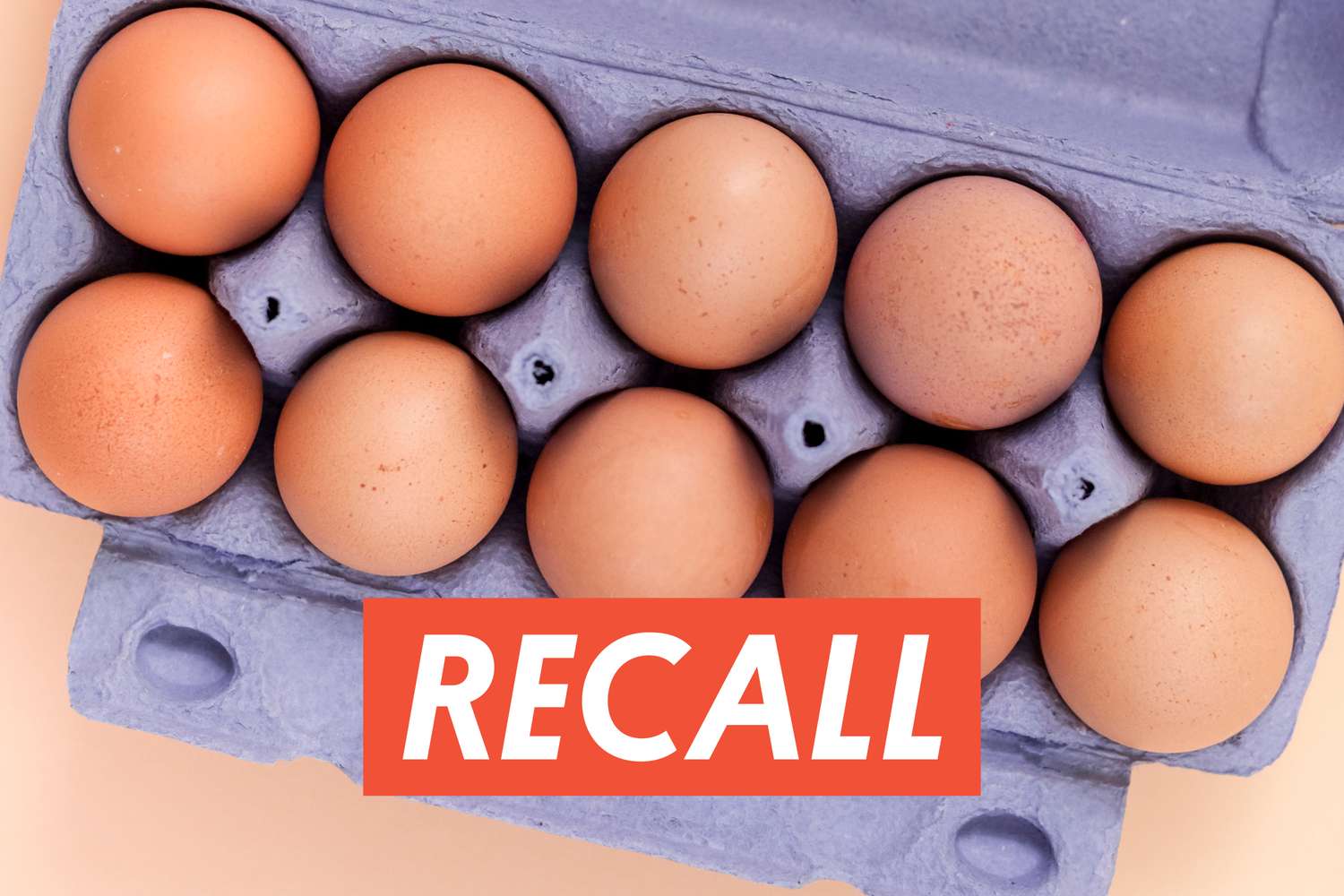
Nothing ruins a perfectly good breakfast fantasy faster than the phrase egg recall. One minute you are planning pancakes, hash browns, and a respectable amount of scrambled eggs. The next minute, you are squinting at a carton like it just joined a true-crime documentary. That is exactly what happened when an urgent FDA-posted recall put consumers on alert over shell eggs linked to possible Salmonella contamination.
The recall centered on eggs supplied by August Egg Company, and it quickly became more than a routine food-safety notice. Federal health officials linked the products to a multistate Salmonella outbreak, turning a familiar grocery staple into a serious public health story. Even though the outbreak was later declared over, the recall remains an important reminder that egg safety is not optional, kitchen cleanup matters, and “I’ll just make the yolk a little runny” can be a riskier sentence than it sounds.
This article breaks down what happened, why the FDA warning mattered, which eggs were affected, what Salmonella symptoms look like, and what shoppers should do when a recall notice lands. Because when your omelet starts requiring investigative journalism, it is time for a little food-safety backup.
Why This Egg Recall Grabbed So Much Attention
Egg recalls always get people’s attention for one simple reason: eggs live in almost every kitchen. They are breakfast, baking, meal prep, emergency dinner, and the glue holding together everything from meatballs to mayonnaise. When the FDA posts a recall involving eggs, the impact is immediate because consumers may already have the product in their refrigerators.
In this case, the issue was not just a theoretical contamination risk. The recalled shell eggs were tied to a real outbreak investigation involving illnesses across multiple states. That changed the story from “better safe than sorry” to “check your carton right now.”
What made the recall especially notable was the scale. Millions of eggs were involved, and the products reached retail locations in several states. The FDA and CDC later said the outbreak tied to these eggs sickened 134 people in 10 states, caused 38 hospitalizations, and was associated with one death. That is not a minor kitchen inconvenience. That is a full-blown reminder that food safety rules exist for a reason.
What the FDA Recall Was About
The June 2025 recall involved 1.7 million dozen shell eggs processed at August Egg Company’s California plant. The company said the recall was initiated because of the potential for Salmonella Enteritidis contamination. The FDA posted the announcement, and the outbreak investigation quickly became one of the most closely watched egg-related food safety events of the year.
According to federal information released during the investigation, the recalled eggs were distributed in Arizona, California, Illinois, Indiana, Nebraska, New Mexico, Nevada, Washington, and Wyoming. Some products were sold at major retail outlets, while others moved through grocery chains and wholesale channels. In California and Nevada, retail distribution included stores such as Save Mart, FoodMaxx, Lucky, Smart & Final, Safeway, Raley’s, Food 4 Less, and Ralphs. Additional products also went to Walmart locations in several states.
Which Eggs Were Included?
The recalled products covered multiple brand names and carton sizes. Among the better-known labels were Clover, First Street, Nulaid, O Organics, Marketside, Raley’s, Simple Truth, Sun Harvest, and Sunnyside. In other words, this was not one lonely carton sitting in a dusty corner of a specialty shop. These were mainstream grocery eggs under recognizable labels.
Consumers were told to check for plant codes P-6562 or CA-5330 printed on the carton or package. Federal product details also identified affected cartons with a printed Julian Date between 32 and 126. Sell-by dates varied by distribution channel, with recalled eggs reaching some stores with sell-by ranges from March 4, 2025, through June 19, 2025.
That is the tricky thing about recalls like this: the eggs can look completely normal. No dramatic warning signs. No villain music. Just a carton of eggs quietly minding its business while potentially carrying bacteria capable of causing serious illness.
How the Outbreak Investigation Evolved
Early in the investigation, health officials linked dozens of illnesses to the recalled eggs. As the inquiry developed, the case count grew. By July 10, 2025, the FDA and CDC said the outbreak involved 134 illnesses across 10 states. Environmental sampling during the investigation found Salmonella matching the outbreak strain at cage-free laying houses connected to the company’s operation.
The company also said it had already begun diverting eggs to an egg-breaking facility that pasteurizes them, which helps eliminate the Salmonella risk in those processed egg products. That matters because pasteurization is one of the most reliable ways to reduce dangerous bacteria in egg products. But for shell eggs already sold to consumers, the advice was straightforward: do not eat them.
What Salmonella Can Actually Do to You
Salmonella is one of the most common causes of foodborne illness in the United States, and eggs have long been one of the foods most closely associated with it. People infected with Salmonella often develop diarrhea, fever, stomach cramps, nausea, or vomiting. Symptoms can begin within several hours to a few days after exposure and may last several days.
Many healthy adults recover without special treatment, but that does not make Salmonella “just a rough tummy day.” In some people, the illness becomes severe enough to require hospitalization. Young children, older adults, pregnant people, and anyone with a weakened immune system face a higher risk of serious complications. Dehydration is a major concern, especially when vomiting and diarrhea team up like the least welcome duo in public health.
If symptoms appear after eating recalled eggs or egg-containing foods, medical guidance becomes important fast. Bloody diarrhea, signs of dehydration, high fever, or symptoms that do not improve are not the time for stubbornness, internet bravado, or saying, “Maybe I just had too much hot sauce.”
Why Eggs Keep Showing Up in Food Safety Conversations
Eggs are nutritious, affordable, versatile, and, unfortunately, biologically complicated. Salmonella can contaminate eggs on the shell or, in some cases, inside the egg before the shell is even formed. That is why even clean, uncracked eggs are not automatically risk-free.
Federal food-safety guidance has improved egg handling dramatically over time. Modern regulations require prevention steps on many large egg farms, and routine food-safety practices have reduced risk compared with past decades. Still, reduced risk does not mean zero risk. A recall like this proves that contamination can still happen, and once affected eggs are distributed widely, the public-health stakes rise very quickly.
That is also why egg recalls tend to trigger more panic than some other food alerts. People do not just eat eggs by themselves. They use them in batters, sauces, casseroles, salads, sandwich fillings, desserts, and undercooked brunch dishes that seem sophisticated until public health enters the chat.
What Consumers Should Do Right Away
If you have shell eggs at home and a recall notice matches the brand, plant code, or date range on your carton, do not try to “cook your way out of it” unless the guidance specifically says the product is safe after treatment. For recalled shell eggs linked to an active Salmonella risk, the safest move is to discard them or return them for a refund.
1. Check the Carton Carefully
Look for plant codes, Julian dates, brand names, and sell-by dates. These details matter more than how the eggs look. A perfectly innocent-looking dozen can still be part of a recall.
2. Clean and Sanitize Surfaces
If recalled eggs touched your refrigerator shelf, countertop, cutting board, bowl, or reusable grocery bag, clean those areas thoroughly. Health agencies specifically advise washing hands, utensils, and surfaces with hot, soapy water after contact with raw eggs. Sanitizing afterward adds another layer of protection, especially in kitchens where cross-contamination can spread fast.
3. Watch for Symptoms
If anyone in your home ate the recalled eggs and later developed diarrhea, fever, vomiting, or stomach cramps, pay close attention. Mild cases may improve with rest and hydration, but severe or persistent symptoms deserve medical evaluation. When in doubt, call a healthcare provider. Food poisoning is not an elite endurance sport.
How to Handle Eggs More Safely Going Forward
Even after a recall ends, the everyday food-safety lessons still matter. The FDA and other U.S. food-safety agencies recommend storing eggs in the refrigerator at 40°F or below. Keep them in the original carton, which helps protect quality and makes recall checking easier if another notice appears.
When cooking eggs, aim for fully cooked whites and yolks rather than a glossy “looks fancy on social media” finish. Egg dishes such as casseroles, quiches, and breakfast bakes should reach 160°F. If a recipe calls for raw or lightly cooked eggs, use pasteurized eggs or pasteurized egg products. This is especially important for homemade Caesar dressing, mousse, tiramisu, hollandaise, cookie dough, and ice cream bases.
Also, discard cracked eggs, avoid leaving cooked egg dishes out too long, and wash up after handling raw eggs. Basic? Yes. Effective? Also yes. The boring advice is usually the advice that works.
What This Recall Says About the Food System
The August Egg recall is a useful case study in how the modern U.S. food-safety system works when it works well. A company identifies a problem or becomes linked to illnesses, the FDA posts the recall, the CDC tracks outbreak data, and consumers receive instructions on what to do. The process is not glamorous, but it is essential.
It also highlights a key reality of food distribution: one issue at one facility can spread across multiple brands and multiple states. Consumers often assume recalls affect one niche label and one tiny region. In reality, one supplier can touch a huge section of the grocery market. That is why recall notices can sound oddly specific and still matter to millions of people.
Most of all, this recall reminds us that food safety is a shared responsibility. Producers, regulators, stores, restaurants, and consumers all have a role. When one link weakens, the rest of the chain has to move fast.
Real-World Experiences Around an Egg Recall
One of the most relatable things about an egg recall is how ordinary the moment feels right before it becomes a problem. A parent opens the fridge to make school breakfast. A home baker reaches for eggs to start a cake. A restaurant prep cook grabs a flat of shell eggs for the lunch rush. Nobody wakes up expecting to spend the day decoding plant numbers and Julian dates.
For many households, the first experience is disbelief. People look at the carton and think, “These eggs look fine.” And that is exactly why recalls are so unnerving. Food contamination does not always announce itself with a weird smell or an obvious color change. Sometimes the only clue is a government notice and a string of numbers on the side of a carton. That can feel frustrating, but it also shows why labeling and traceability matter so much.
Then comes the cleanup phase, which is rarely dramatic but always memorable. Consumers toss out egg cartons, wipe down refrigerator shelves, wash containers, sanitize countertops, and suddenly realize how many meals in the past week involved eggs in one form or another. Breakfast sandwiches. Potato salad. Pancakes. That one late-night fried-rice experiment. A recall has a sneaky way of making your kitchen timeline feel like a crime board with yarn connecting every meal.
Retail workers and restaurant staff experience the situation differently. Their version is speed and precision. Pull affected inventory. Stop sales immediately. Check storage areas. Confirm codes. Alert team members. Review safe handling procedures. In a grocery setting, one recall can create a wave of customer questions from people holding cartons in the aisle and asking the universal panic question: “Is this the bad one?” For food businesses, recall response is part public safety, part logistics, and part customer reassurance.
Home cooks often come away from the experience with a new respect for pasteurized egg products and a better understanding of cooking temperatures. Many people only learn after a recall that runny yolks, raw batter, or homemade dressings can carry extra risk. Others finally buy a refrigerator thermometer and realize that “cold enough, probably” is not a scientific measurement. Not glamorous, but useful.
Families with young children, older relatives, or immunocompromised loved ones often feel these recalls more intensely. For them, the concern is not just inconvenience. It is consequence. A mild case of foodborne illness for one person can be much more dangerous for someone more vulnerable. That reality changes how people shop, store, cook, and serve food afterward.
In that sense, an egg recall leaves behind more than a headline. It leaves habits. People start checking lot codes more carefully. They stop tasting raw batter without thinking. They cook egg casseroles a little more thoroughly. They clean the counter after cracking eggs instead of later-ish, maybe, eventually. And yes, they become the person at brunch saying, “Do we know if these eggs are fully cooked?” Not the coolest line in the room, perhaps, but definitely one of the smarter ones.
Final Takeaway
The urgent FDA recall involving eggs linked to Salmonella contamination was not just another scary food headline. It was a real-world example of how quickly a common grocery item can become a public-health concern when contamination enters the picture. The recall touched multiple brands, multiple states, and many consumers who likely had no idea their breakfast staple had become part of an outbreak investigation.
The good news is that recalls work best when people pay attention to them. Check the carton. Follow the guidance. Clean your kitchen. Cook eggs properly. Use pasteurized products when recipes call for raw eggs. And remember: food safety may not be exciting, but neither is explaining to your doctor that your weekend brunch fought back.












