
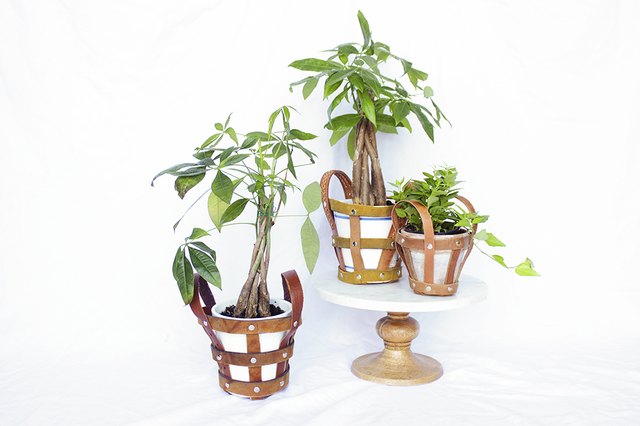
If you have an old leather belt sitting in a drawer living its best retired life, congratulations: you are one thrift-store trip away from turning it into a modern plant holder. Belts are sturdy, flexible, easy to shape, and already blessed with built-in holes and hardware. In other words, they are basically DIY show-offs. Instead of letting cracked-but-still-cool belts collect dust beside mystery chargers and one lonely sock, you can transform them into sleek plant hangers that look custom-made for a stylish apartment, cozy reading nook, or sunlit kitchen corner.
This project hits a sweet spot that home decor lovers dream about. It is budget-friendly, sustainable, beginner-friendly, and surprisingly chic. It also works beautifully with today’s love of vertical plant styling, where greenery rises off the floor and into unused wall and ceiling space. A leather plant holder feels warmer than metal, cleaner than bulky rope, and more modern than the tired “I bought this in a rush at a big-box store five minutes before guests arrived” look. It adds texture, personality, and a little vintage swagger.
In this guide, you will learn how to upcycle leather belts into modern plant holders, what tools and materials you need, how to style them so they look polished instead of accidental, and what mistakes to avoid if you want your plant and your pride to survive. Spoiler alert: your pothos may end up with a better accessory collection than you do.
Why Old Leather Belts Make Great Plant Holders
Upcycling leather belts works so well because belts already have the qualities a hanging plant project needs. They are durable enough to support small to medium planters, they bend without losing structure, and they bring a natural material into a room that might otherwise feel too shiny, too flat, or too “assembled from an online cart at 1:12 a.m.”
Leather also brings a modern organic look. That means it plays nicely with wood shelves, white walls, matte black hardware, ceramic pots, and even the occasional aggressively trendy arch mirror. A belt holder can lean rustic, Scandinavian, industrial, or minimalist depending on the pot you pair it with. A dark brown belt with brass hardware feels warm and vintage. A black belt with a simple matte planter feels crisp and contemporary. A tan belt with a white ceramic pot says, “I compost and own at least one linen pillow cover.”
Another bonus is that belts already come with useful design details. Buckles can become feature points. Existing holes can help with adjustment. Decorative stitching, patina, and worn edges can add character that brand-new materials often lack. This is one of those rare DIY projects where a little age actually makes the finished piece look better.
What You Need to Make a Leather Belt Plant Holder
Basic materials
- 1 to 2 old leather belts
- A small or medium planter
- A plastic nursery pot with drainage holes, if your decorative pot has none
- Ceiling hook, wall hook, or sturdy bracket
- Scissors or heavy-duty utility shears
- Hole punch or leather punch
- Screwdriver or drill, depending on installation style
- Chicago screws, rivets, strong cord, or hardware clips if needed
Optional upgrades
- Leather conditioner for dry belts
- Metal rings or carabiner-style connectors
- Stud finder
- Protective felt pads for pots
- A saucer or cachepot system to catch excess water
The ideal planter is not wildly heavy. Small trailing plants, lightweight ceramic pots, or plastic nursery pots slipped into decorative containers are usually the safest choice. Think practical elegance, not “hanging a concrete boulder and hoping for the best.”
How to Make a Modern Plant Holder From Leather Belts
1. Pick the right belt
Choose a belt that still feels strong and supple. Some surface wear is fine. In fact, it often looks fantastic. But skip belts that are splitting badly, brittle at the fold points, or so stretched they resemble a sad noodle. Full-grain or genuine leather usually gives the best result, though sturdy faux leather can work for lightweight plants too.
2. Choose a pot with common sense
Modern plant holders look gorgeous with ceramic pots, but heavy pots get heavy fast once you add moist soil. A smart approach is to keep the plant in a lightweight plastic grow pot with drainage holes, then nest that inside a decorative vessel when needed. That setup also makes watering easier and protects the belt from sitting against constant moisture.
3. Measure your holder design
The easiest design uses one belt wrapped around the pot’s widest point and another belt or strap section to create vertical support. You can also use four equal-length belt strips attached to a metal ring at the top for a cleaner, more symmetrical silhouette. Before cutting anything, wrap the belt around the planter and mark where it sits snugly without squeezing the pot like shapewear.
4. Punch holes and assemble
If your belt’s existing holes line up perfectly, enjoy this miracle. If not, add new ones with a leather punch. Connect the belt ends with the buckle, rivets, screws, or a metal connector. Then attach your vertical straps. Keep the holder balanced by spacing the straps evenly. This is not the moment for artistic chaos.
5. Test before hanging
Place the empty pot into the holder first. Then test again with the plant inside before it goes anywhere near your ceiling. Hold it up, check for tilt, and make sure the pot sits securely. If the straps pull unevenly or the pot leans like it has opinions, adjust before installing the hook.
6. Install the hook safely
Safety is the least glamorous part of this project, but it is the part that prevents your fern from performing a dramatic floor dive. If hanging from the ceiling, attach the hook into a joist when possible. If you are working with drywall, use hardware rated for the weight and follow the anchor instructions carefully. Always factor in the combined weight of the pot, moist soil, and plant. Water adds more weight than many people expect, which is rude but true.
7. Hang and style
Once it is secure, hang the holder where the plant will actually thrive. That means matching the plant to the light, not to your dream corner just because it looks cute in your head. A bright window works well for many trailing plants, while lower-light corners may be better for more forgiving varieties.
Best Plants for Leather Belt Holders
The most successful choices are plants that either trail nicely or stay reasonably compact. You want something that looks intentional in a hanging display and does not turn the whole setup into a shoulder workout for your ceiling.
Top plant choices
- Pothos: Fast-growing, forgiving, and dramatic in the best way
- Spider plant: Great for beginners and full of lively movement
- String of pearls: Stylish, sculptural, and ideal for a modern look
- Boston fern: Lush and classic, especially in brighter indirect light
- Philodendron: Easygoing and beautiful with heart-shaped leaves
- Trailing peperomia: Compact and elegant for smaller holders
If pets are part of the household, be more careful than casual. Many popular trailing plants are lovely but not ideal for nibbling cats or curious dogs. In those homes, placement matters just as much as style. A higher hanging point can help, but checking plant toxicity before choosing your final plant is even smarter.
Design Ideas That Make the Holder Look Modern
The difference between “stylish DIY” and “garage experiment with leaves” usually comes down to finishing choices. Keep the design clean. Let the leather be the hero. Avoid overcomplicating the holder with too many knots, beads, tassels, or decorative doodads unless your goal is boho maximalism with a side of chaos.
Modern styling tricks
- Pair black leather with white, stone, or charcoal planters
- Use tan leather with warm terracotta or cream ceramic pots
- Repeat leather elsewhere in the room through handles, stools, or shelf straps
- Choose one trailing plant for a sculptural, uncluttered effect
- Group hanging plants at varied heights for a curated vertical display
Leather plant holders also work especially well in small spaces because they take advantage of vertical room. In apartments, studios, and compact kitchens, that is huge. A well-placed hanging holder can bring greenery into a room without stealing precious shelf, table, or floor space.
Common Mistakes to Avoid
Using a pot with no drainage plan
Plants generally hate sitting in trapped water. If your decorative pot does not have a drainage hole, keep the plant in a removable nursery pot inside it. That way, you can take it down, water properly, let it drain, and then return it to the holder without creating a soggy leather disaster.
Adding rocks and calling it solved
This old trick sounds clever, but it does not magically fix drainage problems. It is better to use a proper draining pot or a cachepot setup than rely on a pebble myth and positive thinking.
Choosing a belt that is too weak
A pretty vintage belt is not always a structurally sound belt. Decorative fashion belts, cracked leather, and heavily worn sections may not be reliable enough for daily use.
Ignoring the hanging weight
Even a small ceramic planter can become much heavier after watering. Test the load, use appropriate hardware, and avoid guessing. Home decor should feel effortless, not reckless.
Hanging the plant in the wrong light
A gorgeous plant holder does not solve a dim room problem for a sun-loving plant. Match the plant to the location or you will end up with a stylish holder starring one sad vine and several regretful leaves.
How to Care for a Leather Plant Holder
Leather and constant moisture are not best friends, so keep watering neat. Remove the inner pot when possible, let excess water drain fully, and then place it back in the holder. Wipe the belt occasionally with a dry or slightly damp cloth and condition it lightly if it starts looking dry. Do not soak it, and do not let it stay pressed against wet soil or puddled water.
It also helps to rotate the plant every so often if one side is leaning hard toward the light. Some hooks swivel, which makes this easier. Your plant gets better shape, and your display avoids that awkward “all hair on one side” look.
Why This DIY Project Works So Well for Modern Homes
Upcycling leather belts into modern plant holders combines three things people genuinely want from home decor right now: sustainability, personality, and style. It reuses materials you already own. It creates a one-of-a-kind object instead of something mass-produced. And it adds texture in a way that still feels clean and contemporary.
It also tells a better story. A belt from a thrift store, a forgotten closet shelf, or even a family hand-me-down suddenly becomes decor with a second life. That makes the holder feel personal, not generic. And unlike many trendy craft projects, this one can actually look elevated enough to stay in your home for years.
Best of all, this project is flexible. You can make one holder for a single statement plant, a matching pair for a window, or a small series for a vertical indoor garden. Once you finish your first one, there is a very real chance you will start eyeing every old belt like it is future decor. That is how it begins.
Real-Life Experience: What It’s Like to Actually Make and Live With Leather Belt Plant Holders
The first time I made a leather belt plant holder, I was feeling extremely confident for someone who had not yet measured anything. I had one old brown belt, one trailing pothos, and the kind of optimism usually reserved for people assembling furniture without reading instructions. Naturally, the first version hung crooked. Not artistically crooked. Not charmingly offbeat. More like, “Why does this plant look like it is trying to escape?” crooked. That small failure taught me the most useful lesson of the whole project: balance matters more than bravado.
Once I slowed down and measured the straps evenly, the entire design changed. Suddenly, it looked intentional. The belt’s worn brass buckle became a design feature instead of a leftover clothing part. The leather added warmth that basic macrame did not have, and the plant looked more sculptural, almost like part of the room’s architecture. That was the moment I understood why this idea works so well. It does not just hold a plant. It frames it.
Living with these holders also taught me a few practical truths. First, watering is much easier when the actual plant stays in a lightweight nursery pot inside the decorative container. I learned this after attempting to water a ceramic pot while it was still hanging, which was a fantastic way to dampen the leather, the floor, and my dignity all at once. Taking the inner pot down, watering it at the sink, and letting it drain fully is much cleaner and far less dramatic.
Second, leather changes the mood of a room more than you might expect. Rope hangers can feel casual and beachy. Metal holders can feel sleek but cold. Leather lands in a sweet middle ground. It adds softness without looking flimsy and structure without feeling harsh. In one room, a black belt holder gave a plain spider plant a gallery-like look. In another, a tan belt made a thrifted white pot feel expensive enough to deserve its own spotlight.
I also noticed that guests comment on these holders more than on store-bought decor. Maybe it is because people recognize the material and then do a double take. “Wait, is that a belt?” is apparently a crowd favorite. And once they notice, they usually want to know how it was made. There is something satisfying about creating a piece that feels both familiar and unexpected. It is home decor with a plot twist.
Over time, I found that the best results came from editing the design rather than overdecorating it. The more minimal the holder, the more modern it looked. Clean straps, a solid pot, a healthy trailing plant, and good placement did all the heavy lifting. No extra fuss needed. So yes, you can absolutely upcycle leather belts into modern plant holders that are functional, stylish, and full of personality. Just measure twice, hang once, and do not let the pothos judge your first draft too harshly.
Conclusion
Upcycling leather belts into modern plant holders is one of those rare DIY wins that looks expensive, feels creative, and uses materials you may already have at home. With the right belt, the right pot, and the right hanging setup, you can create a functional decor piece that saves space and adds real style. Keep the structure secure, give your plant proper drainage, and let the leather’s texture do the talking. The result is modern, sustainable, and far more interesting than another basic planter on a shelf.
Note: This HTML contains only the <body> content in standard American English and is cleaned for web publishing.











